
Aquarium Filtration Simplified: Your Guide to Crystal Clear Water in Any Tank
Published on: February 7, 2026 | Last Updated: February 7, 2026
Written By: Lia Annick
Hello fellow fish keepers, are you tired of cloudy water or constant algae battles? Picking the right filter feels overwhelming, but it’s the heart of a thriving aquarium.
This guide breaks down everything you need, covering:
- How to match filter types to your specific aquarium setup
- The exact pros and cons of hang-on-back, canister, and sponge filters
- Specialized advice for planted tanks, reef systems, and breeding environments
- Simple maintenance steps that keep your water pristine and fish healthy
I’ve run high-tech planted tanks and bred fish for years, testing filters through every challenge.
How Aquarium Filtration Keeps Your Water Crystal Clear
Think of your aquarium filter as the heart and lungs of your underwater world, working nonstop to process waste and keep the environment healthy. A truly effective filter doesn’t just polish the water; it actively manages the entire ecosystem’s health by tackling waste in three distinct ways. So, does a fish tank filter work in real setups? In short, yes—it’s effective when properly sized for the tank and regularly maintained.
I like to compare it to cleaning your house. Mechanical filtration is like vacuuming the floors, biological filtration is like having a compost bin that breaks down food scraps, and chemical filtration is like using an air purifier to remove odors. Understanding the differences between mechanical, biological, and chemical filtration helps clarify how each type contributes to clean water. In short, each one targets a different part of the filtration process: solids, bacteria-driven breakdown, and dissolved chemicals or odors.
- Biofilter: This isn’t a single piece of equipment, but the colony of beneficial bacteria that live in your filter media and substrate. They consume toxic ammonia and nitrite, converting them into less harmful nitrate.
- Filtration Media: These are the materials you place inside your filter, like sponges, ceramic rings, or chemical pads. They provide the surface area for both mechanical trapping and bacterial colonization.
- Water Flow: Measured in gallons per hour (GPH), this is the rate at which water is pulled through the filter. Proper flow ensures all tank water is processed and distributes heat and oxygen evenly.
Picking the Perfect Filter for Small Tanks and Nano Aquariums
-
First, honestly assess your tank size and its inhabitants. Do choose the right aquarium size for your fish species, based on their adult size and space needs. A single betta in a 5-gallon tank has a much lower bioload than a colony of shrimp in the same space. A tank that fits their growth and activity helps maintain water quality and reduces stress. Overstocking a small aquarium is the fastest way to overwhelm any filter, no matter how good it is. For small setups, always err on the side of less fish.
-
You have three main contenders for small tanks. A sponge filter is an air-driven workhorse, an internal filter sits submerged inside the tank, and a small hang-on-back (HOB) filter clips onto the back rim.
-
Here’s a quick breakdown of your options:
- Sponge Filter:
- Pros: Incredibly gentle flow, excellent biological filtration, safe for shrimp and fry, very affordable.
- Cons: Provides only mechanical and biological filtration (no chemical), the air pump can be slightly noisy, some find the look intrusive.
- Internal Filter:
- Pros: All-in-one unit, often includes multiple media types, creates good surface agitation, easy to hide with plants or decor.
- Cons: Takes up space inside the tank, can be tricky to clean without disturbing the aquascape, flow can sometimes be too strong for certain fish.
- Small Hang-On-Back Filter:
- Pros: Excellent all-around filtration, easy media access and maintenance, doesn’t occupy tank space.
- Cons: Can create too much current for long-finned fish like bettas, risk of water siphoning out during a power outage if not set up correctly.
- Sponge Filter:
-
Aim for a filter with an adjustable flow rate or one rated to turn over the tank volume 4-5 times per hour. For delicate fish like bettas, you want just enough surface agitation to create a slight shimmer without pushing them around the tank. Sponge filters are often the winner here for their perfectly gentle output. If you need a different flow, change or adjust your aquarium filter. Periodically reassess to keep delicate fish comfortable.
Top Filtration Choices for Freshwater Community Tanks
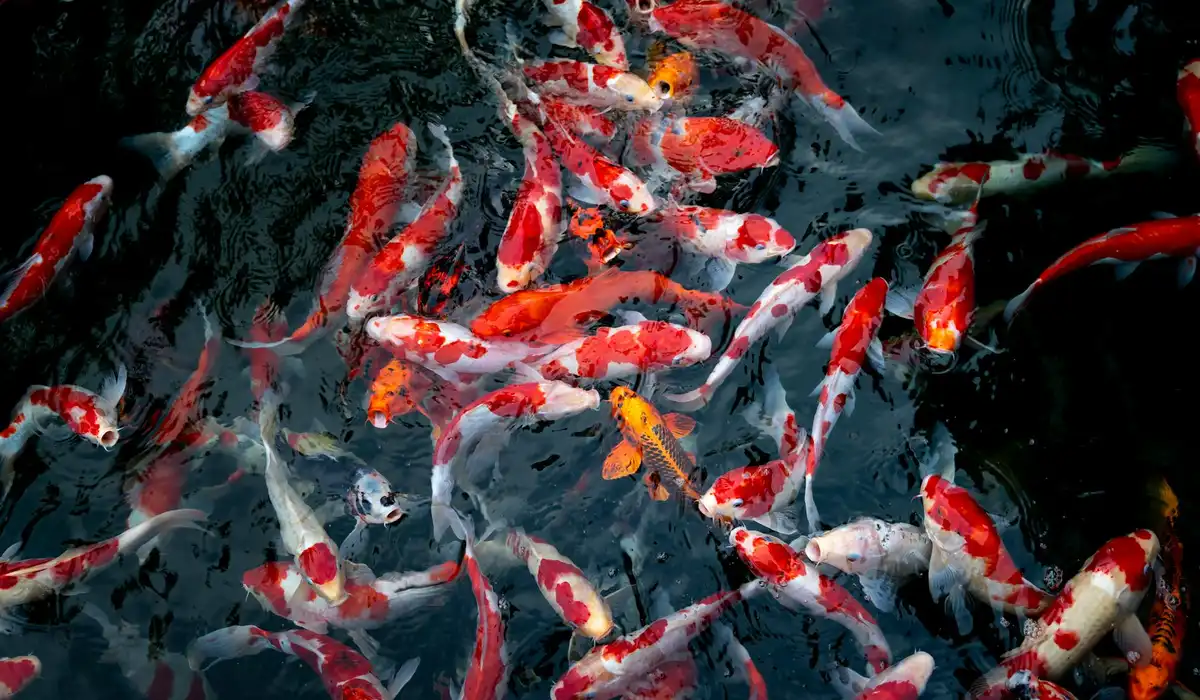
Your community tank is a bustling underwater neighborhood, and the right filter is its sanitation and water treatment plant. Matching your filter to your fish is the single most effective way to ensure a clear, healthy environment for everyone. That same harmony comes from choosing compatible fish for your community tank. Pick species with similar care needs and temperaments to keep the aquarium balanced. Let’s break down the best options for common residents.
Matching Filters to Your Fish
A tank full of small, peaceful fish like guppies, tetras, and mollies has different needs than a tank dominated by messy goldfish. Knowing what fish can live peacefully with goldfish is essential for maintaining harmony.
- Guppies & Small Tropicals: These fish produce a relatively low bioload. A simple Hang-On-Back (HOB) filter or a sleek internal filter is often perfectly adequate, providing gentle flow they won’t struggle against.
- Goldfish: Be prepared! Goldfish are waste-producing machines. You need a filter rated for a tank at least twice the size of your actual aquarium. A powerful canister filter is my go-to for handling their relentless mess.
- Cichlids & Larger Tropicals: These fish need robust mechanical and biological filtration. A high-quality HOB or a canister filter packed with porous media will keep up with their demanding nature.
Comparing Your Filter Options
Each filter type has its own strengths and ideal applications in a community setting.
- Hang-On-Back (HOB) Filters: These are the workhorses of the hobby. They hang on the back of your tank, are easy to maintain, and offer great space for custom filter media. I always recommend HOBs for beginner and intermediate aquarists because they combine effectiveness with simplicity.
- Canister Filters: Think of these as the power plants of filtration. They sit under your tank and hold a massive amount of media. The flow is highly customizable, and they are exceptionally quiet. For a heavily stocked 40-gallon or larger community tank, a canister filter is an investment you will not regret.
- Internal Filters: These units sit completely inside your aquarium. They are fantastic for small tanks or hospital tanks where space is limited. While not as powerful for biological filtration as the others, they provide excellent water movement and mechanical cleaning.
Bioload Management is Everything
Bioload simply means the total waste produced by your fish, leftover food, and decaying plant matter. Your filter’s size and media selection are your primary weapons in the battle against bioload. A larger bioload demands more surface area for beneficial bacteria to colonize.
- For a high bioload (Goldfish, Cichlids): Choose a filter with a high GPH (Gallons Per Hour) turnover and fill it with porous ceramic rings or bio balls for maximum biological capacity.
- For a medium bioload (Mixed Community): A balanced approach works best. Use a combination of sponge (for mechanical), ceramic media (for biological), and perhaps a small pouch of activated carbon (for chemical polishing).
Coldwater Tank Filter Quick-Reference
| Filter Type | Best For Tank Size | Ideal For | Maintenance Notes |
|---|---|---|---|
| Sponge Filter | Up to 20 gallons | Quarantine tanks, fry tanks, shrimp tanks | Clean by squeezing in old tank water during a water change. |
| Hang-On-Back (HOB) | 10 – 75 gallons | Most community tanks, single goldfish setups | Replace filter cartridges sparingly; rinse them instead to preserve bacteria. |
| Canister Filter | 40+ gallons | Heavily stocked tanks, goldfish ponds, large communities | Clean every 3-6 months; never clean all media at once. |
Essential Filtration for Marine and Reef Setups
Stepping into saltwater is a whole new ballgame. The shimmering clarity of a reef tank is achieved with a filtration philosophy that goes far beyond a simple freshwater hang-on-back. Saltwater systems demand a multi-pronged approach to handle delicate corals and sensitive fish.
-
Must-Have Equipment
The foundation of a successful marine tank is built on three key pieces of equipment.
- Protein Skimmer: This is non-negotiable for a reef tank. It physically removes organic waste from the water *before* it breaks down into toxins, drastically reducing your nitrate and phosphate levels.
- Sump: A sump is an external reservoir, usually placed in the cabinet below your main display tank. Adding a sump is like giving your aquarium a massive engine upgrade, providing extra water volume and a hidden place for all your equipment.
- High-Quality Return Pump: This sits in your sump and pumps the filtered water back up to your display tank. Its flow rate determines your total system turnover.
-
The Critical Role of Biological and Chemical Filtration
In a reef tank, your live rock is your primary biological filter. Its incredibly porous surface is a city for beneficial bacteria. The sheer volume of live rock is what processes the high amounts of ammonia produced in a marine environment. Chemical filtration is equally vital. Media like GFO (Granular Ferric Oxide) pull phosphates from the water, and high-quality carbon removes dissolved organics that can yellow the water and irritate corals.
-
Setting Up Overflow Systems and Managing Saltwater Bioload
An overflow is the elegant system that silently drains water from your display tank down into the sump.
- Drill your tank for a built-in overflow (the safest and most reliable method).
- Use a HOB overflow box if your tank is not pre-drilled, but be vigilant about siphon maintenance.
- Connect the overflow to your sump, where your protein skimmer and heaters will do their work.
- Size your return pump to match your overflow’s drain capacity for a silent, balanced system.
Managing bioload is about precision. You must be meticulous with feeding and stock your tank slowly to avoid overloading the delicate biological balance. Test your water parameters weekly without fail.
-
Key Differences from Freshwater Filtration
The shift from freshwater is significant, especially in media and maintenance.
- Media: You’ll move away from common ceramic rings and use more specialized media like marine pure blocks and spheres, which have a much higher surface area. Carbon and phosphate media become routine consumables.
- Maintenance: Saltwater filtration requires more consistent, proactive maintenance. You’ll be cleaning your protein skimmer’s collection cup every few days and replacing chemical media on a strict schedule. The hum of a protein skimmer and the routine of testing alkalinity become the rhythm of a successful reef keeper’s life.
Best Filters for Lush Planted Aquariums

In a planted tank, your filter is more than a cleaning device; it’s a partner in creating a stable, living ecosystem. The gentle hum of a well-chosen filter becomes the steady heartbeat of your underwater garden, supporting plant health without uprooting your delicate stems.
You want a filter that provides powerful biological filtration without creating a turbulent whirlpool. High flow can rip CO2 from the water and batter delicate plant leaves, directly working against your aquascaping goals. A gentle, widespread current is the key to success.
Biological Filtration: The Engine of Nutrient Balance
Biological filtration is the star of the show in a planted tank. This living process, driven by beneficial bacteria, transforms harmful fish waste into plant-friendly nitrates, creating a beautiful, self-sustaining nutrient cycle. A large surface area for these bacteria to colonize is non-negotiable.
Canister Filters vs. Sponge Filters: A Gentle Current Showdown
Let’s compare the two most popular gentle-flow options for your planted paradise.
- Canister Filters: My top choice for tanks over 20 gallons. They offer massive media capacity for superior biological filtration and use spray bars to diffuse water flow across the entire tank surface. This creates a gentle, laminar current that plants and fish adore.
- Sponge Filters: The perfect, budget-friendly solution for smaller planted tanks and shrimp bowls. They provide excellent biological filtration and create a very mild current, perfect for baby shrimp and sensitive fauna. The rising bubbles also help with gas exchange.
DIY Hack: Custom Media for Algae Reduction
Instead of buying expensive chemical media, try this simple trick. Stuff a media bag with polyester filter floss (the same kind used for pillow stuffing) and place it in your canister filter’s top tray, right before the water returns to the tank. This super-fine polish will trap tiny debris that algae feeds on, giving your plants a competitive edge. In a planted aquarium, reducing detritus helps keep algae in check. It’s a chemical-free way to support lush plant growth while controlling unwanted algae. Replace the floss every two weeks for crystal-clear water.
Mastering Filter Media and Maintenance for Healthy Tanks
Think of your filter media as a team of specialized cleaners, each with a specific job. Understanding their roles is the difference between a sparkling, healthy tank and a constant battle with cloudy water and sick fish. To get the best filter media for a crystal clear aquarium, choose components that balance mechanical, chemical, and biological filtration. When balanced, your water stays crystal clear and your fish stay healthy.
-
Break Down Types of Filtration Media
Your filter relies on three types of media working together.
- Mechanical Media: This is the physical strainer. Sponges and filter floss trap floating dirt, fish waste, and leftover food. Coarse sponges catch big bits, while fine floss polishes the water to a brilliant shine.
- Chemical Media: These are the chemical purifiers. Activated carbon removes medications, tannins, and odors. Ion-exchange resins can target specific impurities like phosphates that fuel algae growth.
- Biological Media: This is the living heart of your filter. Ceramic rings, bio-balls, and porous lava rock provide a massive surface area for beneficial bacteria to live. Never replace all your biological media at once, or you risk crashing your tank’s cycle.
-
Steps for Cleaning and Replacing Media
Proper maintenance keeps your filter efficient and your tank safe.
- Unplug the filter from the electrical outlet.
- Remove the filter media baskets or compartments.
- Rinse mechanical media in a bucket of old tank water you’ve siphoned out during a water change. Never use tap water, as the chlorine will kill your essential bacteria.
- Squeeze sponges until the water runs clear. Gently swish ceramic rings in the bucket to dislodge sludge.
- Replace chemical media like carbon according to the package instructions, typically every 3-4 weeks.
- Reassemble the filter, ensuring all parts are securely locked in place, and restart it.
-
How to Troubleshoot Common Issues
A noisy or weak filter is a cry for help. Here’s how to answer.
- Clogging: If water flow slows to a trickle, your mechanical media is likely packed with gunk. Perform a thorough rinse of all sponges and floss in tank water to restore flow immediately.
- Noise (Gurgling or Rattling): Check the water level in your hang-on-back filter; it might be too low. For a canister, ensure the impeller shaft and chamber are clean and free of debris.
- No Flow After Cleaning: The most common culprit is an airlock in canister filters. Tip the unit slightly back and forth to dislodge trapped air bubbles.
-
Emphasize Regular Maintenance Schedules
Consistency is everything. A predictable schedule prevents major problems.
- Sponge Filters: Give them a good squeeze in old tank water every 2-3 weeks.
- Hang-on-Back Filters: Rinse the media basket in tank water and check the impeller for debris every 3-4 weeks.
- Canister Filters: These powerhouses can often go 4-6 weeks between cleanings. I mark my calendar for a monthly canister check to stay on top of it without over-cleaning.
FAQs
What are the best types of filtration media for different aquarium setups?
For mechanical filtration, coarse sponges and filter floss excel at trapping debris in most tanks, while fine media like polyester floss polishes water in planted or reef setups. Biological media, such as ceramic rings or bio-balls, provide surface area for beneficial bacteria and are essential in high-bioload tanks like those with goldfish. Chemical media, including activated carbon or phosphate removers, should be used selectively, such as in reef tanks to control impurities or in community tanks to remove odors.
How do air pumps integrate with aquarium filtration systems?
Air pumps are commonly used to power sponge filters, which offer gentle mechanical and biological filtration ideal for small tanks or fry setups. They also enhance oxygen levels by creating surface agitation, supporting fish health in densely stocked aquariums. Setting up a sponge filter is quick: place the sponge in the tank and connect tubing from a low-flow air pump to a diffuser inside the sponge. As the pump runs, water is drawn through the sponge, starting filtration and biological colonization. In sump-based systems, air-driven components can aid in gas exchange, but they are not a substitute for the primary water pump in most filtration units.
What should I look for in an aquarium filtration system diagram?
A clear diagram should illustrate the water flow path from intake through mechanical, biological, and chemical filtration stages before returning to the tank. It often labels key components like pumps, media chambers, and overflow systems, helping you understand how parts interact for efficient operation. This visual aid is useful for troubleshooting issues like clogs or airlocks and planning upgrades in complex setups like reef tanks.
What are the key pieces of a complete aquarium filtration system?
The core pieces include a water pump or impeller for flow, media baskets holding sponges, ceramic rings, and chemical pads for waste processing, and a housing unit like a canister or hang-on-back filter. Additional elements might involve air pumps for sponge filters, protein skimmers for marine tanks, or UV sterilizers for algae control. Proper accessories, such as media mesh bags for loose filter media, help organize and maintain the system effectively.
Your Clear Path Forward
Choose your filter based on your tank’s specific bioload and inhabitants, ensuring it provides robust mechanical, chemical, and most importantly, biological filtration. The right filter is the silent, beating heart of a thriving aquatic ecosystem. When sizing the filter for your tank, match its capacity to your water volume. This helps ensure optimal turnover for your tank size.
Your commitment to learning and adapting your care is what truly creates a healthy home for your fish. The most advanced equipment is only as good as the attentive, knowledgeable aquarist running the show.
Further Reading & Sources
- Beginner’s Guide to Aquarium Filters and Types of Filtration – Buce Plant
- Everything You Need To Know About Filtration
- Aquarium Filtration Basics
- General Guide to Filtration for Freshwater Aquariums | Arizona Exotics | -Freshwater Tropical, -Goldfish and Koi Resources
- The Essential Guide to Freshwater Aquarium Filtration Systems with Perfect Aquatics
Lia is an expert in aquarium and pet fish care. Having worked in the marine industry and having cared for multiple pet fish, she has acquired first hand expertise on aquarium care, maintenance and setup. She always brings her practical expertise and science to help solve any aquarium related queries.
Filtration Systems