
Aquarium Filter Mastery: Your Simple Guide to Change and Adjustment
Published on: February 9, 2026 | Last Updated: February 9, 2026
Written By: Lia Annick
Hello fellow fish keepers, is your tank’s water looking a bit hazy or your filter making strange noises? Getting your filter maintenance right can mean the difference between a thriving ecosystem and a constant battle with water quality.
This guide will walk you through:
- When it’s truly time to change your filter media without crashing your cycle
- Step-by-step cleaning for different filter types to avoid common pitfalls
- How to adjust water flow perfectly for sensitive fish like bettas or fry
- My top DIY hacks to extend media life and save money
With years of experience running high-tech planted tanks and breeding fish, I’ve fine-tuned filter care to keep aquariums crystal clear and fish happily swimming.
Understanding Your Aquarium Filter’s Role
Your aquarium filter is the silent workhorse that keeps your tank’s water clean and safe, acting like the heart and lungs of your underwater world. It handles three key jobs: trapping debris mechanically, hosting beneficial bacteria for biological filtration, and sometimes using chemical media to remove impurities. I think of it as a mini-ecosystem manager, especially in tanks like mine where sensitive fish like Shadow the Corydoras depend on stable water conditions.
Signs Your Aquarium Filter Needs Attention
Listen and look closely-your filter will tell you when it’s struggling. A sudden drop in water flow or unusual grinding noises are clear cries for help, often meaning clogs or worn parts. Watch for murky water or surface film, which signal that waste isn’t being processed efficiently. In my experience, if Goldie the goldfish starts gasping at the surface, it’s a red flag that oxygen levels are dropping due to poor filtration.
- Reduced water output or weak current
- Excessive noise like humming or rattling
- Cloudy water or algae blooms
- Unpleasant odors from the tank
- Fish showing stress, such as lethargy or rapid gill movement
The Impact on Your Tank’s Ecosystem
When a filter fails, it disrupts the delicate balance your fish rely on. A neglected filter can crash your nitrogen cycle, spiking ammonia levels that harm fish like Captain Fin, who are sensitive to water chemistry shifts. This imbalance encourages harmful bacteria and algae, turning your clear oasis into a toxic soup. I’ve seen how quickly a small issue can snowball, stressing even hardy bottom-feeders like Shadow who thrive in clean, oxygen-rich substrates.
When and How Often to Perform a Filter Change
Timing your filter changes depends on your tank’s unique setup, not a fixed calendar. For most hobbyists, checking mechanical media every 2-4 weeks and replacing biological media only when it falls apart prevents upsetting your tank’s stability. Heavy-stocked tanks with fish like goldfish may need weekly rinses, while lighter loads can go longer. I adjust based on water tests-if nitrates creep above 20 ppm, it’s time for action to replace the filter media.
Ideal Timing for Filter Maintenance
Sync filter care with partial water changes to minimize stress on your aquatic friends. Aim to rinse or replace filter media in old tank water to preserve beneficial bacteria, doing this every 3-4 weeks for average community tanks. Good water quality supports healthy fish and reduces disease risk. Keeping up with filter care and regular water changes helps ensure a stable, thriving aquarium. In colder months, I delay changes slightly as metabolism slows, but with active fish like Captain Fin, I stick to a consistent rhythm to keep his environment crisp and responsive.
- Test water parameters weekly for ammonia, nitrite, and nitrate levels.
- Inspect filter flow during each feeding-if it’s sluggish, clean mechanical parts.
- Replace chemical media like carbon monthly, or as directed by your filter type.
- Never clean all filter components at once to avoid bacterial die-off.
Creating a Filter Maintenance Schedule
Build a simple, personalized schedule that fits your life and tank’s needs. Start by noting your filter’s model and media types, then set reminders for monthly check-ins that include visual inspections and gentle cleanings. I use a phone app to track dates, but a sticky note on the tank works too—consistency is key. This ties into the complete guide on how often you should clean your aquarium filter, which helps tailor cleaning frequency to your tank’s bioload and filter type. For example, with Shadow’s planted tank, I clean the pre-filter sponge every two weeks to prevent debris buildup without disturbing the bio-media.
- Weekly: Quick visual check and flow test
- Monthly: Rinse mechanical media in removed tank water
- Quarterly: Replace chemical media and inspect impeller for wear
- Annually: Deep clean and consider full media replacement if needed
Gathering Your Tools and Preparing the Tank
Essential Tools for a Smooth Filter Change
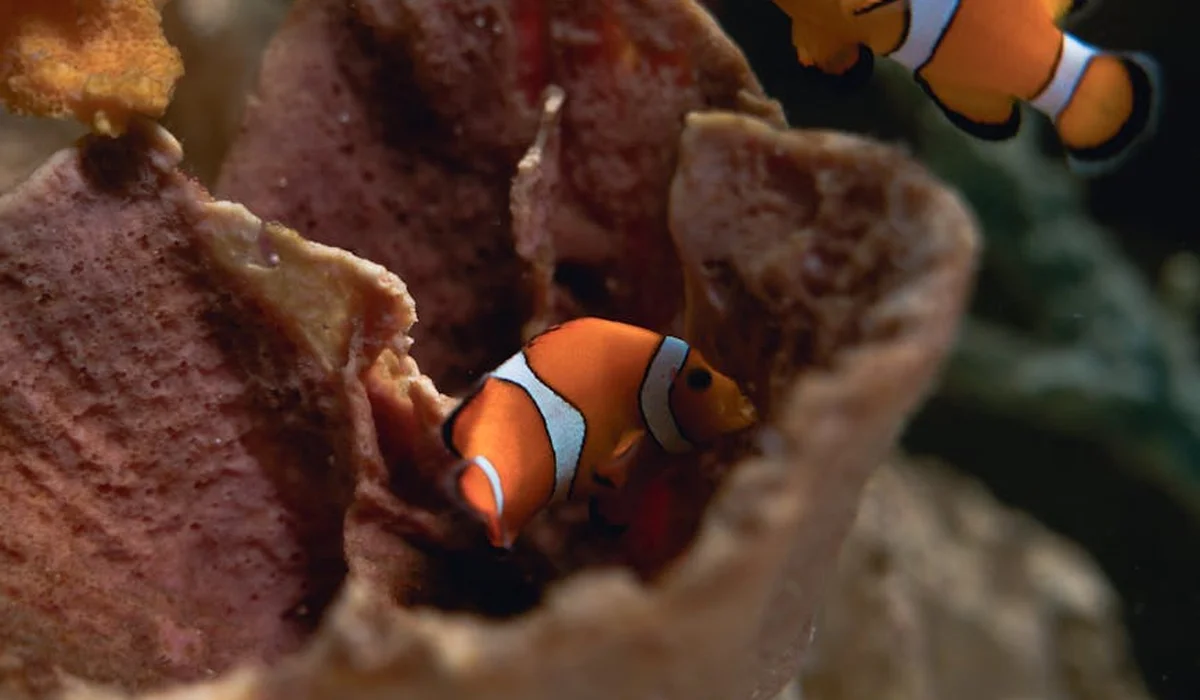
Before you start, gather everything you need within arm’s reach to avoid frantic searches mid-task. Having the right tools on hand turns a potentially messy job into a quick, controlled process that keeps your fish stress-free. I keep a designated “aquarium maintenance kit” with these items, which has saved me countless times when Captain Fin gets curious during water changes.
- A clean, 5-gallon bucket used only for aquarium work to prevent chemical contamination.
- Dechlorinator or water conditioner to treat new water instantly.
- Aquarium-safe gloves to protect your hands and avoid transferring oils to the water.
- Paper towels or a soft cloth for wiping spills and drying connections.
- Old tank water saved from a recent partial water change, stored in a separate container.
Pre-Changing Tank Preparation Steps
Proper setup prevents cloudiness and protects your fish from sudden parameter shifts. Always perform filter maintenance during a routine partial water change, as this minimizes disruption to the tank’s biological balance. I do this every two weeks with Goldie’s tank, and it keeps the water crystal clear without shocking her sensitive system.
- Unplug the filter, heater, and any other electrical equipment to ensure safety.
- Siphon out 20-25% of the tank water into your clean bucket, using this opportunity to remove debris from the substrate.
- Prepare replacement water by mixing tap water with dechlorinator, matching the temperature to your tank within 2°F-test it with a thermometer or your wrist.
- Feed your fish lightly an hour before starting; this reduces waste production while the filter is offline.
Step-by-Step Filter Change and Media Replacement
Safely Removing and Disconnecting the Filter
Handle the filter gently to avoid stirring up debris or damaging its components. Lift the filter straight up and out in one smooth motion to prevent water from sloshing back into the motor or media compartments. When I first started, I rushed this step with Shadow’s filter and ended up with a cloudy tank and a nervous catfish hiding for hours.
- Confirm all power is disconnected-double-check cords are unplugged.
- Place your bucket directly beneath the filter to catch drips as you remove it.
- If it’s a hang-on-back model, tilt it slightly forward to drain excess water into the bucket before lifting.
- Carry the filter to a workspace like a sink or towel-covered counter for the next steps.
Installing New Cartridges and Media
Match the new media precisely to your filter type to maintain optimal flow and filtration. If you’re using a new cartridge, press it firmly into the slots until it clicks or sits snugly, avoiding gaps where water can bypass the media. For canister filters, I layer mechanical, chemical, and biological media in that order, which I’ve found boosts efficiency in my heavily planted setups.
- Open the filter housing and carefully remove the old media, setting it aside in a container with old tank water.
- Rinse new mechanical media (like filter floss) in dechlorinated water to remove dust before insertion.
- Arrange media layers as per your filter’s manual, typically coarse sponges first, then fine pads, and chemical media like carbon last.
- Reassemble the filter, ensuring all seals are tight to prevent leaks when restarted.
Handling Old Filter Media: Rinse or Replace?
This decision impacts your tank’s cycle, so never toss all old media at once. Rinse mechanical media in the bucket of old tank water you saved earlier to preserve beneficial bacteria, and only replace it when it’s falling apart or heavily clogged. I reuse biological media for months-like the ceramic rings in Shadow’s filter-until they literally crumble, because tossing them can cause ammonia spikes.
- Rinse sponges and floss if they’re just dirty; replacement is needed if water flow stays slow after cleaning.
- Replace chemical media like carbon or phosphate pads every 4-6 weeks, as they lose effectiveness over time.
- Keep at least 50% of your biological media during any change to safeguard the nitrogen cycle; think of it like keeping the core team in a relay race.
Adjusting Flow Rate and Filter Settings
Fine-Tuning Your Filter’s Current
Getting the flow rate just right makes a huge difference in your fish’s comfort and tank health. Too strong, and fish like Captain Fin, my betta, get pushed around; too weak, and waste builds up. Adjust the flow using the control valve or knob on your filter, aiming for a gentle current that lets plants sway without stressing your fish. For a 10-gallon tank with small fish, I set it to low; in my 30-gallon community tank, medium flow works best.
Different filters have unique adjustment methods. Hang-on-back filters often have a flow dial, while canister filters might need intake adjustments. Start by turning the flow down if you see fish struggling against the current, or up if debris isn’t being pulled in. I’ve found that a varied flow pattern, like pointing the output toward the tank wall, reduces direct streams and creates a more natural environment. These are common aquarium filter problems. Quick fixes like adjusting flow can often resolve them.
- Reduce flow for bettas, goldfish, or fry by partially closing the intake or adding a pre-filter sponge.
- Increase flow for high-oxygen needs in planted tanks or with active swimmers like danios.
- Monitor fish behavior: if they avoid certain areas, the flow might be too intense there.
Checking for Proper Operation Post-Change
After any adjustment, it’s vital to ensure everything runs smoothly to avoid disasters. Listen for that steady hum-if it’s rattling or silent, something’s off. Check for leaks around seals and connections by running a dry paper towel along the filter edges; any damp spots mean a tighten or replace is needed. I always do this right after tweaking my filter, as a small leak once led to a soggy cabinet.
Water output should be consistent and clear, not sputtering or cloudy. Observe the water surface for proper agitation, which aids gas exchange and keeps your fish like Goldie happy and oxygenated. If the flow seems weak, clean the impeller or check for clogs in the tubing.
- Run the filter for 10-15 minutes and watch for unusual noises or vibrations.
- Verify water is being drawn in and expelled without air bubbles trapping in the system.
- Test water parameters like ammonia within 24 hours to catch any filtration hiccups early.
Caring for Your Filter Media Long-Term
Maintaining Biological Filtration Health
Your biological media is the heart of your tank’s ecosystem, housing beneficial bacteria that break down waste. Never rinse it under tap water-chlorine kills those vital microbes. Instead, gently swish sponges or ceramic rings in a bucket of old tank water during weekly water changes to preserve the bacterial colony. I learned this the hard way when a thorough tap rinse caused an ammonia spike that stressed out Shadow, my corydoras.
Stagger media cleaning to avoid disrupting the entire bacterial bed at once. Rotate which media you clean each month, so some bacteria always remain to handle the bio-load. In my tanks, I clean one sponge one week and another the next, keeping the water stable and clear.
- Use tank water only for rinsing biological media to protect bacteria from chlorine.
- Replace media only if it’s falling apart, as old media holds more beneficial bacteria.
- Add a bacterial supplement after cleaning to boost repopulation, especially in new setups.
When to Refresh Chemical and Mechanical Media
Chemical media, like activated carbon, loses effectiveness over time and needs regular replacement. Swap out carbon or purigen every 4-6 weeks, or sooner if you notice odors or yellowing water, to maintain water clarity and remove toxins. I mark my calendar for media changes because forgetting once left my tank water looking hazy.
Mechanical media, such as filter floss or pads, traps debris and should be rinsed or replaced when clogged. Rinse mechanical media in tank water during cleanings until water runs clear, and replace it if it’s torn or no longer holds shape. For my filters, I replace floss monthly and reuse sponges until they degrade, which saves money and reduces waste.
- Refresh chemical media after medicating the tank to prevent residue buildup.
- Replace mechanical media if flow decreases significantly, indicating a blockage.
- Consider reusable options like sponge inserts for mechanical filtration to cut down on long-term costs.
Post-Change Care and Observing Your Aquarium
Immediate Steps After a Filter Change
Right after you install the filter, your first job is to watch and listen. A correctly restarted filter will produce a steady, gentle hum and a consistent flow of water back into the tank within a minute or two. Place your hand near the output to feel for that current.
Keep a dry paper towel handy and wipe around the filter housing and connections. Check for any tiny drips or dampness that could signal a loose seal or improperly seated tubing, which is the most common cause of post-change leaks. A small drip now can become a big puddle overnight.
Your fish will react to the change. My Betta, Captain Fin, always flares his gills at the renewed flow. Observe your fish for the first hour; some initial skittishness is normal, but prolonged hiding or gasping at the surface means the flow might be too strong or something is wrong. These are among the most common signs of stress in aquarium fish. Noticing them early lets you intervene before more serious problems develop. If fish are struggling, temporarily baffle the output with a sponge.
Do not feed your fish for at least a few hours after this change. Withholding food reduces waste production, giving your fresh biological media a chance to start colonizing bacteria without being immediately overwhelmed. It’s a simple kindness that supports your new cycle.
Long-Term Monitoring for a Healthy Tank
Your filter is the tank’s heart, and you need to listen to its rhythm. Make it a habit to briefly check the filter’s sound and flow during your daily feeding routine; a change in the hum’s pitch or a weakened output is your earliest warning sign of a clog.
Water testing is your best friend for the next few weeks. Test your water parameters every 2-3 days. You are watching for the dreaded ammonia or nitrite spike, a sign that your beneficial bacteria population is still catching up. If you see a reading above 0.25 ppm, it’s time for a partial water change.
I keep a simple logbook next to my tanks. Jotting down the date of filter maintenance and any corresponding water test results helps you spot patterns and fine-tune your cleaning schedule for your specific tank’s bioload. You’ll learn if your tank needs media rinsing every 4 weeks or can go 6.
Watch your bottom dwellers like my Corydoras, Shadow. If you notice debris building up on the substrate despite the filter running, it often means the water flow isn’t circulating properly to create a gentle, tank-wide current that sweeps waste toward the intake. Adjusting the output nozzle can usually fix this.
Finally, trust the ecosystem. A truly stable tank will have clear water, actively foraging fish, and minimal algae growth on the glass, showing that your filtration is working in harmony with plants and livestock. This balance is the ultimate goal.
FAQs
What is the best time to change an aquarium filter?
The ideal time is during a routine partial water change to reduce stress on fish and maintain water parameter stability. Avoid periods when fish are most active, such as feeding times, to minimize disruption. This approach helps synchronize maintenance tasks for a smoother transition in the tank’s environment.
Can you rinse and reuse old filter media?
Yes, rinsing and reusing old filter media is recommended to preserve beneficial bacteria that support the nitrogen cycle. Gently swish mechanical media like sponges in a bucket of old tank water to remove debris without harming microbes. Only replace media if it is falling apart or heavily clogged, as reusing it saves money and maintains biological filtration.
How can changing the filter affect the tank’s beneficial bacteria?
Changing the filter improperly can disrupt beneficial bacteria, leading to ammonia or nitrite spikes that harm fish. To prevent this, always rinse media in tank water and avoid replacing all components at once. Stagger media changes and monitor water parameters to ensure the bacterial colony remains intact and functional.
Can you change an aquarium filter while fish are in the tank?
Yes, you can change the filter with fish in the tank by taking safety precautions to avoid stress. Unplug the filter and work efficiently to minimize the time the filtration system is offline. Observe fish for signs of distress during the process, and ensure the new filter is properly installed to restore water flow quickly.
Your Filter, Your Fish’s Future
Stick to a regular maintenance schedule and make any flow or media changes slowly to protect your tank’s delicate ecosystem. This consistent, gentle approach is what keeps the water crystal clear and your fish swimming happily. Regular tasks like water changes and filter maintenance are key to a healthy tank.
Great fish keeping is a journey of learning and adapting to your aquatic pets’ needs. Embrace the process of discovery to build a beautiful, healthy home for your finned friends.
Further Reading & Sources
- How to Optimize an Aquarium Filter (and Save Money in the Long Run) – Aquarium Co-Op
- Aquarium Filter Setup: Guide to Proper Installation | Fish Tank World
- r/Aquariums on Reddit: Can someone help me to position my filters to be most efficient
- Aquarium Filters – DIY, Setup & Maintenance – YouTube
- 7 Ways To Reduce The Water Flow of Aquarium Filter | Fish Tank World
Lia is an expert in aquarium and pet fish care. Having worked in the marine industry and having cared for multiple pet fish, she has acquired first hand expertise on aquarium care, maintenance and setup. She always brings her practical expertise and science to help solve any aquarium related queries.
Filtration Systems