
Aquarium to Terrarium: Your Easy Guide to a Stunning Conversion
Hello fellow fish keepers! If you have an old aquarium taking up space, I know the feeling of wanting to give it a new purpose without the hassle of a full aquatic setup. Converting that tank into a terrarium lets you create a low-maintenance, green focal point for any room, and it’s simpler than you might think.
This guide walks you through the entire process, focusing on:
- Thoroughly cleaning and prepping your tank to ensure a healthy start
- Choosing the right substrate and plants for a self-sustaining environment
- Setting up ideal lighting and humidity levels to mimic natural habitats
- Establishing a simple maintenance routine to keep your terrarium thriving
With multiple years of experience running high-tech planted tanks and breeding fish, I’ve successfully transformed several aquariums into vibrant terrariums myself.
Why Turn Your Aquarium into a Terrarium?
Benefits of Repurposing Your Tank
That empty aquarium doesn’t have to collect dust in your garage. Giving it a second life as a terrarium is a rewarding project that unlocks a new kind of natural beauty in your home. You get to create a stunning, low-maintenance slice of nature without the ongoing cost of a new tank. The quiet hum of the filter is replaced by the simple, silent growth of plants.
This is a perfect move if you’re downsizing your fishkeeping hobby but still love having a living centerpiece. A terrarium can be far more forgiving than an aquarium, as you’re managing humidity instead of delicate water chemistry. You can leave it for a weekend without worrying about a heater failing or a filter clogging. If you decide to keep an aquarium, regular cleaning becomes essential. Simple routines like weekly water changes, filter maintenance, and gravel vacuuming help keep the water clear and the fish healthy.
It’s also a fantastic creative outlet. Aquascaping has its rules, but terrarium building lets you sculpt miniature landscapes with wood, stone, and moss. This project transforms a functional piece of equipment into a unique work of art that reflects your personal style. In aquascaping design, core principles like balance, contrast, and a focal point guide how elements are arranged. These ideas translate to terrarium art, where wood, stone, and moss come together to form a cohesive miniature landscape. The shimmer of fish scales is swapped for the deep green textures of thriving foliage.
Aquarium vs. Terrarium: Key Differences
The core difference is the environment you’re building. An aquarium is a closed aquatic system, while a terrarium is a contained terrestrial one. This fundamental shift changes everything about your setup and care routine. If you’re considering using a terrarium as an aquarium, the key differences explained will help you plan a successful hybrid enclosure. Understanding how substrate, drainage, and humidity adapt to each system is essential for success.
- Medium: An aquarium holds water; a terrarium holds air and a moist substrate.
- Filtration: Aquariums require powerful mechanical and biological filters. Terrariums rely on plant roots and a drainage layer for natural filtration.
- Lighting: Both need light, but terrarium plants often thrive with less intense, indirect lighting compared to the high-output lights needed for many aquatic plants.
- Maintenance: You trade weekly water changes for occasional misting and pruning. Testing water parameters is replaced by monitoring humidity levels with a simple gauge.
- Inhabitants: Fish and shrimp are swapped for plants, isopods, and springtails that help clean up decaying matter.
Gathering Your Terrarium Conversion Supplies
Essential Materials Checklist
You likely have the main structure—the tank—already. The rest of the supplies are about building a healthy foundation for your plants. The gear you choose—lighting, substrate, a dependable filter, CO2 if needed, and reliable test kits—sets the stage for healthy growth. In short, the right equipment does more than decorate your tank—it helps your plants thrive. Here’s what you need to create a thriving planted aquarium from the bottom up.
- Drainage Layer: A 1-2 inch base of aquarium gravel, LECA (clay pebbles), or lava rock. This prevents your soil from becoming waterlogged.
- Substrate Barrier: A layer of window screen or landscape fabric placed over the drainage layer to keep soil from sifting down.
- Activated Carbon: A thin sprinkle over the barrier helps filter the air and keep things fresh.
- Terrarium Substrate: Do not use aquarium gravel or sand. You need a proper, well-draining terrarium soil mix, often with peat, orchid bark, and charcoal.
- Hardscape: Driftwood, cork bark, and stones for structure. Boil or bake any materials you foraged from outdoors to eliminate pests.
- Plants: Choose small, humidity-loving varieties like mosses, ferns, nerve plants (Fittonia), and miniature peperomias.
- Tools: Long tweezers for planting, a spray bottle for misting, and scissors for pruning.
- Cleaner Crew (Optional): Springtails and isopods are the cleanup crew that will eat mold and decaying plant matter.
Choosing the Right Lid and Ventilation
The lid is arguably the most critical new component. An aquarium hood is designed to hold in heat and reduce evaporation, which is the opposite of what many terrariums need.
For high-humidity environments like mossariums or tropical plant setups, a solid glass or acrylic lid works well. This creates a closed system where water recycles, drastically cutting down your watering duties. You’ll just need to wipe condensation and open it briefly for fresh air every few days.
If you’re planning a drier, desert-style terrarium for succulents or air plants, you need maximum airflow. A standard aquarium screen lid is the best choice here. Good ventilation prevents stagnant, moist air that can quickly rot plants that prefer arid conditions. The mesh allows for healthy gas exchange and helps maintain lower humidity.
For a happy medium, some hobbyists use a hybrid approach, covering half the screen lid with a pane of glass to create humidity gradients. Your lid choice directly dictates the mini-climate inside your tank, so match it to your plants’ needs from the start. This setup also helps curb evaporation and reduce water loss by maintaining steadier humidity. Keep an eye on water levels to adjust as needed.
Step-by-Step Aquarium to Terrarium Conversion
Step 1: Deep Cleaning and Safety Check
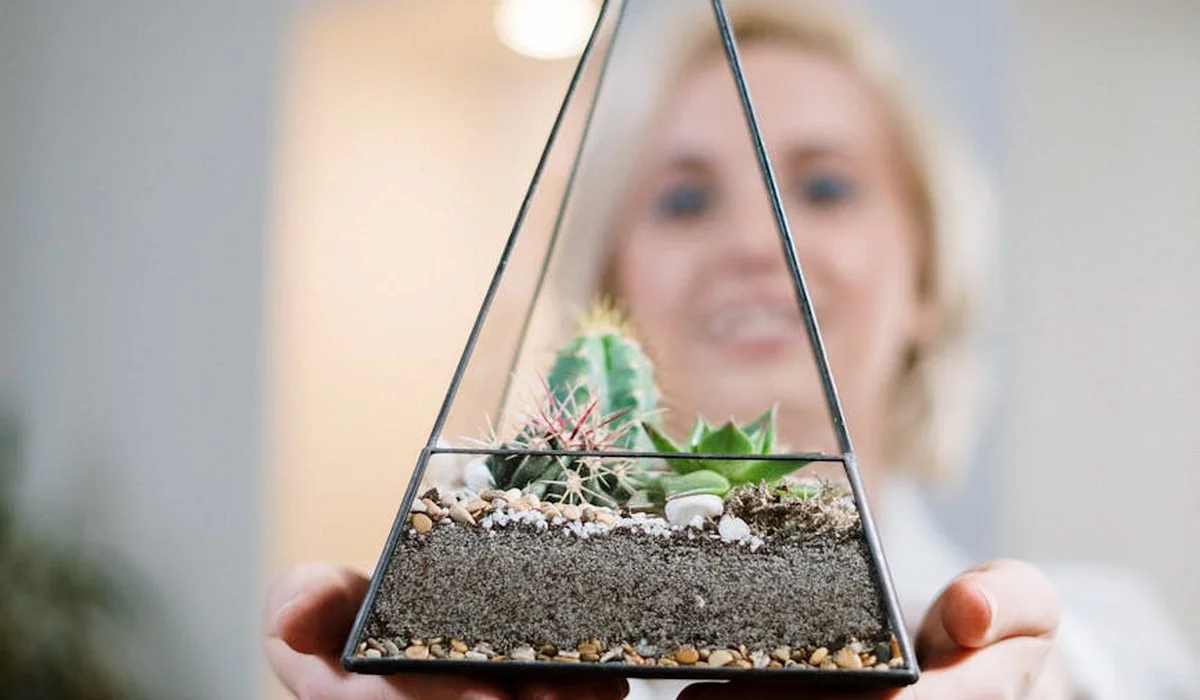
Your first job is to give the old tank a spa day, but with more scrubbing and less relaxing. You must remove every trace of its aquatic past. I use a 1:10 solution of white vinegar and water to dissolve hard water stains and any lingering mineral deposits. This is exactly the kind of technique you’ll find in our complete step-by-step guide on removing hard water stains from aquariums. It covers prep, scrubbing, rinsing, and post-cleaning care to prevent re-staining. A spotless, residue-free tank is non-negotiable for the health of your future plants and clean-up crew.
Next, perform a thorough safety check on the silicone seals. Look for any cloudiness, peeling, or bubbles along the seams. Gently press on the silicone with your fingernail; it should be firm and springy, not brittle or mushy. A leak in a terrarium can cause root rot and create a muddy disaster.
Step 2: Building a Drainage System
This step is what separates a thriving terrarium from a swamp. You are building a miniature version of what happens in healthy soil outdoors. I start with a 1.5 to 2-inch layer of aquarium pebbles or LECA (Lightweight Expanded Clay Aggregate) at the very bottom.
On top of this, you place a barrier to prevent your soil from washing down and mixing with the drainage layer. I prefer a single layer of fiberglass window screen mesh; it’s cheap, easy to cut, and won’t rot. This drainage layer is your secret weapon against overwatering, acting as a reservoir for excess moisture so plant roots never sit in water.
Step 3: Adding Substrate and Soil Layers
Now for the foundation of your entire ecosystem. Do not use potting soil from a bag-it’s often too rich and can introduce pests or mold. A proper terrarium substrate is a custom mix. My go-to recipe is:
- 60% peat moss or coconut coir (for moisture retention)
- 30% orchid bark (for aeration and structure)
- 10% horticultural charcoal (to keep the soil fresh and filter toxins)
The depth of your substrate depends on your plants. For small terrarium plants, a 3-4 inch layer is perfect. Slope the substrate to be higher in the back and lower in the front; this creates a more natural-looking landscape and improves visibility.
Step 4: Installing Lighting and Ventilation
Forget the bright, hot lights you might use for a reef tank. Most terrarium plants thrive with moderate, indirect light. LED grow lights are ideal because they produce little heat. Position the light above the tank, not inside it, and aim for a photoperiod of 10-12 hours using a simple timer. This approach is a core part of our complete guide to setting up aquarium lighting. In that guide, we cover spectrum, intensity, and timer options to tailor lighting to your tank’s plants and livestock.
Ventilation is critical. A completely sealed aquarium will quickly become a moldy, stagnant box. If you are using a glass lid, prop up one corner with a small piece of foam or use a mesh screen top to allow for consistent air exchange. This airflow prevents fungal issues and gives your plants the fresh carbon dioxide they need.
Designing Your Terrarium Environment
Selecting Plants for Success
Choosing the right plants is like picking tank mates—they need to get along and have similar needs. Stick to plants that enjoy high humidity and stay relatively small. Mix textures and heights for visual interest. In our complete guide, you’ll learn how to choose the best plants for your aquarium. It covers compatibility with your fish and setup to help you decide with confidence.
- For Ground Cover: Baby’s Tears, Pellionia repens, or Mosses. They carpet the soil beautifully.
- For Mid-Height Interest: Nerve Plants (Fittonia), Peperomia, and small Pileas. Their colorful leaves add pops of color.
- For Vertical Structure: Miniature ferns and air plants (Tillandsia) attached to driftwood.
Always quarantine and rinse the roots of new plants before introducing them to remove any pesticides or unwanted hitchhikers.
Adding Decor and Hiding Spots
This is where your personal style shines. Use hardscape materials to create a sense of place. Spiderwood, Malaysian driftwood, and cork bark flats are my favorites because they are safe and last for years.
Position these pieces to create caves, overhangs, and different levels. By building up hardscape, you create microclimates; the top of a piece of wood will be drier than the mossy area nestled beneath it. This gives your plants and any small inhabitants, like isopods, more choices for where to thrive.
Finally, add a light misting of water, place your plants, and step back. Your aquatic box has now begun its new life as a lush, miniature world.
Caring for Your New Terrarium
Maintaining Humidity and Moisture Levels
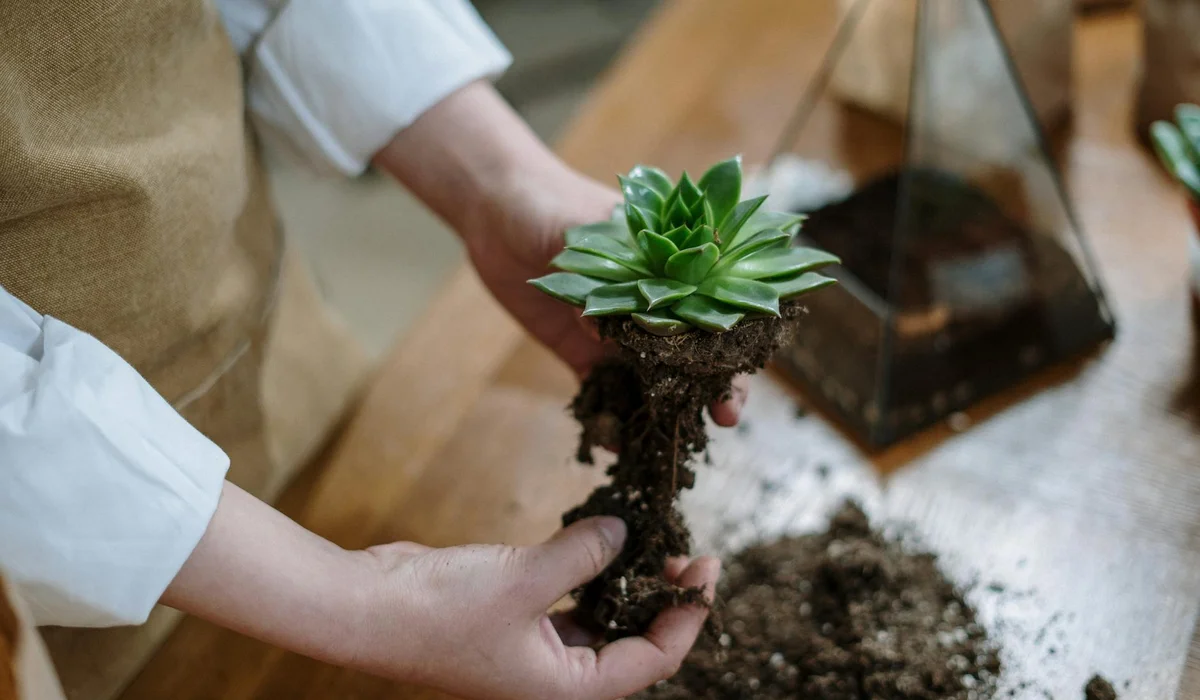
Getting the moisture balance right is the single most important skill for a thriving terrarium. Think of it like managing water parameters for a sensitive fish, but in the air. You need a cycle, not a constant state of saturation.
A consistent cycle of condensation, where the glass fogs in the morning and clears by afternoon, is your goal for a healthy, self-regulating environment. If the glass is permanently wet, you have too much water and risk mold.
I rely on a simple hand test to check moisture levels without any gadgets. Press the soil surface gently. It should feel cool and slightly damp, like a wrung-out sponge, not soggy or bone dry.
- For a closed terrarium, mist only when you no longer see condensation for most of the day.
- Use distilled or reverse osmosis water to prevent ugly white mineral stains on the glass.
- If things are too wet, simply open the lid for a few hours to let excess moisture evaporate.
- For dry, arid setups, a light misting every other day is usually sufficient for most succulents and cacti.
Routine Cleaning and Upkeep
Your maintenance routine shifts from water changes to glass cleaning and plant grooming. It’s less frequent but just as vital for a beautiful display.
A quick weekly wipe of the interior glass with a paper towel wrapped around a chopstick keeps the view crystal clear without disturbing the setup. This prevents algae from ever gaining a foothold.
Prune dead or yellowing leaves as soon as you spot them. I use long, curved aquarium tweezers for this; they offer perfect precision. Removing this decaying matter is crucial-it’s like promptly removing uneaten fish food to preserve water quality.
- Gently turn the top layer of substrate every few weeks to aerate it and prevent compaction.
- Wipe down the exterior glass with a vinegar-water solution to remove water spots and dust.
- Trim back any plants that are growing too large and pressing against the glass lid or walls.
- Check any electronic components, like small LED lights, for moisture buildup during your cleaning session.
Troubleshooting Common Conversion Issues
Dealing with Mold and Poor Drainage
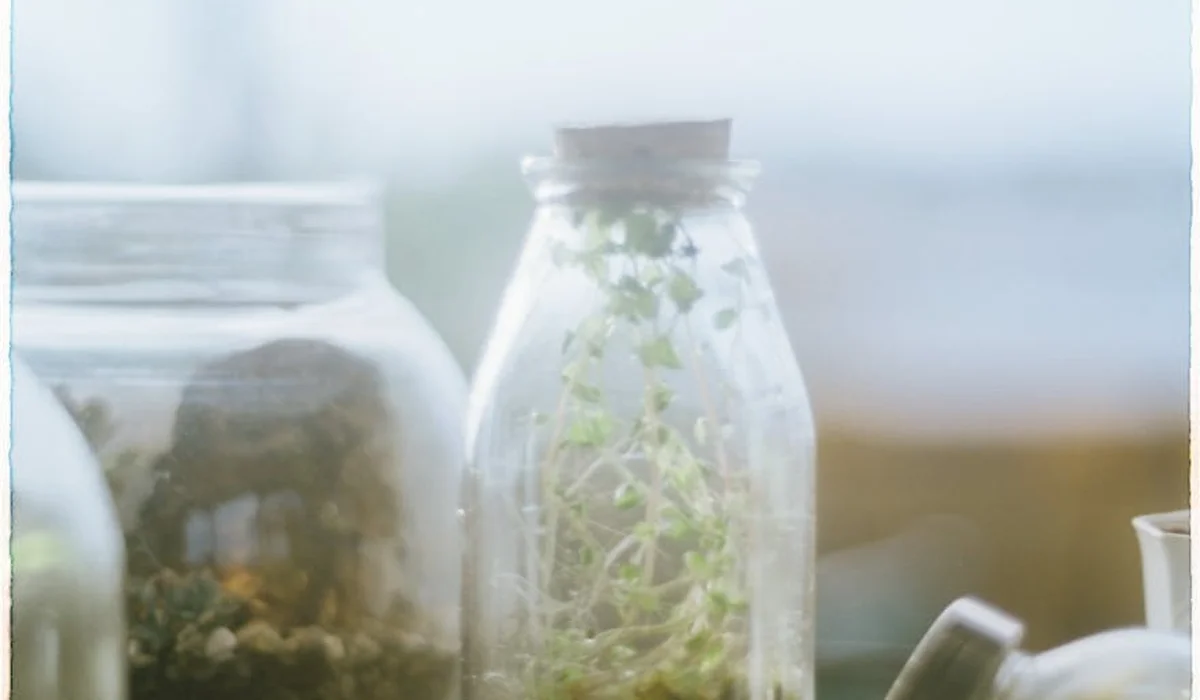
Seeing white, fuzzy mold is a common scare, but it’s often a simple fix. It usually means there’s not enough air circulation and too much organic material is staying wet.
An immediate solution is to physically remove the mold with a spoon and increase ventilation by propping the lid open for a day or two. I also add a cleanup crew of springtails, which are tiny insects that devour mold and fungi without harming plants.
Poor drainage is the root cause of many terrarium failures. If you skipped the drainage layer, you might see a pool of water at the bottom. You can carefully tip the tank to siphon this out with airline tubing, just like a mini aquarium water change.
- Add a half-inch layer of horticultural charcoal between your drainage rocks and soil; it acts as a natural filter and purifier.
- Ensure your false bottom or drainage layer is at least 1.5 inches deep for a standard 10-gallon tank conversion.
- If soil is consistently waterlogged, mix in more perlite or orchid bark to improve aeration and drainage.
Adjusting for Plant Health
Plants communicate their needs clearly if you know what to look for. Yellowing leaves often scream overwatering, while brown, crispy tips usually beg for more humidity.
Leggy, stretched-out growth is a sure sign your plants are desperate for more light, and you should move the terrarium to a brighter location or upgrade its lighting. I’ve found that a simple, inexpensive LED grow light placed above the tank solves most light-related issues.
Don’t be afraid to move plants around. If one isn’t thriving in a corner, dig it up with a spoon and try a new spot. Terrarium scaping is a dynamic process, not a one-time event.
- Fertilize very sparingly, using a diluted liquid fertilizer at one-quarter strength, no more than once every few months.
- Rotate the entire terrarium a quarter-turn every week so all plants receive even light and don’t grow lopsided.
- If a plant continually struggles, it might be the wrong species for your conditions; replace it with something more suitable.
FAQs
What is an aquarium to terrarium conversion kit?
An aquarium to terrarium conversion kit typically includes components like a new lid, lighting, and ventilation systems to adapt your tank for terrestrial use. These kits can simplify the process by providing specialized parts, but many hobbyists prefer sourcing individual items for a custom setup. Choosing between an all-in-one kit versus custom DIY setup often comes down to convenience versus customization. All-in-one kits offer quick, plug-and-play solutions, while a DIY approach lets you tailor humidity, airflow, and aesthetics to your exact needs. They are designed to help maintain proper humidity and airflow, which are crucial for plant health in a terrarium environment.
Can I convert a 55-gallon aquarium into a terrarium?
Yes, a 55-gallon aquarium is well-suited for conversion due to its spacious interior, allowing for diverse plant arrangements and hardscape features. Ensure the tank is clean and the silicone seals are intact to handle the weight of substrate and decorations. You may need a larger conversion kit or additional materials to cover the increased surface area effectively. To grow and propagate aquarium plants successfully, ensure adequate lighting and a nutrient-rich substrate. Regular trimming and careful spacing will help new shoots take hold and spread.
Are aquarium to terrarium conversion kits available on Amazon?
Yes, Amazon offers a variety of conversion kits that include essentials like mesh lids, LED grow lights, and humidity gauges. When selecting a kit, verify the dimensions match your tank size and read customer reviews for reliability. This can be a convenient starting point, but always cross-check product details to ensure compatibility with your specific project needs.
Can I use a converted aquarium as a terrarium for a turtle?
While an aquarium can be repurposed, it may not fully meet a turtle’s needs without modifications like a basking area, UVB lighting, and secure ventilation. Turtles require specific environmental controls that standard terrarium setups might lack, so research your species’ habitat requirements thoroughly. For safety, consider dedicated turtle terrarium kits or consult expert advice to avoid health issues.
Enjoy Your New Mini-Ecosystem
The most vital steps are creating a proper drainage layer and choosing plants that thrive in the high-humidity environment your sealed tank creates. A successful conversion hinges on matching your lighting and watering routine to the specific needs of your new terrarium plants.
Responsible pet ownership means always finding the best possible environment for every creature, even when that means repurposing a habitat. The world of aquariums, fishkeeping, and terrariums is vast, so keep asking questions and learning from the experiences of others in the community.
Further Reading & Sources
- Thrive Ecosystems Aqueon Aquarium Conversion Kit
- Aquarium Conversion Kits – I Heart Geckos
- Turn an Aquarium into a Terrarium: 9 Super Easy Steps!
- How to Make a Terrarium in a Fish Tank [Aquarium Sea-Crets]
- Converting aquariums to front opening terrarium? | Dendroboard
Lia is an expert in aquarium and pet fish care. Having worked in the marine industry and having cared for multiple pet fish, she has acquired first hand expertise on aquarium care, maintenance and setup. She always brings her practical expertise and science to help solve any aquarium related queries.
DIY Projects