
The Aquarist’s Guide to Safe, Stunning Driftwood: No More Tannins or Floaters!
Hello fellow aquarists. You found that perfect piece of driftwood, but now you’re staring at it, wondering how to stop it from turning your tank into iced tea or stubbornly bobbing on the surface.
I’ve been there, and I’m here to guide you through the entire process. This guide will walk you through everything you need to know, from that initial scrub to long-term tank harmony.
We will cover:
Selecting the perfect type of wood for your specific aquarium setup,
A step-by-step cleaning and sterilization process to ensure it’s safe for your fish,
Reliable methods to waterlog even the most buoyant piece of wood, and
Managing the release of tannins, whether you want a blackwater biotope or crystal-clear water.
Additionally, when building a DIY aquarium stand, prioritize wood safety—use sturdy, moisture-resistant lumber and seal joints. Always load-test the stand before setting up your tank.
I’ve prepared dozens of pieces over years of maintaining high-tech planted tanks and breeding sensitive fish.
Why Proper Driftwood Preparation Protects Your Aquarium
Skipping the preparation process is one of the fastest ways to create an unstable environment for your fish. I learned this the hard way with a beautiful piece of wood that turned my tank into an unsightly cup of tea overnight. Properly preparing driftwood prevents three major problems: water discoloration, chemical contamination, and floating wood.
Untreated wood leaches tannins, which stain the water a yellowish-brown. While this “blackwater” effect is harmless for some species, it blocks light, obscures your view, and can stress fish that prefer crystal-clear conditions. Beyond the color, wood collected from nature can harbor pesticides, pollutants, or harmful bacteria. A thorough cleaning and soaking process removes these invisible threats, ensuring your fish aren’t exposed to toxins. When you clean, use soft, non-abrasive tools to avoid scratching the tank’s glass or acrylic. Gentle scrubbing helps preserve clarity and reduce stress for the fish.
Dry driftwood is buoyant. If you don’t water-log it first, it will float, potentially knocking over your delicate aquascape and stressing your fish. Soaking it until it sinks saves you the frustration of trying to weigh it down with rocks. Taking the time to prepare your wood correctly is a non-negotiable step for a healthy, beautiful aquarium.
Gathering Your Driftwood Cleaning Toolkit
You don’t need fancy equipment to get your driftwood ready. Most of these items are probably already in your home. Having everything on hand before you start makes the process smooth and efficient.
- A sturdy scrub brush with firm bristles
- A new, clean 5-gallon bucket (never one used for chemicals)
- A pot dedicated solely to aquarium use
- A reliable thermometer
- Fresh, clean water (dechlorinated is best for soaking)
This simple toolkit is your first line of defense against introducing dirt and contaminants into your established tank environment. I keep a specific pot and bucket in my fishkeeping supplies so I never have to worry about soap or chemical residue. These are essential aquarium cleaning supplies for maintaining a clean, safe habitat. Using dedicated containers helps prevent soap or cleaners from entering the water.
Choosing Aquarium-Safe Driftwood Types
Not all wood is created equal for aquarium use. Some types rot quickly or leak excessive amounts of tannins. Your safest bets are hardwoods that are dense and decay-resistant. Here are the most common and reliable types you’ll find. For bamboo in particular, consult our Bamboo Safe Aquariums Complete Care guide for guidance on safe varieties, prep, and ongoing maintenance. It also explains which bamboo options work best in tanks and how to minimize tannins and rot.
- Mopani Wood: Extremely dense, sinks quickly. It has a beautiful two-tone color but can leach tannins for a long time.
- Malaysian Driftwood: Very popular, sinks easily, and has a dark, gnarled appearance. It’s a great long-term choice.
- Manzanita: Known for its attractive, twisting branches. It’s low in tannins and sinks after a relatively short soaking period.
- Spider Wood: Creates an intricate, root-like structure perfect for aquascaping. Be prepared for a significant initial tannin release.
You should always avoid softwoods like pine and cedar, as they contain sap and resins that are toxic to fish. For aquascapes, the best driftwood types for aquascapes are those that sink reliably and add natural texture. Before using them, prepare driftwood by washing, boiling, and soaking to purge tannins and parasites and to help it sink. When in doubt, purchase your driftwood from a reputable aquarium store rather than collecting it yourself. This guarantees it’s an aquarium-safe species and reduces your risk.
Step-by-Step Driftwood Cleaning and Sterilization
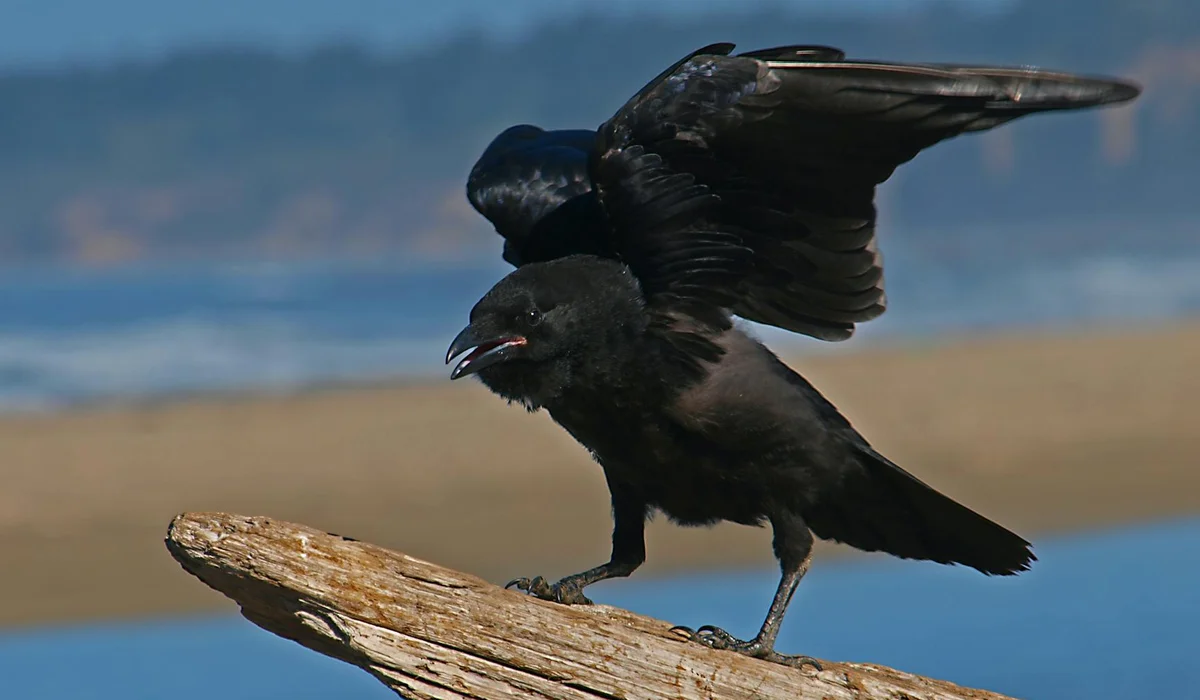
Cleaning driftwood is your first defense against introducing pests or cloudiness into your aquarium. Proper sterilization prevents harmful bacteria and parasites from harming fish like my responsive betta, Captain Fin. Start by inspecting the wood for loose bark or debris.
How to Boil Driftwood for Aquarium Use
Boiling is my go-to method for most driftwood because it kills organisms and speeds up waterlogging. I’ve found that boiling not only sanitizes the wood but also reduces the tannin release that can discolor your water. Follow these steps for best results.
- Rinse the driftwood under running water to remove visible dirt and dust.
- Place it in a large pot, ensuring it’s fully submerged-add weights if needed.
- Bring to a boil and maintain a rolling boil for at least 1-2 hours, depending on size.
- Allow the wood to cool completely before handling, then give it a final rinse.
For larger pieces that won’t fit in a pot, I use a bucket and repeatedly pour boiling water over them. This method still effectively sterilizes without needing a giant container.
When to Use Bleach for Sterilization
Reserve bleach for driftwood with stubborn algae, mold, or that you suspect came from a contaminated source. Bleach sterilization is powerful but requires careful handling to avoid harming your aquatic friends like Shadow, my shy corydoras. Always use unscented household bleach.
- Create a solution of 1 part bleach to 9 parts water in a well-ventilated area.
- Soak the driftwood for 10-15 minutes, no longer to prevent wood damage.
- Rinse thoroughly under running water to remove all bleach residues.
- Soak the wood in dechlorinated water with a dechlorinator for 24 hours to neutralize any remaining bleach.
I only use bleach on non-porous woods and always test with a chlorine test kit afterward. Overusing bleach can leave traces that stress fish, so I prefer boiling whenever possible.
Soaking and Curing Driftwood to Manage Tannins
Tannins naturally leach from driftwood, tinting water a tea-like brown and slightly lowering pH. While some fish, like tetras, enjoy the softer water, the discoloration might not suit every aquascape. Soaking helps control this before adding wood to your tank. In blackwater aquariums, tannins are part of humic substances that help recreate natural river habitats with tea-colored water. Careful management of their release lets you tailor tint and the soft, acidic conditions to suit your livestock.
I use a separate container filled with dechlorinated water for soaking. Changing the water every few days accelerates tannin removal and prevents stagnation. For my goldfish Goldie’s tank, I aim for crystal-clear water, so I soak until the water stays clear.
How Long to Soak Driftwood for Aquarium Readiness
Soaking time varies based on wood type and size-dense woods like mopani take longer. Most driftwood needs 2 to 4 weeks of soaking to become waterlogged and stop releasing significant tannins. Test readiness by placing it in a bucket; if the water remains clear after a week, it’s likely safe.
- Light woods (e.g., spider wood): 1-2 weeks of soaking.
- Dense woods (e.g., mopani): 3-4 weeks or more.
- Small pieces: May be ready in under a week with frequent water changes.
I once soaked a large piece for a month for my community tank, and the patience paid off with no water issues. Rushing this step can lead to ongoing tannin release that requires more filter maintenance.
Troubleshooting Common Driftwood Issues
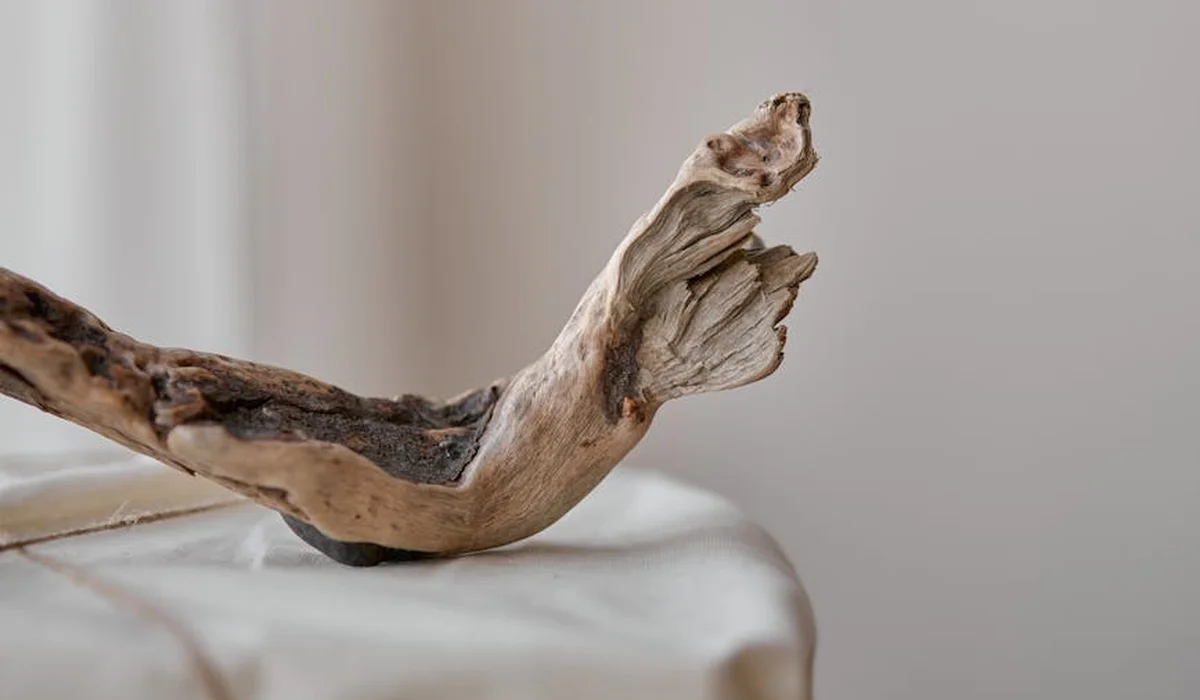
Even with careful preparation, driftwood can throw a few curveballs your way. Don’t worry, most issues have simple fixes that I’ve tested in my own tanks over the years. Let’s tackle the two most frequent headaches so you can get back to enjoying your aquarium.
Fixing Buoyancy and Sinking Problems
That beautiful piece of wood bobbing on the surface like a cork is a common frustration. Driftwood is porous and full of trapped air, which makes it incredibly buoyant until it becomes fully waterlogged. I’ve had mopani wood that refused to sink for over a month, testing my patience.
Here is my go-to process for winning the sinking battle:
- Give it a prolonged boil. Submerge the wood in a large pot and boil it for 1-2 hours. This forces air out of the pores.
- Soak it in a bucket or container. Use a heavy rock or brick to weigh it down completely underwater. Change the water every day to help leach out tannins simultaneously.
- If it’s still being stubborn, get creative in the tank. You can securely wedge it between stable rocks or use a dab of aquarium-safe silicone to attach it to a flat, heavy stone.
For very large or stubborn pieces, I sometimes resort to drilling a small hole and inserting a stainless-steel screw into a base rock, hidden from view. The key is to ensure it’s secure so it doesn’t topple and stress your fish or crack the glass.
Handling Tannins and Water Discoloration
The first time I saw my crystal-clear water turn the color of weak tea, I was concerned. Tannins are natural organic compounds released by wood, and this discoloration is perfectly normal and safe for most fish. In fact, many species from blackwater habitats, like neon tetras, thrive in tannin-stained water.
If you prefer the look of pristine water, you have a few effective options to manage the tint.
- Boil the wood multiple times. Each boil will extract more tannins, and you’ll see the water in the pot darken significantly.
- Use chemical filtration. Adding activated carbon or purigen to your filter media will actively absorb the tannins, clearing the water within a day or two.
- Perform consistent partial water changes. Replacing 20-30% of the tank water weekly will gradually dilute the tannin concentration.
I find that a combination of pre-soaking and carbon in the filter gives me the clearest water for my community tank. The hum of the filter working with fresh carbon brings back that sparkling clarity I love.
Final Steps for Aquascaping with Prepared Driftwood
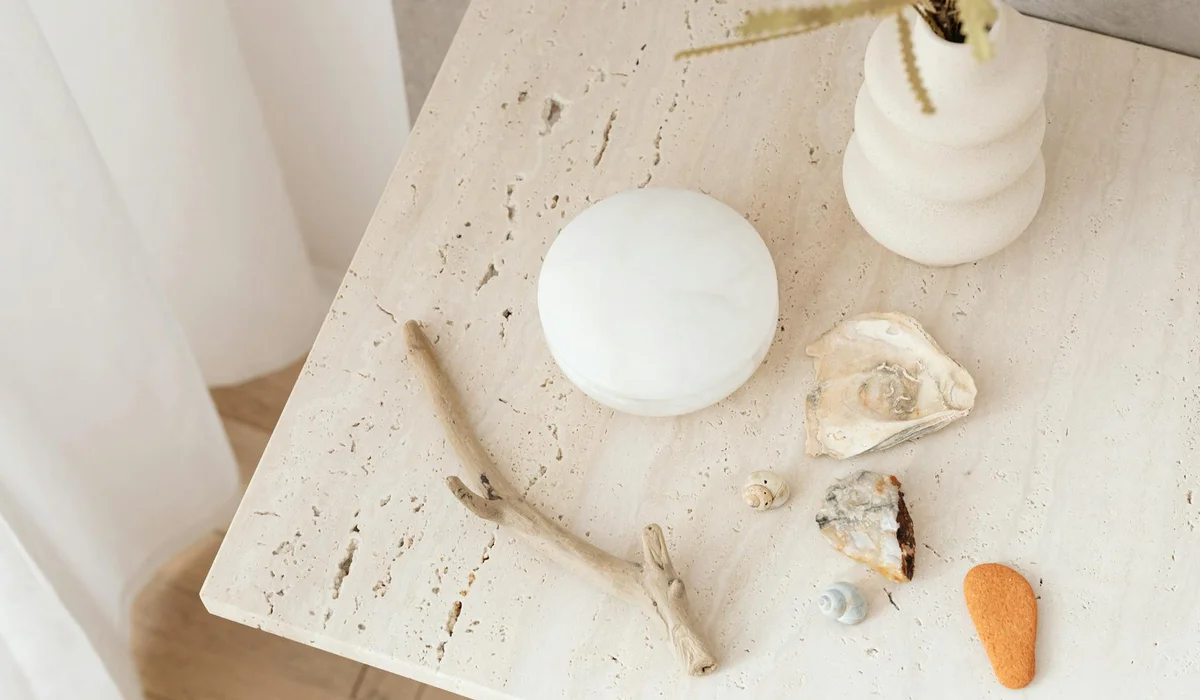
Now for the fun part-transforming your tank into a living work of art. Placing your prepared driftwood is where your personal vision for the aquascape comes to life. Think about the flow, the hiding places for fish like Shadow the Corydoras, and the overall balance.
Follow these steps to ensure a stable and beautiful setup:
- Give the wood a final rinse with dechlorinated water to remove any loose debris.
- Place the hardscape on the empty tank bottom before adding substrate. This lets you find the perfect angle and ensures a solid foundation.
- Bury the base of the wood slightly in your substrate or anchor it with larger stones to prevent any shifting.
- Attach live plants. Use cotton thread or a dot of cyanoacrylate super glue to secure plants like Java Fern or Anubias to the wood’s surface.
I always step back and view the layout from the front, making sure it creates depth and interesting lines for the eye to follow. The shimmer of fish scales against the dark, textured wood is a reward for all your preparation work.
FAQs
What do Reddit users commonly advise for preparing driftwood quickly?
Reddit communities often recommend multiple short boiling sessions instead of one long boil to accelerate waterlogging. They also suggest using purigen in filters for faster tannin removal, but emphasize that rushing can lead to floatation or water issues. Always prioritize safety over speed to protect your aquarium inhabitants.
Are there any household items I can use for DIY driftwood preparation?
For DIY approaches, some aquarists use white vinegar rinses or baking soda soaks to help clean driftwood superficially. However, these methods are not replacements for thorough sterilization like boiling and may leave residues if not rinsed well. Stick to proven techniques with dedicated aquarium tools to avoid harming your fish, especially when disinfecting and sanitizing your fish tank.
How can I ensure my driftwood is safe for sensitive fish like shrimp or bettas?
For delicate species, boil the wood extensively to eliminate any hidden bacteria or parasites that could cause stress. Soak it until no tannins are released to prevent sudden water parameter changes, and sand down any sharp edges to avoid physical injuries. Testing the wood in a separate container before adding it to the main tank provides an extra layer of security.
What is the role of duration in driftwood preparation, and can it be shortened?
Duration is critical for waterlogging and tannin leaching, as it allows the wood to stabilize and become aquarium-safe. While you can’t drastically shorten it, frequent water changes during soaking and using boiling methods can help reduce the time needed. Impatience often results in ongoing issues like discoloration or buoyancy, so allow adequate time for each step.
Ready for a Stunning, Natural Aquarium?
Always boil or thoroughly soak your driftwood to remove tannins and sterilize it, preventing cloudy water and protecting your fish. Cloudy water can stress fish, reduce oxygen, and invite disease, sometimes even killing them. These health risks are explained below. Proper preparation ensures your hardscape is both beautiful and safe for your entire aquatic community.
Caring for an aquarium is a journey of ongoing discovery and responsibility for your pets’ well-being. Stay curious, keep learning about water quality and fish care, and your tank will thrive for years to come.
Further Reading & Sources
- Aquarium driftwood- the touch of nature
- Aquarium Wood
- How do I stop driftwood from leaching tanins? – General Chat – Aquarium Co-Op Forum
- Aquarium Driftwood Questions Answered – DustinsFishtanks
- Driftwood in Aquariums – What You Should Know | Felix Smart
Lia is an expert in aquarium and pet fish care. Having worked in the marine industry and having cared for multiple pet fish, she has acquired first hand expertise on aquarium care, maintenance and setup. She always brings her practical expertise and science to help solve any aquarium related queries.
Aquascaping