
Crystal Clear Aquarium Glass: Your Simple Guide to When and How to Clean
Published on: January 19, 2026 | Last Updated: January 19, 2026
Written By: Lia Annick
Hello fellow fish keepers, I know that hazy film on your tank glass can be a real eyesore, blocking your view of Captain Fin’s vibrant colors or Goldie’s playful antics. Getting the cleaning frequency right is key to a stunning, healthy aquarium without constant work.
This guide will cover the essential aspects you need to know, including:
- Key factors like light, fish load, and plant health that change how often you clean
- Safe tools and step-by-step methods to avoid harming your fish or glass
- Easy signs your tank is begging for a wipe, from algae type to water clarity
- Common mistakes that waste time or risk your aquarium’s balance
I’ve spent years running high-tech planted tanks and breeding fish, so I’ve tested what works to keep that view perfect.
Understanding Aquarium Glass Cleaning Frequency
Figuring out the perfect cleaning schedule is less about a strict calendar and more about learning your tank’s unique rhythm. The goal is to maintain that crystal-clear view without stressing your fish with constant maintenance. In this complete guide on how often you should clean your aquarium filter, you’ll learn practical intervals and proper steps to keep water quality stable. That way you can stick to a sane schedule without guesswork.
- Key Factors That Determine Cleaning Frequency
- Algae Growth Rate: This is your number one indicator. A tank bathed in bright light for 10+ hours will need cleaning far more often than one in a dimly lit room.
- Tank Size and Bioload: More fish and a smaller tank equals more waste, which fuels algae. My 20-gallon community tank needs weekly attention, while my 5-gallon betta tank stays cleaner longer.
- Type of Algae: A light green film on the glass is easy. Stubborn green spot algae or black beard algae requires more aggressive, less frequent scraping.
- Filtration and Flow: Good water circulation helps prevent algae from settling on the glass in the first place.
| Tank Type | Typical Cleaning Frequency | Notes |
|---|---|---|
| Low Maintenance (e.g., low-tech planted, low fish load) | Every 2-3 weeks | You might just wipe the front pane. Algae grows slowly. |
| High Maintenance (e.g., high-light planted, heavy feeding, goldfish) | Weekly or even twice weekly | Consistent film or spot algae appears quickly. Goldie’s tank is a weekly chore! |
- Adopt a Flexible Schedule
- For most aquarists, a light wipe-down once a week during your partial water change is the sweet spot.
- Reserve a more thorough, edge-to-edge scrape for a monthly deep clean.
Your eyes are the best tool you have-if you notice a haze building up, it’s time for a quick clean.
Factors That Change Your Cleaning Schedule
- Lighting Duration and Intensity: My high-tech planted tank with its powerful light runs on a strict 6-hour photoperiod. Any longer, and I’d be scraping green dust algae daily.
- Water Quality (Nitrates): Algae thrives on excess nutrients. If your nitrates are consistently above 20 ppm, you’re essentially fertilizing the glass. Regular water changes are a preventative clean.
- Fish Species and Feeding: Fish like my Oranda Goldfish, Goldie, are messy. They produce more waste, which directly impacts algae growth. Overfeeding any fish will have the same effect.
I learned this the hard way when a bacterial bloom turned my water milky, making me realize the glass wasn’t dirty-the water was.
Creating Your Personal Cleaning Routine
- Each day you feed your fish, take a moment to look at the glass from a side angle. This reveals a faint haze you might miss head-on.
- Run your finger down the front pane. If it comes away slimy or you feel grit, it’s cleaning time.
- Look for the first signs of green spots, especially near the substrate and waterline. Catching them early makes removal effortless.
Consistency is your greatest ally; a quick 30-second wipe during water changes beats a stressful hour-long scraping session every month.
Essential Tools for Cleaning Fish Tank Glass
- Magnet Cleaners: Fantastic for daily or weekly maintenance without getting your hands wet. The internal magnet is safe for acrylic, but you must be vigilant about trapping sand.
- Razor Blade Scrapers (Glass Tanks Only): My go-to for stubborn green spot algae. Nothing else cuts through it as cleanly. Never use on acrylic-it will scratch deeply.
- Plastic/Algae Scrapers: A safer, versatile option that works on both glass and acrylic. They require a bit more elbow grease for tough jobs.
- Soft Melamine Pads (Magic Erasers): Ensure they are fragrance-free. These are brilliant for wiping away that soft biofilm on the glass and are very budget-friendly.
- Old Gift Cards: A perfect DIY scraper for gentle cleaning. They are free and work surprisingly well on softer algae films.
Having the right tool for the job turns a tedious chore into a simple, satisfying part of your aquarium hobby.
Magnet Cleaners and How to Use Them Safely
- Always place the external magnet on the glass first, then gently guide the internal piece into place directly opposite it. This prevents it from crashing down.
- Move the cleaner slowly and deliberately. Jerky, fast motions can allow a grain of substrate to get caught and dragged across the glass.
- Before each use, wipe both sides of the cleaner with your fingers to remove any debris. I learned this after a single grain of sand left a fine, permanent scratch on my first tank.
- For the corners, lift the cleaner off the glass completely rather than trying to force it into a tight angle.
A slow, mindful approach with a magnet cleaner keeps your glass pristine and scratch-free for years.
Scrapers, Brushes, and Pads
- Use a razor blade scraper for the tenacious green spot algae that magnet cleaners just glide over. Hold the blade at a 45-degree angle for the best results.
- A soft-bristled brush is perfect for scrubbing around delicate plant leaves attached to the glass or for cleaning the tight seams in the corners.
- Keep a soft melamine pad handy for a quick wipe of the exterior glass to remove water spots and fingerprints, giving your tank a professional finish.
- For a truly budget-friendly option, that old gift card works wonders on the initial slime layer, and a filter sponge cut into a small square makes a great reusable wiping pad.
I keep a razor scraper for my monthly battle with green spots and a magnet cleaner for the weekly film-this two-tool system covers all my needs.
The Best Method to Clean Fish Tank Glass
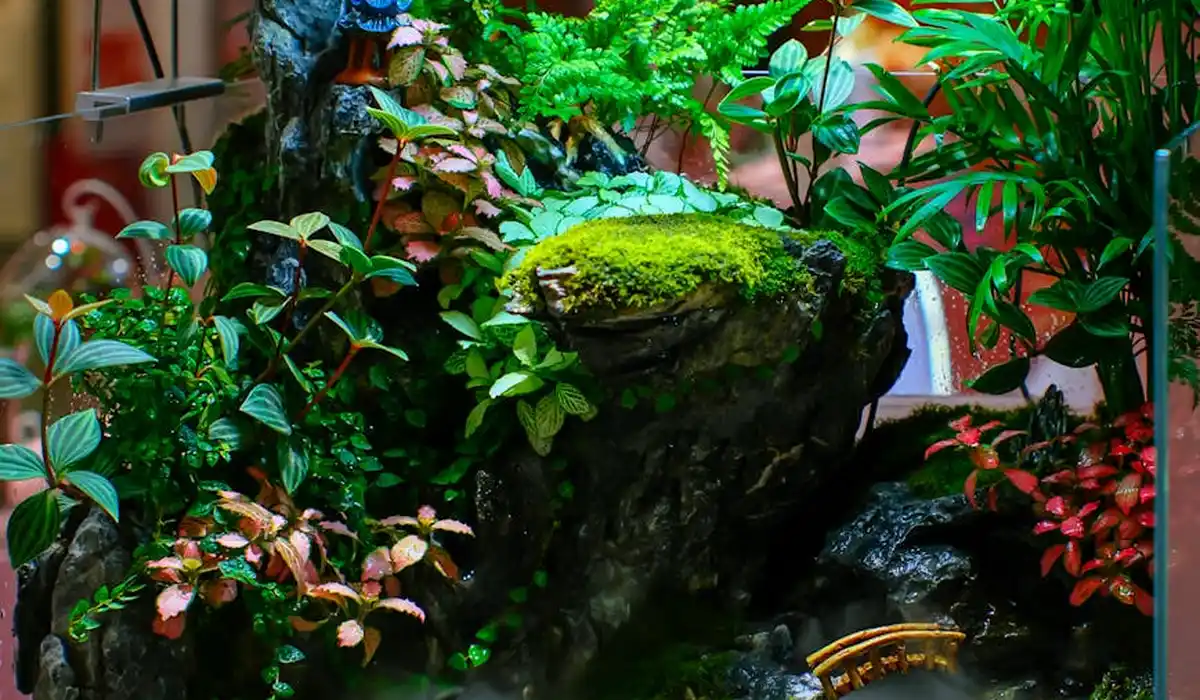
- Proper glass cleaning is about more than just clarity; it’s a core part of maintaining a healthy environment for your fish. A good routine prevents stress and keeps your view of Captain Fin’s iridescent shimmer or Shadow’s quiet explorations perfectly clear.
Step 1: Preparing Your Tank and Tools
- Unplug your heater, filter, and any wavemakers to protect them and ensure your safety.
- Gather your tools: a dedicated algae scraper or magnet cleaner, a clean bucket for water changes, and soft, lint-free cloths.
- Have a siphon hose ready, as cleaning the glass often pairs perfectly with your regular water change. This preparation turns a simple wipe-down into a powerful maintenance session that supports your tank’s entire ecosystem.
Step 2: Cleaning the Inside Glass
- Start with a magnetic cleaner for deeper tanks, using slow, overlapping passes to dislodge the biofilm.
- For stubborn spots, a plastic blade scraper works wonders without scratching the glass.
- Always move your tools gently and deliberately to avoid startling bottom-dwellers like my Corydoras, Shadow. A calm, steady hand is your best tool for keeping fish stress-free during cleaning.
Step 3: Wiping the Outside and Final Touches
- Use a cloth dampened with distilled white vinegar or plain water to wipe the outside glass and lid.
- Dry immediately with a separate microfiber cloth to achieve a perfect, streak-free shine.
- Plug all equipment back in and admire the crystal-clear view. I always perform this final wipe after my water change is complete to catch any new drips or splashes.
Removing Algae from Aquarium Glass
- A little algae is normal, but a green film can quickly obscure your view of Goldie’s bright orange scales. Understanding why algae grows is the first step to controlling it long-term, not just scrubbing it away week after week.
Identifying Algae Types and Causes
- Green Spot Algae forms hard, small dots and is often a sign of low phosphate levels or too much direct light on the glass.
- Brown Diatom Algae looks like a dusty film and commonly appears in newer tanks or those with high silicate levels.
- Green Water or a fuzzy coat points toward an excess of nutrients and light working together. Spotting the specific type of algae on your glass gives you a direct clue about what to adjust in your tank’s balance.
Effective Algae Removal Techniques
- For daily film, a standard algae pad or magnet cleaner is sufficient.
- For stubborn green spot algae, a razor blade (on glass only!) or even an old credit card works as a fantastic DIY scraper.
- Reduce your photoperiod by an hour or two and ensure you’re not overfeeding. Manual removal combined with addressing the root cause is the only way to win the battle against persistent algae.
Safe Cleaning Products for Your Aquarium

Choosing the wrong cleaner can turn your tank into a toxic soup for your fish in minutes. You must avoid any product not specifically designed for aquarium use, as residues can linger and poison the water column. Soaps, glass cleaners with ammonia, and all-purpose sprays are absolute no-gos; they destroy the delicate balance your fish rely on to breathe. For proper aquarium cleaning maintenance, stick to aquarium-safe products and follow the label directions. Regular water changes and careful glass cleaning help keep the tank’s conditions stable for its inhabitants.
- Diluted white vinegar is my champion for battling hard water stains and general grime.
- Isopropyl alcohol (70%) works wonders on stubborn mineral deposits but requires extreme care and perfect rinsing.
- Specialized aquarium glass scrapers with metal or plastic blades are the only tools that should touch the inside glass.
I once saw a friend use a multi-surface cleaner on the outside of their tank, and a tiny splash got inside; we lost two tetras by morning. That experience taught me that vigilance with chemicals is non-negotiable, even for external surfaces.
Using Vinegar and Other Natural Cleaners
A simple vinegar solution is your best friend for a spotless, fish-safe clean. I mix one part plain white vinegar with four parts distilled or tank water in a clean spray bottle for a perfectly safe and effective glass cleaner. This ratio is strong enough to cut through calcium rings without introducing any harmful additives to your aquatic environment, especially when used to clean hard water stains from glass aquariums.
- Spray the solution onto a clean microfiber cloth or paper towel-never directly onto the tank.
- Wipe the exterior glass thoroughly to remove fingerprints and dust.
- For the inside, apply the solution to your algae pad or scraper, scrub, and then immediately do a partial water change to dilute any vinegar that entered the water.
- Always test any cleaner on a small, bottom corner of the tank first to ensure it doesn’t react with the silicone seals.
My personal tip is to keep a dedicated “aquarium only” spray bottle and cloth to prevent any cross-contamination from household chemicals. This small habit has saved me from countless potential disasters.
Avoiding Common Cleaning Mistakes
Many well-intentioned cleaning habits can actually sabotage your tank’s health. Using soap, even a tiny amount, introduces surfactants that coat fish gills and can cause fatal respiratory distress. I’ve seen it happen, and it’s a heartbreaking, entirely preventable mistake. This is one of the five biggest mistakes owners make when cleaning a fish tank. In the rest of this guide, you’ll see the five common missteps and how to avoid them.
- Avoid abrasive pads or steel wool; they create tiny scratches on the glass that become permanent homes for future algae growth.
- Never use kitchen sponges, as they often harbor soap residue and bacteria from other chores.
- Do not clean the filter media at the same time you scrub the glass; this can remove too much beneficial bacteria at once and cause an ammonia spike.
- Skip the decorative magnets if you have sand substrate; a stray grain caught in the scrubber will grind a deep scratch across your view.
These scratches don’t just look bad; they weaken the structural integrity of the glass over many years, creating potential failure points.
Fixing Foggy Fish Tank Glass
That frustrating, milky haze obscuring your fish can feel like a permanent curtain, but it’s usually a simple fix. A sudden bacterial bloom in fish tanks, often triggered by overfeeding or a filter issue, is the most common culprit for this kind of pervasive cloudiness. It’s the tank’s ecosystem telling you it’s a bit out of balance. Typically, the bloom fades after you adjust feeding and filtration. The water then clears up again.
- Improve your filtration by checking the flow and cleaning or replacing media if it’s clogged.
- Perform a series of smaller water changes (10-15%) over a few days instead of one large, stressful change.
- Vacuum the substrate thoroughly to remove decaying organic matter that fuels the cloudiness.
- Ensure you are not overstocking your tank, as too many fish produce waste faster than bacteria can process it.
Patience is key here; a bloom will often clear on its own in a few days as the bacterial population stabilizes and finds equilibrium.
Common Causes of Cloudy Glass
Identifying the specific type of fog is your first step to a crystal-clear view. A green tint points to a free-floating algae bloom, often fueled by too much light or an excess of nutrients like phosphates in the water. That soupy, greenish murk makes it hard to even see your fish from across the room.
- White or gray cloudiness is typically a bacterial bloom, common in new tanks or after a medication treatment.
- A fine, dusty film on the glass itself is often just plain old diatom algae, also known as “brown algae,” which silicates in new substrates can cause.
- High nitrate levels can sometimes contribute to a general, lingering haze and encourage algae films to form faster.
- Mineral residue from hard water will leave a white, crusty film that requires a vinegar solution to dissolve.
This hazy look is more than an eyesore; it’s a direct reflection of the invisible water parameters you’re managing every day.
Solutions for Clear Visibility
Restoring your crystal-clear view is a straightforward process of targeted actions. Start by manually cleaning the glass with an algae scraper to remove the immediate physical barrier, then address the root cause in the water. This two-pronged approach solves the problem now and prevents it from coming back tomorrow.
- For bacterial blooms, reduce feeding slightly and ensure your filter is running optimally. Time is your best ally.
- For green water algae blooms, black out the tank for 3-4 days (cover it with a blanket) and perform a water change afterward.
- Use a pre-filter sponge on your intake tube to capture floating particles and polish the water.
- Consider adding a water clarifier or a UV sterilizer for persistent, recurring problems that other methods can’t solve.
Don’t panic and tear the whole tank down; stability is what your fish need most, and these gentle fixes almost always work. I’ve cleared up hazy tanks dozens of times without ever moving a single fish. A clean tank helps keep the water stable, so your fish stay in it and stress stays down. Regular cleaning and steady parameters go hand in hand with calm, healthy fish.
FAQs
Can you use vinegar to clean fish tank glass?
Yes, diluted white vinegar is a safe and effective option for cleaning fish tank glass, especially for hard water stains on the exterior. When used properly, it is a safe option for cleaning an aquarium’s exterior without disturbing the water. Mix one part vinegar with four parts water and apply it with a cloth, avoiding direct spraying into the tank. Always rinse thoroughly and perform a water change if any vinegar enters the aquarium to protect your fish.
Is it safe to use magnetic aquarium scrubbers on fish tank glass?
Magnetic scrubbers are safe for glass aquariums and ideal for routine cleaning without submerging your hands. Ensure no sand or debris is trapped between the magnets to prevent scratches on the glass. Move the scrubber slowly and lift it off the glass for corners to maintain a clear, scratch-free view.
How do you remove algae from fish tank glass?
Use an algae scraper or pad designed for aquariums to gently remove algae films, starting with soft options for daily maintenance. For stubborn algae like green spots, a razor blade scraper (glass tanks only) or an old credit card can be effective. Combine manual removal with adjustments to lighting and feeding to prevent regrowth. Make sure to clean the glass properly to keep the aquarium clear.
Why is my fish tank glass foggy and how can I fix it?
Foggy glass is often due to a bacterial bloom, excess nutrients, or algae in the water, not the glass itself. Improve filtration, perform small water changes, and vacuum the substrate to address the root cause. If it’s a green tint from algae, reduce light exposure and consider a UV sterilizer for persistent issues.
So, How Often Is Just Right?
The best cleaning schedule is the one that works for your unique tank, not a rigid calendar date. Establish a simple weekly wipe-down to control biofilm and spot-clean algae as it appears, adjusting your frequency based on your tank’s light, nutrients, and livestock. Some essential maintenance tasks have baseline frequencies for maintenance tasks (testing water, filter checks, and occasional water changes), but the exact cadence depends on your setup. Start with those baselines and fine-tune as conditions change.
Your aquarium is a living system, and learning to read its subtle changes is the most rewarding part of the hobby. Stay observant, keep asking questions, and you’ll build a beautiful, healthy ecosystem where your fish can truly thrive. During your first week, follow this new aquarium survival guide. It walks you through setup, cycling, and daily checks.
Further Reading & Sources
- r/Aquariums on Reddit: How do you clean your glass?
- Aquarium Glass Cleaning – The Good, The Bad, And The Ugly | Green Aqua
- The worlds best glass cleaner – SimplyDiscus
- Clean the Aquarium Glass without Scratching | Reef2Reef
- Steps to cleaning your empty glass aquarium! | Reef2Reef
Lia is an expert in aquarium and pet fish care. Having worked in the marine industry and having cared for multiple pet fish, she has acquired first hand expertise on aquarium care, maintenance and setup. She always brings her practical expertise and science to help solve any aquarium related queries.
Regular Cleaning