
New Tank Syndrome: Why Your Aquarium Water Is Cloudy (And How to Fix It)
Hello fellow aquarists! That first glimpse of a milky, murky tank can really dampen your excitement after setting up a beautiful new aquarium. You’ve followed the steps, but instead of crystal-clear water, you’re staring into a cloudy mess.
This guide will walk you through everything you need to know, covering:
The surprising biological cause of that initial cloudiness,
Safe, effective methods to clear the water without harming your fish,
How to prevent it from ever happening again in future setups.
I’ve guided hundreds of new tanks through this hazy phase, learning what works through years of breeding fish and cultivating lush, stable aquariums.
What Is New Tank Syndrome and Why Does It Cloud Your Water?
New Tank Syndrome is the frustrating period when your aquarium’s biological filtration hasn’t yet developed. It’s like moving into a brand-new house that has no plumbing or electricity. The system looks ready, but it can’t support life yet. The cloudiness you see is a visible cry for help from an unbalanced ecosystem struggling to process waste. So how can you tell when the cycle is complete? Look for signs that your aquarium is fully cycled: ammonia and nitrite should stay at zero, and nitrates should be present but kept at a safe, low level.
This syndrome occurs because the tank lacks a robust colony of beneficial bacteria. These microscopic heroes live in your filter media and substrate, converting toxic fish waste (ammonia) into less harmful substances. Without them, ammonia spikes, stressing your fish and creating that hazy water. Essentially, your tank is trying to build its immune system from scratch, and the cloudy water is a symptom of that battle. Common causes of high ammonia include an incomplete nitrogen cycle, overfeeding, and overstocking. Fix it by cycling the tank and maintaining the filter, reducing feedings, and performing regular water changes to keep ammonia levels in check.
Unraveling the Murky Mystery: Top Causes of Cloudy Aquarium Water
Cloudy water can feel like a guessing game, but it usually boils down to a few key culprits. The color and texture of the cloudiness are your biggest clues. A milky white haze points to one issue, while a green tint points to another. Identifying the correct type of cloudiness is your first and most critical step toward a clear solution.
Bacterial Bloom: The Invisible Army
This is the most common cause of New Tank Syndrome cloudiness. A bacterial bloom is a massive, rapid explosion of beneficial bacteria in the water column itself, not in the filter where they belong. The water turns milky white or grayish. This bacterial party happens when there’s a sudden, abundant food source, like a spike in ammonia from a new fish addition or decomposing food. In many tanks, the cloudiness from a bacterial bloom clears on its own as the bacterial balance settles; you can help speed that up with small water changes and by avoiding overfeeding during the cycle.
While it looks alarming, a bacterial bloom is a sign that nature is trying to correct the imbalance. The bacteria are rushing in to consume the excess nutrients. I’ve found these blooms often clear up on their own within a few days to a week as the bacterial colony stabilizes and moves into the filter media. Resist the urge to do a massive water change, as this can remove the very bacteria you’re trying to cultivate and prolong the cycle. A small 10-15% change is plenty.
Substrate Stir-Up and Overfeeding Fumbles
Sometimes the cause is much simpler. If your water looks dusty or has floating particles after setup, you’re likely dealing with substrate residue. Inorganic sand or dusty gravel needs a thorough rinsing before it goes in the tank. Even with careful rinsing, initial cloudiness is common but will settle within 24-48 hours if your filter is running properly.
Overfeeding, however, is a more persistent problem. Any uneaten food decays, releasing ammonia and phosphates into the water. This not only fuels bacterial blooms but can also trigger green water algae outbreaks. A good rule I live by is to feed no more than your fish can completely consume in two minutes, twice a day. If you see leftovers, you’ve fed too much. Scoop out any excess food immediately to prevent it from fouling your water.
Reading the Signs: How to Diagnose New Tank Syndrome

Testing Your Water: A Simple Checklist
That milky haze in your new tank isn’t just an eyesore; it’s a message. Your aquarium is talking to you, and a liquid test kit is your translator. Testing your water parameters is the single most important step you can take to understand what’s happening in your new ecosystem. Skip the guesswork and grab your kit.
Follow this simple checklist to get a clear picture of your tank’s health:
- Test for Ammonia first. In a new tank, you’re looking for any reading above 0 ppm. Even 0.25 ppm confirms a bacterial bloom is feasting on this toxic waste.
- Check Nitrite levels next. A positive reading here, often accompanied by a slight blueish tint to the cloudiness, means your cycle is progressing but is only halfway complete.
- Finally, test for Nitrate. In a brand-new tank, you’ll likely see 0 ppm. If you have a reading, it’s a fantastic sign that your beneficial bacteria are starting to establish themselves.
I keep a logbook next to my tanks because seeing the numbers change over days is incredibly rewarding. Watching ammonia fall and nitrates rise is the ultimate sign you are winning the battle against New Tank Syndrome. That data is your roadmap to a crystal-clear, healthy aquarium.
Your Action Plan: Step-by-Step Fixes for Cloudy Water
Immediate Relief: Quick Water Adjustments
Seeing that cloud can be alarming, but you can take immediate action to give your fish relief and start clearing the water. The goal here is to dilute the toxins without resetting your fledgling bacterial colony. A partial water change is your best first response, but you must do it correctly to avoid shocking the system.
Here is your quick-action plan for water adjustments:
- Prepare your new water 24 hours in advance. Fill a clean bucket with tap water and add a water conditioner to neutralize chlorine and chloramines. Let it sit to reach room temperature.
- Perform a 20-30% water change. Use a gravel vacuum to siphon water from the tank, which also removes debris from the substrate without deep cleaning it.
- Gently pour the pre-prepared new water back into the tank. Avoid pouring directly onto decorations or plants to keep settled particles from swirling back up.
- Wait 24 hours and test your water again. You should see a noticeable drop in ammonia or nitrite levels. Repeat this process every other day until tests read zero.
I always keep a prepared bucket of water on hand for this exact reason. This simple habit of preparing water ahead of time turns a potential panic moment into a calm, routine maintenance task. Consistency is far more effective than a single, massive water change.
Boosting Your Filter’s Power
Your filter is the heart and lungs of your aquarium, and during New Tank Syndrome, it needs all the help it can get. The cloudiness is caused by free-floating bacteria, and your filter’s job is to remove them from the water column. Never, ever clean or replace your main filter media during a bacterial bloom; that’s where your essential bacteria live. Instead, we can give it a boost. Common filter problems and fixes include reduced flow from blockages, or air getting into the system. Fixes usually involve clearing blockages, cleaning the intake screen, and verifying the pump and return path are unobstructed.
Consider these powerful upgrades to supercharge your filtration:
- Add a pre-filter sponge to your filter’s intake tube. This coarse foam catches large debris before it enters the filter, protecting the delicate biological media inside.
- Introduce a fine-pore polishing pad into your filter’s media chamber. This pad acts like a super-fine net, physically trapping the tiny, cloud-causing bacteria particles as water flows through.
- Use a water clarifier as a last resort. These products clump microscopic particles together, making them large enough for your filter to remove easily. Use them sparingly and according to the label.
The gentle hum of a well-stocked filter is the sound of a healthy tank. By enhancing your filter with these simple additions, you transform it from a simple circulator into a powerful cleaning machine capable of polishing your water to a brilliant clarity. Be patient, and let your filter do the heavy lifting.
Stopping Cloudiness Before It Starts: Prevention Through Cycling
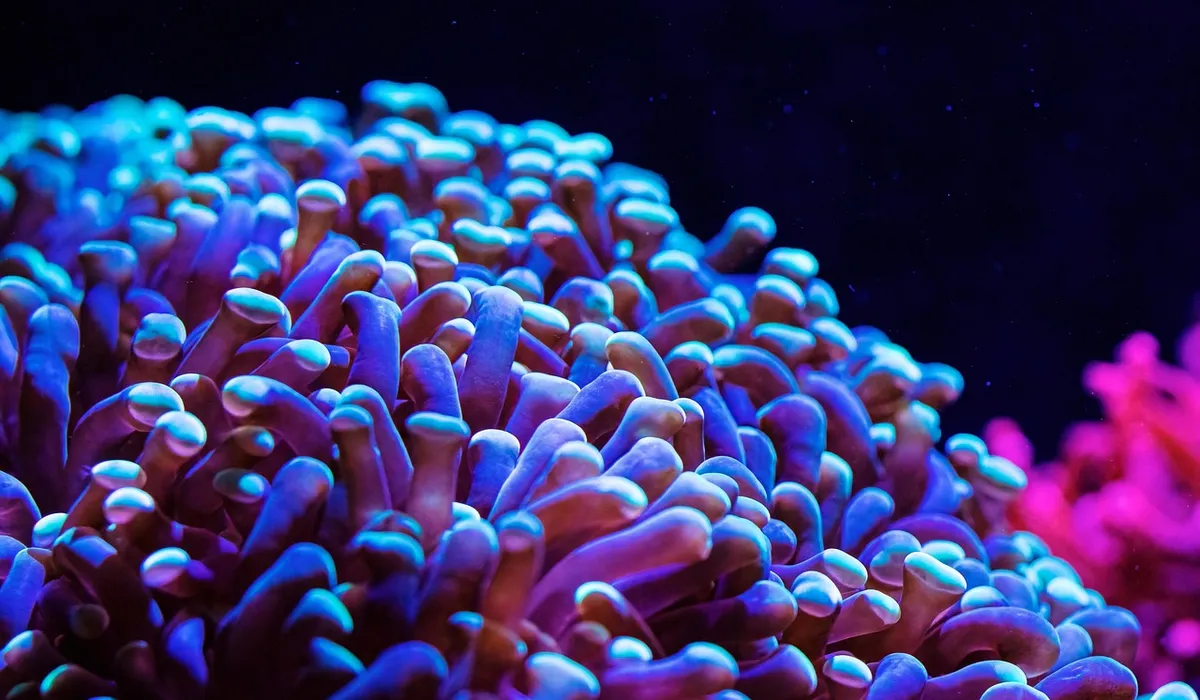
Think of a new aquarium as an empty house. It looks clean, but it’s not yet a home. Cycling is the process of moving in the microscopic tenants-beneficial bacteria-that will do all the cleaning work to keep your fish healthy. Without them, waste builds up, water turns cloudy, and fish get stressed.
Cycling Your Tank: A Beginner-Friendly Guide
You don’t need a science degree to cycle your tank. You just need patience and a simple plan. I always tell new aquarists that cycling is the single most important thing they will do for their aquarium’s long-term health.
Here is the simple, step-by-step method I use for every new tank.
- Set Up Your Tank: Add your substrate, decorations, and plants. Fill the tank with water and turn on your filter and heater. Your filter is the bacteria’s apartment building, so let it run.
- Add an Ammonia Source: This is the bacteria’s food. You have a few options:
- Fishless Cycling (Recommended): Add a few drops of pure household ammonia or a pinch of fish food daily. This is the kindest method as no fish are subjected to toxic water.
- Seeded Media: If you have a friend with an established tank, ask for a used filter sponge or a handful of substrate. This instantly introduces a mature bacterial colony.
- Test Your Water Relentlessly: Use a liquid test kit, not strips, for accuracy. You are waiting for a specific sequence of events:
- Ammonia will appear and then start to fall.
- Nitrite will then spike and eventually drop to zero.
- Nitrate will appear last. This is your signal that the cycle is complete.
- The Finish Line: Your tank is fully cycled when you can add your full ammonia dose and test 0 ppm Ammonia and 0 ppm Nitrite within 24 hours. This process can take 4 to 8 weeks, so don’t rush it. The hum of the filter during this quiet period is the sound of your ecosystem building its foundation.
Special Care for Favorite Fish: Betta and Goldfish Tips
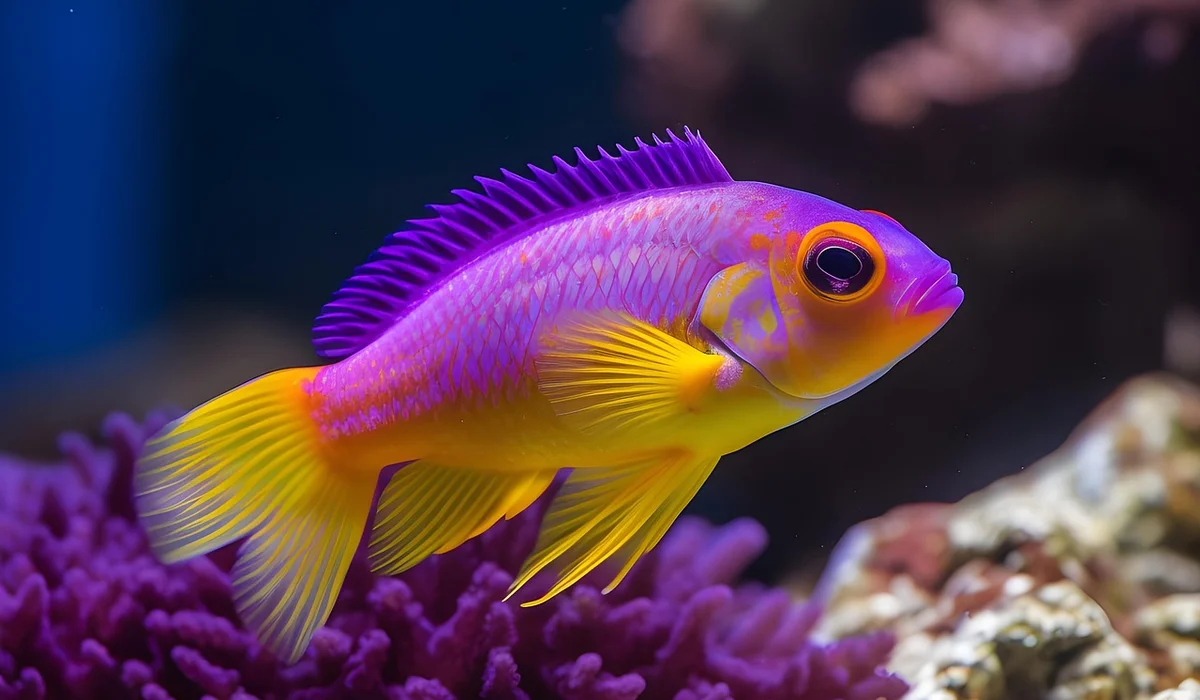
Some of our favorite fish come with unique challenges that can directly lead to cloudy water if not managed. Let’s look at two popular pets.
Betta Fish (Like Captain Fin)
Bettas are often sold as “easy” fish for tiny bowls, but this is a myth that leads to sick fish and cloudy water. Captain Fin, my own feisty Crowntail, thrives because I gave him the right setup from day one. An ideal tank size is the foundation of that setup. For bettas, aim for at least 5 gallons with a gentle filter and stable temperature.
- Tank Size is Everything: A 5-gallon tank is the absolute minimum. Smaller volumes foul too quickly, causing bacterial blooms and stress.
- Warm, Calm Water: Bettas need a heater set to 78-80°F (25-27°C). They also dislike strong currents, so baffle your filter output with a sponge.
- Cycling is Non-Negotiable: A betta’s labyrinth organ lets them breathe air, but it doesn’t make them immune to ammonia burns. Always cycle the tank before introducing your betta to avoid shocking their delicate systems.
Goldfish (Like Goldie)
Goldfish like my social Goldie are messy, waste-producing machines. They are a primary cause of “Green Water” algal blooms in new, uncycled tanks.
- Think Big, Then Go Bigger: A single fancy goldfish needs a 20-30 gallon tank, with 10-20 gallons added for each additional fish. Their massive bio-load will crash a small, immature filter.
- Overfiltration is Your Friend: Use a filter rated for at least double your tank’s volume. A canister filter is ideal for handling their waste.
- Patience and Plants: Even with a cycled tank, perform 50% weekly water changes to manage nitrates. Robust plants like hornwort or anacharis help consume waste nutrients that would otherwise feed cloudy water algae.
FAQs
What are the symptoms of New Tank Syndrome in betta fish?
Betta fish may exhibit lethargy, loss of appetite, or clamped fins as signs of stress from ammonia or nitrite spikes. They might also gasp at the water surface due to gill irritation from poor water quality. Prompt water testing and small, frequent water changes can help alleviate these symptoms while the tank cycles.
How often should I do water changes during New Tank Syndrome?
Perform small water changes of 10-20% every other day to reduce toxins without harming the developing beneficial bacteria. Avoid large water changes, as they can disrupt the cycle and prolong cloudiness. Always test water parameters before and after to ensure ammonia and nitrite levels are decreasing.
Does New Tank Syndrome affect saltwater aquariums?
Yes, New Tank Syndrome occurs in saltwater tanks just as in freshwater, due to an underdeveloped biological filter. The cloudiness often results from bacterial blooms feeding on excess ammonia from fish waste or decomposing matter. Cycling a saltwater tank is essential, and using live rock can help speed up the establishment of beneficial bacteria.
Can New Tank Syndrome cause algae blooms?
New Tank Syndrome can trigger algae blooms, as excess ammonia and nitrates provide nutrients for rapid algal growth. This often results in green, cloudy water, especially if the tank receives too much light. Controlling nutrients through proper feeding and partial water changes can help prevent and clear algae issues. In planted tanks, balanced nutrients feed plants and limit algae growth. A balanced nutrient regime helps plants outcompete algae for resources.
Your Journey to a Healthy Aquarium
Cloudy water in a new tank is a common, temporary issue caused by bacterial blooms during the initial cycle, and you can resolve it by performing regular partial water changes and ensuring your filter is running properly. Staying patient and testing your water weekly will help you establish the stable conditions your fish need to thrive.
Owning an aquarium is a commitment to creating a safe, balanced home for your pets, so always prioritize their well-being through consistent care. I encourage you to keep exploring resources and connecting with other hobbyists to deepen your knowledge and enjoyment of fish keeping. Understanding aquarium fish lifespan and the care it entails over time can guide your maintenance schedule. With thoughtful planning, you can ensure long, healthy lives for your fish.
Further Reading & Sources
- r/Aquariums on Reddit: Why does my tank keep getting cloudy
- How To Fix Cloudy Water in a New Fish Tank
- Why is my fish tank so cloudy? I did my water change a couple of days ago because it got really Milky white, and I fed my betta once, and a small amount at that, and its back to being very cloudy… I even changed the filter. I’m really at a loss. – Quora
- Cloudy water | Aquarium Advice Forum Community
- How to Clear Up Cloudy Fish Tank Water with 5 Easy Methods – Aquarium Co-Op
Lia is an expert in aquarium and pet fish care. Having worked in the marine industry and having cared for multiple pet fish, she has acquired first hand expertise on aquarium care, maintenance and setup. She always brings her practical expertise and science to help solve any aquarium related queries.
Water Quality