
How Do Fish Sleep? Decoding the Silent Slumber of Your Aquatic Friends
Hello fellow fish keepers! Have you ever watched your tank after lights out, puzzled by your motionless betta or still corydoras, and wondered if they ever truly rest? Since fish don’t have eyelids, their sleep is a quiet mystery, but unlocking its secrets is your first step to becoming a more attentive and effective aquarist.
This guide will walk you through the fascinating world of aquatic rest, covering key aspects like:
- The unique biological science of fish sleep and rest states.
- Clear, visual signs that your specific fish is sleeping soundly.
- How sleep habits vary wildly between species, from bettas to goldfish.
- Actionable steps to design a tank environment that promotes healthy sleep cycles.
I’ve spent years cultivating balanced aquariums and breeding fish, learning their rhythms firsthand to share this practical advice with you.
Do Fish Actually Sleep? Defining Rest in the Water
When the room lights dim and the tank’s ambient glow takes over, your aquatic friends don’t just power off like a TV. Fish experience rest, but it’s a unique state of reduced metabolic activity and alertness rather than the deep, unconscious sleep we know. Since they lack eyelids, their rest happens with eyes wide open, which can seem strange at first glance.
Brain Activity and Restful States
Scientific monitoring shows fish brains enter a quiet, low-activity mode during rest periods, but some awareness remains for survival. Imagine it like a light doze where you can still hear a familiar voice-their brain is idling, not fully shut down. In my own tanks, I’ve watched Captain Fin, my betta, settle into a trance-like state where he ignores a dropped pellet, something he’d never do while awake.
This restful state varies wildly by species. Some fish, like many tetras, even school less tightly when resting, a clear sign their coordinated brain activity has dialed back. Maintaining a stable environment with a pH between 6.8 and 7.8 supports this natural neurological cycling without stress.
Respiration During Sleep
The most reliable physical sign is a noticeable slowing of gill movement. That steady, rhythmic pulse of their gill covers becomes a slow, lazy flutter, conserving energy and oxygen. It’s a beautiful, peaceful sight in a calm tank.
I recall checking on Goldie one night and seeing her gills moving so slowly I held my own breath. Ensuring strong surface agitation from your filter or an air stone guarantees oxygen-rich water for these moments of slowed respiration. A temperature held steady within your species’ ideal range, say 78°F for a betta or 74°F for corydoras, makes this breathing slowdown safe and natural.
Recognizing Sleep in Your Home Aquarium
Learning to spot sleep in your fish transforms how you understand their daily rhythms. You’ll move from worry to appreciation once you know the common signs of healthy rest. It turns the quiet night hours into a fascinating observation window.
Common Restful Behaviors
Rest looks different for every fish, shaped by their instincts and personality. These are the harmless, common behaviors that signal your fish is simply recharging.
- Hovering motionless in mid-water or a favorite corner.
- Perching gently on plant leaves or the substrate.
- A dramatic reduction in reaction to normal tank activity.
Reduced Movement and Silent Swimming
Active swimmers become graceful drifters. You’ll see them barely correcting their position with micro-movements of their fins, a world away from their daytime darting. My betta, Captain Fin, often rests near the surface, his flowing fins hanging still like silken banners in the still water.
Protective Hiding and Resting Positions
Seeking shelter is a primal instinct for safety during vulnerable rest. Don’t be alarmed to find your fish nestled deep inside a cave, tangled in roots, or tucked under a broad leaf. Shadow, my corydoras, consistently vanishes at dusk, only to be found later perfectly still under a piece of driftwood.
This is why a well-structured aquascape is not just decorative. Providing ample hiding spots with rocks, wood, and dense plants like java moss or anubias gives every fish a secure place to truly unwind. These choices illustrate the core principles of aquascaping design, including balance, depth, and naturalism. Understanding these principles helps ensure the tank is both beautiful and functional for its inhabitants.
Normal vs. Concerning Inactivity
Lethargy can be sleep or a symptom, so context is everything. The key difference is timing and accompanying physical signs-healthy sleep follows a predictable schedule, while sickness does not. A fish that’s always “asleep” when the lights are on needs your attention.
Watch for these warning signals that point to trouble, not rest:
- Clamped fins pressed tightly against the body for long periods.
- Rapid gill movement or gasping at the surface, indicating poor water quality.
- Loss of balance, listing to one side, or scraping against objects.
I learned this the hard way when Goldie was overly still during feeding time. A quick water test showed a nitrite spike, and a water change brought her back to her foraging self by the next day. Regularly test for ammonia and nitrite at 0 ppm, and keep nitrates under 20 ppm to ensure inactivity is just peaceful sleep.
Crafting the Ideal Sleep Environment in Your Tank

Managing Light and Darkness for Circadian Rhythm
Think of your tank’s light like the sun rising and setting—it tells your fish when to be active and when to rest. I use a simple plug-in timer for my aquarium light, set for 10 hours on and 14 hours off, which mimics a natural day. Regarding length, many hobbyists run about 10–12 hours of light daily, tailored to fish and plant needs. Live plants often benefit from the longer end to support growth, while a nightly dark period helps curb algae growth. This consistency stops your fish from getting confused, much like how Captain Fin, my betta, always settles into his favorite leaf an hour after lights-out. Sudden bursts of room light at night can startle sleeping fish, so I recommend using a small nightlight in the room if you need to check on them after dark.
Avoid placing the tank in direct sunlight, as this can cause erratic temperature swings and algae blooms that disrupt the calm. For most tropical communities, aim for a steady photoperiod between 8 to 12 hours. That gentle hum from the filter becomes a lullaby when paired with a predictable dimming of the lights, especially when you turn them off at night.
Providing Hiding Spots for Security
Fish need a cozy, safe place to snooze where they feel invisible to tank mates. In my setup, I’ve seen Shadow, my corydoras, only truly relax when tucked under a broad Amazon sword leaf. You can create this security with a mix of live plants, caves, and driftwood that break the line of sight.
Consider these options for sleepy hideaways:
- Dense, tall plants like Vallisneria or Hornwort
- Ceramic or resin caves with smooth edges
- Natural driftwood with nooks and crannies
- Floating plants like Frogbit to diffuse light from above
Position these spots in quieter areas of the tank, away from high flow. A cluttered bottom isn’t messy-it’s a bedroom community for your bottom dwellers.
Maintaining Water Quality for Peaceful Sleep
Poor water quality causes low-level stress that can keep fish alert and restless, even at night. I test my water every Saturday, keeping ammonia and nitrites at 0 ppm and nitrates below 20 ppm. Even slight spikes in waste products can irritate gills and skin, making it hard for fish like Goldie to settle down for a proper rest. Using a reliable test monitor helps track essential parameters. These include ammonia, nitrite, nitrate, pH, temperature, and hardness.
Perform weekly water changes of 20-25%, and always use a dechlorinator. The clarity of the water isn’t just for looks; it means dissolved toxins are low. A clean tank with a stable pH between 6.5 and 7.5 for most community fish creates a sensory blanket of safety, especially when you regularly monitor and adjust water parameters. Don’t forget filter maintenance-rinse media in old tank water monthly to preserve beneficial bacteria without creating a noisy, disruptive clean.
Understanding Sleep Patterns: Diurnal, Nocturnal, and Crepuscular Fish
Daytime Sleepers (Diurnal Fish)
Diurnal fish are awake with the tank light and sleep when it’s dark. Bettas and goldfish, like Captain Fin and Goldie, are classic examples. You’ll often find them motionless near the bottom or propped on plant leaves at night. Their rest is a light snooze, and they can wake instantly if food appears or a shadow passes by.
To support diurnal sleepers, ensure total darkness at night. Even a blinking LED from a charger can disturb them. I’ve noticed my goldfish rest more soundly in cooler water, around 72°F, while my betta prefers it warmer at 78°F. Matching temperature to their natural rhythm deepens their rest cycles.
Nighttime Activity (Nocturnal Fish)
Nocturnal fish, like many catfish and loaches, flip the script-they nap during the day and come alive at night. Shadow becomes a different fish after lights-out, shuffling through the substrate. You might miss their active hours entirely if you don’t observe with a red-tinted flashlight, which is less disruptive to their eyes.
Accommodate these night owls by offering late-evening feedings and ensuring daytime hideouts are plentiful. Tank mates should be chosen carefully; a boisterous diurnal fish can stress a nocturnal one trying to sleep. Nocturnal species often have enhanced senses like barbels or lateral lines to navigate the dark, so keep the substrate smooth and free of sharp debris.
Sleeping Habits of Common Aquarium Species
Betta Fish Sleep Habits
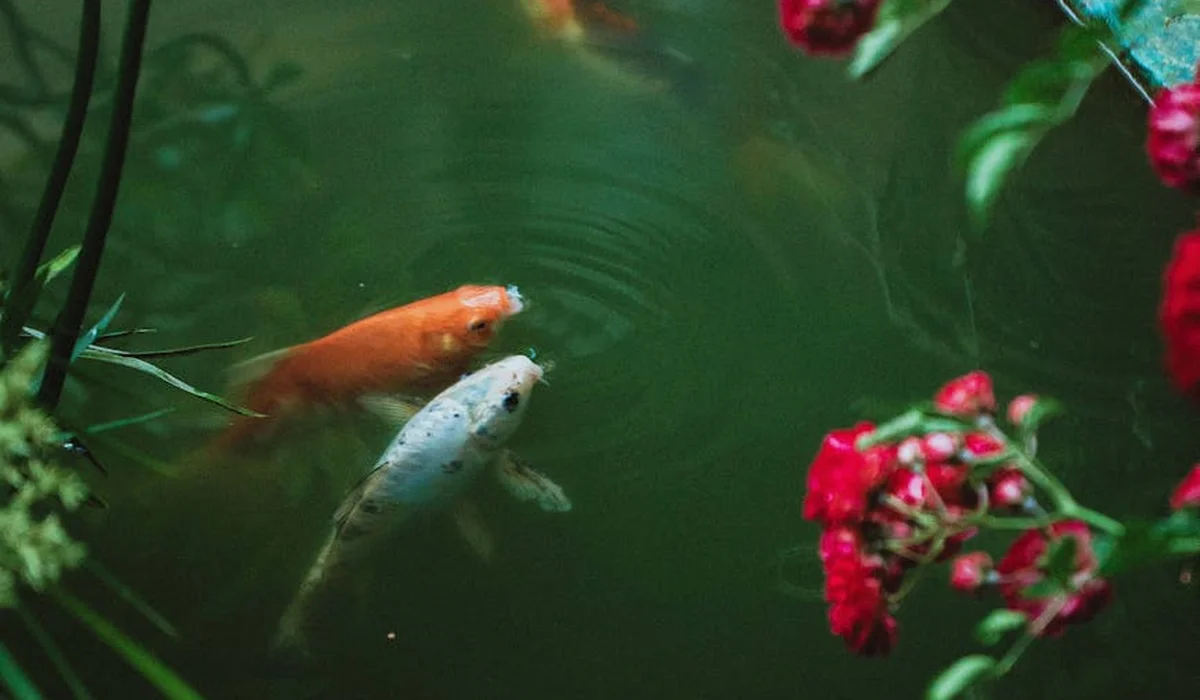
If you’ve ever panicked thinking your betta has died, only for it to spring to life when you approach, you’ve witnessed their unique sleep style. Bettas are champion power-nappers, often sleeping in bizarre positions that would stress any other fish. My boy Captain Fin regularly sleeps draped over the broad leaf of an Anubias plant or wedged snugly behind the filter. They lack eyelids, so seeing them completely motionless with their brilliant colors slightly dimmed is your clue they’re asleep. Their labyrinth organ allows them to breathe surface air, so don’t be surprised to find them sleeping near the top, sometimes even resting on a betta hammock.
Goldfish Sleep Habits
Goldfish sleep is subtle and easily missed by new keepers. Your goldfish won’t curl up in a bed; instead, it will hover motionlessly in one spot, often near the bottom or in a sheltered area of the tank. Their fins might make tiny, almost imperceptible adjustments to hold position. My Oranda, Goldie, typically settles near the back corner of the tank among the Java Fern as the lights dim, her usual constant foraging finally paused. Since they lack eyelids, their eyes stay open, and you might notice a slight tilt in their posture. This period of suspended activity is their vital rest cycle.
Corydoras and Other Bottom Dwellers
Bottom dwellers like corydoras catfish have a communal approach to rest that’s utterly charming. It’s common to find a whole group of corys piled together in a quiet corner or under a piece of driftwood, completely still for hours. My speckled cory, Shadow, will often bury himself slightly in the soft sand substrate or press himself against the base of a plant. They might choose to rest with their eyes partially covered by a fin or rock. Don’t be alarmed if you see a slight twitch or shimmy now and then-like a dog dreaming of chasing squirrels, fish can exhibit light muscle movements during sleep.
Promoting Healthy Sleep for Fish Welfare
The Consequences of Sleep Deprivation
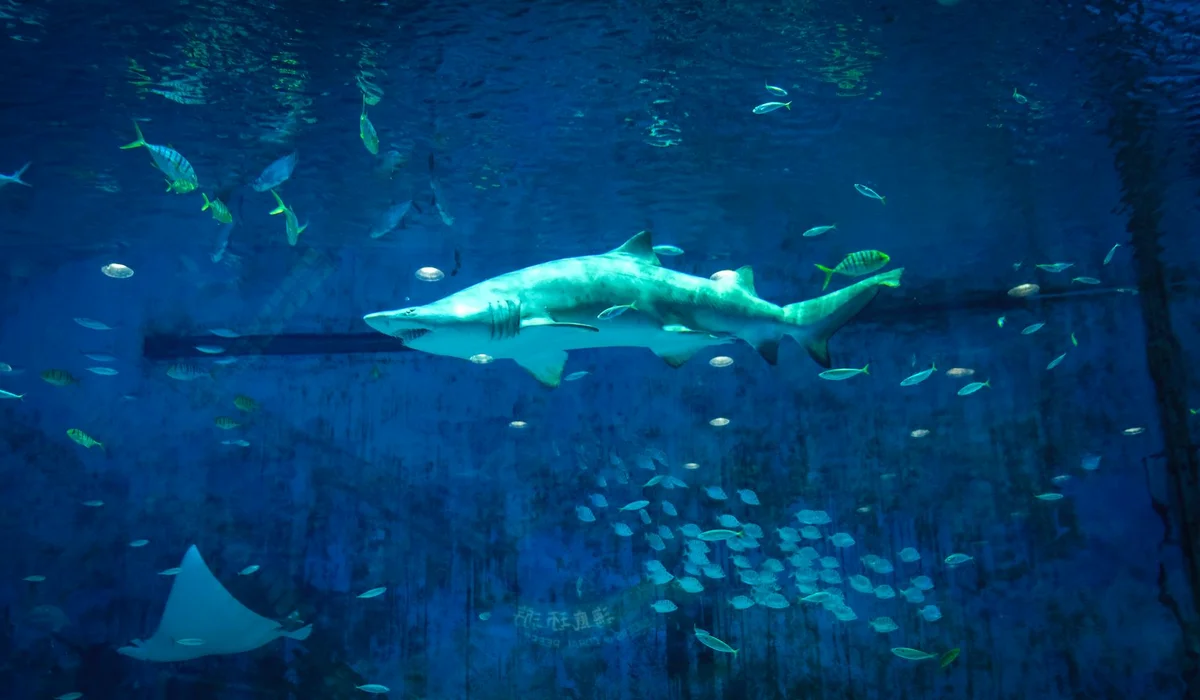
Constantly interrupting your fish’s rest has serious consequences, much like it does for you. A sleep-deprived fish becomes chronically stressed, which directly weakens its immune system and makes it vulnerable to diseases like ich and fin rot. You might notice increased aggression, a lack of appetite, or frantic, erratic swimming when the tank lights are supposed to be off. Their metabolism and growth can be stunted. In a way, forcing a fish to live in a 24/7 lit environment is a form of constant, low-grade environmental stress that erodes their health bit by bit.
Adjusting Tank Routines to Support Sleep Cycles
You can easily become your fish’s sleep champion with a few simple changes. The single most effective tool for healthy fish sleep is a simple plug-in timer for your tank lights, providing a consistent 8-10 hour “day.” Mimic natural dusk by turning off room lights before the tank lights go out. Here’s my routine, adapted from an aquarium lighting guide I found:
- Use a timer for a consistent photoperiod (e.g., 10 AM to 8 PM).
- Choose filter and air pumps with adjustable flow or use baffles to soften current at night.
- Avoid feeding right before “lights out” to allow for digestion.
- Place the tank away from high-traffic areas to minimize nighttime vibrations and shadows.
- Provide ample hiding spots with caves, dense plants, and driftwood so every fish feels secure enough to rest.
Listen to your tank at night-the hum of the filter should be the dominant sound, not the frantic splash of a stressed fish. Creating a predictable, calm dark period isn’t a luxury; it’s a cornerstone of ethical, successful fishkeeping that your aquarium’s entire ecosystem will thank you for.
FAQs
How can I tell if my fish is sleeping or sick?
A sleeping fish follows a predictable schedule, often resting when the tank lights are off. Key signs of healthy sleep include slowed gill movement, hovering motionless, and reduced reaction to normal activity. Sickness is indicated by lethargy during the day, rapid breathing, clamped fins, or loss of balance. Recognizing signs of healthy vs. unhealthy fish is crucial for any aquarium owner.
Is it okay for my fish to sleep in a bowl?
Fish can enter a rest state in any container, but bowls are poor environments for healthy sleep long-term. The lack of space, filtration, and hiding spots creates constant stress, preventing truly restorative rest. For your fish’s welfare, a properly equipped aquarium with stable water quality and darkness is essential for a natural sleep cycle.
How do fish in the ocean sleep compared to in my tank?
Ocean fish often rest in secure crevices, within coral, or even in constantly moving schools for protection from predators. In your tank, you replace these natural shelters with caves, plants, and driftwood. The core principle is the same: finding a safe, quiet spot to enter a state of reduced activity and awareness, but your aquarium provides a controlled, predator-free environment. Understanding how fish claim and defend these spaces is a core topic in the ultimate guide to aquarium territorial behavior. The guide shows practical steps to map zones, arrange decor to create safe territories, and introduce tank mates with minimal conflict.
How do I explain how fish sleep to a child?
You can say fish take quiet naps while staying very still, often hiding in their favorite spots like plants or caves. They don’t close their eyes because they don’t have eyelids, but their bodies slow down to rest. Just like people need a dark, cozy bed, fish need a calm, dark tank to feel safe enough to sleep.
Peaceful Dreams in Your Aquarium
Provide a consistent light schedule and plenty of plant cover or caves to let your fish rest undisturbed each night. Observing their reduced movement and fixed positions after lights out is the best way to confirm they are sleeping soundly.
Responsible fish keeping means honoring these natural behaviors and dedicating yourself to ongoing education. The more you learn about their hidden world, the better you can foster a serene and healthy tank for all your aquatic friends. Understanding aggressive vs. peaceful personalities is crucial for a thriving community tank. This guide helps you navigate those dynamics to match compatible species and maintain harmony.
Further Reading & Sources
- Sleep in fish – Wikipedia
- Do Fish Sleep? | Sleep Foundation
- Do fish sleep? Here’s what scientists have discovered so far | National Geographic
- Do fish sleep?
- Fish Sleeping Habits
Lia is an expert in aquarium and pet fish care. Having worked in the marine industry and having cared for multiple pet fish, she has acquired first hand expertise on aquarium care, maintenance and setup. She always brings her practical expertise and science to help solve any aquarium related queries.
Fish Species