
Aquarium Snail Lifespan: Your Guide to Years of Healthy Tank Cleaners
Published on: September 21, 2026 | Last Updated: September 21, 2026
Written By: Lia Annick
Hello fellow aquarium enthusiasts! Watching a snail slowly patrol your tank likely sparks a simple question: how long will this little cleaner be part of your underwater world? Knowing their lifespan stops the guesswork and helps you build a truly sustainable ecosystem.
This guide will walk you through the key details, focusing on:
- The specific life expectancy ranges for popular snails like Nerites, Mystery Snails, and Bladders
- How water chemistry and temperature act as silent lifespan regulators
- Feeding and care habits that directly add months to their life
- Spotting the difference between a natural end and a preventable health issue
I’ve spent years maintaining high-tech planted tanks and breeding fish, giving me a front-row seat to what makes snails thrive.
The Snail Life Expectancy Spectrum: From Mystery to Nerite
Just like fish, different snail species have wildly different natural lifespans, a factor many aquarists overlook when adding these shelled cleaners to their tank. Knowing the typical lifespan of your snail helps you provide the right long-term care and understand what’s normal for your little gastropod. Captivity often extends life compared to the wild, thanks to consistent food and fewer predators, but only if their needs are met. Similarly, knowing the lifespan of aquarium fish informs the care duration you plan for them. This awareness shapes feeding schedules, water changes, and ongoing maintenance across their life stages.
| Snail Species | Typical Lifespan in Captivity | Quick Notes |
|---|---|---|
| Mystery Snail | 1 – 2 Years | Lifespan is often shorter at higher, tropical temperatures. They have a distinct operculum (trap door). |
| Nerite Snail | 1 – 3 Years | Famous for not reproducing in fresh water. Their patterned shells are incredibly durable. |
| Apple Snail | 2 – 4 Years | Larger relatives of mysteries; their size and appetite mean they need more space and food. |
| Malaysian Trumpet Snail | 1 – 3+ Years | Burrowers that reproduce rapidly. Lifespan can be shorter in very soft water due to shell issues. |
Why Your Snail’s Lifespan Isn’t Set in Stone: Key Factors
That lifespan table is a helpful guide, but it’s not a guarantee. Your daily tank management choices are the ultimate deciders in whether your snail lives a full, healthy life or a tragically short one. These factors all intertwine, creating the environment your snail calls home.
- Water Quality & Chemistry: This is the foundation. Fluctuating or poor parameters cause immense stress and weaken shells.
- Diet & Nutrition: Snails are not just algae machines. They need a varied, calcium-rich diet for growth and repair.
- Tank Size & Stocking: Overcrowding leads to waste buildup and competition. Peaceful tank mates are a must.
- Temperature Stability: Snails are cold-blooded. Rapid temperature swings shock their systems.
- Calcium Availability: Without it, shells become pitted, brittle, and fail to grow, leaving the snail vulnerable.
- Predation & Aggression: Even fish not considered “predators” may nip at antennae, causing fatal stress.
Water Quality: The Liquid Lifeline
Think of your tank’s water as the air your snail breathes and the building material for its home. Stable, clean water is far more critical than chasing theoretically “perfect” numbers that swing wildly from week to week. Ammonia and nitrites must always be at zero, as they are directly toxic. Elevated nitrates, often over 40-50 ppm, create a chronically stressful environment that wears a snail down.
pH and general hardness (GH) are directly tied to shell integrity. I keep my snail tanks at a pH above 7.0 and a moderately high GH to ensure there are enough dissolved minerals in the water for them to use. A snail in very soft, acidic water will often develop thin, eroded, and cracked shells regardless of its diet, because the water itself is leaching material away.
Diet and Nutrition: More Than Just Algae
If you only rely on your snail to eat leftover algae, you’re setting it up for a slow decline. A balanced snail diet includes purpose-fed foods, not just scavenged scraps. I offer my crew blanched vegetables like zucchini and spinach, high-quality algae wafers, and even the occasional bottom-feeder pellet.
The biggest pitfall is forgetting calcium. Calcium is the literal cornerstone of their shell, and a deficiency leads to fatal structural weaknesses. You can supplement by adding cuttlebone to the filter compartment, using wonder shells, or feeding commercial calcium-rich foods. A snail with a ragged, white, or pitted shell is screaming for better nutrition.
Tank Size and Community: Room to Roam and Peace to Grow
Snails need physical space and peaceful neighbors. Overstocking a tank leads to rapid waste accumulation, which degrades water quality and spikes stress hormones. Even in a spotless tank, aggressive or simply curious tank mates can shorten a snail’s life by constantly harassing it. Some pest snails can occasionally offer beneficial cleanup by grazing algae and detritus, though their tendency to overpopulate often makes them more trouble than they’re worth. In short, whether a snail is a pest or a potential helper depends on the species and tank conditions.
- Peaceful Companions: Small tetras, rasboras, corydoras (like my shy Shadow), bettas (with caution), and dwarf shrimp.
- Risky/Ruinous Tank Mates: Loaches (notorious snail-eaters), large cichlids, goldfish (like my foraging Goldie, who will relentlessly mouth them), and crayfish.
Climate, Calcium, and Shell Integrity
Temperature stability and mineral-rich water work together for shell health. Keep your heater reliable and your water hard; sudden chills or soft water will stunt growth and leave shells looking battered. I aim for a consistent temperature within a species’ range-avoiding the high 80s for mysteries, for example, to slow their metabolism and potentially extend lifespan.
For calcium, I use a two-pronged approach: dietary supplements and water column availability. Dropping a piece of rinsed cuttlebone into your tank is one of the easiest, most effective ways to safeguard shell integrity for all your invertebrates. You’ll see new shell growth come in smooth and strong, a sure sign your snail is living its best life.
A Closer Look: Lifespan Ranges for Popular Aquarium Snails
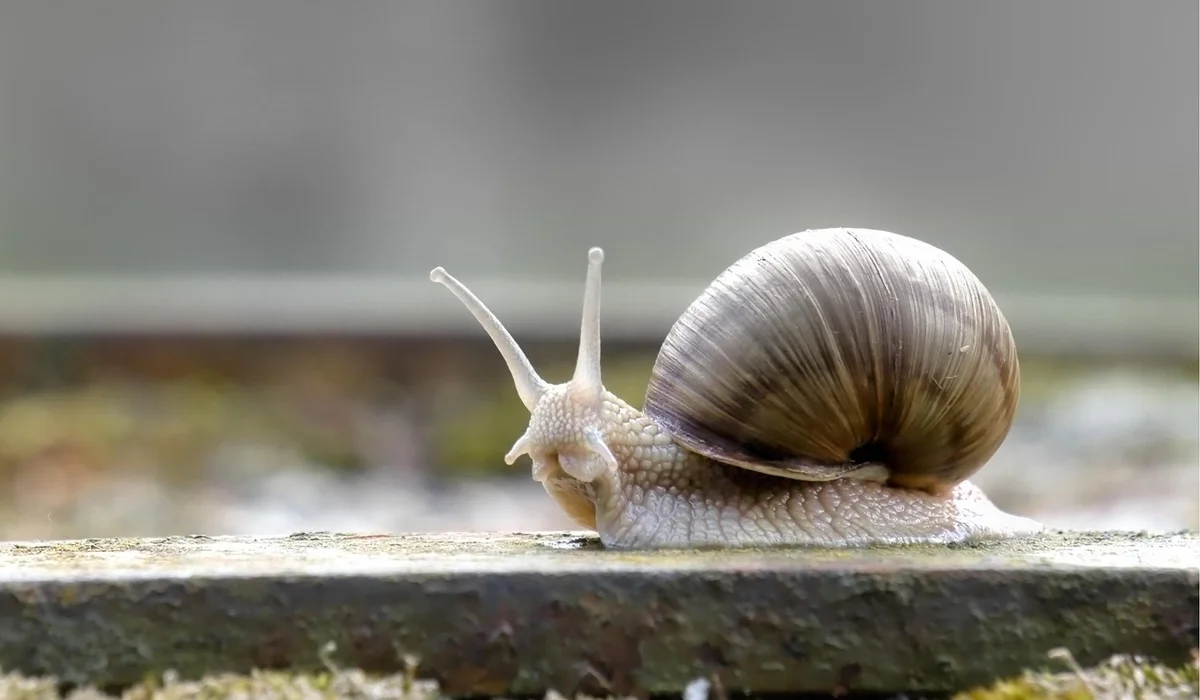
Getting to know your individual snail species is the first step to providing a long, healthy life. Each type brings its own rhythm and needs to your aquatic world. A visual guide to the different types of aquarium snails helps you quickly recognize shells, sizes, and behaviors. It makes it easier to tailor care to each species.
Mystery Snail Lifespan: The Colorful Curator
These lively snails typically live for 1 to 2 years, brightening your tank with their vivid shells and constant exploration. I love watching mine climb to the water’s surface for a gulp of air before parachuting back down. Always ensure your tank has a tight-fitting lid, as their curious nature and need for atmospheric air can lead to adventurous escapes.
Nerite Snail Lifespan: The Patterned Algae Grazer
Nerites are hardy little workers with a lifespan of 1 to 2 years, sometimes even longer in ideal conditions. Their beautifully patterned shells add art to your glass while they tirelessly scrape away algae. A major benefit of nerites is that their eggs won’t hatch in freshwater, so you never have to worry about a surprise population boom.
Malaysian Trumpet Snail Lifespan: The Substrate Engineer
These are the night-shift workers of the snail world, living 1 to 3 years while burrowing through your substrate. You’ll rarely see them during the day, but their constant tunneling prevents dangerous gas pockets from forming. To manage their rapid breeding, simply reduce leftover fish food; a hungry population stays in perfect balance.
Apple Snail and Other Freshwater Varieties
Larger apple snails can reach the size of a golf ball and often live 2 to 3 years, while smaller ramshorn snails may have a shorter lifespan but reproduce quickly. Apple snails have a big appetite for tender plants, so I always feed them dedicated veggie wafers to protect my aquascape. In contrast, ramshorns are excellent scavengers that help clean up decomposing matter.
Creating a Snail Sanctuary: Care Tips for Maximum Lifespan
Think of your tank not just as a container, but as a curated home. A few mindful habits can turn it into a longevity haven for your shelled friends.
Step 1: Master the Water Chemistry
Snails are deeply sensitive to sudden changes. I test my water every week, aiming for stable parameters like a pH between 7.0 and 8.0 and a steady temperature suited to the species. Perform a 25% water change weekly with temperature-matched, dechlorinated water to keep toxins like ammonia at zero—this consistency prevents shell damage and metabolic shock. Curious about snail reproduction in tanks? Our full guide on do snails reproduce aquarium full guide explains what to expect and how to manage populations.
Step 2: Craft a Balanced and Varied Menu
Algae alone isn’t enough for a complete snail diet. Supplement with a rotating menu of blanched spinach, sinking algae wafers, and homemade treats like a slice of calcium-rich cucumber. People often think plecos and snails do all the cleaning. The truth is they help but regular tank maintenance is still essential. I drop in a cuttlebone bone fragment twice a month; it slowly dissolves, providing the essential calcium they need to build strong, resilient shells.
Step 3: Design a Safe and Engaging Habitat
Stress shortens lifespans, so give your snails places to retreat and explore. Include smooth rocks, driftwood, and dense live plants like java fern or anubias, which offer perfect hiding spots without sharp edges. This environment mimics their natural world, encouraging natural behaviors and providing security from more active tank mates. These same hiding spots also benefit shrimp, providing refuge from more aggressive tank mates. For a complete guide on keeping snails and shrimp together, ensure stable water parameters and compatible companions while maintaining ample microhabitats.
Step 4: Curate a Peaceful Community
Not all fish are snail-friendly. Excellent tank mates include gentle bottom-feeders like corydoras catfish and small schooling fish such as neon tetras. You must avoid notorious snail hunters like clown loaches, bettas, or large cichlids, as they will see your snails as a moving snack and cause constant stress. Snails do have their own benefits and challenges in the aquarium.
Beyond Basics: Enrichment and Shell Health for Longevity
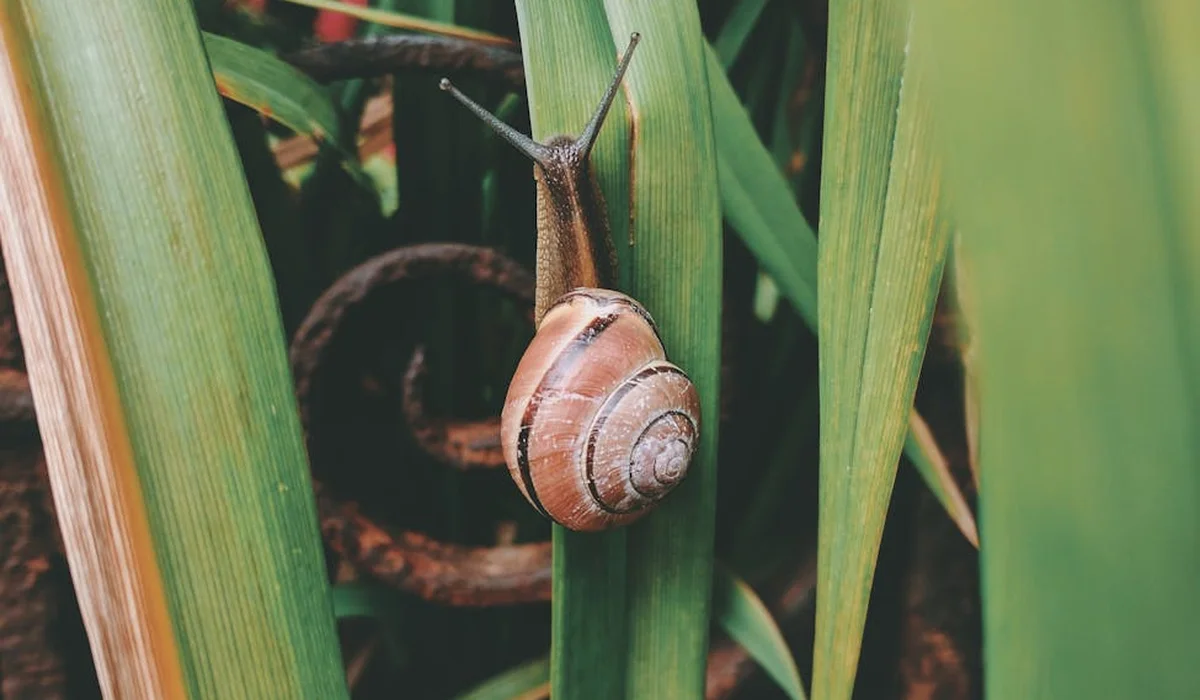
Think of your snail’s shell as its home, skeleton, and armor, all in one. A pristine, strong shell is the single most visible indicator of a snail thriving in its environment, and its maintenance goes far beyond simple water parameters. Proactive care that mimics their natural world is the secret to seeing them reach their full lifespan potential.
Boosting Calcium Availability for Impervious Shells
Calcium is the non-negotiable building block for snail shells. Without a steady supply, new growth becomes thin, brittle, and prone to cracks that invite infection. I treat calcium supplementation not as an occasional boost, but as a foundational part of my tank’s chemistry, much like maintaining pH. Here are the most effective methods:
- Cuttlebone: This is my go-to. Simply snap a piece off a bird-section cuttlebone and wedge it into the substrate. It dissolves slowly, releasing calcium carbonate and gently buffering the water’s hardness (GH/KH).
- Crushed Coral or Aragonite: Using this as a substrate layer or in your filter media is a brilliant set-and-forget method. It steadily dissolves in slightly acidic water, maintaining stable mineral levels.
- Specialized Foods: Snail-specific pellets or calcium-rich vegetables like blanched kale and green beans provide dietary calcium directly.
- Liquid Additives: Products designed to increase general hardness (GH) can be dosed during weekly water changes for precise control.
Monitor shell health by looking for smooth, continuous growth at the opening. A ragged, white, or flaking edge often signals a calcium deficit. A healthy snail can even repair minor shell damage if the water is mineral-rich enough.
Enrichment Activities to Encourage Natural Behaviors
A bored snail is an under-stimulated snail. Enrichment isn’t just for mammals-it encourages natural grazing and exploration, reducing stress. You can dramatically improve their quality of life with a few simple tweaks that turn their tank into a engaging landscape.
- Variable Grazing Surfaces: Combine smooth glass, textured slate, porous dragon stone, and broad plant leaves. Each surface hosts different types of biofilm and algae for a diverse menu.
- Food Treasure Hunts: Instead of always dropping an algae wafer in the same spot, attach one to the glass midway up the tank or tuck it into a crevice. This encourages climbing and problem-solving.
- Safe Climbing Structures: Use cholla wood, bogwood, or sturdy stem plants. The vertical exploration provides exercise and access to different micro-environments in the water column.
Lighting and Temperature: The Rhythm of Their World
Snails thrive on consistency. A predictable light cycle regulates their activity and supports the growth of their natural food source: algae. I use a simple plug-in timer for my tank lights-it’s the easiest hack for creating a stable day/night cycle that benefits every creature in the aquarium. Aim for 6-10 hours of light daily.
Temperature is a silent lifespan governor. Each species has a sweet spot:
- Nerite Snails: 72-78°F (22-26°C)
- Mystery Snails: 68-82°F (20-28°C)
- Ramshorn/Bladder Snails: 70-78°F (21-26°C)
Fluctuations outside these ranges accelerate metabolism (shortening life) or induce torpor. A reliable heater with a clear thermostat is a non-negotiable investment for any snail keeper who wants to see their charges live long, active lives.
Troubleshooting: Why Snails Sometimes Die Too Soon
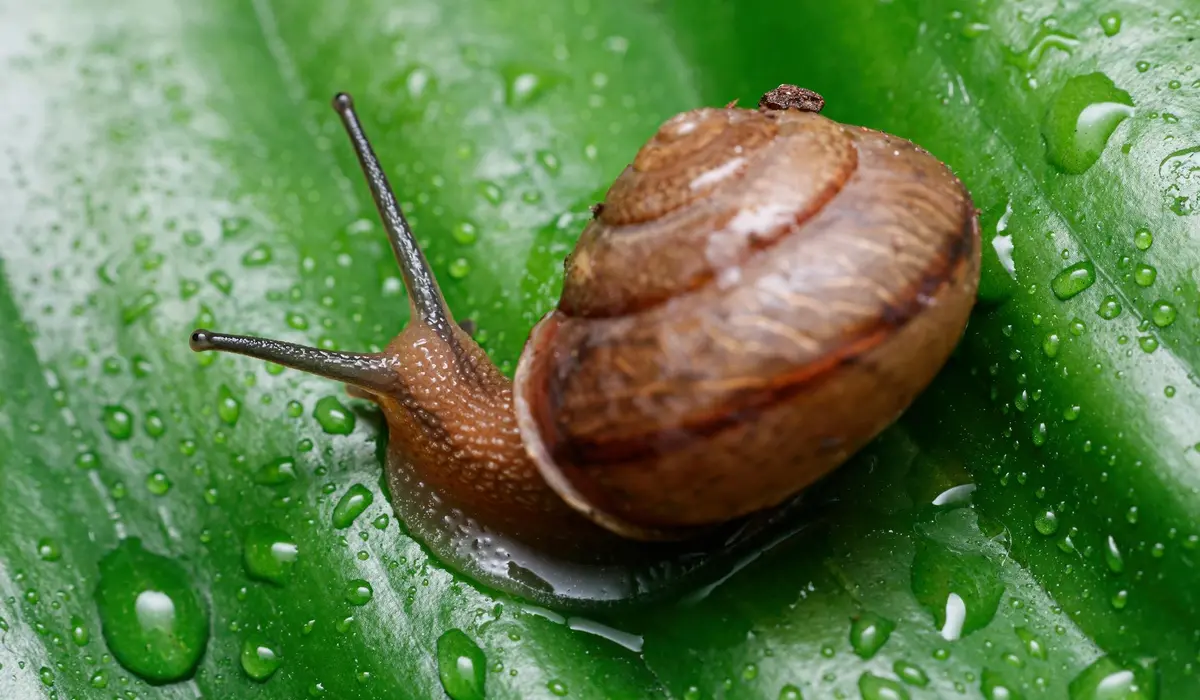
Finding a snail that hasn’t made it to its first birthday is disheartening. Often, the cause is not age, but a fixable environmental stressor. Premature death is almost always a message from your tank about an imbalance that needs your attention. Let’s diagnose the common culprits.
Common Health Issues and Disease Impact
Snails are excellent barometers of tank health. Their symptoms are usually clear if you know what to look for.
- Prolonged Inactivity: A snail sealed up for more than two days, especially if it’s fallen from its spot, is in distress.
- Cracked or Eroded Shell: This is a direct sign of calcium-deficient water or dangerously low pH.
- Swollen Foot or Body Lesions: Can indicate a bacterial or parasitic infection, often secondary to poor water quality.
- Empty Shell with No Body: Typically points to predation, but can sometimes mean the snail died and decomposers did their work.
Your first response should always be to test the water-ammonia, nitrite, nitrate, pH, and GH are the vital clues. Isolate the ailing snail in a hospital container with pristine, parameter-matched water to observe and treat.
Predation Risk and Breeding Stress
Not all tank mates are friendly roommates. Some fish, like loaches, pufferfish, and certain cichlids, see snails as a crunchy snack. Even non-predatory fish may harass snails, preventing them from grazing freely and causing constant stress that wears them down. When pest snails are a problem, many hobbyists ask about the best natural predators for snail control in freshwater tanks. Assassin snails and some loaches are commonly cited as effective options, though tank size and community needs must be considered.
For prolific breeders like Ramshorns, population booms are a different kind of stress. Too many snails competing for limited food and calcium can lead to stunted growth, weakened shells, and a shorter average lifespan for all. Manual removal of egg clutches or adults can help maintain a sustainable population.
Quick Recovery Steps for Ailing Snails
If you find a snail listing on its side or not moving, act quickly. Follow this emergency protocol:
- Isolate Gently: Move the snail to a small, clean container filled with water from its main tank (not fresh tap water).
- Boost Minerals: Add a small piece of cuttlebone or a drop of GH booster to the isolation water to support shell repair.
- Offer Prime Nourishment: Place a tiny piece of blanched cucumber or a calcium-rich wafer next to it. Avoid fouling the small water volume.
- Assess and Observe: Keep the container in a quiet, dim place. Check for any movement or feeding attempts over the next 24-48 hours.
This process removes immediate threats from fish or water quality issues and delivers targeted support, giving your snail its best fighting chance. For broader health and pest management, do use aquarium salt as directed to support fish health and help control pest snails.
Frequently Asked Questions
How long do aquarium snails typically live in captivity compared to the wild?
In captivity, snails often live longer due to a consistent food supply, stable water parameters, and the absence of predators. Their specific lifespan range, such as 1-3 years for a Nerite, is an average under good care, while life in the wild is typically much shorter and more unpredictable.
Does the lifespan of a female aquarium snail differ from males?
For most common aquarium snail species, there is no significant difference in lifespan between males and females. The primary factor is overall care, though extensive egg-laying in some species can be energetically demanding for females if their nutritional and calcium needs are not met.
What water parameters most directly affect an aquarium snail’s lifespan?
Stable, clean water with zero ammonia and nitrites is the absolute foundation. Additionally, adequate general hardness (GH) and a pH above 7.0 are critical for shell integrity, as soft, acidic water can dissolve their shells and lead to fatal weaknesses over time.
Can tank size and setup impact how long my aquarium snails live?
Yes, significantly. An overcrowded tank leads to poor water quality and waste buildup, creating chronic stress. Furthermore, a well-designed tank with peaceful tank mates, ample grazing surfaces, and hiding spots reduces harassment and allows for natural behaviors, promoting a longer, healthier life.
Your Snail’s Journey
Your snail’s longevity hinges on the stable, pristine environment you provide, with consistent water parameters and a balanced diet being the true secrets to a long, healthy life. Remember that lifespan varies dramatically by species, from a single year for a Pond Snail to over a decade for a Mystery Snail, so always research your specific shelled friend.
Being a great snail keeper means observing your tank daily, noticing small changes in behavior or appetite, and committing to learning more about the intricate ecosystem you manage. The hobby of fishkeeping is a continuous, rewarding education-embrace the process, connect with fellow aquarists, and enjoy the quiet, fascinating world you’ve built for all your aquatic pets.
Further Reading & Sources
- r/AquaticSnails on Reddit: How long do Mystery snails live? Google says 1 year but also says aquatic snails live to 3-10 years???
- How Long Does An Aquarium Snail Live – Petnanny Store
- How Long do Aquarium and Land Snails Live? | Shrimp and Snail Breeder
- Nerite and mystery snail lifespan – General Chat – Aquarium Co-Op Forum
- How Long Do Aquarium Snails Live? | Pets on Mom.com
Lia is an expert in aquarium and pet fish care. Having worked in the marine industry and having cared for multiple pet fish, she has acquired first hand expertise on aquarium care, maintenance and setup. She always brings her practical expertise and science to help solve any aquarium related queries.
Aquatic Invertebrates