
Adding Water to Your Fish Tank Safely: The Stress-Free Method for Clear Water and Happy Fish
Hello fellow aquarists! That moment of pouring fresh water into your tank can be nerve-wracking-will it cloud the water, shock your fish, or upset the delicate balance you’ve worked so hard to achieve? Doing it correctly transforms a routine task into a cornerstone of vibrant aquarium health.
This guide breaks down the safe process into manageable steps. I will cover:
- Selecting and preparing the right water source for your specific tank.
- Precise temperature matching to prevent thermal shock to your fish.
- The non-negotiable use of water conditioners to neutralize tap water hazards.
- Gentle addition techniques that protect your substrate, plants, and fish.
- Essential post-change checks to ensure your water parameters stay perfect.
I’ve spent years cultivating high-tech planted tanks and breeding sensitive fish, so I understand exactly how to maintain that perfect aquatic harmony.
Gathering Your Tools and Understanding Water Sources
Getting your gear ready turns a chaotic task into a calm routine. You only need a few reliable items to protect your aquatic friends from common pitfalls.
- Clean buckets: Dedicate one or two buckets solely to your aquarium; I use white ones so I can spot any dirt.
- Dechlorinator: This liquid conditioner instantly makes tap water safe by breaking down chlorine and chloramine.
- Thermometer: A simple floating thermometer lets you check temperatures at a glance before mixing.
- Testing kit: A liquid test kit for pH and hardness gives you confidence your water parameters are stable.
Your water source shapes your tank’s world. Tap water is convenient, but you must treat every gallon with dechlorinator to neutralize chemicals that damage fish gills. I use it for my community tank after conditioning. Many hobbyists wonder whether tap water or RO water is truly better for a freshwater tank. The best choice depends on your local water quality and your tank’s needs.
RO (reverse osmosis) water is nearly pure, with minerals removed. I switch to RO water for my betta Captain Fin when my tap water’s hardness creeps up, but I always add a remineralizer for his health.
Distilled water is like RO but often costlier. Reserve distilled water for top-offs to combat evaporation without altering mineral levels drastically. For most partial changes, conditioned tap water is perfectly fine.
Matching Temperature and Balancing Water Chemistry
Pouring in water that’s too cold or too warm sends a shockwave through the tank. Use your thermometer to get the new water within one degree of your tank’s current temperature. If it’s off, let the bucket sit in a warm room or use a small aquarium heater to gently warm it.
Chemistry is just as critical as heat. Test your tap water with your kit to know its baseline pH and general hardness (GH) before it meets your tank. Then keep testing and monitoring the essential parameters that define water quality—ammonia, nitrite, nitrate, pH, KH, GH, and temperature. Regular testing helps you catch shifts before they affect your fish. Fish thrive on consistency, not perfect numbers.
My goldfish Goldie enjoys harder, cooler water, while Captain Fin the betta prefers softer, warmer conditions. Your goal is to avoid sudden swings that stress their internal systems. Here’s a handy guide for common favorites:
| Fish Type | Ideal Temperature Range |
|---|---|
| Betta Fish | 78-80°F (25-27°C) |
| Goldfish | 68-74°F (20-23°C) |
| Corydoras Catfish | 72-78°F (22-26°C) |
The Importance of Temperature Acclimation
Why does a small temperature gap matter so much? Fish are cold-blooded, so a rapid change of even a few degrees forces their metabolism to shift violently. This stress can suppress their immune systems, making them vulnerable to disease.
During water changes, acclimate the new water itself. I often float my sealed water bucket in the tank for twenty minutes to let the temperatures equalize peacefully. It’s a simple hack that mimics the bag method for new fish. This approach also helps acclimate existing fish to the new water after a change. If you’re introducing new fish, use a gradual acclimation process to minimize stress.
For sensitive setups or large water changes, a drip line is your best friend. Using airline tubing to siphon new water in drop by drop over an hour gives fish like Shadow the corydoras time to adjust without panic. The slow drip is a kindness they’ll thank you for with vibrant health.
The Gentle Pour: Techniques for Adding Water
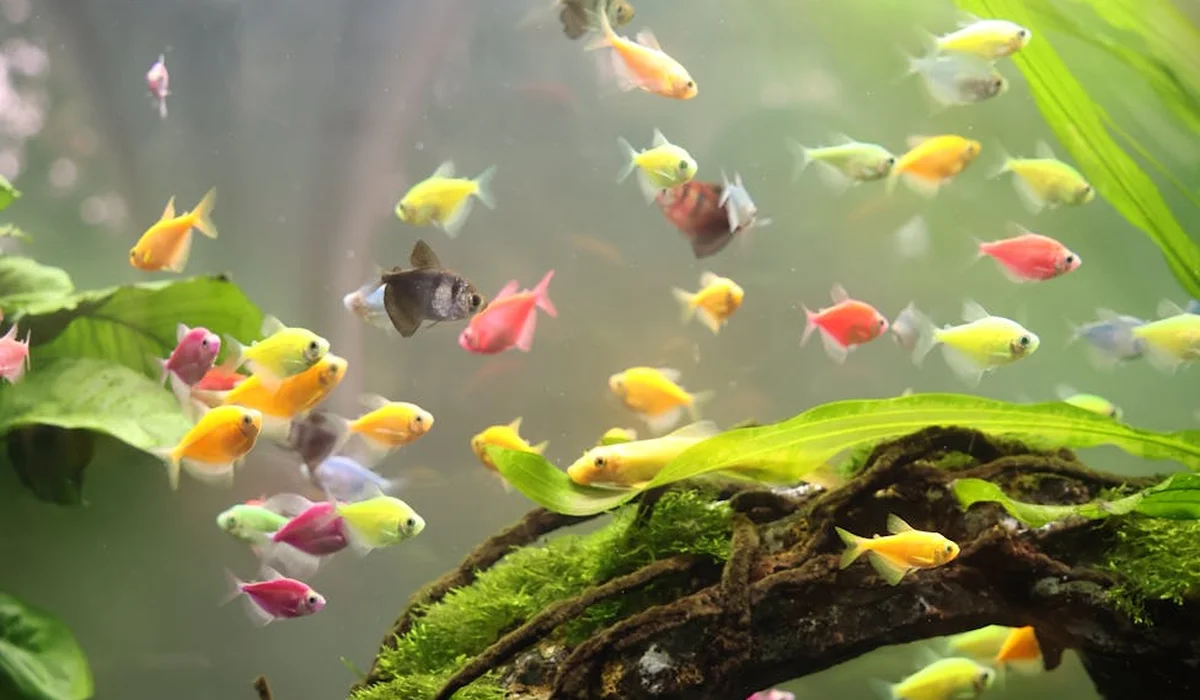
How you introduce new water to your tank makes a world of difference. A sudden deluge can shock your fish, stir up a storm of debris, and send your carefully arranged substrate flying. The goal is a seamless, calm integration that your aquarium inhabitants barely notice.
The method you choose depends entirely on whether you are doing a simple top-off or a vital partial water change. Both are essential skills, but they serve very different purposes for the health of your watery ecosystem.
Top-Offs Versus Partial Water Changes
Let’s clear this up first. A top-off replaces water lost to evaporation. Since only pure water evaporates, leaving minerals and waste behind, you’re simply refilling the tank with treated water to the original level. A partial water change, however, is the cornerstone of tank maintenance. You physically remove a portion of the old, waste-laden water and replace it with fresh, clean water. This dilutes pollutants like nitrates and replenishes essential minerals.
For a safe partial change, I follow this ritual every single week:
- Turn off your heater and filter to protect them from running dry or damage from air.
- Use a gravel vacuum siphon to remove 15-25% of the tank water, cleaning the substrate as you go.
- Prepare your new water in a clean bucket, matching temperature and treating with conditioner.
- Pour the new water back into the tank using one of these gentle methods:
- The Plate Method: Place a small ceramic plate or saucer on the substrate and pour the water directly onto it. This disperses the force beautifully. I use this for Captain Fin’s tank to avoid ruffling his long fins.
- The Controlled Siphon: Use your gravel vacuum in reverse! Place the bucket of new water higher than the tank, start a siphon, and use the control valve to create a slow, manageable trickle.
- The Cup-and-Pour: For smaller tanks, use a cup or jug to slowly pour water against the glass or onto a floating decoration. It’s simple but effective.
Using a Drip Acclimation Method for Sensitive Tanks
For crystal-clear shrimp tanks, heavily planted biotopes, or after a medication cycle, even a gentle pour can be too abrupt. Here, a slow drip system is your best friend. It allows for near-perfect parameter matching and zero shock.
You can set up a professional-grade drip line with airline tubing, a control valve, and a simple knot to regulate flow. Start a siphon from your prepared water bucket to the tank, tighten the valve or knot until you get about 1-2 drips per second, and let it run for several hours. The gradual addition gives your biofilter and sensitive creatures like Shadow time to adjust without stress. It’s the ultimate in gentle water introduction.
After the Addition: Immediate Actions and Monitoring
The job isn’t done once the water level is correct. The next hour is critical for ensuring your aquatic world stabilizes smoothly. Your immediate actions set the stage for a stress-free transition.
First, gently restart your equipment. Plug your filter and heater back in and listen for the quiet hum of normal operation. Next, watch your fish. Are they swimming normally, or are they darting, gasping at the surface, or hiding incessantly? Goldie should be back to foraging, not hovering in a corner. Finally, test your water. Check ammonia, nitrite, and nitrate levels a few hours after the change to confirm everything is in balance. If fish seem stressed, adding an air stone for extra surface agitation can boost oxygen levels quickly.
Restarting Equipment and Observing Fish Behavior
Turn your equipment back on in a calm sequence. I always do the filter first, then the heater, to allow water circulation to evenly distribute the warmth. A sudden temperature spike from a heater in still water can be dangerous.
Your fish will tell you everything. Normal behavior resumes within minutes-exploring, grazing, casual swimming. Stressed behavior is a red flag: rapid gill movement (gasping), flashing (rubbing against objects), or complete withdrawal. If you see this, immediately test your water; it often points to a chlorine spike, temperature mismatch, or a sudden pH swing from the new water. Trust their instincts-they are your most accurate water quality monitors.
Troubleshooting Common Water Addition Problems
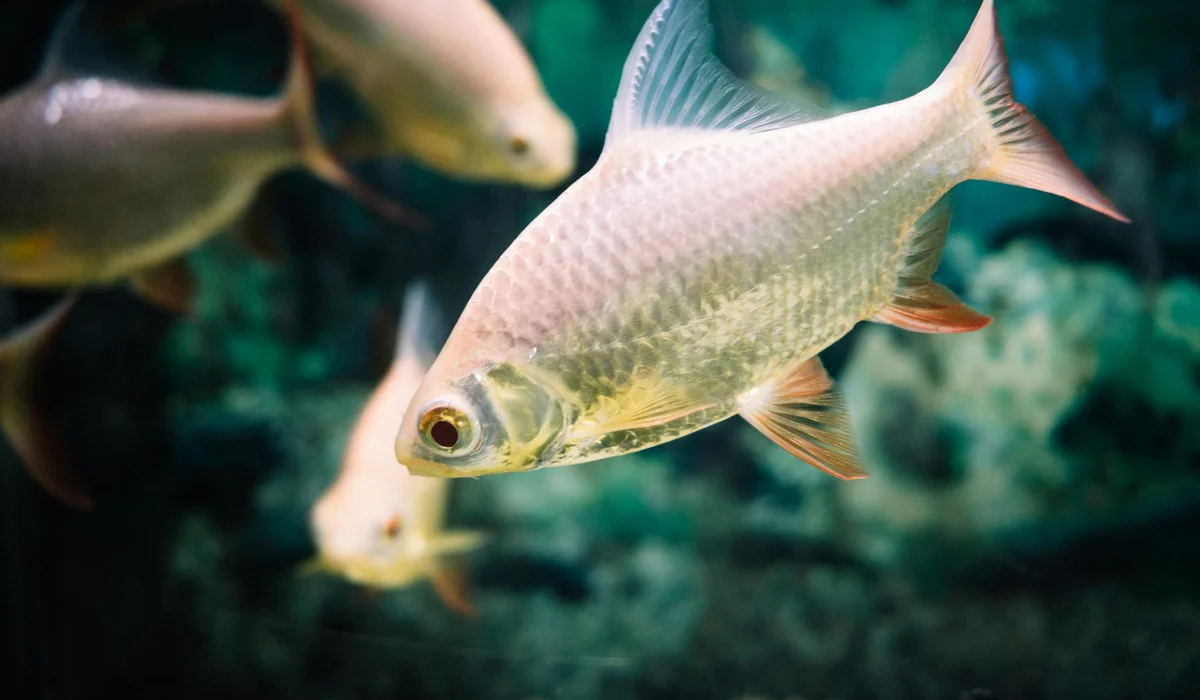
Even with perfect preparation, adding water can sometimes cause unexpected issues. Catching these problems quickly protects your fish and maintains that crystal-clear water we all love. Let’s look at the most common snags and how to solve them without panic.
- Cloudy water after a water change usually stems from disturbed substrate or a bacterial bloom. If your tank looks milky, first reduce feeding for a day or two to lower organic waste. Increase aeration with an air stone or by adjusting your filter output-the extra oxygen supports beneficial bacteria.
- Ammonia spikes can occur if your tap water contains chloramine, which breaks down into ammonia. Always use a water conditioner that specifically neutralizes chloramine. I keep an eye on Goldie, my goldfish; her high waste output means I sometimes perform an extra 10% water change if I suspect a spike.
- Fish showing stress, like rapid gill movement or lethargy, often indicate a parameter shift. Captain Fin, my betta, will flare and hide if the water chemistry changes too fast. For immediate relief, increase surface agitation and consider another small water change with properly conditioned, temperature-matched water.
Cloudy Water and Chemical Imbalances
Cloudiness is a visual alarm for underlying chemistry issues. A white, hazy cloud typically signals a bacterial bloom, while a grayish swirl often means you’ve kicked up gravel or sand. Bacterial clouds usually clear on their own in a few days as the ecosystem balances. For substrate disturbances, let your filter do the work-it should clear particulate matter within hours. If cloudiness persists, gently rinse your filter media in a bucket of old tank water to remove clogged debris without killing beneficial bacteria.
When ammonia or nitrite levels rise after adding water, a quality water conditioner that detoxifies ammonia is a lifesaver. Products like Seachem Prime bind ammonia into a non-toxic form for up to 48 hours, giving your filter bacteria time to process it. I learned this the hard way when Shadow, my corydoras, became sluggish after a water change-now I test within an hour of adding new water.
- To prevent substrate storms, pour new water onto a floating bowl or a clean saucer placed on the tank bottom. This disperses the flow and keeps sand beds smooth for bottom dwellers.
- Regular filter maintenance prevents cloudy water by ensuring efficient mechanical filtration. Check your filter intake weekly for blockages that can reduce flow and cause debris to settle.
Building a Consistent and Safe Water Change Routine
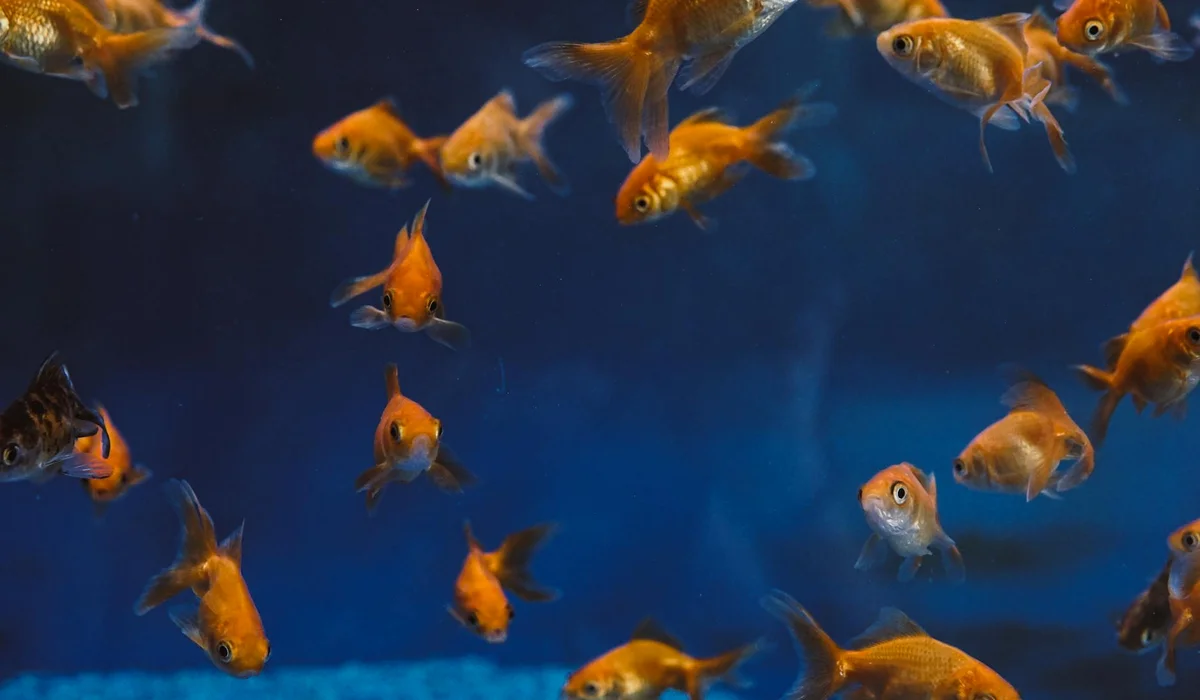
Consistency is the secret to a thriving aquarium. A predictable routine minimizes stress on your fish and keeps parameters stable, letting colors like Captain Fin’s iridescent blue truly pop. Start with a weekly schedule, but always let your test results have the final say. For most community tanks, changing 10-25% of the water each week works well. I mark my calendar for Saturday mornings—it’s become a relaxing ritual. Of course, which tasks are essential and how often you perform them will vary by tank. A baseline you can use is weekly tests and water changes, with regular filter maintenance and substrate cleaning as needed.
- Invest in a reliable liquid test kit and check ammonia, nitrite, nitrate, and pH at least once a week. Tracking these numbers helps you spot trends and adjust your routine before problems arise.
- For major tank overhauls or changes exceeding 50%, use a quarantine tank to temporarily house sensitive fish. This shields them from potential chemical swings. I once transferred all my fish to a QT during a substrate replacement, and they were far less stressed.
- Synchronize new water temperature to your tank within one or two degrees to avoid thermal shock. I float a thermometer in both the bucket and the tank to double-check.
How Often and How Much Water to Change
Your tank’s bioload and size are the real guides here. Begin with a baseline of a 20% weekly change for a moderately stocked tank, but be ready to adapt. Goldfish, like my Goldie, produce a lot of waste, so her tank gets two 30% changes each week. Betta fish in planted tanks often do well with just 15% weekly. Let nitrate levels be your compass; aim to keep them under 20 ppm for most freshwater species. Also, consider choosing the appropriate aquarium size for your fish species to ensure a healthy environment.
Frequent, smaller water changes are gentler on your aquarium’s ecosystem than infrequent, large ones. They prevent drastic parameter shifts and keep fish like Shadow, who are sensitive to change, feeling secure. In my experience, this steady approach also reduces algae outbreaks. Regular water changes play a key role in algae prevention and control by diluting nutrients that algae feed on. They also help keep nitrate and phosphate levels in check, which limits blooms.
- Use tank volume as a starting point: change 2-3 gallons weekly for a 10-gallon tank, or 5-6 gallons for a 20-gallon. Adjust upwards if you have a heavy stock of fish or large species.
- Your test kit is the ultimate authority on change frequency and volume. If nitrates creep above your target, increase the percentage you change next time. An ammonia reading above zero means change water immediately, no matter the schedule.
FAQs
Why is it crucial to match water temperature during changes?
Matching temperature prevents thermal shock, which can violently shift fish metabolism and weaken their immune systems. Always use a thermometer to ensure new water is within one degree of your tank’s temperature for a stress-free transition. Consider different thermometer types—digital, glass stick-on, and floating—and choose one that fits your setup. Place the sensor away from heaters, filters, and direct sunlight to ensure accurate readings.
What type of water is safest for my aquarium?
Conditioned tap water is safe for most tanks when treated with a dechlorinator to neutralize chlorine and chloramine. For sensitive species or specific water parameters, RO or distilled water with proper remineralization may be necessary.
How can I tell if my fish are stressed after adding water?
Observe for signs like rapid gill movement, lethargy, or hiding, which often indicate chemical or temperature imbalances. Immediately test water parameters and consider increasing aeration or performing a small corrective water change if needed.
What steps can I take to avoid disturbing the substrate when pouring water?
Employ gentle methods such as pouring onto a plate or using a controlled siphon to disperse water flow. These techniques protect your substrate and plants, preventing debris clouds and maintaining a clear, stable environment.
Your Path to Crystal Clear Water
Remember, the safest way to add water is to always condition it first to remove chlorine and gently match its temperature to your tank’s environment. Pouring the new water slowly over a plate or into your hand disperses the flow, protecting your fish from stressful currents and sudden shifts in their world. This simple method keeps your ecosystem stable and your fish calm. Additionally, acclimate any new fish to the new water parameters (pH, hardness) slowly to minimize stress and help them settle in.
Caring for an aquarium is a rewarding journey of constant learning and attentive observation. Every careful water change you perform is a direct investment in the long, healthy lives of your aquatic pets, reinforcing the bond you share with your underwater community. For beginners, understanding and managing aquarium water parameters is essential. This complete beginners guide to managing aquarium water parameters will walk you through testing, interpreting results, and making safe adjustments. Stay curious, keep testing your water, and enjoy the peaceful hum of a well-maintained tank.
Further Reading & Sources
- 18.1. Aquarium Water Changes
- How to Do a Water Change in a Freshwater Aquarium Safely
- How Often Do You Have to Clean or Change Water in a Fish Tank? – Aquarium Co-Op
- How to Do Aquarium Water Changes
- Water Changes
Lia is an expert in aquarium and pet fish care. Having worked in the marine industry and having cared for multiple pet fish, she has acquired first hand expertise on aquarium care, maintenance and setup. She always brings her practical expertise and science to help solve any aquarium related queries.
Water Changes