
Aquarium Thermometer Guide: Keeping Your Fish Comfortable and Safe
Hello fellow fish keepers, have you ever peeked into your tank and wondered if the water feels just right for your aquatic pals? That nagging doubt about temperature can make or break your fish’s health and happiness.
This guide breaks down the essentials so you can stop guessing and start ensuring a stable environment. We will cover:
- the main types of aquarium thermometers and how to pick the best one for your budget and tank,
- the correct placement spots to avoid false readings that could harm your fish,
- simple ways to check and maintain accuracy so your thermometer remains a trusted tool.
With years of experience running high-tech planted tanks and breeding a variety of fish, I have tested these methods to give you reliable, real-world advice.
Why an Aquarium Thermometer Is Essential for Fish Health
Think of your aquarium’s temperature like a cozy blanket for your fish. A stable, correct temperature keeps them comfortable, active, and healthy. When the temperature swings, it’s like someone suddenly ripping that blanket off, causing immense stress that weakens their entire system. That’s where our aquarium temperature control complete guide comes in. Learn simple steps to keep the water stable and your fish thriving.
Temperature directly controls your fish’s metabolism and immune function. A fish in water that’s too cold becomes sluggish, struggles to digest food, and is more prone to infections. Water that’s too warm holds less oxygen, leaving your fish gasping at the surface. Keeping the temperature stable is one of the simplest and most effective ways to prevent a huge range of common fish diseases. That principle is a cornerstone of a beginner’s guide to fish disease prevention and tank maintenance. A simple maintenance routine—regularly checking heater, thermometer, and water quality—helps keep conditions steady.
Let’s look at some real examples from my own tanks. My Betta, Captain Fin, thrives in a steady 78-80°F; a sudden drop to 74°F would make him lethargic and vulnerable to fin rot. Conversely, a spike could speed up his metabolism unnaturally. My Corydoras, Shadow, shares that tank and would be equally stressed. For coldwater species like my goldfish Goldie, a warm room can push her water into the low 70s, which drastically increases her waste production and oxygen needs, overloading the filter. These patterns are among the common signs of stress in aquarium fish. Keeping an eye on them helps you catch issues early.
Types of Aquarium Thermometers: Finding Your Fit
Choosing a thermometer isn’t just about picking the first one you see. Each type has its own strengths and quirks. I’ve tried them all over the years, and my preference has definitely evolved.
| Type | Pros | Cons | Best For |
|---|---|---|---|
| Analog (Glass) | Inexpensive, no batteries needed | Can be hard to read, fragile, less accurate | Budget setups, backup tanks |
| Analog (Stick-on) | Easy to install, safe for kids/pets | Measures glass temp, not water temp, inaccurate | Quick visual checks, nursery tanks |
| Digital (Probe) | Highly accurate, easy-to-read display | Requires batteries, probe cable can be bulky | Planted tanks, sensitive livestock, precision |
| Infrared (Laser) | Instant reading, no contact with water | Measures surface temp only, requires a steady hand | Quick spot-checks across multiple tanks |
For my high-tech planted tanks, I exclusively use digital thermometers because that precise, easy-to-read number gives me peace of mind for my sensitive shrimp and fish. The small investment is worth avoiding a costly temperature-related disaster.
Analog Thermometers: Simple and Reliable
These are the classic thermometers you see in many beginner setups. The submersible glass type hangs inside the tank with a suction cup, while the stick-on version adheres to the outside glass. Their main appeal is simplicity-you just stick them on and they work without any power source.
Placement is key for any accuracy. For a glass thermometer, place it mid-water level away from direct heater flow. For a stick-on, make sure it’s on a clean, flat section of glass. Always handle glass thermometers with care; a crack can release the often-toxic red or blue liquid into your aquarium, creating a huge problem. I recommend securing them with a sturdy suction cup and checking for hairline cracks regularly.
Digital and Smart Thermometers: Modern Precision
This is where technology really helps the aquarist. Digital models use a waterproof probe you submerge in the tank, connected to an LCD display that sits outside. The best feature is often the programmable alarm that will beep loudly if the temperature leaves your set safe range, giving you a crucial early warning.
Smart models take it further, connecting to your home WiFi and sending alerts directly to your phone. This is a game-changer for vacations or if your home’s power flickers. When shopping, look for a wide temperature range (at least 50-100°F), long battery life, and a clear, bright screen. I find the probe style is far superior to infrared for aquariums, as it reads the actual water temperature your fish are experiencing, not just the surface of the glass.
How Accurate Is Your Aquarium Thermometer?

That little number on the glass might seem definitive, but its trustworthiness depends on a few key factors. The sensor technology itself is a major player. Digital probe sensors and glass alcohol thermometers tend to be the most reliable straight out of the box. Those convenient stick-on LCD strips can be influenced by room temperature, leading to deceptive readings.
Calibration drift is a real phenomenon, where a thermometer slowly loses its accuracy over months or years of use. A cheaply made unit might have a wider acceptable margin of error from the start. The true goal isn’t just pinpoint accuracy, but consistent and reliable readings you can base your decisions on.
Typical Accuracy Ranges by Type
- Digital Thermometers with Probes: Often the most precise, typically within ±0.5°F (±0.3°C). Their dedicated sensor is less affected by external conditions.
- Traditional Glass Alcohol Thermometers: Generally reliable, with an accuracy of about ±1°F (±0.6°C). Just ensure it’s fully submerged to the indicated line.
- LCD Stick-On Strips: The least precise, often with a variance of ±2°F (±1°C) or more. They measure the tank glass temperature, not the water itself.
How to Test Accuracy at Home
You don’t need a lab to check if your thermometer is telling the truth. A simple ice water test gives you a known baseline. Fill a glass with crushed ice and then top it off with cold water, stirring gently. Let it sit for two minutes. Your thermometer should read very close to 32°F (0°C). This quick test instantly reveals if your equipment has drifted and needs attention.
For your fish, a stable and correct temperature is non-negotiable. A reading that’s consistently 3 degrees off can suppress immune systems in delicate species like Discus, leaving them open to illness. It can also throw off breeding cycles and overall metabolism. Think of your thermometer as the first line of defense in proactive fish care, not just a decoration.
Calibrating Your Thermometer for Trustworthy Readings
- Gather your supplies for testing. You will need a glass, crushed ice, and cool tap water. For a high-range check, you can use a pot of boiling water, but the ice method is safer and sufficient for aquarium ranges.
- Compare readings to a known standard. Submerge the sensor of your digital or glass thermometer in the ice slurry, ensuring it doesn’t touch the sides or bottom of the glass. Wait for the reading to stabilize. It should be as close to 32°F (0°C) as possible.
- Adjust or replace based on the deviation. Many digital models have a calibration function; consult the manual. If a glass thermometer is off by more than a degree or two, or a digital one can’t be calibrated, replacement is your safest bet. It’s better to spend a few dollars on a new thermometer than hundreds on treating sick fish.
- Repeat calibration periodically. Make this a part of your monthly tank maintenance routine. A quick check during a water change takes seconds and provides immense peace of mind for the weeks ahead.
Where to Place Your Thermometer in the Aquarium

Getting an accurate read isn’t just about the device itself; it’s about where you put it. Placing your thermometer in a stable, representative location is the single most important thing you can do for an accurate reading.
Here are the optimal spots to consider for the most reliable temperature check.
- Mid-Water Level: I always place my primary thermometer in the middle of the water column. This spot gives you the best average temperature for the entire tank, away from surface fluctuations and substrate chill.
- Away from Heaters and Filter Outflows: Never place it directly next to your heater. You’ll just be measuring the heater’s immediate output, not the tank’s ambient temperature. The same goes for filter returns, which can create localized warm or cool spots.
- In a Calm Corner: A corner with gentle water movement is perfect. It avoids the direct flow from pumps and powerheads, providing a stable environment for the sensor to measure.
- Use Multiple Thermometers for Large Tanks: For any tank over 55 gallons, I run two thermometers. Place one on each end to check for consistency. This simple hack instantly reveals if your heater and water circulation are doing their job properly across the entire aquarium.
- Ensure Clear Viewing and Safety: Stick-on and glass thermometers need a clean, unobstructed view from your main viewing angle. For glass models, be gentle during cleaning to avoid cracking them against the glass. A small chip can lead to a big leak of toxic alcohol or heavy metals.
Ideal Temperature Ranges for Freshwater and Saltwater Tanks
Your fish are cold-blooded, which means their entire metabolism is tied to the water temperature. Hitting the right temperature range is like setting the perfect pace for their internal engines to run smoothly. So, when deciding between cold-water and tropical fish for your tank, temperature becomes the deciding factor. The right choice depends on whether your setup can maintain a steady cool or warm range.
Here’s a breakdown of what most common aquarium inhabitants need to thrive.
- Common Freshwater Community Fish: Most tetras, guppies, mollies, and danios are happiest in a range of 72°F to 78°F (22°C – 26°C). This is the sweet spot for a bustling, planted community tank.
- Goldfish (like my Goldie): Fancy goldfish prefer 68°F to 74°F (20°C – 23°C). They are cooler-water fish, and keeping them too warm can shorten their lifespan and increase their metabolism uncomfortably.
- Betta Fish (like Captain Fin): I keep my betta’s tank at a steady 78°F. This warm temperature supports their immune system and mimics their natural tropical habitat, keeping them active and vibrant.
- African Cichlids: These active fish from the African Rift Lakes need it warmer, typically between 76°F and 82°F (24°C – 28°C).
- Saltwater Fish-Only Tanks: A range of 76°F to 80°F (24°C – 27°C) works well for most common marine fish like Clownfish and Damsels.
- Reef Tanks with Corals: Stability is everything here. You need a very tight range, usually 77°F to 79°F (25°C – 26°C). Even a small, sustained shift outside this range can stress and bleach sensitive corals.
| Fish Type | Ideal Temperature Range | Notes |
|---|---|---|
| Betta Splendens | 78°F – 80°F (26°C – 27°C) | Warmer temps aid digestion and prevent lethargy. |
| Neon Tetra | 70°F – 81°F (21°C – 27°C) | Quite adaptable, but stable is best. |
| Oranda Goldfish | 68°F – 74°F (20°C – 23°C) | Cooler water supports their long-term health. |
| African Cichlids | 76°F – 82°F (24°C – 28°C) | Higher temps fuel their high activity levels. |
| Reef Tank Corals | 77°F – 79°F (25°C – 26°C) | Extreme temperature stability is non-negotiable. |
Preventing Temperature Fluctuations in Your Aquarium
Your fish are cold-blooded, which means they can’t regulate their own body temperature. They rely entirely on the water you provide. Different species have different ideal ranges for temperature, pH, and hardness, so it’s not one-size-fits-all. Understanding their specific needs helps you tailor water parameters to each type of fish. A stable temperature is non-negotiable for their immune system, digestion, and overall stress levels.
Common Causes of Sudden Temperature Changes
- Room Drafts: Placing your tank near a frequently opened door, a window, or an air conditioning vent creates a constant battle for your heater.
- Direct Sunlight: A few hours of afternoon sun can bake your tank, causing the temperature to spike dramatically.
- Equipment Failure: A heater that gets stuck in the “on” position will cook your tank, while one that fails entirely will lead to a slow, dangerous chill.
- Water Changes: Adding a large volume of water that isn’t the same temperature as the tank is a classic, and often overlooked, shock to the system.
Practical Tips for a Stable Environment
Consistency is your ultimate goal. Always use a heater with a reliable, built-in thermostat, and never trust its dial as gospel-this is where your separate thermometer becomes your most important tool.
- Insulate Your Tank: Applying a foam background panel to the back of the aquarium glass can help buffer against cold walls and drafts.
- Strategic Placement: Keep your aquarium in an interior wall, away from all windows and HVAC vents.
- Consistent Water Changes: I always float the replacement water container in the tank for 15-20 minutes before adding it, or use a thermometer to mix hot and cold tap water until it matches the tank’s reading exactly.
Emergency DIY Temperature Hacks
Sometimes you need a quick fix while you address the root cause. For a sudden heat spike, a sealed bottle of tank water frozen in your freezer can be floated in the aquarium as a temporary chiller. For a heater failure, wrapping the tank in blankets can help retain what heat remains while you get a replacement. These are short-term bandaids, but they’ve saved my fish on more than one occasion. For a safer, more controlled approach, check out our cool down your fish tank water complete guide. It covers gradual cooling, aeration, and monitoring to protect your fish.
Maintaining and Upgrading Your Aquarium Thermometer
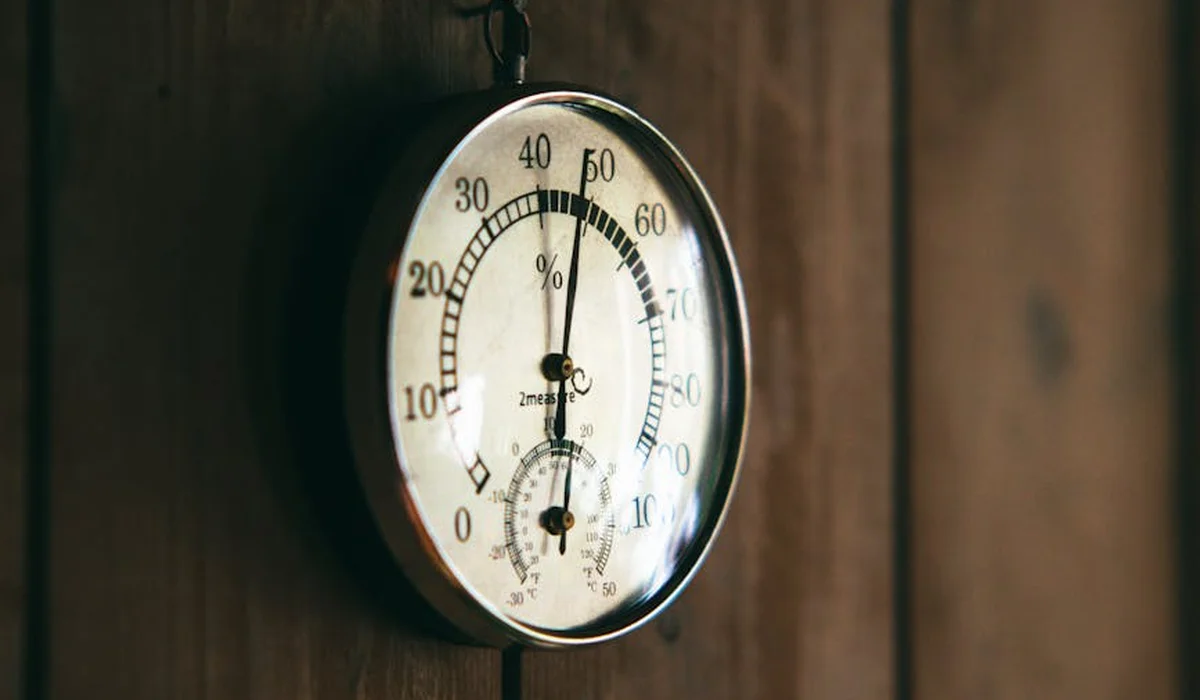
Your thermometer is a simple device, but it needs a little care to keep it honest. A faulty reading is worse than no reading at all, as it gives you a false sense of security.
Routine Maintenance Checks
Make this part of your weekly tank glance-over. Gently wipe the sensor or glass surface with a soft cloth during a water change to remove any biofilm or algae that could insulate it and cause an inaccurate reading. Avoid common aquarium water testing mistakes by verifying calibration before tests and following the recommended test schedule. Regular cleaning and calibration help ensure readings reflect true water conditions.
- Battery Vigilance: For digital models, replace the batteries once a year, or the moment the display begins to dim.
- Recalibrate Periodically: Test your thermometer’s accuracy every few months by comparing it to a known accurate one, or by placing it in a cup of ice water (it should read close to 32°F or 0°C).
When to Consider an Upgrade
If you find yourself squinting at a faded strip or a blurry liquid crystal display, it’s time for an upgrade. Moving to a digital LCD thermometer provides a crisp, easy-to-read display that’s far more precise than most analog options. I made the switch years ago and the peace of mind was immediate.
Tips for Maximizing Longevity
Treat your thermometer as the delicate instrument it is. Keep it out of direct sunlight to prevent the plastic from degrading and the display from fading over time. Avoid banging it against the glass during cleaning, and never submerge the entire unit of a digital model unless it’s specifically rated as fully submersible.
The Role of Smart Thermometers
For the tech-savvy aquarist, smart thermometers are a game-changer. These devices connect to your phone via an app, sending you immediate alerts if the temperature leaves your preset safe zone, which is invaluable for catching heater failures day or night. While not essential, they offer a powerful layer of protection, especially for expensive or sensitive livestock.
Common Questions
How often should you check aquarium temperature?
You should visually check your thermometer daily during routine tank observation. For a more formal check, verify the temperature at least once a week during partial water changes. This frequent monitoring helps you spot trends and catch any minor issues with your heater before they become emergencies.
How can you prevent temperature fluctuations in an aquarium?
Prevent fluctuations by placing your tank in a stable location away from direct sunlight, drafts, and heating/cooling vents. For optimal performance, place the aquarium heater where there is good water flow (near the filter outlet or return) to ensure even heat distribution. Always use a reliable aquarium heater that is properly sized for your tank’s volume. During water changes, ensure the new water is within 1-2 degrees of the tank’s temperature to avoid shocking your fish.
Do you need a heater with an aquarium thermometer?
Yes, a thermometer and a heater are a necessary team. The thermometer is a monitoring tool that tells you the water temperature, while the heater is the control device that actively maintains it. For tropical fish, a heater is essential to provide the stable, warm environment they need to thrive. In this essential guide, we answer the question: do you need a heater for your aquarium? We’ll help you decide based on fish species and tank conditions.
Are there smart or WiFi connected aquarium thermometers?
Yes, smart thermometers are available and connect to your home WiFi network. These devices send real-time temperature data to an app on your phone and can alert you immediately if the temperature falls outside your preset safe range. This feature provides excellent peace of mind, especially when you are away from home.
Keep Your Tank’s Climate Consistent
Choose a reliable thermometer, like a digital or glass alcohol type, and mount it away from heaters and filters for the truest reading. Accurate temperature monitoring is the simplest way to prevent stress and illness in your aquatic pets.
Caring for your fish means committing to their entire environment, starting with the water they live in. Improving water quality is essential for healthy fish. Regular testing and good filtration help keep conditions stable. Stay curious, ask questions, and your thriving aquarium will be the best reward for your dedication.
Further Reading & Sources
- 4 Best And Most Accurate Aquarium Thermometers (Over 40 Tested!) | FishLab
- Aquarium Thermometer Guide – Fish Laboratory
- The Pros and Cons of Every Type of Aquarium Thermometer
- The purpose of aquarium thermometers with FAQ and forum
- Aquarium Thermometers Instructions for Use
Lia is an expert in aquarium and pet fish care. Having worked in the marine industry and having cared for multiple pet fish, she has acquired first hand expertise on aquarium care, maintenance and setup. She always brings her practical expertise and science to help solve any aquarium related queries.
Water Quality