
From Home Tank to Career Path: Your Guide to Becoming a Professional Aquarist
Hello fellow fish keepers! That deep fascination with aquatic ecosystems-the one that has you planning tank scapes in your spare time-is the very foundation of a rewarding career. Moving from passionate hobbyist to certified professional is an exciting journey, and this guide is your first map.
We’ll cover all the essential milestones you need to hit, breaking down the process into clear, actionable steps. This article will walk you through:
- Core skills and specialized knowledge beyond basic tank maintenance.
- Formal education routes and valuable certifications to establish your expertise.
- Diverse career opportunities from public aquariums to aquaculture.
- A practical action plan for gaining experience and building your reputation.
My advice comes from hands-on years of managing complex planted systems and successfully breeding delicate fish species.
Understanding the Professional Aquarist Role
More Than a Fish Keeper
Stepping into this career means leaving the hobbyist mindset behind. Where you once worried about a single betta’s appetite, you now oversee complex ecosystems where every parameter matters. Professional aquarists are stewards of aquatic life, blending animal husbandry with science and often, public trust. It’s not just about feeding fish; it’s about managing entire life support systems, from the filters’ hum to the precise chemical balance that keeps corals shimmering. This sense of responsibility also extends to ethical sourcing: the aquarist’s conscience guides choosing suppliers who prioritize welfare and sustainable collection. Responsible sourcing ensures that the animals entering systems are treated with care from origin to display.
I learned this shift firsthand. Caring for Captain Fin taught me about aggression, but managing a community tank of 50 fish taught me about bio-load and territorial dynamics. Your responsibility expands to breeding programs, species conservation, and sometimes, making tough medical decisions for animals under your care. You become a problem-solver for issues most hobbyists never face, like designing a quarantine protocol for a new shipment of sensitive tetras.
A Day in the Life: Typical Duties and Environments
Imagine starting your morning not with a coffee, but with a water test kit in hand. Your workplace could be a bustling public aquarium, a serene zoological garden, or a focused research institute. Daily duties are incredibly varied, physically demanding, and deeply rewarding. Essential aquarium water testing kits are a daily must—use them to track pH, ammonia, nitrite, nitrate, and salinity. They help you catch issues before they affect the fish, keeping koi ponds healthy. You might be on your knees cleaning viewing glass one hour, and the next, you’re calibrating a probe to ensure dissolved oxygen stays above 5 mg/L for a koi pond.
Environments define your tasks. In a large aquarium, you’ll maintain massive systems:
- Life support monitoring: Checking pumps, UV sterilizers, and protein skimmers.
- Water quality management: Testing and adjusting pH, salinity, and temperature for specific exhibits—like keeping a reef tank at 78-80°F and a salinity of 1.025.
- Animal care: Preparing diets, administering treatments, and observing behavior for signs of stress.
Regular testing keeps water parameters stable for your aquarium. By routinely checking pH, salinity, and temperature, you can maintain proper water parameters and protect the inhabitants.
You could also work in aquaculture, where precision is key for raising food species or restoring wild populations. Every environment requires adaptability, whether you’re guiding a school tour or performing a tank transfer for a nervous catfish like Shadow.
Building Your Foundation: Essential Knowledge and Skills
Mastering the Aquatic Science Basics
You must know water chemistry like the back of your hand. The nitrogen cycle is your bible; ammonia and nitrite must be at 0 ppm, while nitrates should be kept below 20 ppm for most freshwater setups. These essential parameters—pH, ammonia, and nitrates—are what aquarists monitor daily. Understanding how each one behaves helps you predict and prevent problems before they happen. Specificity saves lives—for instance, African cichlids thrive in hard water with a pH of 7.8-8.6, while Amazonian species like tetras need soft, acidic water below pH 7.0. I think of it as learning a language; each parameter tells a story about the health of the aquatic world.
Go beyond basics. Understand gas exchange, the role of carbonate hardness in buffering pH, and how light spectra affect plant and coral growth. Create a mental checklist for every tank type: a planted tank needs iron-rich substrate and CO2 injection, while a goldfish bowl is a recipe for disaster without a 20-gallon minimum and robust filtration. That sets the stage for a complete guide to water hardness and alkalinity in aquariums. Learn how to measure GH and KH, and adjust buffering to keep pH stable across setups. Use tools like conductivity meters and refractometers, not just test strips, for accuracy that professional settings demand.
Developing Hands-On Husbandry Skills
Knowledge is useless without deft hands. Start in your own home aquarium. Practice the mundane until it becomes second nature. Routine maintenance like siphoning substrate without disturbing beneficial bacteria is a fundamental skill that prevents toxic debris buildup. Learn to net fish with a gentle scooping motion, avoiding frantic chases that can injure scales or cause stress.
Build a skill set through deliberate practice:
- Diagnose common ailments: Identify ich by its telltale white spots, or fin rot by ragged edges.
- Perform water changes: Master matching temperature and pH to avoid shock, especially for sensitive fish like discus.
- Acclimate new arrivals: Drip acclimate over an hour to prevent osmotic shock in species from different water conditions.
- Aquascape with purpose: Use driftwood, rocks, and plants to create hiding spots that make shy bottom dwellers like Shadow feel secure.
My biggest lesson came from Goldie; her constant foraging taught me to observe individual behavior, a skill crucial for spotting illness early in a crowded exhibit. These hands-on skills form the muscle memory of your profession, turning theory into tangible care.
Getting the Right Education and Credentials
Academic Pathways
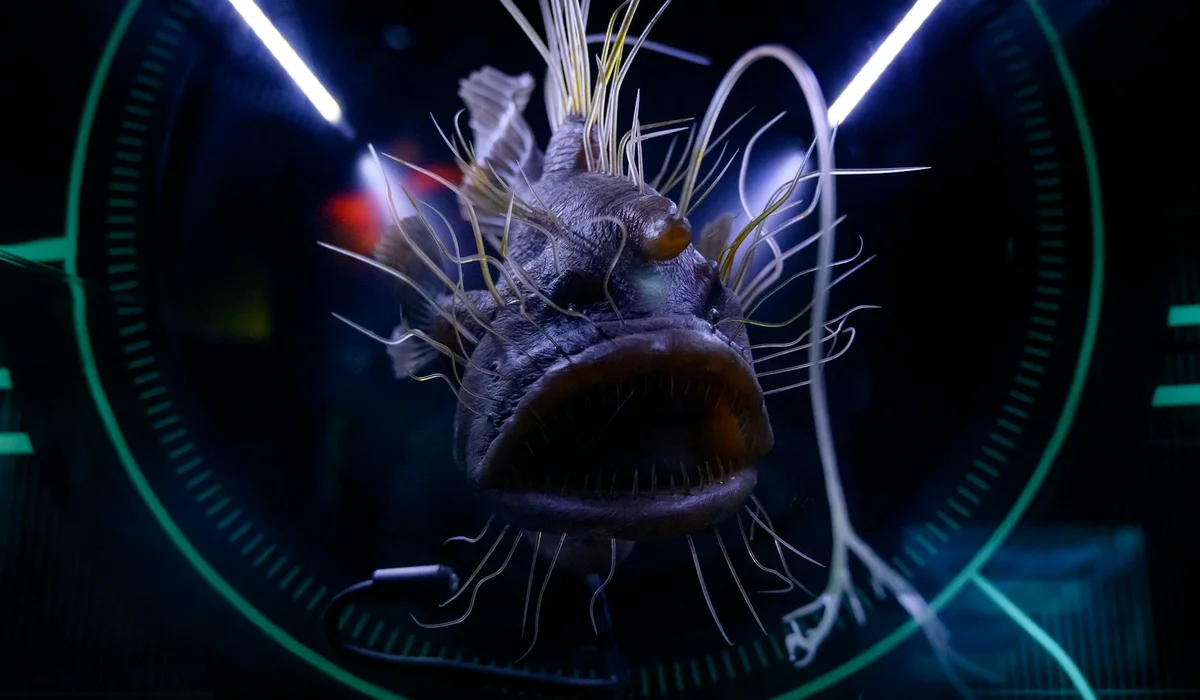
Think of formal education as your filtration system-it lays the groundwork for a clear career path. A bachelor’s degree in marine biology, aquaculture, zoology, or environmental science is a common route. I found my ecology classes invaluable for grasping how tank inhabitants like Shadow the Corydoras interact with their environment. Courses in water chemistry and microbiology directly translate to maintaining that crystal-clear aquarium water we all strive for. For those aiming higher, a master’s degree opens doors to research or specialized aquatic management roles.
Community colleges often offer associate degrees or certificates in aquarium science that are budget-friendly and focused on practical skills. Don’t overlook online courses from universities in conservation or fishery management. This academic foundation teaches you to diagnose problems beyond the obvious, like linking a fish’s lethargy to a subtle pH swing.
Certifications and Specialized Training
Degrees open the door, but certifications show you have the hands-on keys. Pursuing a credential like the Certified Aquarist (CA) from a recognized institution signals serious expertise. I recommend targeted training in areas like aquatic animal health, life support system operation, or water quality analysis. Specialized training in fish pathology helped me save a community tank from a parasite outbreak that started with one new fish.
Look for workshops from aquarium associations or veterinary groups. Here’s a quick list of valuable focus areas:
- Aquatic Veterinary Medicine Assistance (offered by some vet tech programs).
- SCUBA certification for roles involving large exhibit maintenance.
- Hazardous materials handling for those working with complex filtration systems.
These credentials build trust with employers and deepen your ability to ensure ecosystem balance.
Exploring Career Paths and Salary Expectations
Where Your Career Can Flow
The professional aquarist world is more diverse than a planted community tank. You could manage exhibits at public aquariums, oversee breeding programs for rare species, or become a aquatic consultant for film and television. My career has woven through retail, where I advised beginners on betta care for fish like Captain Fin, and into private collection management. Each path requires a slightly different skill set, from public education to advanced life support engineering.
Consider these vibrant career currents:
- Public Aquarium or Zoo Curator: You oversee entire living collections and staff.
- Aquaculture Farm Manager: Focus on sustainable food fish or ornamental species production.
- Aquatic Veterinarian Technician: Work alongside vets to diagnose and treat fish diseases.
- Specialized Retail or Breeding Operation Owner: Channel your passion into a business, breeding specific lines or selling curated equipment.
Your daily rhythm could shift from testing water parameters to designing immersive habitats.
Understanding Earning Potential
Salaries vary as much as water hardness in different regions. Entry-level aquarist positions at smaller facilities might start modestly, often in the $30,000 to $40,000 range. With experience and specialization, such as managing large shark tanks or leading conservation research, earnings can grow significantly. Leadership roles like curator or director at major institutions often command salaries of $60,000 to $80,000 or more. Private sector roles in high-end aquarium design or consulting can be similarly lucrative.
Remember, many roles offer non-monetary rewards-like the shimmer of scales in a thriving exhibit you built. Geographic location, facility size, and your unique credentials directly influence your paycheck. I’ve seen colleagues boost their income by coupling a staff position with freelance system diagnostics for local fish stores.
Gaining the Critical Hands-On Experience
Start in Your Own Living Room
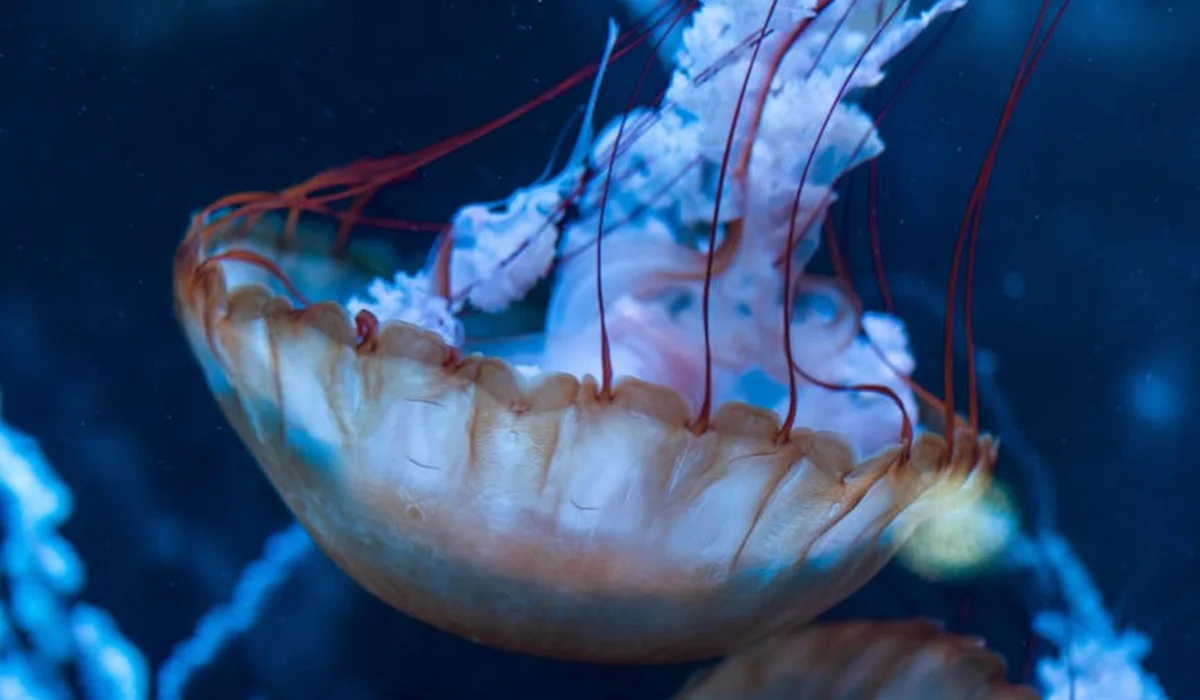
Your first and most forgiving lab is your own tank. Mastering a home aquarium teaches routine maintenance, crisis management, and species behavior. Start by challenging yourself beyond a basic setup. Try breeding livebearers or cultivating a stable high-tech planted tank to understand nutrient balance and CO2 injection. Equip yourself for success by stocking essential gear: reliable lighting, a controllable CO2 system, quality substrate, and dependable filtration. The right equipment helps stabilize nutrient levels and plant growth, making the learning curve smoother. Document everything—water change schedules, fish reactions, plant growth rates. This log becomes a portfolio piece.
Treat your home aquarium like a professional project. Here’s a simple step plan:
- Set up a dedicated species tank, like a biotope for Corydoras, mimicking their natural parameters.
- Practice advanced water testing, tracking not just ammonia but also phosphate and potassium levels.
- Learn to quarantine and medicate fish properly, a skill that saved my goldfish Goldie from ich.
The hum of the filter becomes your teacher, revealing lessons in mechanical, chemical, and biological filtration.
Securing Internships and Volunteer Positions
Nothing replaces time spent inside a professional facility. Internships and volunteer slots are your gateway. Reach out to local aquariums, zoos, hatcheries, or even reputable fish stores. Be persistent and offer your willingness to learn the unglamorous tasks-scrubbing algae, sifting substrate, preparing food. My first internship taught me more about fish stress signals in two weeks than months of reading could. These roles often lead to job offers or crucial networking connections.
To land these positions, tailor your approach. Create a resume that highlights your home tank experience and any relevant coursework. During interviews, discuss specific challenges you’ve solved, like balancing light for plant growth without triggering algae. Volunteering demonstrates commitment and gives you a real feel for the daily pace and pressures of the profession.
Navigating Challenges and Planning for Advancement
Common Professional Challenges
This career path is incredibly rewarding, but it’s not always smooth sailing. The physical demands sneak up on you-you’ll be lifting heavy bags of salt mix, hauling buckets, and spending hours on your feet. Investing in good back support and waterproof footwear isn’t a luxury; it’s a necessity for a long career.
Client and employer expectations can also create pressure. You may be asked to maintain an overstocked tank on a limited budget, or deal with a customer who is emotionally attached to a sick fish but resistant to your advice. Patience and clear, compassionate communication become just as important as your technical knowledge in these moments.
You might also face the challenge of explaining complex ecosystems to someone who just wants a “pretty decoration.” I’ve spent countless hours gently educating clients on the nitrogen cycle, turning their initial frustration into understanding. Your greatest tool is often not a test kit, but your ability to translate aquatic science into simple, actionable steps.
Charting Your Course Forward
Once you have a foundation, think about where you want to specialize. This focus makes you indispensable. Do you love the meticulous art of aquascaping, the puzzle of breeding difficult species, or the engineering behind large public aquarium life support systems?
Advancement often means moving beyond just tank care. Seek out training in business operations, customer service management, or basic veterinary assisting skills. Understanding the business side of a pet store or the logistics of a large aquatic facility opens doors to supervisory and managerial roles.
Consider these potential advancement paths:
- Specialist: Become the go-to person for reef systems, koi ponds, or aquatic plant health.
- Supervisor/Manager: Oversee a retail department, a maintenance team, or a public exhibit gallery.
- Entrepreneur: Start your own aquarium maintenance company, breeding operation, or niche online store.
- Education & Outreach: Work with museums, zoos, or non-profits to develop educational programs.
Crafting Your Application and Breaking Into the Field
Building a Winning Resume and Portfolio
Forget listing vague “passion for fish.” Employers want to see proof. Your resume should highlight tangible skills: water chemistry testing, disease diagnosis and treatment, familiarity with filtration and lighting systems, and livestock inventory management.
Create a portfolio. This is non-negotiable. A digital portfolio with high-quality photos and videos of tanks you’ve maintained, scapes you’ve built, or fish you’ve bred is more powerful than any degree. Document a tank from start to finish, showing the empty setup, the hardscape, planting, and the stable, thriving result months later. For beginners, pair this with a beginner-friendly step-by-step guide on building your first home aquarium tank. It walks you through planning, setup, cycling, stocking, and routine maintenance so your portfolio can reflect every stage.
Include any relevant certifications, even basic ones like First Aid/CPR. If you’ve volunteered at a public aquarium or assisted a local breeder, detail your specific duties. Quantify your experience whenever possible-“Maintained a client base of 15 residential accounts” speaks volumes.
The Job Search and Interview Process
Look beyond the obvious. Jobs are posted at local fish stores, public aquariums, and zoos, but also check companies that build and service commercial aquariums for offices and restaurants, or businesses specializing in pond construction and maintenance.
Your network is your net worth. Spend time in the fish stores you admire. Ask thoughtful questions. Getting known as a knowledgeable and enthusiastic regular often leads to hearing about job openings before they’re advertised. Online forums and local aquarium clubs are also invaluable resources.
In an interview, be ready for practical tests. You might be asked to identify fish diseases from photos, calculate the correct dosage of a medication for a given tank volume, or explain how you would troubleshoot a cloudy aquarium. They are testing your calm, methodical problem-solving process as much as the answer itself. Frame your answer as a quick, step-by-step guide to testing your aquarium water properly: outline the key parameters you would check and the initial actions you would take. Show them how you think, and let your genuine enthusiasm for the aquatic world shine through.
FAQs
What is an aquarist?
An aquarist is a professional dedicated to the comprehensive care of aquatic ecosystems and their inhabitants. This role involves managing water quality, life support systems, and animal health beyond basic hobbyist tasks. Aquarists often work in settings like public aquariums, zoos, or research facilities, where they contribute to conservation, breeding programs, and educational outreach.
What education is needed to become an aquarist?
While paths vary, a bachelor’s degree in marine biology, aquaculture, zoology, or environmental science is commonly preferred. Alternatively, associate degrees or certificates in aquarium science offer focused, practical training. This education provides essential knowledge in water chemistry, biology, and ecosystem management to handle professional responsibilities effectively.
What skills are essential for an aquarist?
Critical skills include proficiency in water chemistry testing and adjustment, such as monitoring ammonia, nitrite, and pH levels. Hands-on abilities like disease diagnosis, safe animal handling, and life support system maintenance are also vital. Strong observational, problem-solving, and communication skills help in ensuring animal welfare and educating the public.
What is the job outlook for aquarists?
The job outlook is steady, driven by interest in aquaculture, conservation, and public aquarium expansions. Opportunities exist in zoos, aquariums, research, and private sectors, but roles can be competitive. Building experience through internships and earning certifications can enhance employability and advancement prospects in this niche field.
Your Journey Starts Here
To build a real career, focus on gaining hands-on experience in every aspect of aquarium care and actively seek mentorship from established professionals. This foundation of practical skill and professional networking is what will truly set you apart and open doors. Trying a self-sustaining aquarium project gives you a concrete goal. It shows you can blend biology, engineering, and maintenance into a self-contained system.
The heart of this profession is a commitment to lifelong learning and a deep compassion for the living creatures in your care. Your success will be measured by the health of the ecosystems you manage and the knowledge you share to promote better fishkeeping for everyone.
Further Reading & Sources
- How to Become an Aquarist | EnvironmentalScience.org
- How To Become an Aquarist: Duties, Salary and Career Path | Indeed.com
- How To Become An Aquarist
- Aquarist Job Description (Updated 2023 With Examples) | CGAA
- A Complete Guide to the Aquarist Profession: Responsibilities, Education, and Growth
Lia is an expert in aquarium and pet fish care. Having worked in the marine industry and having cared for multiple pet fish, she has acquired first hand expertise on aquarium care, maintenance and setup. She always brings her practical expertise and science to help solve any aquarium related queries.
Water Quality