
Low-Tech Aquascaping Simplified: Beginner-Friendly Paths to a Lush Aquarium
Hello fellow aquarium enthusiasts! Does the idea of a beautifully planted tank feel out of reach, tangled up with fears of expensive CO2 kits and finicky high-tech gear? I remember feeling exactly the same when I started, and I’m here to show you that a stunning aquascape is totally possible with simpler, more forgiving methods.
This straightforward guide will help you build a thriving underwater garden by focusing on these core techniques:
- Selecting the perfect hardy, low-light plants that thrive on neglect.
- Building a rich substrate foundation without injected carbon dioxide.
- Harnessing affordable lighting and natural water balance for steady growth.
- Establishing an easy maintenance routine that keeps algae at bay and fish happy.
My advice comes from hands-on experience, having nurtured everything from complex high-tech systems to serene low-tech tanks for years.
Defining the Low-Tech, Plant-Friendly Freshwater Tank
Picture a tank where the gentle hum of the filter is the only gadget at work, and crystal clear water supports a thriving jungle of green. A true low-tech tank ditches the compressed gas cylinders and complex dosing regimens, relying instead on robust plants, sensible fish loads, and consistent basic care. I run several of these peaceful havens, and my shy Corydoras like Shadow absolutely flourish in them, constantly foraging through the leafy substrate.
We’re talking about setups that typically need just a reliable light on a timer, a heater if your room gets chilly, and a filter suited to the tank’s volume. Ultimately, it’s about building a self-sustaining aquarium that can maintain itself with minimal intervention. You guide healthy plant growth and a balanced micro-ecosystem to keep water parameters steady. Your goal is to create a self-sustaining slice of nature where plant growth naturally keeps algae in check and water parameters stable. A 10 or 20-gallon tank is a perfect canvas to start learning this balanced approach.
You’ll focus on forgiving plant species like Java Fern, Anubias, and Amazon Sword that pull nutrients directly from the water column or a simple substrate. This method isn’t about rapid, showy growth; it’s about cultivating resilience and clarity that lasts for months with minimal fuss. The shimmer of fish scales against a backdrop of healthy leaves is your reward for working with natural processes.
The Core Philosophy: Working With Nature, Not Against It
Think of your aquarium not as a sterile box you control, but as a miniature wetland you gently guide. The core idea is to harness natural cycles-like the nitrogen cycle-and let your plants be the primary water purifiers. I’ve seen tanks where a handful of fast-growing stems do more for water clarity than an arsenal of chemical filtrants. That approach directly improves water quality and supports healthy fish. When water stays clean and balanced, your fish stay less stressed and more vibrant.
This means embracing a slower pace and observing how your ecosystem responds. You add nutrients through fish food and occasional liquid fertilizers, and your plants use them, effectively outcompeting algae for resources. It’s a beautiful, living balance where your feisty Betta, Captain Fin, can patrol his territory without sudden swings in water chemistry stressing him out.
Select fish that fit this calm environment. Peaceful, small community fish or a solitary centerpiece fish are ideal, as their bioload won’t overwhelm the natural filtration capacity of your plants. A group of neon tetras or a single dwarf gourami creates movement without chaos, letting the planted scape remain the star.
Planning Your Scape: A Simple Blueprint for Success
Before you add a single drop of water, grab a notebook and sketch your vision. Planning prevents the messy rescape later and helps you visualize the final look, ensuring your hardscape and plants have a natural flow. I always start by deciding on a focal point-a beautiful piece of driftwood or a uniquely shaped rock-and build the entire layout around it.
Consider these three pillars for your blueprint:
- Tank Dimensions: Longer tanks (like 20-gallon longs) offer more foreground space for creating depth than taller tanks.
- Plant Zones: Plan for tall background plants, mid-ground bushy types, and low carpeting or foreground species.
- Negative Space: Leave some open swimming areas; a scape crammed full can feel cramped and stress fish like my social Goldie who loves to forage in open water.
Your substrate choice is part of this foundation. A layer of nutrient-rich soil capped with smooth gravel or sand provides a lasting food source for root-feeding plants and a soft bed for bottom dwellers. This simple two-layer system supports lush growth without needing root tabs for the first year.
Step-by-Step: Assembling Your Hardscape Foundation
Your rocks and wood are the bones of your aquascape, setting the structure everything else follows. Always assemble your hardscape in the dry tank first, moving pieces around until the composition feels right from every viewing angle. I’ve spent hours rearranging dragon stone until it looked like a miniature mountain range, and it was time well spent.
- Clean and Prepare: Scrub rocks with a brush under hot water. Soak or boil driftwood for a week to waterlog it and release most tannins, which otherwise tint your water tea-colored.
- Establish the Focal Point: Place your largest, most interesting piece off-center, following the rule of thirds for a more natural, dynamic look.
- Build Outwards and Anchor: Arrange supporting stones or wood to create a sense of flow, pointing towards the focal point. Bury the base of stones slightly in the substrate for stability.
- Create Depth and Pathways: Use smaller pieces in the foreground and larger ones in the back to enhance perspective. Ensure you leave open sandy pathways for fish like Corydoras to sift through.
- Do the Final Check: Step back, take a photo, and live with the layout for a day. A great hardscape should look interesting and balanced even before you add a single plant or drop of water.
Use aquarium-safe silicone or cyanoacrylate gel to securely attach rocks together if you’re building steep structures. This prevents accidental collapses later that could crack your glass or harm your fish, a lesson I learned after a late-night rescape scare. Once satisfied, you’re ready to gently add your substrate and begin planting.
Choosing Your Green Team: Hardy, No-CO2 Plants
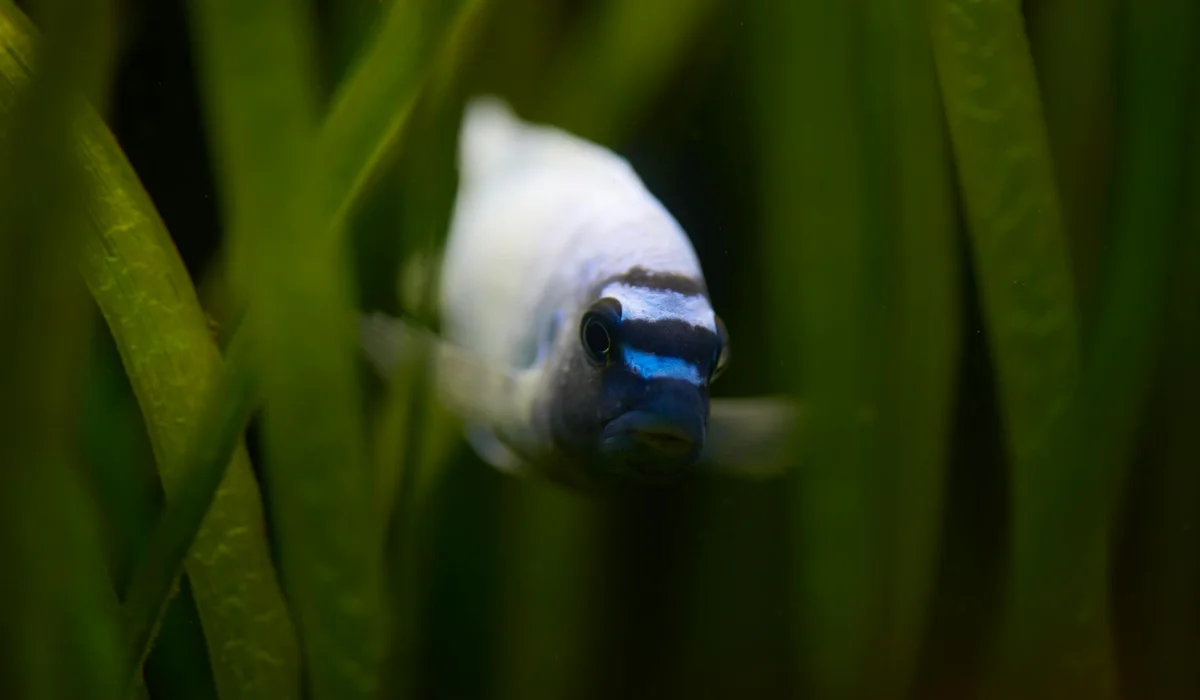
Building a lush aquarium without pressurized CO2 is totally doable when you pick plants that evolved to thrive in low-tech conditions. These resilient species get their carbon from the water column and fish waste, so they won’t demand extra gear or constant dosing from you. Do you need CO2 in a planted aquarium? In many beginner setups, you don’t—plants can thrive on lighting and nutrients alone. I always stock my beginner-friendly tanks with a mix of leaf textures and growth habits to create depth and interest.
Here are my top picks for plants that have never let me down:
- Java Fern: Tie its rhizome to driftwood or rock; burying it will cause rot. It grows slowly in moderate light and my betta, Captain Fin, loves resting on its broad leaves.
- Anubias: Similar to Java Fern, attach it to hardscape. The ‘Nana’ variety stays compact and Shadow, my corydoras, often hides in its dense clusters.
- Cryptocoryne wendtii: A root-feeder that comes in bronze or green. It might ‘melt’ when first planted, but new leaves will sprout from the roots in a week or two.
- Java Moss: Super versatile; you can let it float or attach it to create a carpet or wall. It’s a fantastic nursery for beneficial bacteria.
- Hornwort: A fast-growing stem plant that you can plant or float. It soaks up excess nutrients, helping to keep algae in check.
Planting and Initial Care for Your New Garden
Getting your plants settled properly prevents a lot of headaches later. Always gently rinse new plants in dechlorinated water to remove any hitchhikers or residue before they touch your tank. This simple step has saved my setups from pests more times than I can count.
Follow this straightforward process for a strong start:
- For potted plants, carefully remove the wool or rock wool from the roots.
- Use planting tweezers to insert root feeders like Crypts into the substrate, making sure the crown (where roots meet leaves) is just above the gravel.
- For rhizome plants like Anubias, use super glue gel or cotton thread to secure them to your hardscape instead of burying them.
- Space your plants with their mature size in mind-cramming them together now blocks light and water flow later.
Post-planting, your main job is patience. Run your lights for only 6-8 hours daily to give plants time to adjust without encouraging an algae party. The question of how long aquarium lights should stay on for fish and plants is common—8-10 hours is a typical starting point. Too long can spark algae; too short can limit plant growth. A liquid fertilizer for low-tech tanks, used once a week after a water change, provides a gentle nutrient boost while your ecosystem finds its balance.
The Low-Tech Toolbox: Essential, Budget-Friendly Equipment
You don’t need a warehouse of gadgets for a beautiful planted tank. Focusing on a few reliable, affordable pieces creates a stable environment where your plants and fish can flourish without complexity. The gentle hum of a dependable filter and the soft glow of a good light are the heartbeats of a low-tech tank. It’s all about using the right equipment.
Here’s what you really need to budget for:
- Filter: A simple sponge filter powered by an air pump is ultra-reliable, provides biological filtration, and is safe for fry or shrimp. For tanks over 20 gallons, a hang-on-back filter with adjustable flow is a great step up.
- Light: A basic LED light with a timer is perfect. Look for one rated for “low to medium” light plants; you don’t need blinding, high-tech intensity.
- Heater: A submersible heater with an adjustable thermostat is non-negotiable for most tropical plants and fish. Always get one rated for your tank’s volume.
- Test Kit: A liquid master test kit for pH, ammonia, nitrite, and nitrate lets you see your water’s story, so you’re not guessing.
Selecting the Right Substrate for Root Growth
Your substrate is more than just decoration-it’s the pantry for your root-feeding plants. In a low-tech tank, choosing a substrate that holds nutrients without becoming compacted is the secret to long-term root health. I’ve seen Cryptocorynes and Amazon Swords struggle in plain gravel but explode with growth in the right foundation.
You have two main paths to consider:
- Nutrient-Rich Aquarium Soil: Products like aqua soil pellets are packed with minerals and lower pH slightly, which many plants adore. They can cloud water initially but settle down. This is my go-to for any tank where I plan on having heavy root feeders.
- Inert Substrate with Root Tabs: If you prefer sand or gravel for a specific look or for bottom-dwellers like Shadow, you can still grow plants. Just press root tab fertilizers into the substrate every 3-4 months to feed the roots directly.
Aim for a substrate depth of at least 2 inches in the areas where you’ll plant. This gives roots plenty of room to spread out and anchor your aquascape firmly in place. Rinse inert substrates thoroughly before adding them to avoid dust clouds, but avoid rinsing nutrient soils as you’ll wash away the good stuff.
Mastering the Balance: Ongoing Maintenance Made Simple
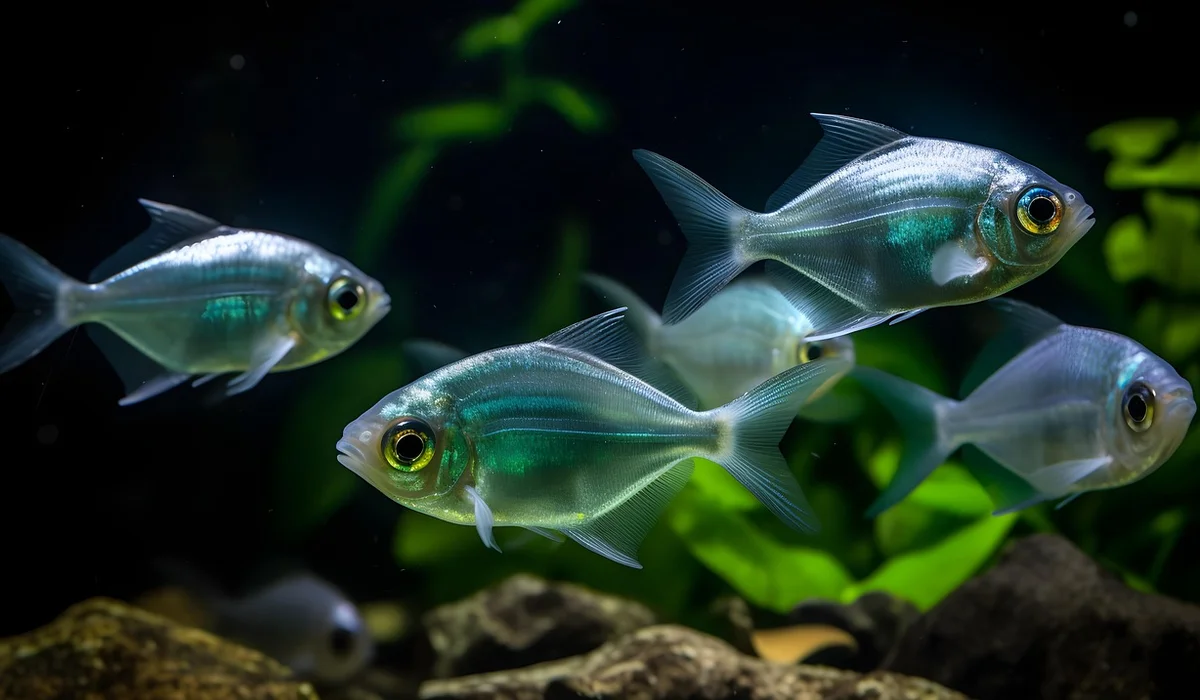
Keeping a low-tech tank thriving is about consistency, not complexity. Your goal is to support the natural balance so the ecosystem almost cares for itself. I spend about thirty minutes a week on my low-tech tanks, and that gentle routine keeps the water crystal clear and the fish vibrant. Are there essential maintenance tasks, and how often should you perform them? In a simple setup, a few core tasks—weekly checks and occasional partial water changes—done on a regular schedule, keep the balance stable.
Water Chemistry for a Thriving Low-Tech Ecosystem
Think of water chemistry as the silent recipe for your tank’s health. In a low-tech setup, stability is your best friend-wild swings in parameters stress fish and plants. You don’t need a lab; you just need to watch a few key things.
Start with the nitrogen cycle. This is how waste becomes safer. Beneficial bacteria will naturally colonize your filter and substrate, converting harmful ammonia into nitrite and then into nitrate. In a planted low-tech tank, your plants slowly consume that nitrate as food.
Test your water weekly with a liquid test kit. Here’s what to look for:
- Ammonia and Nitrite: Always aim for zero. Any reading above 0 ppm means your cycle might need help.
- Nitrate: Keep it between 10-20 ppm for plant health without encouraging algae.
- pH: Most beginner plants and fish are happy between 6.5 and 7.5. Choose species that match your tap water to avoid constant adjustments.
- General Hardness (GH) and Carbonate Hardness (KH): These measure minerals. A moderate GH around 4-8 dGH supports fish and plants, while KH helps stabilize pH.
For my tank with Shadow the corydoras, I keep the temperature at a steady 74°F and the pH around 7.0. Small, frequent water changes of 10-15% are far better than large, infrequent ones that shock the system. Use a gravel vacuum to gently clean the substrate without disturbing those crucial bacterial colonies.
Adding Life: Fish and Creature Compatibility
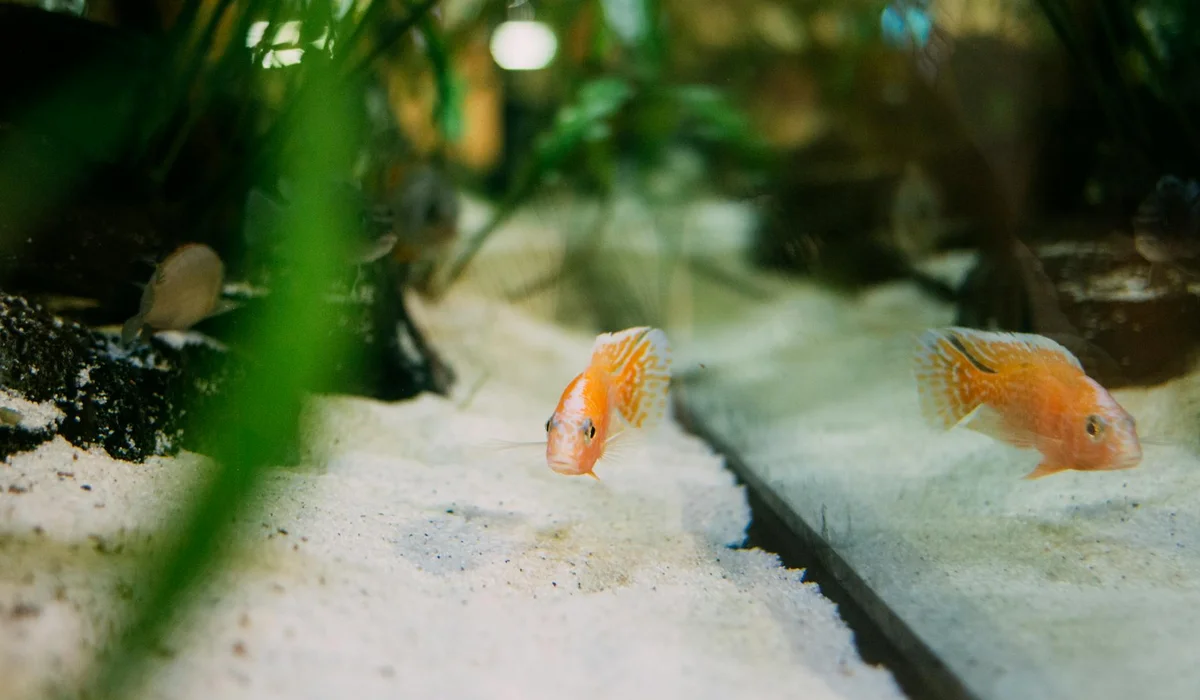
Choosing the right inhabitants makes your low-tech journey joyful, not frustrating. Pick fish that are hardy, peaceful, and don’t demand specialized equipment like strong currents or precise heating. Overstocking is the fastest way to upset your tank’s delicate balance.
From my experience, Captain Fin, my betta, thrives in a calm, planted 10-gallon tank by himself. For an ideal betta setup, many keepers start with at least 5 gallons, with 10 gallons offering plenty of swimming room and plant growth. Bettas are low-tech stars because they breathe air and enjoy slow-moving water, but they often live alone to avoid fights. Goldie the goldfish, however, taught me a lesson; they produce too much waste for a typical low-tech planted tank and need massive filtration and space.
Here are my top picks for beginner low-tech communities:
- Small Schooling Fish: Ember tetras, celestial pearl danios, or harlequin rasboras. They add shimmering motion and feel safe in groups of six or more.
- Peaceful Bottom Dwellers: Like Shadow, pygmy corydoras or kuhli loaches. They scavenge leftover food and keep the substrate tidy.
- Centerpiece Fish: A single honey gourami or a betta in their own tank. Their personalities shine without high tech needs.
- Clean-Up Crew: Nerite snails or cherry shrimp. They graze on algae naturally, reducing your maintenance.
Always research adult sizes and temperaments. A 20-gallon long tank offers more stable water and swimming space than a tall 20-gallon, letting you keep a small school of tetras with some corydoras happily. Listen to your tank-the hum of the filter should be background music to active, not frantic, fish.
Common Questions
What does nano mean in aquascaping?
In aquascaping, “nano” specifically refers to very small aquariums, typically under 10 gallons. These tiny ecosystems require careful planning because water parameters can change rapidly. Their small size makes them perfect for desktops or small spaces, offering a manageable yet detailed canvas for creating a miniature underwater world. In this ultimate guide to setting up a nano aquarium, you’ll find practical, step-by-step advice. It covers equipment, substrates, lighting, and maintenance to keep your tiny ecosystem thriving.
How do you start a low-tech nano aquascape?
Begin by thoroughly planning your layout on paper, focusing on a strong hardscape (rocks and driftwood) as the foundation. Carefully add a nutrient-rich substrate, then plant hardy species like Java Fern and Anubias, attaching them to your hardscape. Finally, fill the tank slowly, start your filter, and begin a patient cycling process to establish beneficial bacteria before adding any fish.
What are the best plants for low-tech nano aquascaping?
The best plants are slow-growing, hardy species that don’t require injected CO2. Excellent choices include Java Fern, Anubias, and Java Moss, which you attach to decorations rather than planting in the substrate. For added texture, small Cryptocoryne species and floating plants like Salvinia are also fantastic, low-maintenance options for a nano tank with no CO2 injection.
How do you maintain water quality in a nano tank?
Consistency is key. Perform small, frequent water changes (10-20% weekly) using a gravel vacuum to remove waste without shocking the system. Diligently test water parameters with a liquid test kit to monitor ammonia, nitrite, and nitrate levels, and avoid overfeeding or overstocking to prevent waste buildup in the small volume.
Ready to Start Your Own Low-Tech Aquascape?
Begin with hardy plants like Java Fern and focus on maintaining stable, clean water through simple, regular care. Your patience in letting the ecosystem find its balance will be rewarded with a thriving, natural underwater landscape.
Caring for a tank is a lasting promise to provide a healthy home for your aquatic pets. Stay curious, connect with other hobbyists, and let each day in this hobby teach you something new.
Further Reading & Sources
- Low-tech planted tanks: the ultimate start-to-finish guide
- r/PlantedTank on Reddit: What do I need to know to have a successful low tech/budget planted tank. I have a green thumb outta water but can barely keep aquarium plants alive.
- Low Tech Aquascaping: What you need to know – ScapeFu
- Low Tech setup – 5 keys to maximise success – The 2Hr Aquarist
- Low Tech Aquascape
Lia is an expert in aquarium and pet fish care. Having worked in the marine industry and having cared for multiple pet fish, she has acquired first hand expertise on aquarium care, maintenance and setup. She always brings her practical expertise and science to help solve any aquarium related queries.
Aquascaping