
Your Perfect Tank Match: A Guide to Common Aquarium Sizes and Their Best Uses
Hello fellow aquarists! That feeling of staring at empty glass boxes at the pet store, completely unsure which one is right for your aquatic dreams, is something we all know. Choosing the correct aquarium size is the single most important decision you’ll make, and getting it right saves you from countless headaches down the road.
This guide will walk you through the most popular aquarium sizes, cutting through the confusion so you can start your next project with confidence. We’ll cover:
- The exact dimensions and gallon capacities of standard tanks
- Smart stocking ideas for each size, from nano shrimp bowls to large community tanks
- Which fish truly thrive and which are a hard “avoid” for specific aquariums
- Essential equipment pairings to make each tank a success
I’ve set up and maintained dozens of tanks over the years, from tiny planted betta cubes to a massive 125-gallon South American biotope, learning these lessons through direct, hands-on experience.
Small Aquarium Sizes: Perfect for Starting Your Aquatic Journey
5-Gallon Tanks: Tiny Worlds with Big Personality
Think of a 5-gallon tank as a compact studio apartment for a single, spectacular tenant. The water volume is small, so water quality can shift quickly if you’re not diligent. I run a weekly 25% water change on my 5-gallon tanks without fail.
For a 5-gallon tank, your best residents are a single Betta fish, a small colony of Neocaridina shrimp, or a handful of colorful Snails. This size is too small for any traditional schooling fish, despite what some big-box stores might suggest. My Betta, Captain Fin, thrives in his heavily planted 5-gallon, flaring at his reflection amongst the java fern. For more guidance, check out the best fish for a 5-gallon nano tank.
- Ideal Inhabitants: One Betta, Red Cherry Shrimp, Mystery Snail.
- Water Changes: 1-2 times per week, about 1-1.5 gallons.
- Filtration: A gentle sponge filter is perfect to avoid strong currents.
- Heater: Absolutely necessary for tropical species; aim for a stable 78-80°F.
10-Gallon Tanks: A Step Up for Small Communities
Stepping up to a 10-gallon tank is like moving from a studio to a one-bedroom; the possibilities for a small community finally open up. You get more stability in water parameters, which is a huge relief for beginners. The extra space allows for a more interesting aquascape with different levels.
A 10-gallon aquarium is the smallest tank I recommend for keeping a true school of small fish, like six Ember Tetras or a group of male Endler’s Livebearers. You can also create a fascinating nano-environment. I once kept a thriving colony of Pygmy Corydoras, reminiscent of my larger Shadow, in a well-filtered 10-gallon.
- Ideal Inhabitants: School of 6-8 small fish (Ember Tetras, Chili Rasboras), a Pea Puffer, or a Dwarf Gourami.
- Tank Dimensions: The standard 20″ x 10″ footprint gives you good swimming length.
- Maintenance: A 25% water change weekly is typically sufficient.
- pH & Hardness: Aim for a neutral pH around 7.0 and moderate hardness for most community fish.
Medium Aquarium Sizes: The Versatile Middle Ground
20 to 30-Gallon Tanks: Balancing Space and Manageability
This range is the sweet spot for many hobbyists. A 20-gallon long tank, with its wide, shallow footprint, is one of my all-time favorite layouts. It offers more swimming room than a tall tank and is perfect for creating a stunning aquascape.
The increased water volume in a 20 or 30-gallon tank acts as a giant buffer, making it much more forgiving of minor mistakes than smaller aquariums. You can finally keep a wider variety of classic community fish. The gentle hum of the filter on my 29-gallon provides the soundtrack for a peaceful, established community.
- Ideal Inhabitants: A full community tank with Tetras, Corydoras, and a centerpiece fish like a Honey Gourami.
- Tank Styles: 20-gallon Long (ideal for bottom dwellers), 29-gallon Tall (great for taller plants like Vallisneria).
- Stocking Tip: You can comfortably house 15-20 small fish in a well-maintained 29-gallon.
- Equipment: A hang-on-back filter paired with a 50-watt heater works wonderfully.
40-Gallon Breeder Tanks: Room to Grow and Explore
A 40-gallon breeder tank is a game-changer. Its dimensions are deep and wide, providing an incredible canvas for aquascaping and offering ample floor space for bottom-dwelling fish to truly exhibit their natural behaviors.
This tank size gives you the freedom to keep larger schools of fish, more demanding plant species, or even begin exploring the world of mild cichlids. The sheer volume means you’ll only need to do a 20-30% water change every week or two, which is a manageable commitment for the payoff. Watching a large school of Rummy-nose Tetras shimmer and turn in unison in a 40-gallon is pure aquatic magic.
- Aquascaping: Use the depth to create terraces and slopes with lava rock or driftwood.
- Fish Choices: Consider a group of German Blue Rams, a large school of Harlequin Rasboras, or a peaceful pair of Angelfish (in a 40-gallon tall).
- Filtration: A canister filter is highly recommended to handle the biological load and keep the water crystal clear.
- Water Parameters: You can maintain more specific parameters, like the soft, acidic water preferred by Amazonian species.
Large Aquarium Sizes: Crafting Expansive Underwater Habitats
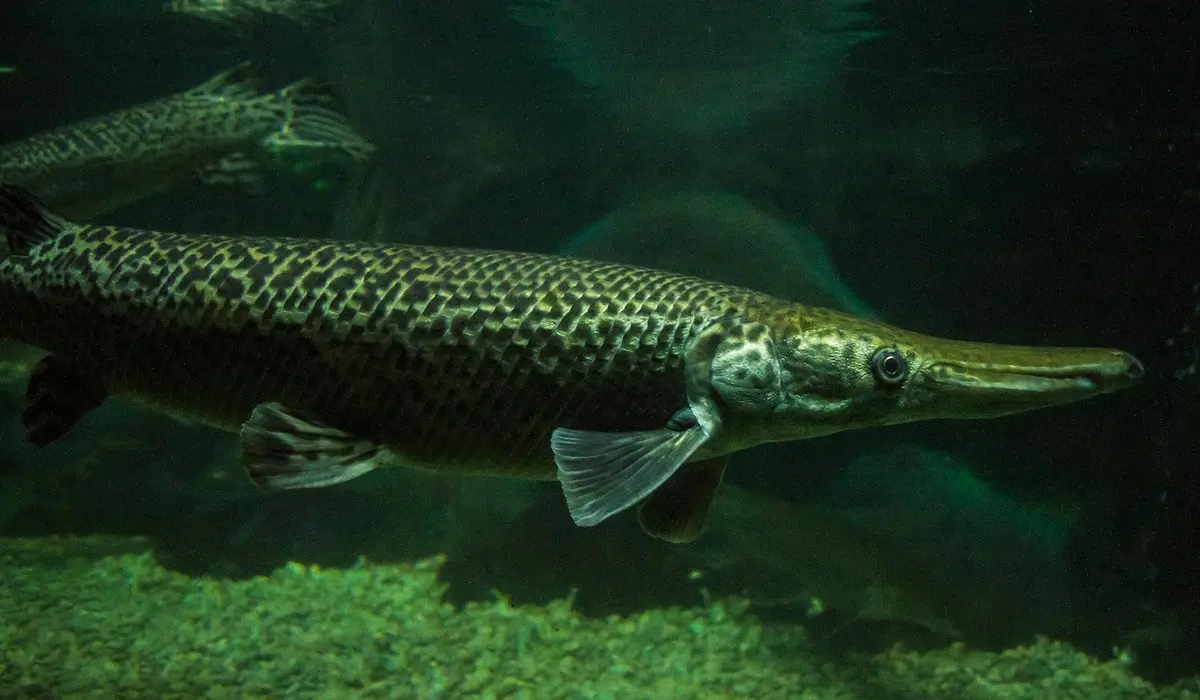
55 to 125-Gallon Tanks: Ideal for Active Fish Communities
Stepping into this size range feels like you’re finally giving your fish the spacious home they deserve. A 55-gallon tank, often 48 inches long, is a classic workhorse. It provides the horizontal swimming space that active fish like rainbowfish, larger tetras, and a whole school of Corydoras truly need to thrive. You can create stunning depth with your aquascaping, building layers of plants and driftwood.
The 75-gallon tank, with its extra front-to-back depth, is my personal sweet spot for a community tank because it allows for more creative hardscape and gives broader fish ample room to turn comfortably. This volume of water is incredibly forgiving; parameter swings happen much more slowly, which means a safer, less stressful environment for your aquatic pets. That makes it a flexible choice for either a species-only display or a mixed community. In a setup-style guide, the 75-gallon often shines because it accommodates both approaches with room to grow.
Here are some perfect inhabitants for a 55 to 125-gallon community:
- Angelfish: A small group can live peacefully in a 55-gallon, but a 75-gallon is better.
- Rainbowfish: Their active, schooling nature shines in a 4-foot-long tank.
- Gouramis: Larger species like Pearl or Blue Gouramis need this space.
- Plecostomus: Common Plecos get very large and are best suited for the 125-gallon range.
- Schools of larger tetras: Think Congo Tetras or Silver Tips.
150-Gallon and Beyond: The Pinnacle of Home Aquaria
This is the realm of the dedicated aquarist. A 150-gallon tank, typically 72 inches long, is not just an aquarium; it’s a commanding piece of living furniture and a true ecosystem. The sheer water volume provides unparalleled stability, but it also demands robust, often custom, equipment. Your filter needs to handle a massive biological load, and you’ll likely need multiple heaters to distribute warmth evenly.
Owning a tank this size is less about adding more fish and more about being able to keep fish that simply cannot live in smaller quarters. It’s a commitment to providing for species with specific, demanding needs. The hum of the powerful filtration becomes the background music to a breathtaking underwater world.
These tanks are built for impressive, often single-species, displays:
- Oscar Cichlids: A single Oscar needs a 75-gallon, but a pair thrives in 125+ gallons.
- Discus: A group of these majestic fish requires the stable, warm water of a 150-gallon.
- Large African Cichlid Communities: You can mix vibrant species from Lake Malawi or Tanganyika.
- Bichirs and Other Oddballs: For the predator enthusiast, this is where knife fish and larger bichirs call home.
Specialized Aquarium Setups and Their Ideal Sizes
Nano and Specialty Tanks: Small Scale, Big Impact
Don’t let their size fool you. Nano tanks, typically between 2 and 10 gallons, present a unique and rewarding challenge. They are perfect for small apartments, offices, or as a dedicated species tank. The key to success here is impeccable water quality, as toxins can build up in hours, not days. For the ultimate guide to setting up a nano aquarium, follow a step-by-step plan on equipment, cycling, and maintenance. This approach helps keep water pristine and inhabitants thriving in a compact setup.
A 5-gallon tank is the absolute minimum I recommend for a single Betta, and even then, it requires diligent weekly water changes and a gentle filter. For the ideal tank size setup for a Betta, many keepers aim for at least 5 gallons and often 10 gallons or more to provide space and stability. This extra volume helps maintain stable water parameters and reduces daily maintenance stress on the fish. The shimmer of a Betta’s fins in a carefully aquascaped nano tank is a truly beautiful sight. These small volumes are also where you can create intricate, detailed landscapes that would be lost in a larger tank.
Here’s a guide to what thrives in a nano setup:
- 2 to 5 Gallons: Ideal for a population of Red Cherry Shrimp or a single Betta fish.
- 5 to 10 Gallons: Perfect for a small school of six Microrasbora (like Chili Rasboras) or a colony of Crystal Red Shrimp.
- 10 Gallons: A great size for a pair of German Blue Rams or a small group of Pea Puffers.
Specialty tanks also include shallow, wide “breeder” tanks, which are fantastic for fish that dwell at the bottom or for encouraging breeding behavior. A 20-gallon long or a 40-gallon breeder offers more footprint and less height, providing more usable space for many species than a standard tall tank.
Common Aquarium Sizes Chart: Your Quick-Reference Guide
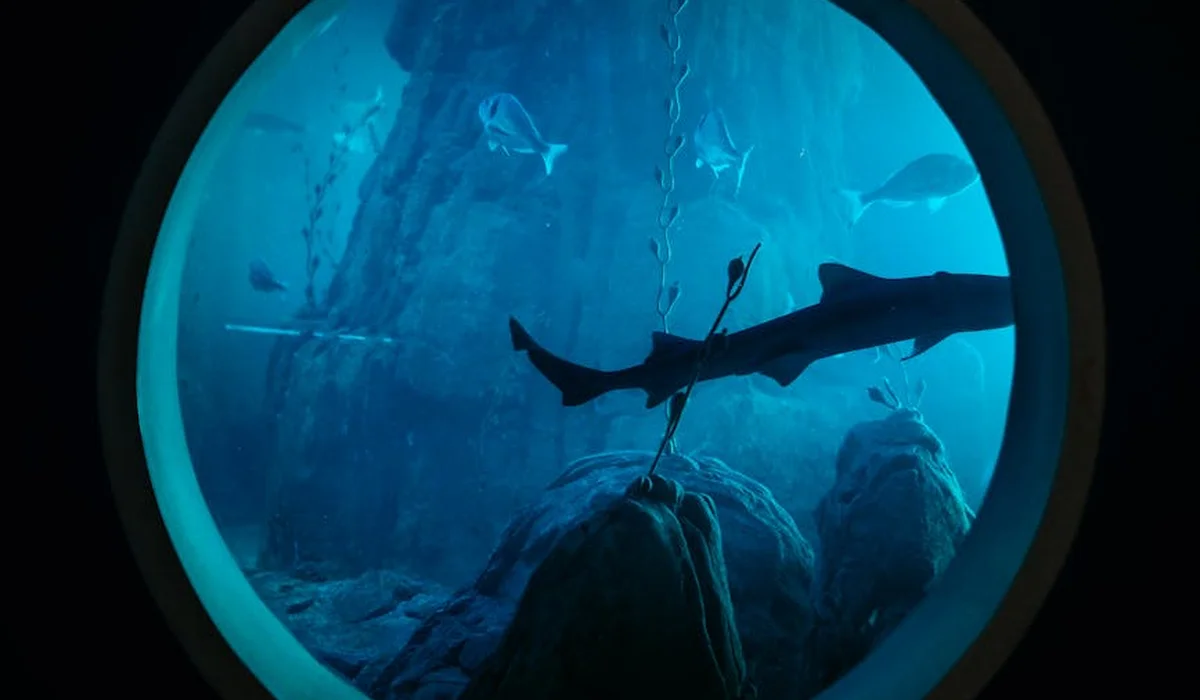
Choosing the right tank size can feel overwhelming, but I’ve found that starting with a quick visual guide makes everything clearer. This chart breaks down the most popular aquarium sizes, their dimensions, and the fish or setups they best support based on my own tank-keeping journey. You’ll notice that larger tanks often offer more stability, which is a lifesaver for beginners and experts alike.
| Size (Gallons) | Dimensions (Length x Width x Height) | Best Uses & Stocking Ideas |
|---|---|---|
| 5 | 16″ x 8″ x 10″ | Single betta, nano shrimp colony, or small planted scape; ideal for desks or small spaces |
| 10 | 20″ x 10″ x 12″ | Beginner community with small fish like tetras, or a betta with snail friends; great for learning water chemistry |
| 20 | 24″ x 12″ x 16″ (standard) or 30″ x 12″ x 12″ (long) | Small school of corydoras with live plants, or a pair of dwarf cichlids; the long version gives fish more swimming room |
| 29 | 30″ x 12″ x 18″ | Larger community tanks with angelfish or gouramis; extra height is perfect for tall decor and plant growth |
| 55 | 48″ x 13″ x 21″ | Active fish like rainbows or larger schools; I’ve used this for mixed communities with plenty of hiding spots |
| 75 | 48″ x 18″ x 21″ | Semi-aggressive species or planted aquascapes; the added width allows for better territory divisions |
| 125 | 72″ x 18″ x 23″ | Large cichlids, discus, or full aquascaping projects; this size demands more filtration but rewards with stunning displays |
Remember, the shimmer of scales looks even better in a tank that matches your fish’s needs. Always lean toward a larger tank if you can-it dilutes waste and reduces how often you need to test and adjust water parameters. I’ve rescued many fish from cramped homes by upgrading to a properly sized aquarium.
Measuring Your Space: Gallons, Feet, and Inches Demystified
Before you fall in love with a tank, grab a tape measure and check your available space. I can’t stress enough how many hobbyists, including myself early on, buy a tank only to find it doesn’t fit on their stand or against the wall. Gallons tell you volume, but dimensions in feet and inches show the actual footprint.
Here’s a simple way to think about it: a 10-gallon tank might be 20 inches long, while a 20-gallon long is 30 inches-that extra length changes everything for active swimmers. Measure the length, width, and height of your intended spot, leaving a few inches extra for cords and maintenance access. The hum of the filter should be soothing, not a reminder that you’re crammed for space.
- Use a steel tape measure for accuracy; fabric ones can stretch and give false readings.
- Account for the stand or furniture-it must support the tank’s weight (water is heavy, at about 8.3 pounds per gallon!).
- Check doorways and hallways if you’re moving the tank indoors; I’ve had to partially disassemble stands to fit them through tight spaces.
If you’re unsure, calculate the volume yourself: multiply length x width x height (in inches), then divide by 231 to get gallons. This little math hack saved me from buying a “55-gallon” that was actually a odd-sized 50-gallon once-always verify dimensions in product listings. Trust me, taking ten minutes to measure prevents headaches later and ensures your aquatic friends thrive in their new home.
FAQs
What are the most common aquarium sizes for home use?
The most common aquarium sizes range from small 5-gallon tanks to large 125-gallon setups, with 10, 20, and 55-gallon tanks being particularly popular. These sizes cater to different needs, from beginner-friendly communities to advanced aquatic habitats. Choosing the right size depends on your space, budget, and the fish species you plan to keep. A complete guide on how much different aquarium sizes weigh can help you pick a sturdy stand and plan a safe setup.
How are common aquarium sizes measured in feet?
Aquarium dimensions in feet are often used for larger tanks to help with space planning, such as a standard 55-gallon tank measuring about 4 feet in length. This measurement gives a better sense of the tank’s footprint in a room. It’s essential to consider both length and width in feet to ensure proper placement and stability.
What details are included in a common aquarium sizes chart?
A common aquarium sizes chart typically lists gallon capacities alongside dimensions in inches or feet and suggests ideal uses for each size. It serves as a quick reference to compare tanks and understand their potential for different fish communities or aquascapes. These charts help simplify decision-making by highlighting key specifications at a glance. To do this properly, you should calculate the aquarium volume to determine fish capacity. This helps ensure stocking levels match the tank’s real capacity and promotes a healthy environment.
What are the typical dimensions of common aquariums in inches?
Common aquariums have standardized dimensions in inches, like a 10-gallon tank often measuring 20″ x 10″ x 12″. Knowing these inch-based measurements is vital for fitting tanks on stands and in tight spaces. Always double-check the exact dimensions before buying to avoid compatibility issues with your setup.
Your Perfect Aquarium Awaits
Choosing the right aquarium size is your most critical decision, directly shaping fish health and your maintenance ease. To choose the right aquarium size for your fish species, note their adult size and space needs. Different species have different space requirements and social needs, so tailor the tank to them. Always select a tank that accommodates your fish’s full-grown needs and fits comfortably in your living space.
Responsible fish keeping is a rewarding journey built on a foundation of care and curiosity. Keep asking questions and learning about water quality and fish behavior to provide the best home for your aquatic friends.
Further Reading & Sources
- Aquarium Weights & Sizes
- Aquarium Sizes – A Complete Guide (With Charts) – AquariumStoreDepot
- All Aquarium Standard Sizes – Custom Aquariums
- 50 Aquarium Dimensions Empty Full Tempered Size L x W x H* Weight Weight Bottom
- Aquarium Size & Weight Guide
Lia is an expert in aquarium and pet fish care. Having worked in the marine industry and having cared for multiple pet fish, she has acquired first hand expertise on aquarium care, maintenance and setup. She always brings her practical expertise and science to help solve any aquarium related queries.
Water Quality