
How Much Does Your Aquarium Weigh? A Complete Guide to Tank Weight & Floor Safety
Hello fellow aquarists! You’ve found the right place if you’ve ever stood back, looked at your filled aquarium, and wondered, “Is my floor going to handle that?” It’s a smart question that goes beyond just the tank itself.
This guide will walk you through everything you need to know to keep your home safe and your fish secure. We’ll cover:
The total weight of common aquarium sizes, from 10 gallons to 125 gallons.
How to accurately calculate the weight of your specific setup, including water, substrate, and rocks.
Critical tips for distributing weight and ensuring your floor can support your aquatic masterpiece.
I’ve managed everything from nano tanks to large, complex systems for years, learning these lessons firsthand.
Why Aquarium Weight Matters for Your Home and Fish
When you bring home an aquarium, it is not just the water and fish you are adding. You are introducing hundreds of pounds of concentrated weight that your floor must support day and night. Ignoring the total weight can lead to costly structural damage, like sagging floors or even collapses, which I have seen happen in poorly planned setups. Is your floor strong enough for that aquarium?
Your fish rely on a stable environment to thrive. A wobbly stand or an uneven surface stresses them out, making them prone to illness. From my experience, a securely placed tank reduces fish stress and prevents accidents that could harm your aquatic friends. When you move a tank, avoiding common mistakes is essential. Plan the relocation carefully to prevent spills and protect the fish.
Think about where you place the tank. Upstairs rooms might not handle the load of a large aquarium without reinforcement. Always check your floor’s weight capacity and use a sturdy, level stand designed for your tank’s size to keep everything safe and sound. A level stand for water distribution also helps ensure even water distribution across the base, reducing stress on the tank bottom. Once installation is complete, recheck that the stand remains level to prevent leaks.
Common Aquarium Sizes and Their Weight Breakdown
Aquarium weight depends on the tank itself, water, substrate, decorations, and equipment. Water alone weighs about 8.34 pounds per gallon. Use this guide to estimate the total weight, including typical additions like gravel and rocks, so you can plan your space wisely.
Small Tanks: 5 to 20 Gallons
Small tanks are great for beginners or limited spaces, but they can still be surprisingly heavy. A 10-gallon tank is a common choice for bettas or small communities. Even a modest 10-gallon setup can weigh over 100 pounds when filled, so never place it on flimsy furniture.
| Tank Size (Gallons) | Empty Weight (lbs) | Water Weight (lbs) | Estimated Total with Substrate (lbs) |
|---|---|---|---|
| 5 | 7 | 42 | 60-70 |
| 10 | 11 | 83 | 100-120 |
| 20 | 25 | 167 | 200-230 |
Medium Tanks: 29 to 55 Gallons
Medium tanks offer more room for fish like goldfish or cichlids, but the weight jumps significantly. A 55-gallon tank is a popular size for community aquariums. I recommend reinforcing floors for tanks over 30 gallons, as the weight can exceed 500 pounds and test older home structures. Be sure to choose the right aquarium size for your fish species. Make sure the tank can comfortably hold the adult size and provide space for swimming.
| Tank Size (Gallons) | Empty Weight (lbs) | Water Weight (lbs) | Estimated Total with Substrate (lbs) |
|---|---|---|---|
| 29 | 40 | 242 | 300-350 |
| 40 | 55 | 334 | 400-450 |
| 55 | 78 | 459 | 550-600 |
Large Tanks: 75 to 125 Gallons
Large tanks are ideal for serious aquarists keeping multiple species or large fish, but they demand solid support. A 75-gallon tank can weigh as much as a small car when fully equipped. Always place these on ground-level floors or reinforced areas to avoid floor damage, which I learned the hard way with my first big tank. If you ever need to move it, plan ahead and enlist help to do so safely. Use proper equipment like a dolly and clear a path to prevent accidents.
| Tank Size (Gallons) | Empty Weight (lbs) | Water Weight (lbs) | Estimated Total with Substrate (lbs) |
|---|---|---|---|
| 75 | 140 | 625 | 800-850 |
| 90 | 160 | 750 | 950-1000 |
| 125 | 200 | 1042 | 1300-1400 |
Extra-Large Tanks: 150 Gallons and Up
Extra-large tanks create stunning displays but are massive undertakings. A 150-gallon tank can weigh over 1,500 pounds, similar to a grand piano. Consult a structural engineer before installing these, as improper placement risks severe home damage and endangers your fish. In apartments, weight limits matter: always check your building’s floor-load capacity before bringing in a heavy tank. If needed, consider lighter setups or multiple smaller tanks.
| Tank Size (Gallons) | Empty Weight (lbs) | Water Weight (lbs) | Estimated Total with Substrate (lbs) |
|---|---|---|---|
| 150 | 250 | 1251 | 1600-1700 |
| 180 | 300 | 1501 | 1900-2000 |
| 200 | 350 | 1668 | 2100-2200 |
Glass vs. Acrylic Aquariums: How Material Changes Weight
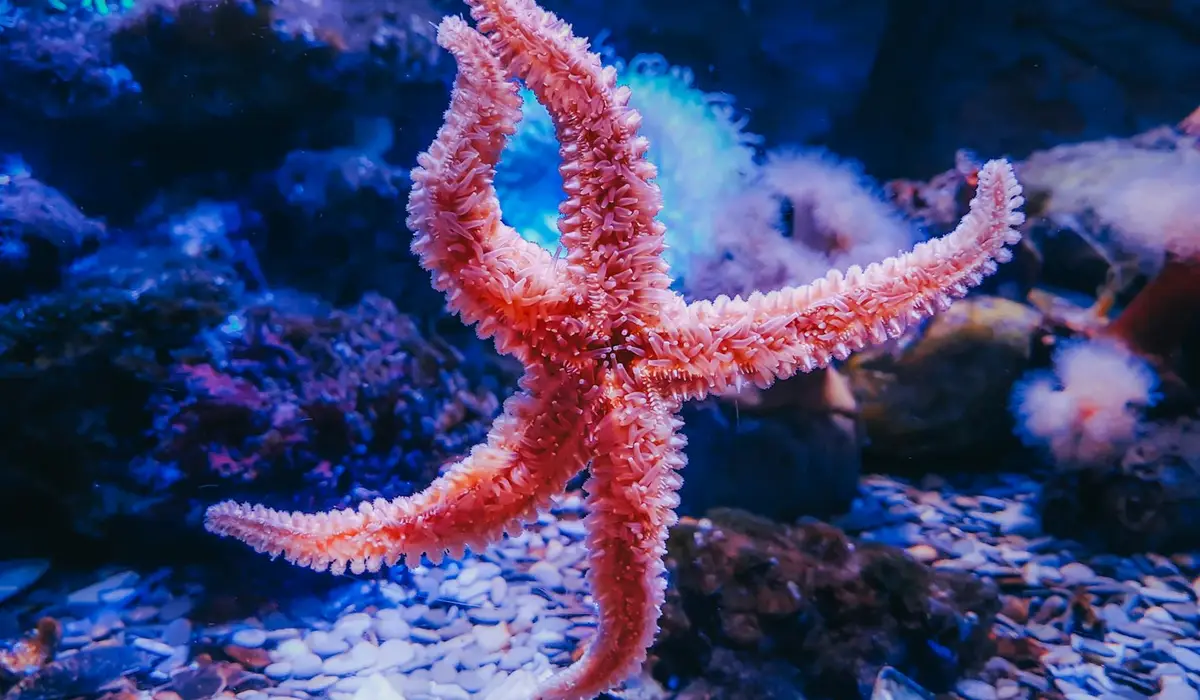
Choosing your tank’s material is one of the biggest decisions you’ll make, and it directly impacts the final weight on your floor. I’ve owned both types over the years, and the difference is more than just a number on a scale. In the ultimate acrylic vs glass aquariums showdown, the material you choose shapes handling and maintenance. Each option carries trade-offs—acrylic is lighter and easier to drill, while glass offers clarity and scratch resistance. The choice between glass and acrylic fundamentally changes how you interact with and place your aquarium.
Why Acrylic Tanks Are Lighter
Acrylic, a type of durable plastic, is significantly lighter than glass. It’s less dense, meaning a panel of acrylic weighs about half as much as a glass panel of the same thickness. This weight savings adds up quickly on a larger tank. For big custom builds, an acrylic tank can feel almost easy to move compared to its glass counterpart. Cleaning-wise, hard water stains tend to show up more on glass than on acrylic. Acrylic can be easier to wipe clean, but you still need to avoid scratching it with abrasive cleaners.
A Real-World Weight Comparison
Let’s put this into perspective with some common tank sizes. Remember, this weight is for the empty tank only.
| Tank Size | Empty Glass Tank Weight (Approx.) | Empty Acrylic Tank Weight (Approx.) |
|---|---|---|
| 10 Gallon | 11 lbs | 5-7 lbs |
| 55 Gallon | 78 lbs | 40-50 lbs |
| 125 Gallon | 206 lbs | 110-130 lbs |
As you can see, the weight difference is substantial. A 125-gallon acrylic tank can be nearly 100 pounds lighter than glass before you even add water. This massive weight reduction can be the deciding factor for upper-floor apartments or homes with specific floor load limits.
Beyond Weight: The Trade-Offs of Each Material
Weight isn’t the only factor. Each material comes with its own set of pros and cons that affect long-term maintenance.
Glass Aquarium Pros and Cons
- Scratch Resistance: Glass is highly resistant to scratching. You can safely use an algae magnet cleaner without worrying about clouding the view.
- Rigidity: Glass doesn’t bow under water pressure, so the view from the front panel remains perfectly flat and distortion-free.
- Cost: Standard glass aquariums are almost always more affordable than acrylic ones of the same size.
- Weight: The main drawback is the heavy weight, making it difficult to move or reposition.
Acrylic Aquarium Pros and Cons
- Lightweight: The primary advantage is the dramatic reduction in weight, making large tanks more manageable.
- Impact Resistance: Acrylic is much stronger than glass and is less likely to crack or shatter from a sharp impact.
- Custom Shapes: Acrylic can be molded into unique, seamless shapes that are impossible with glass.
- Scratches Easily: This is the biggest downside. You must use special, gentle cleaning pads to avoid marring the surface.
My personal rule of thumb is to choose glass for standard tanks under 75 gallons for its durability and value, but I strongly consider acrylic for any custom or very large tank where weight is a major concern. Glass thickness should rise with tank size to prevent bowing under water weight. In practice, smaller tanks can use standard glass, while larger ones may justify thicker panels or switching to acrylic for a lighter, sturdier option. The gentle hum of the filter is a lot more relaxing when you aren’t worried about the floor joists straining.
How to Calculate Your Aquarium’s Total Weight Step by Step
Let’s break down the math so you can feel confident your floor can handle the load. This simple four-step process will give you a reliable total weight estimate for any setup.
Step 1: Determine the Empty Tank Weight
Your aquarium’s glass or acrylic is the first and most substantial piece of the puzzle. A standard 10-gallon glass tank typically weighs about 11 pounds empty. That weight climbs fast. A 55-gallon tank can be 78 pounds dry, and a massive 125-gallon tank often exceeds 200 pounds before you add a single drop of water. Always check the manufacturer’s specifications for the most accurate empty weight of your specific model.
Step 2: Add the Weight of Water and Substrate
This is where the real heft comes from. Freshwater weighs approximately 8.34 pounds per gallon. Multiply your tank’s gallon size by that number. A 20-gallon tank holds about 167 pounds of water alone.
Now, account for your substrate. A one-inch deep bed of standard gravel adds roughly 10-12 pounds per square foot. A two-inch deep sand bed can add 12-15 pounds per square foot. For a standard 20-gallon long tank (30″ x 12″ footprint), a two-inch sand bed can easily contribute another 30 pounds to your total load.
Step 3: Include Decor, Plants, and Equipment
This is the variable part, but it adds up quicker than you think. Don’t underestimate these elements.
- Large Driftwood or Rocks: A single substantial piece of dragon stone or mopani wood can weigh 10-20 pounds when waterlogged.
- Equipment: Your filter (especially a canister type full of media), heater, and lights might add another 5-15 pounds combined.
- Artificial Plants & Ornaments: Usually lighter, but a collection of them can still add a few pounds.
A heavily decorated aquascape with rocks and wood can easily add 30 to 50 pounds of extra weight to a medium-sized tank.
Step 4: Factor in the Stand and Final Touches
You’re almost there. Remember, the stand itself has weight. A metal framed stand for a 75-gallon tank might weigh 50 pounds, while a solid wood cabinet could be 100 pounds or more. This weight is distributed over a larger area, which is good for your floor. Your final calculation is: Empty Tank + Water/Substrate + Decor/Equipment + Stand Weight = Total Weight. Always perform a “stress test” by sitting on your stand before filling the tank-if it holds you, it’s a good start.
Aquarium Weight Chart for Quick Reference

Knowing your aquarium’s weight helps you pick a sturdy stand and avoid floor damage. An overflowing tank isn’t just a water hazard-it’s a weighty responsibility that demands foresight.
| Aquarium Size (Gallons) | Empty Weight (lbs) | Filled Weight with Water (lbs) |
|---|---|---|
| 5 | 7 | 49 |
| 10 | 11 | 94 |
| 20 | 25 | 192 |
| 29 | 40 | 282 |
| 55 | 78 | 537 |
| 75 | 140 | 765 |
| 125 | 200 | 1242 |
This chart covers basic glass tanks with water only. Substrate, decor, and filters pile on pounds, so treat these numbers as your starting point.
I learned this the hard way when my 29-gallon setup with sand and driftwood neared 350 pounds. Always verify your furniture’s load limit to keep your aquatic world secure.
Estimate your tank’s full mass with these steps:
- Take the filled weight from the table.
- Add 1.5 pounds per gallon for substrate like gravel or sand.
- Toss in another 10-50 pounds for rocks, wood, and hardware.
A 55-gallon aquarium with substrate might hit 600 pounds easily. That solid heft means stability for fish like Goldie, who loves rooting through a well-anchored landscape.
Ensuring Your Stand and Floor Can Handle the Load

You’ve calculated the weight of your future aquarium, and the number might be intimidating. A 75-gallon tank can weigh over 850 pounds. That’s the equivalent of a grand piano. Your first and most critical step is verifying your aquarium stand’s weight capacity. The manufacturer’s label is your best friend here; never assume a piece of furniture is strong enough.
Choosing the Right Aquarium Stand
An aquarium stand is not just a piece of furniture; it’s a structural support system. A wobbly stand is a disaster waiting to happen.
- Always purchase a stand rated for your specific tank size and the total weight of water, substrate, and rock.
- Sturdy, purpose-built metal stands offer immense strength and are my go-to for larger tanks.
- For wooden stands, look for solid construction with vertical supports directly under the tank’s corners, not just a hollow cabinet.
- A quick calculation: Tank Weight + (Water Volume in Gallons x 8.34 lbs) + ~50-100 lbs for substrate/decor = Total Weight. Your stand’s rating must exceed this.
Reinforcing Your Home’s Floor
Your stand is solid, but is your floor? This is a question many new aquarists forget to ask. The quiet hum of your filter means nothing if the floor beneath is straining.
- For standard wood-frame homes, always place your tank against a load-bearing wall. These walls are designed to transfer weight down to the home’s foundation.
- Place the tank perpendicular to the floor joists, so the weight is distributed across multiple joists instead of just one or two.
- In apartments or on upper floors, consult your building’s management or a structural engineer for peace of mind. It’s far better to ask a simple question than to deal with a catastrophic failure.
- Concrete slab foundations, like those in basements and many modern homes, are typically strong enough for any home aquarium.
Performing a Simple Stability Check
Before you even add a drop of water, do a thorough physical inspection of your setup. Your eyes and hands are the best tools you have.
- Place the empty tank and stand in its final position.
- Check for levelness in all directions with a spirit level. An unlevel tank creates uneven pressure on the seals.
- Push firmly on the stand from different angles. It should not rock, shift, or feel flexible. Any movement will be magnified when full.
- Look underneath. For wooden stands, ensure there is no bowing or cracking in the central support beam.
- Fill the tank slowly, checking for any new sounds or shifts over the first 24 hours.
A stable, level foundation is the unsung hero of a thriving, long-lasting aquarium. Taking these precautions ensures the only waves in your tank are the ones you make during a water change.
Common Questions
How do I calculate the total weight of my specific aquarium setup?
To calculate the total weight, you need to add the weight of the empty tank, all the water, your substrate, and all decorations and equipment. The water itself is the heaviest component, weighing about 8.34 pounds per gallon. Remember to also account for the weight of your stand, as this is part of the total load on your floor.
Does the material of the aquarium affect its total weight?
Yes, the material makes a significant difference, especially for the empty tank weight. An acrylic aquarium typically weighs about half as much as an equivalent glass tank when empty. However, once filled with water, substrate, and decor, the total weight becomes very similar, as the water weight is the dominant factor.
How can I be sure my floor is safe for a heavy aquarium?
Always place your aquarium on a stand specifically rated for its total weight and position it against a load-bearing wall, perpendicular to the floor joists. For any tank over 75 gallons, or if you are unsure about your floor’s integrity, consulting a structural engineer is a highly recommended precaution to prevent costly damage. This is especially important when selecting aquarium stands and cabinets for proper support.
Where can I find an aquarium weight chart in kilograms?
You can easily convert the weights from pounds to kilograms using a simple online converter, as 1 pound is approximately equal to 0.45 kilograms. For example, a 55-gallon tank that weighs 600 pounds would be roughly 270 kilograms. Many online aquarium calculators also offer a metric unit option for your convenience.
Your Tank’s Weight, Made Simple
Always calculate your aquarium’s total weight by adding the heavy water (8.34 lbs per gallon) to the tank, substrate, and equipment. Before setting up, double-check that your floor and stand can handle this significant, permanent load for the safety of your home and your aquatic pets.
Caring for an aquarium is a rewarding journey that starts with a strong, safe foundation. Continue learning about water chemistry and fish behavior to create a thriving, beautiful ecosystem you can enjoy for years.
Further Reading & Sources
- Floor Support Aquarium : How to Safely Set Up a Heavy Tank
- Will my fish tank fall through the floor?
- How much aquarium can my floor hold? | Marine Aquarium Society of Colorado
- How Big of a Fish Tank Can I Have Upstairs? –
- Info for keeping aquariums in apartments – load bearing capacity of floors. | MonsterFishKeepers.com
Lia is an expert in aquarium and pet fish care. Having worked in the marine industry and having cared for multiple pet fish, she has acquired first hand expertise on aquarium care, maintenance and setup. She always brings her practical expertise and science to help solve any aquarium related queries.
DIY Projects