
Don’t Make These Costly Mistakes When Moving Your Aquarium
Published on: December 31, 2025 | Last Updated: December 31, 2025
Written By: Lia Annick
Hello fellow aquarists. I know that pit-in-your-stomach feeling of planning a tank move, worrying about the safety of your finned friends and the ecosystem you’ve so carefully built.
This guide will walk you through the entire process, helping you sidestep the most common and devastating errors. We’ll cover:
- Preserving your tank’s vital biological filter during the transition.
- Safely transporting your fish to minimize stress and shock.
- Handling heavy equipment and delicate hardscape without causing cracks or leaks.
- The critical timing mistakes that can sabotage your entire reset.
I’ve successfully moved dozens of high-tech planted and breeding tanks over the years, learning these lessons the hard way so you don’t have to.
Overlooking Pre-Move Preparation
Rushing the setup is the fastest way to a cloudy, unstable tank. I’ve learned this the hard way after a frantic move left my fish stressed for days. Proper planning is your single best defense against a post-move disaster. After a move, set up your tank with a calm, step-by-step plan. I’ll guide you through each stage so your fish can adjust safely.
What To Do
Treat your move like a military operation. A detailed plan saves your fish and your sanity.
- Start preparing at least one week before moving day. Gather all your supplies: new fish bags, a dedicated clean 5-gallon bucket, a battery-operated air pump, and packing tape.
- Do a deep clean of your filter media in old tank water two days before the move. You want it clean but not sterile, preserving the vital beneficial bacteria.
- Prepare your water one day in advance. Fill your clean buckets with tap water and add your standard water conditioner. Letting treated water sit for 24 hours allows it to reach room temperature and gas off, making it far less stressful for your fish later.
- Create a “First to Unpack” box. This should contain your filter, your pre-prepared water buckets, your heater, and your fish transport containers. Label it clearly so it’s the first thing you grab.
- Test your equipment before you plug it back in. A quick check of heater function and filter impellers can prevent a silent failure in your new setup.
Mishandling Fish Transport and Acclimation
The journey is the most dangerous part for your fish. I once saw a friend’s prized angelfish perish because it was left in a hot car for just ten minutes. How you move and reintroduce your fish directly determines their survival rate. If you’re wondering how to safely move a transport fish tank, there’s a complete step-by-step guide you can follow. It covers packing, temperature control, and careful reintroduction.
What To Do
Your goal is to minimize stress and temperature shock at every stage.
- Do not feed your fish for 24-48 hours before the move. This keeps the transport water cleaner and reduces ammonia production from their waste.
- Use small, individual containers or fish bags filled with old tank water. For my betta, Captain Fin, I use a small, dark-colored container to keep him calm. Avoid large buckets for multiple fish, as a jostle can cause injury and concentrated waste.
- Keep the containers in a dark, insulated cooler or box during transit. This maintains a stable temperature and blocks visual stress. A battery-powered air pump with an air stone is a lifesaver for journeys over an hour.
- Once at the new location, acclimate for temperature first. Float the sealed containers in the new tank for 15-20 minutes so the water temperatures equalize.
- Then, perform a slow drip acclimation. Use airline tubing with a valve to siphon new tank water into the fish container at a slow drip, about 2-4 drips per second. This gradual introduction to any minor differences in water chemistry is far safer than a quick net-and-plop.
- After 45-60 minutes of dripping, gently net your fish from the container into the tank. Do not pour the old transport water into your clean, new setup.
Neglecting Tank and Decor Safety

I’ve seen too many beautiful tanks get scratched or decorations break because of a rushed move. The glass is more fragile than you think, especially when it’s empty and unsupported.
What To Do
Treat your aquarium like a priceless piece of furniture, not just a box. A little extra care here prevents heartbreak and expensive replacements later.
- Completely empty the tank before you even think about lifting it. Water and substrate add immense, deceptive weight.
- Never drag the tank across any surface. Always lift it straight up and have a second person help you carry it, supporting the entire bottom panel evenly.
- Place the empty tank on a soft, flat surface in your vehicle, like a moving blanket or a thick piece of foam board. This cushions it from road vibrations.
- Pack decorations individually. Wrap delicate driftwood and rocks in bubble wrap or towels to prevent them from chipping or scratching each other in a box.
- Give plastic plants and equipment their own container. Tangled plastic plants can snap, and a heater’s glass shaft can shatter if it’s banging around loose.
I always pack my fish tank last and unpack it first to minimize the time it spends vulnerable and in transit. This simple habit ensures it’s handled with the focus it deserves.
Ignoring Water and Environmental Factors
This is where many well-intentioned moves go wrong. You cannot just dump your fish into any water at the new location. The shock from different temperatures or water chemistry can be fatal. The safest way to transport fish is to use a proper fish transport container—ideally insulated, with stable water temperature and gentle aeration. When you arrive, acclimate the fish gradually to the new water before releasing them.
What To Do
Your goal is to replicate the stable environment your fish just left. Think of it as bringing a piece of their home with them.
- Save Your Old Tank Water: Fill clean, food-safe buckets or bags with 50-80% of the water from your disassembled tank. This preserved water is teeming with the beneficial bacteria your filter can’t hold alone.
- Keep Your Filter Media Alive: Place your filter media (sponges, ceramic rings) in a bag or bucket with some of this old tank water. Letting it dry out or get cold kills the bacteria, causing a mini-cycle when you restart.
- Control the Temperature: During transport, insulate your fish buckets with a towel or place them in a cooler. A battery-operated air pump with an air stone in each bucket is a fantastic hack for longer moves.
- Match Temperatures Precisely: When you’re ready to acclimate your fish in the new tank, the temperature of the water in their travel container and the new tank water must be within one degree of each other.
- Re-acclimate Your Fish: Even with matching temperatures, always drip acclimate your fish to the new water for at least 30-45 minutes to adjust them to any subtle differences in pH or hardness.
Successfully moving a tank means your fish never truly leave their established, balanced ecosystem; you are simply relocating it with them. This focus on water and environment is the difference between a stressful day and a tragic one. For large, heavy tanks, plan the move with proper equipment to keep everyone safe. Enlist a helper and move slowly to prevent accidents.
Rushing the Post-Move Reintroduction
What To Do
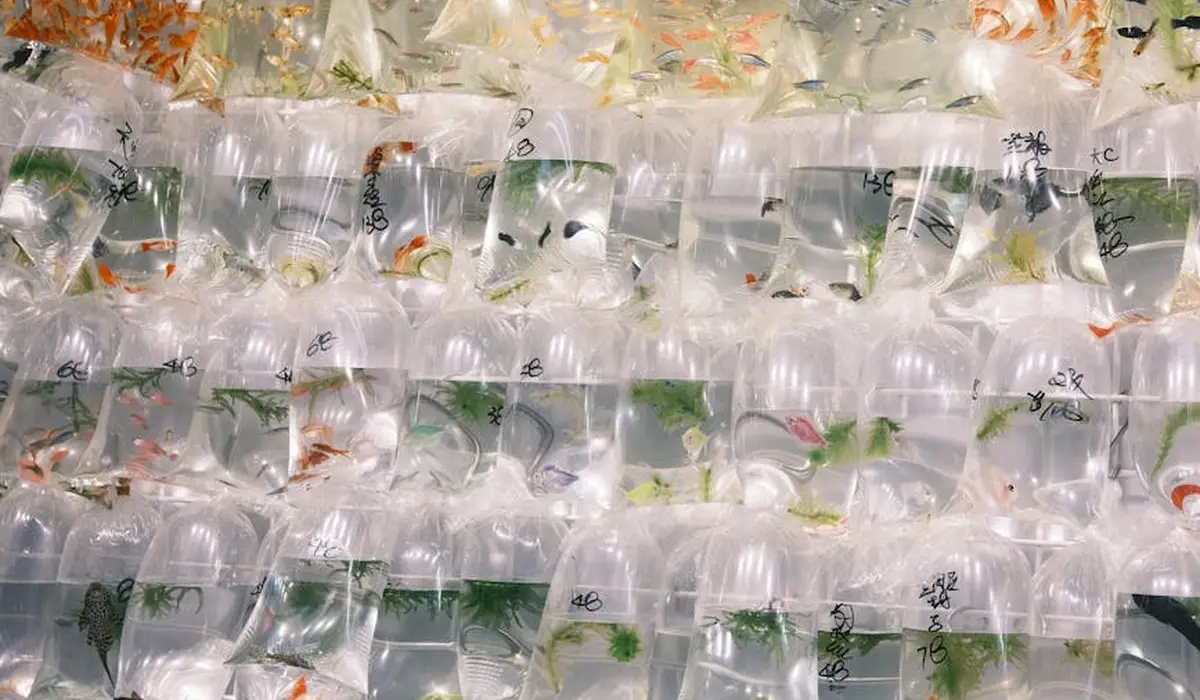
You just got everything set up, and the urge to plop your fish right in is strong, but this is where patience pays off big time. Rushing this step is like throwing someone into a cold pool—it shocks their system and can lead to serious health issues for your fish. This is one of the most common mistakes when adding new fish. To avoid it, take your time with acclimation, test water parameters, and introduce new arrivals slowly to the tank.
I learned this the hard way with Goldie, my Oranda Goldfish; after one rushed move, she hid for days and lost her appetite. Always take at least an hour to acclimate your fish, using methods tailored to their sensitivity and the water parameter differences. When you acclimate, match the new tank’s parameters gradually—temperature, pH, and hardness—to reduce stress and help them settle in smoothly. This careful approach is especially important for goldfish sensitive to sudden changes in water conditions.
- Begin by floating the fish in their sealed bag or container in the new tank for 15-20 minutes to equalize temperature-aim for within 1°F of the tank water to prevent thermal shock.
- Open the bag and add small amounts of tank water every 10 minutes, about a quarter-cup each time, over 60 minutes to gradually mix the chemistries.
- For sensitive fish like Captain Fin, my Betta, use a drip acclimation setup with airline tubing and a valve to control flow to 2-4 drips per second, running it for 1-2 hours to ease them into new pH and hardness levels.
- After acclimation, gently net the fish into the tank, avoiding the bag water which may hold waste or stress hormones from the move.
- Keep tank lights off for 4-6 hours and monitor for normal behavior; if you see rapid gill movement or lethargy, test water immediately for ammonia or nitrite spikes.
I always double-check the pH and temperature with a reliable test kit before starting—even a 0.5 difference can stress fish like Shadow, my Corydoras. Using a slow drip method not only reduces shock but gives your fish time to adjust to the new environment’s sights and sounds, like the hum of the filter. Before adding any new fish, I also test key water parameters—ammonia, nitrite, nitrate, and hardness—to ensure a safe home. This extra precaution helps prevent surprises and protects your new arrivals from sudden stress.
Don’t feed your fish for the first 24 hours after reintroduction to minimize waste and let them settle in. This simple wait gives their digestive systems a break and helps maintain water quality during this critical adjustment period. Typically, after moving a tank, many hobbyists wait before adding fish back 24–48 hours. This longer pause helps ensure the water is stable and the filter bacteria have time to re-establish.
FAQs
How can I check for leaks in my tank after moving it?
After setting up the tank in its new location, fill it with water and let it sit for at least an hour without any fish or decorations. Inspect all seams and corners for any signs of moisture or dripping. If you spot a leak, empty the tank immediately and use aquarium-safe silicone to seal it after ensuring the area is clean and dry. This is a quick leak test for your new aquarium—monitor it for a full day to ensure there are no drips. Only after a successful leak test should you proceed with adding substrate and decorations.
What is the best way to handle water changes if the new location has different tap water?
Test the new tap water for pH, hardness, and chlorine levels before using it in your tank. Gradually mix the new water with your saved old tank water over several water changes to avoid shocking your fish. Using a water conditioner is essential to neutralize any harmful chemicals and ensure a smooth transition for your aquatic pets. Regularly test and maintain water parameters in your aquarium to keep your fish healthy. Ongoing checks help catch issues before they affect your tank.
Is it safe to move delicate plants and corals during a tank relocation?
Delicate plants and corals should be transported in separate containers with some of the old tank water to keep them moist and stable. Place them in a dark, insulated cooler to maintain temperature and reduce stress from light and movement. Handle them gently to avoid damage, and reintroduce them to the tank only after the environment is fully settled.
How do I manage the biological filter if the move takes more than a day?
Keep your filter media submerged in a sealed container with old tank water and use a battery-operated air pump to maintain oxygen levels. Store it in a cool, dark place to prevent temperature fluctuations that could harm beneficial bacteria. When reassembling, add the media back to the filter immediately to minimize any disruption to the nitrogen cycle.
Your Successful Tank Move Starts Here
Always map out your move step-by-step, prioritizing your fish’s safety and water stability above all else. Keep your filter media submerged and handle your livestock with extreme care to prevent shock and injury.
Being a great fish keeper means embracing the learning process and adapting as your aquarium grows. I encourage you to keep exploring new techniques and connecting with fellow hobbyists to deepen your knowledge and enjoyment.
Further Reading & Sources
- r/Aquariums on Reddit: I’m moving in a week, what’s the safest way to move this 12 gallon aquarium 30 minutes away.
- Moving an Aquarium: How to Move a Fish Tank | Aquacadabra
- Moving an aquarium – how to move tank safely
- Can I Move a Partially Filled Aquarium?
- r/aquarium on Reddit: Moving to a new home. What’s the best way to move your aquariums?
Lia is an expert in aquarium and pet fish care. Having worked in the marine industry and having cared for multiple pet fish, she has acquired first hand expertise on aquarium care, maintenance and setup. She always brings her practical expertise and science to help solve any aquarium related queries.
Filtration Systems