
Display Size vs. Actual Water Volume: The Shocking Truth About Your Aquarium’s Capacity
Hello fellow fish keepers, have you ever stared at your tank’s label and wondered why the water level never matches the advertised size? That nagging doubt is your first clue to a common oversight that affects everything from fish health to water clarity.
This guide will walk you through the key differences, covering: what “display size” really means on a tank label, how to calculate the true water volume your fish actually live in, and why this gap is critical for maintaining stable water parameters and happy fish.
With years of hands-on experience maintaining high-tech planted tanks and breeding sensitive species, I’ve learned that mastering this detail is a game-changer for any aquarist.
What Exactly Is Display Size and Actual Water Volume?
Display size is the total capacity your aquarium can hold if it were completely empty, like the number printed on the box—say, a 20-gallon tank. Actual water volume is the real amount of water swimming around after you add substrate, decorations, and equipment, which is always less than the display size. Think of it like a coffee mug: the mug might hold 12 ounces, but once you put in coffee and a spoon, you have less liquid to drink. Different shapes, like curved or cylindrical tanks, use the corresponding geometric formula to compute display volume by shape. Despite that, the actual water volume remains a bit less due to displacement.
In my own setups, I’ve seen a labeled 10-gallon tank hold only about 8.5 gallons of water once I added a gravel bed and a small filter. This difference is crucial because your fish live in the actual water volume, not the display size, so it affects everything from waste dilution to swimming space. It’s not just about gallons; tank shape also plays a role in how much room your fish actually have. For active fish like Captain Fin, that extra gallon or two can mean the difference between a cramped home and a comfortable one.
- Display Size: The maximum potential volume of an empty tank, measured in gallons or liters.
- Actual Water Volume: The usable water after accounting for displacement from items inside the tank.
- Impact: Actual volume determines water chemistry stability and fish health, not the advertised size.
Why Do Display Size and Actual Water Volume Not Match?
They don’t match because everything you put in your tank takes up space that water could occupy. Substrate alone can reduce water volume by 10-20%, depending on depth-in my 30-gallon tank, a 2-inch gravel bed swallows nearly 4 gallons. That’s water your fish can’t use, and it concentrates toxins if not managed.
Decorations and hardscape, like rocks and driftwood, also chip away at volume. I remember adding a large piece of driftwood to Shadow’s tank and watching the water level drop visibly, reminding me how even porous items displace a surprising amount. Equipment like filters and heaters sit inside or hang on the back, further trimming down the usable space.
- Substrate: Gravel, sand, or soil layers displace water; deeper beds mean more loss.
- Decorations: Rocks, wood, and ornaments take up physical space, reducing water capacity.
- Equipment: Internal filters, heaters, and air stones occupy volume inside the tank.
- Plants: Live or artificial plants add bulk, especially when densely planted.
- Water Level: Most tanks aren’t filled to the absolute brim to prevent spills, so actual volume is lower.
For goldfish like Goldie, who produce a lot of waste, a smaller actual volume can lead to quicker ammonia spikes. Always calculate based on actual water volume when dosing medications or planning stock to keep your ecosystem balanced and healthy. A simple DIY hack is to mark the water level on the glass after setup to track changes over time.
How to Calculate Your Aquarium’s True Water Volume
Using Dimensions for Volume Calculation
Grab a tape measure and record the inside length, width, and height of your empty tank in inches. For best accuracy, measure the interior dimensions with the tank empty and the tape held square to each edge. Multiply these three numbers together to find the volume in cubic inches. For US gallons, divide that result by 231. If you work in centimeters, multiply length by width by height and divide by 1000 for liters.
This basic math gives you the tank’s maximum potential, but it doesn’t account for the space your decor and substrate will steal. I learned this the hard way with my first planted tank; the math said 10 gallons, but after adding Captain Fin’s favorite cave and a sand bed, the real water volume was barely 7.
Here is a quick reference for standard tank sizes and their typical true water volumes after adding substrate and decorations:
| Tank Size (Display) | Typical True Water Volume |
|---|---|
| 10 Gallon | 7-8 Gallons |
| 20 Gallon Long | 15-17 Gallons |
| 55 Gallon | 45-48 Gallons |
The Water Displacement Method
For the most precise measurement, use the displacement method. You will need a clean bucket marked with gallon or liter increments. Simply drain your fully set-up tank, refill it using the marked bucket, and count each bucketful as you pour it in.
Manually filling your tank is the only way to know exactly how much liquid your specific aquascape holds. It’s a bit of work, but when I did this for Goldie’s tank, I discovered her 30-gallon display only held 24 gallons of actual water, which completely changed my filtration plans. That kind of firsthand measurement is exactly what a 40-gallon fish tank size capacity guide is for.
Follow these steps for an accurate displacement measurement:
- Completely drain your aquarium into a separate container if you need to save the water.
- Use a calibrated bucket to refill the tank with fresh water, counting each full bucket.
- Add the volumes together for your true water volume.
Why Accurate Water Volume Is Crucial for Your Fish
Stocking Fish Based on True Capacity
Every fish produces waste, and that waste is diluted by the available water. If you stock based on the display size instead of the real volume, you are cramming more bioload into a smaller space than you think.
An overstocked tank quickly leads to toxic ammonia and nitrite buildup, stressing your fish and compromising their immune systems. My corydoras, Shadow, used to hide constantly until I corrected the stocking in his tank based on true volume; now he’s out foraging much more often.
Use these general guidelines for stocking based on true water volume:
- For small community fish, allow at least one gallon of true water per inch of adult fish length.
- For larger or messier fish like goldfish, provide a minimum of 20 gallons of true water for the first fish and 10 more for each additional one.
- Always research the specific adult size and waste output of each species.
Sizing Equipment Correctly
Your filter and heater are rated for a certain gallon capacity, and that number must match your true water volume, not the tank’s display size. An undersized filter cannot process the waste effectively, and an undersized heater will struggle to maintain temperature.
Investing in equipment sized for your actual water volume creates a stable, healthy environment and prevents constant equipment failure. I once burned out a small heater in a week because it was working overtime to heat a volume of water it wasn’t designed for.
Match your equipment this way for best results:
- Choose a filter rated for at least the true water volume of your tank; double it for heavy stock or messy fish.
- Select a heater with 3-5 watts per gallon of true water volume to handle temperature swings smoothly.
- For water pumps and powerheads, ensure the flow rate is appropriate for the real water volume and your fish’s current preferences.
Common Myths About Aquarium Volume
Many aquarists, especially when starting out, operate on some faulty assumptions about how much water is truly in their tank. One of the most persistent myths is that if you buy a 10-gallon tank, you have 10 gallons of water for your fish to live in. This simply isn’t true once you account for the space taken up by substrate, hardscape, and the simple fact that you don’t fill the tank to the absolute brim.
Another common belief is that decorations and equipment displace a negligible amount of water. I learned this the hard way with a heavily scaped betta tank. After adding a large piece of driftwood, rocks, and a dense planting substrate, my “5-gallon” tank only held about 3.5 gallons of actual water. That’s a huge difference that directly impacts water quality and stocking choices.
You might also hear the old “one inch of fish per gallon” rule. Please, throw this rule out the window. This guideline completely ignores the fish’s bioload, activity level, and the actual water volume they have to live in. A single 4-inch goldfish produces far more waste and requires more swimming space than four 1-inch neon tetras. Always plan your stock based on the actual water volume and the specific needs of the fish.
Practical Tips for Measuring and Maintaining Volume
Knowing the theory is one thing, but applying it is where you protect your fish. Here is a simple, reliable method to find your true water volume.
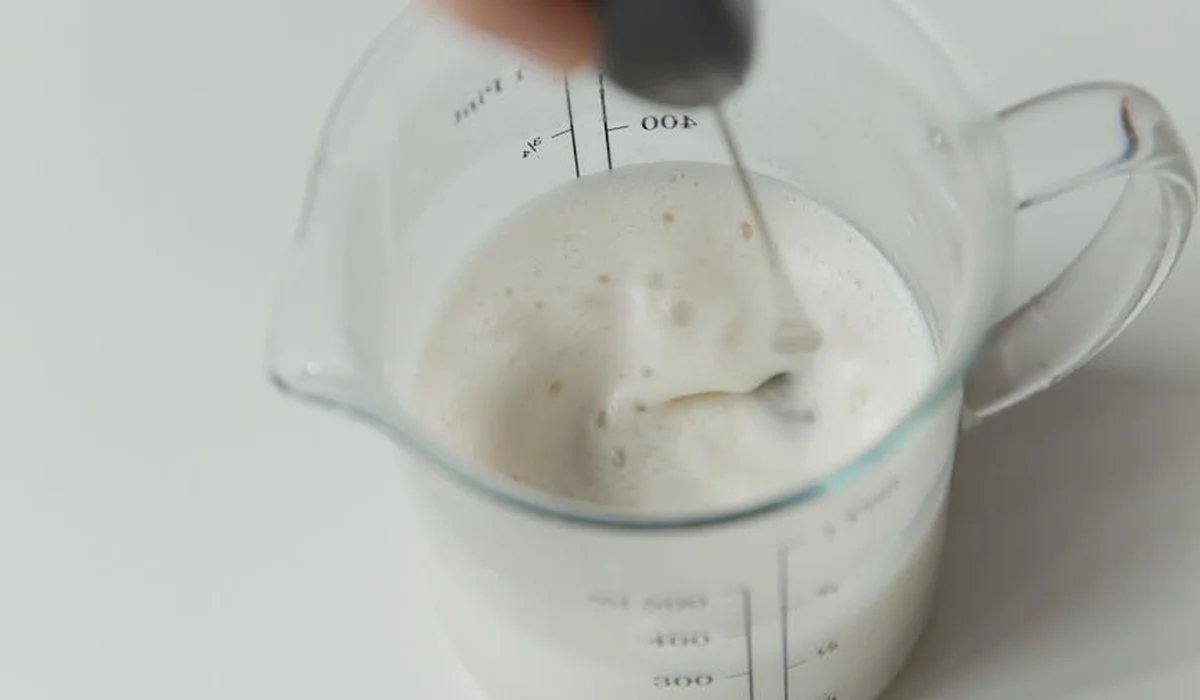
- Set up your aquarium completely with substrate, hardscape, and equipment installed.
- Use a clean, known container (like a 1-gallon jug) to fill the tank to your normal operating water level.
- Count how many full containers it takes. The total is your actual water volume.
This hands-on measurement is the most accurate way to know exactly what you’re working with before you add any fish. It accounts for every rock and every inch of gravel.
Your filtration system must be rated for your actual water volume, not the display size. That means selecting the right filter for your tank’s true size so it can handle waste and keep water crystal-clear. I always choose a filter rated for at least one and a half times my actual water volume to ensure crystal clear, healthy water. For a tank with 20 gallons of actual water, I’d use a filter rated for 30+ gallons. This extra capacity helps handle waste spikes and keeps the water polished.
Your maintenance schedule, especially water changes, should be based on actual volume. Changing 25% of a 30-gallon display tank that only holds 22 gallons of water means you’re only replacing about 5.5 gallons, not 7.5. This small difference can be the deciding factor between stable parameters and a dangerous nitrate creep. Adjust your siphon buckets accordingly!
FAQs
How does substrate type impact the actual water volume?
Different substrates like sand, gravel, or soil have unique densities and grain sizes that affect water displacement. Fine sand may compact more and displace less water compared to coarse gravel, which can create larger gaps. In a sand vs gravel aquarium substrate comparison, these physical traits influence filtration, maintenance, and plant rooting. Always account for substrate depth when calculating actual volume to avoid overstocking and maintain water quality.
Can I rely on the display size for aquarium equipment sizing?
No, using display size for equipment like filters or heaters often leads to undersizing, causing inefficiency and potential failure. Equipment rated for actual water volume ensures proper waste processing and temperature stability. This prevents issues like ammonia spikes or heater burnout, saving you money and stress.
Are there online resources like PDFs or Reddit for learning about water volume?
Yes, many aquarium enthusiasts share PDF guides and Reddit discussions that detail methods for measuring actual water volume. These resources offer real-world examples and community advice to help you avoid common pitfalls. Engaging in forums can provide tailored tips for your specific tank setup, especially when combined with proper water testing.
What are the cost implications of not knowing the actual water volume?
Ignoring actual water volume can lead to overstocking, increasing waste and necessitating more frequent water changes or upgraded filtration, which raises costs. Incorrect medication dosing based on display size may harm fish or require retreatment, adding unexpected expenses. Proper volume awareness helps optimize spending on maintenance and supplies.
Your Tank, Your Responsibility
Always calculate your tank’s actual water volume by subtracting the space taken up by substrate, decor, and equipment from the display size. This gives you the true aquarium volume to determine fish capacity. Using this real volume for dosing treatments and stocking fish is the single most effective habit for preventing costly and heartbreaking mistakes.
Caring for an aquarium is a rewarding journey that demands accurate information and a commitment to your fish’s well-being. For beginners, managing aquarium water parameters is a key first step—this complete guide will show you how. Start with testing, then adjust gradually to keep your fish healthy. Keep asking questions, stay curious about water chemistry, and your underwater world will thrive for years to come.
Further Reading & Sources
- Aquarium Water Volume Calculator | Aquacadabra
- Aquarium Water Capacity Calculator | Estimate Tank Volume with Substrate
- Calculating Aquarium Volume – The First Tank Guide – How Can I Figure Out How Much Water My Fish Tank Holds?
- Aquarium Calculator
- Aquarium Water Volume Calculator – Bulk Reef Supply
Lia is an expert in aquarium and pet fish care. Having worked in the marine industry and having cared for multiple pet fish, she has acquired first hand expertise on aquarium care, maintenance and setup. She always brings her practical expertise and science to help solve any aquarium related queries.
Water Quality