
Aquarium Lighting Mastery: Types, Uses, and Your Guide to the Perfect Glow
Published on: October 27, 2026 | Last Updated: October 27, 2026
Written By: Lia Annick
Hello fellow fish keepers! Feeling puzzled by the array of aquarium lights at the store or online? You’re right to put thought into it-the hum of your filter and the health of your plants and fish all depend on that gentle shimmer from above.
This clear guide will walk you through everything, so you can confidently pick a light that makes your tank thrive. We’ll cover:
- The main types of aquarium lights like LED, fluorescent, and metal halide.
- How to match different lights to specific uses for planted tanks, coral reefs, or showcasing fish.
- Key factors like spectrum, intensity, and photoperiod that affect water quality and growth.
- Practical, experience-based advice on installation, daily operation, and avoiding common pitfalls.
My recommendations come from hands-on years of running complex planted systems and breeding everything from bettas to corydoras.
Why Aquarium Lighting Matters More Than You Think
I used to think aquarium lights were just for show, until I noticed Captain Fin’s iridescent blues looking dull under a cheap bulb. Proper lighting does far more than illuminate; it fundamentally shapes the health and rhythm of your entire aquatic world. That soft glow influences everything from plant photosynthesis to fish sleep cycles, turning a glass box into a thriving ecosystem. That’s exactly the kind of topic a set up aquarium lighting complete guide covers. It walks you through spectrum, intensity, and timers.
The Basic Jobs of Your Tank’s Light
Your light isn’t a single-task tool. It wears multiple hats to keep your tank balanced. First and foremost, it drives plant growth by providing the energy needed for photosynthesis, which in turn oxygenates the water for fish like Goldie. It also regulates fish biology, mimicking natural day and night to reduce stress. For us, it makes the shimmer of scales and the green of leaves pop, turning maintenance into a daily joy.
- Fuels Plant Life: Live plants need specific light spectra to grow, which helps outcompete algae for nutrients.
- Enhances Fish Health and Color: Consistent lighting supports immune systems and makes reds and blues in fish like bettas truly vivid.
- Sets the Day-Night Cycle: A regular schedule keeps fish calm and prevents them from becoming lethargic or stressed.
- Controls Algae: Too much light encourages algae blooms; too little stunts plants. Finding the balance is key.
From my experience, getting this balance right meant Shadow the corydoras became more active, venturing out from his plants during “daylight” hours. Think of your light as the conductor of your tank’s daily symphony, setting the tempo for all life inside.
The Main Aquarium Lighting Technologies Compared
Choosing a light can feel overwhelming with all the options. Let’s break down the three main types you’ll encounter, based on what I’ve used over the years. Your choice hinges on your tank’s depth, whether you have live plants, and your budget for upfront cost versus long-term savings. An honest high-tech vs low-tech planted aquarium comparison often centers on lighting, showing how it affects growth and maintenance.
LED Lighting: The Flexible Powerhouse
LEDs are my go-to recommendation for most aquarists today. They are incredibly energy-efficient and last for years. Their biggest win is customizability; you can often adjust color spectrum and intensity with a remote or app to suit everything from low-light ferns to red carpeting plants. They produce very little heat, which helps keep your water temperature stable for sensitive fish. LEDs are suitable for both freshwater and saltwater aquariums, making them versatile for various setups.
- Best For: Planted tanks, reef aquariums, and anyone wanting to simulate sunrise/sunset effects.
- Pros: Long lifespan, low power consumption, minimal heat output, highly adjustable.
- Cons: Higher initial investment, and very bright models might require a dimmer to prevent algae.
I run LEDs on my planted community tank, and the way they make the greens glow without spiking my electric bill is a game-changer. You get precise control, which means you can cater to both Shadow’s love for shaded spots and the plants right above him.
Fluorescent Lighting: The Tried-and-True Workhorse
Fluorescent tubes, like T5 and T8, are the classic choice many of us started with. They provide a wide, even spread of light. These lights are affordable and reliable, excellent for beginners or tanks with low to medium light plant needs like Java Fern or Anubias. They do need replacing about once a year as their intensity fades.
- Best For: Fish-only tanks, low-tech planted tanks, and quarantine setups.
- Pros: Budget-friendly upfront, readily available, good color rendering for fish colors.
- Cons: Higher energy use than LEDs, shorter lifespan, can generate more heat.
I kept Goldie’s first tank under a simple fluorescent hood for years. It provided a consistent, gentle light that encouraged natural foraging behavior. While not as flashy as LEDs, fluorescent lighting gets the job done dependably without complicating your routine.
Metal Halide Lighting: The Intense Sun Simulator
Metal Halide (MH) lights are the powerlifters of aquarium lighting. They produce a very intense, penetrating beam that mimics bright sunlight. This technology is unmatched for deep reef tanks or aquariums with demanding, light-hungry corals and plants. However, they generate significant heat and use a lot of electricity.
- Best For: Deep saltwater reef tanks, high-tech planted tanks with CO2 injection, and large public aquariums.
- Pros: Extremely high light intensity, excellent penetration for deep tanks, promotes vigorous growth.
- Cons: Very high operating cost, produces substantial heat requiring chillers, bulbs require frequent replacement.
You likely won’t need MH for a typical community tank. I only ventured into metal halide for a specialized reef setup. The sheer power they deliver is impressive, but for most home aquariums, the cost and heat management make them a specialist’s tool.
Matching Your Light to Your Tank’s Inhabitants
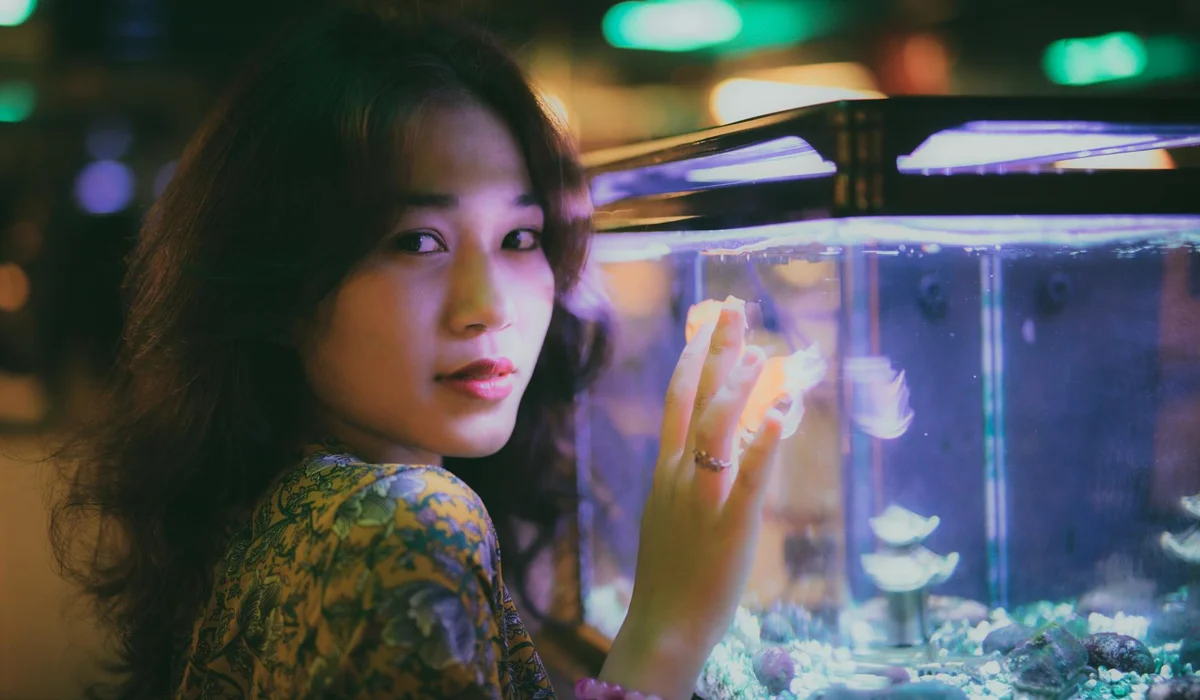
Choosing a light isn’t just about what looks good to you—it’s about creating the right environment for what lives in your tank. The best aquarium light is the one that supports the specific life you’re trying to nurture, from a single betta to a dense coral garden. If your tank includes live plants, lighting becomes essential for their growth. Plants often need specialized lighting to thrive.
Lights for a Vibrant Freshwater Planted Tank
This is where lighting gets serious and incredibly rewarding. Your plants use light for photosynthesis, just like a lawn or a forest. For low-tech tanks with easy plants like Java Fern or Anubias, a standard full-spectrum LED will do. You want a light that provides a balanced spectrum, roughly between 5000K and 7000K, to mimic bright daylight and encourage steady, healthy growth. This is especially important for low-tech planted tanks where care is minimal but consistency is key.
For a high-tech planted tank with carpets and red plants, you need more power and control. Look for lights with high PAR (Photosynthetically Active Radiation) output and customizable channels for red, blue, and white LEDs.
- Red spectrum is crucial for deepening red and orange pigments in plants.
- Blue spectrum promotes compact, dense leaf growth and enhances fluorescence.
- A timer or programmable ramp-up/ramp-down feature mimics a natural sunrise and sunset, reducing stress for all inhabitants.
In my own planted betta tank, I use an adjustable light. I ramp up the blues and reds for a few midday hours to give my plants a boost, then dial it back to a gentler white for the rest of the day. This keeps my plants colorful without inviting algae to the party.
Lights for a Glorious Saltwater Coral Reef
Reef lighting is the pinnacle of aquarium tech. Corals host symbiotic algae called zooxanthellae that demand very specific light spectra to thrive. Metal Halide (MH) and high-output LED fixtures are the champions here, capable of delivering the intense, penetrating light corals need at depth. For beginners, understanding PAR and spectrum helps you tailor lighting to your tank. A concise beginner’s guide to aquarium light PAR spectrum explains the basics of PAR, spectrum, and how to choose fixtures that meet your corals’ needs.
Spectrum is everything. Corals respond beautifully to actinic blue light (around 420-460nm), which makes their fluorescent pigments pop and drives photosynthesis. A good reef light blends intense blues with crisp whites and sometimes violet or UV diodes.
- Soft Corals and LPS (Large Polyp Stony): They are more forgiving. Moderate to high-intensity LEDs with strong blue and white channels work well.
- SPS (Small Polyp Stony) and Clams: These require the most light. You’ll need powerful, evenly spread light with high PAR values throughout the entire water column.
The shimmer effect, created by MH lights or LEDs with discrete point sources, replicates light dancing through wave action and is a hallmark of a natural-looking reef tank.
Lights for Fish-Only Display Tanks
If you’re not growing plants or corals, your primary goals are aesthetics and fish health. Your light should make the colors of your fish, like Captain Fin’s iridescent blue or Goldie’s bright orange, look their absolute best. A simple, bright full-spectrum LED in the 6500K-10,000K range will make everything look clean and vibrant.
Consider the natural habitat of your fish. Fish from tannin-stained blackwater environments, like many tetras, often look more comfortable and display better color under softer, warmer lights (around 5000K). Always provide a regular photoperiod of 8-10 hours using a timer to give your fish a consistent day/night cycle.
- Avoid excessively bright or long lighting periods to prevent algae growth.
- For nocturnal bottom dwellers like Shadow the Corydoras, ensure there are plenty of shaded areas and caves created by decor and plants.
- Moonlight LEDs can be a fun feature for viewing nighttime activity without disrupting your fish’s rest.
Decoding the Technical Specs: Kelvin, PAR, and Spectrum
Light specs can feel like a foreign language. Let’s translate them into practical knowledge you can use today.
What Color Temperature (Kelvin) Really Means
Measured in Kelvins (K), this number describes the visual “color” or “tone” of the white light. Don’t think of it as heat, but as the mood of the daylight-from the warm glow of a late afternoon to the crisp white of a cloudy noon.
- Low Kelvin (2000K-4000K): Warm, yellowish light. Rarely used in aquariums except for specific moonlights or to simulate a very shallow, sun-dappled forest stream.
- Mid-Range Kelvin (5000K-7000K): Bright, neutral white. This is the sweet spot for most freshwater planted and community tanks. It shows plant greens and fish colors naturally.
- High Kelvin (10,000K and above): Very crisp, bluish-white light. Commonly used in marine and reef tanks to simulate the shallow ocean and enhance blue actinic effects.
PAR and PUR: Measuring Usable Light for Life
PAR stands for Photosynthetically Active Radiation. It measures the intensity of light within the range (400-700nm) that plants and corals can use for photosynthesis. A PAR meter gives you a number, but what matters is having enough PAR where your plants or corals are positioned. A carpeting plant needs high PAR at the substrate; a floating plant needs very little.
PUR (Photosynthetically Usable Radiation) is the more critical but less discussed concept. It refers to the specific wavelengths within the PAR range that are most efficiently absorbed by chlorophyll. A light with a high PUR value delivers more usable energy for growth, even if its total PAR number is moderate. This is why a light with a tailored spectrum often outperforms a brighter light with a poor spectrum.
Think of it like food: PAR is the total amount of food available, while PUR is the nutritional value of that food. You want a light that provides a nutritious meal, not just empty calories for your aquatic garden.
Smart Features That Simplify Your Routine
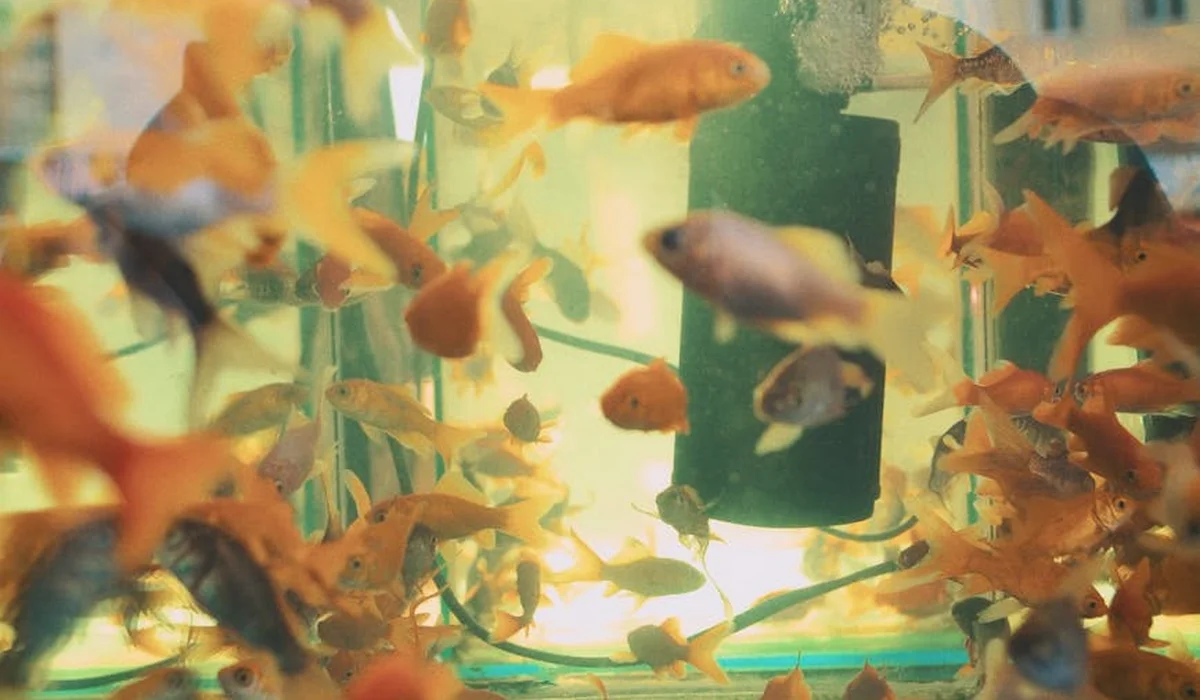
Modern aquarium lighting has evolved beyond a simple on/off switch. The latest technology integrates seamlessly into your life, automating the most critical aspect of your tank’s environment: the photoperiod. How long should aquarium lights stay on for fish and plants? Getting the photoperiod right supports healthy plant growth and stable fish behavior.
The Benefits of Programmability and Dimmers
Manually plugging and unplugging lights is a recipe for inconsistency, which stresses plants, corals, and fish. A programmable light with a built-in timer is a game-changer. Setting a consistent daily schedule mimics natural daylight cycles, providing the stability your aquatic ecosystem craves to thrive. Dimmers take this further by allowing you to simulate a gradual sunrise and sunset.
This slow ramp-up and down prevents fish from startling in sudden darkness and can significantly reduce algae spores that germinate in response to abrupt light shocks. In my own planted tank, programming a gentle 30-minute sunrise completely stopped my fish from darting around frantically at “lights on.”
Integrating Timers and Controllers
If your light fixture isn’t “smart,” a simple external plug-in timer from a hardware store is the most budget-friendly upgrade you can make. For more advanced setups, dedicated aquarium controllers can manage your lights, CO2 injection, and pumps from one app. This integration creates a harmonious environment where everything works in concert, freeing you from daily micromanagement and reducing human error. The gentle hum of your filter becomes part of a perfectly timed symphony.
How to Select and Install Your Perfect Light
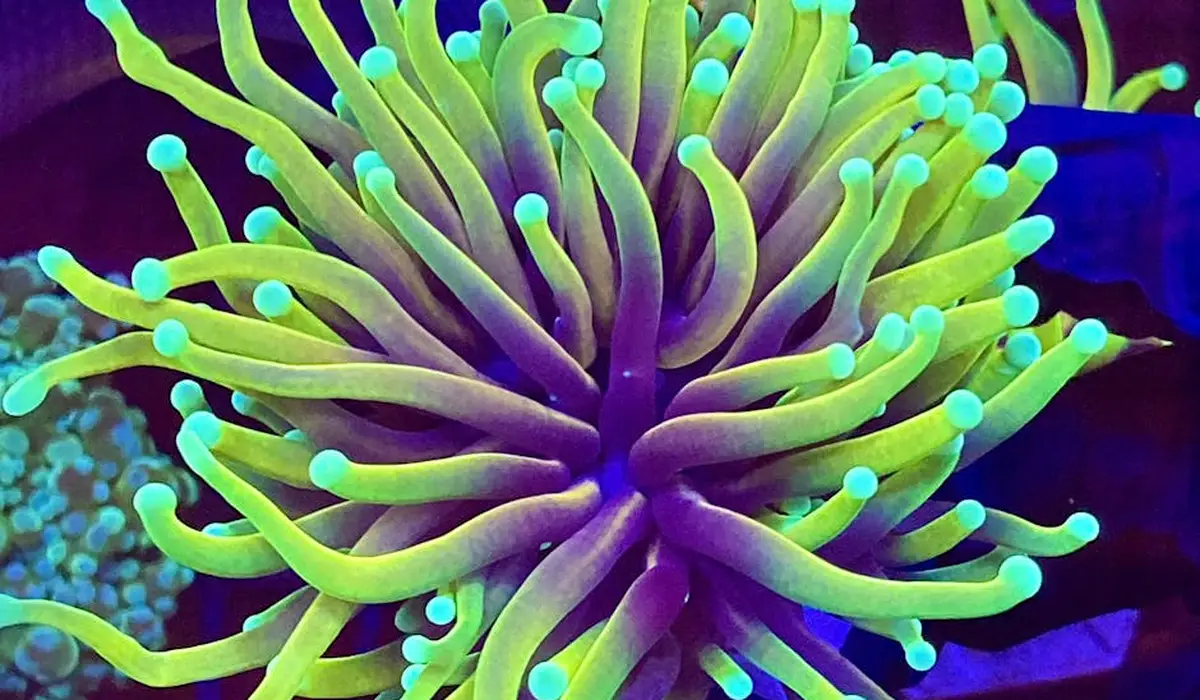
Choosing a light can feel overwhelming with so many options. Break it down by focusing on your tank’s physical requirements and your own goals.
Step-by-Step: Choosing by Tank Size and Depth
- Measure your tank’s length and depth. Note the water depth from the substrate to the water’s surface, not just the tank’s height.
- For plant or coral tanks, use depth to find the required PAR output. Low-light plants like Anubias need ~20 PAR, while demanding red plants or corals may need 100+ PAR at the substrate. Light intensity diminishes dramatically with water depth.
- Check that the fixture length matches your tank length for even coverage. A light that’s too short will create dark, shadowy corners where plants struggle.
- Consider hood clearance for heat dissipation. LEDs need airflow; mounting them too close to a glass lid or water can trap heat and shorten their lifespan.
Mounting Your Lights Safely and Effectively
Follow the manufacturer’s instructions precisely. Most hang-on-back or clip-on styles have weight limits. For suspended pendant lights or hanging kits, ensure your ceiling or stand can support the weight securely. Always use the included safety cable as a backup, even if the mounting clamps feel sturdy-it’s a simple step that prevents a total tank disaster. Position the light to minimize glare into the room, so you can enjoy the shimmer of scales without a blinding spotlight.
Routine Care for Long-Lasting Performance
Your lights need occasional attention to perform their best. Every two weeks, gently wipe the LED lenses or light cover with a vinegar-dampened cloth to remove mineral dust and algae film that block precious lumens. This simple five-minute task can restore up to 15% of your light’s lost intensity, making a noticeable difference in plant growth and water clarity. Periodically check for fan noise (if equipped) and ensure vents are dust-free to prevent overheating.
FAQs
What are the main aquarium light types, and which is best for a beginner?
The three primary technologies are LED, Fluorescent (like T5/T8), and Metal Halide. For most beginners, a standard full-spectrum LED or fluorescent light is the best starting point. LEDs offer modern efficiency and control, while fluorescents provide a simple, proven, and affordable entry point for basic community or low-tech planted tanks. They are often the first step when considering what equipment you need for a successful planted aquarium.
How do I choose between an LED and a fluorescent light for my planted tank?
Your choice depends on your plants and budget. Fluorescent lights are excellent for low-light, easy plants like Anubias. For a tank with colorful or carpeting plants, an adjustable LED is superior because it allows you to tailor the spectrum and intensity to meet higher photosynthetic demands and control growth precisely. LED vs fluorescent vs halide— which aquarium light is best depends on your setup. For most planted tanks, LEDs are the most versatile and energy-efficient, fluorescent lights are a budget-friendly option for low-light plants, and halides are best reserved for very high-light, large tanks.
What’s more important for plant growth: light color (Kelvin) or light intensity (PAR)?
Both are crucial, but they serve different roles. The Kelvin rating (e.g., 6500K) determines the visual color tone that makes plants look natural. PAR measures the usable light intensity for photosynthesis. You need the correct intensity (PAR) where your plants are located, delivered in a spectrum (which influences PUR) they can actually use for growth.
Do I need a fancy programmable light, or will a simple one suffice?
A simple light with a basic on/off timer is sufficient for health, as consistency is key. However, programmable features like dimming and sunrise/sunset simulations provide significant benefits by reducing fish stress and inhibiting algae. For a beginner, start with reliable, consistent lighting; advanced features are a valuable upgrade for refining your tank’s environment later.
Lighting Your Aquarium with Confidence
Pick an aquarium light that serves your specific goals, like growing plants or highlighting fish, by checking intensity and color temperature against your tank’s needs. Different plants have varying light needs, from low to high intensity. Tailoring light to these requirements helps prevent under- or over-lighting in your tank. Investing in a programmable full-spectrum LED light often gives you the flexibility to simulate natural daylight cycles, which reduces algae and keeps your aquatic life thriving.
Responsible fish keeping grows from a habit of observing your tank and adapting your care based on what you see. Embrace the learning process by joining online forums or local clubs to share experiences and stay updated on best practices for your finned friends.
Further Reading & Sources
- Choosing the Right Aquarium Light
- Your guide to Aquarium Lighting
- A Complete Guide to Aquarium Lighting | Aquacadabra
- The Best Lighting for a Freshwater Aquarium
- Types of Aquarium Lighting | Saltwater Aquarium Lighting | AlgaeBarn
Lia is an expert in aquarium and pet fish care. Having worked in the marine industry and having cared for multiple pet fish, she has acquired first hand expertise on aquarium care, maintenance and setup. She always brings her practical expertise and science to help solve any aquarium related queries.
Lighting Options