
Your Tiny Fry’s First Feast: Mastering Infusoria and Green Water
Hello fellow fish keepers. If you’ve ever felt the heartbreak of watching newly hatched fry slowly disappear, you know the struggle of finding the right first food.
This guide covers the live cultures that can turn your breeding efforts around. We’ll explore:
The distinct benefits of infusoria versus green water
Simple, step-by-step methods for cultivating both at home
How to time feedings for maximum fry survival and growth
I’ve successfully raised hundreds of delicate fry, from bettas to tetras, using these exact techniques.
What Exactly Are Infusoria and Green Water?
Infusoria are microscopic zooplankton, including critters like paramecium and rotifers, that drift in your tank water. Think of infusoria as floating snacks so tiny that newly hatched fry can easily gulp them down without struggling. Green water, on the other hand, is a dense culture of microalgae such as chlorella that turns your aquarium water a hazy green color.
I like to use the analogy that infusoria are like a cloud of miniature candy for baby fish, while green water acts as a nutrient-packed soup that feeds both the infusoria and directly nourishes some fry species. From my experience, cultivating these in a separate jar or tank section ensures a steady, live food supply when fry first become free-swimming.
Here are some common microorganisms you might find in these cultures:
- Paramecium – fast-moving ciliates that fry chase
- Rotifers – wheel-shaped organisms rich in nutrients
- Euglena – green, flagellated algae-eaters
- Chlorella – the primary algae in green water setups
- Daphnia neonates – though larger, their young can appear
Why Fish Fry Depend on Infusoria and Green Water
Fish fry have mouths smaller than a pinhead, making powdered foods often too large or messy. Infusoria and green water provide perfectly sized nutrition that drastically cuts down on starvation, which is a top cause of fry mortality in home aquariums. I’ve seen survival rates jump from 20% to over 80% just by introducing these live foods early on.
Beyond feeding, these microorganisms help maintain water quality by acting as natural biofilters. They consume excess ammonia and nitrites from uneaten food and fish waste, reducing the risk of toxic spikes that can wipe out delicate fry. In my tanks, green water cultures have kept ammonia levels near zero even in densely stocked fry containers. Keeping water quality high is essential for a healthy aquarium and healthy fish. Stable conditions reduce stress and support overall fish health.
Growth benefits are huge-fry fed infusoria develop faster, show brighter colors, and have fewer deformities. Their constant grazing on live food mimics natural behavior, leading to stronger immune systems and more active, healthy fish. You’ll notice fry growing noticeably within days instead of weeks when they have access to these nutrient-rich sources.
Growing Your Own Green Water Culture
-
Pick a clear glass or food-safe plastic container, like a one-gallon jar, so you can watch the algae bloom. Always use dechlorinated water—tap water with chlorine will kill your microalgae before they even start. I never skip using a water conditioner; it’s the simplest way to guarantee a healthy beginning. New tanks often experience a diatom bloom and brown algae as they cycle. Manage this early with steady lighting and regular water changes to help reduce excess growth.
-
Fuel the growth by adding nutrients; I often use a few drops of liquid aquarium fertilizer or a spoonful of water from an established fish tank. You can even crumble a tiny bit of fish flake into the jar. This nutrient boost turns the water slightly cloudy, a sign that the microscopic feast is beginning. It’s an essential step when growing and propagating aquatic plants.
-
Introduce your algae starter—a scoop from a friend’s culture or by leaving the jar open near a window to catch airborne spores. Place it in a spot with bright, indirect light, like a north-facing windowsill, to avoid cooking the delicate cells. That soft, consistent light is what coaxes the water from clear to a beautiful, hazy green. In a planted tank, this same effect can become one of the eight common mistakes that turn a healthy setup into an algae farm.
-
Keep an eye on the environment; most green water algae, like scenedesmus, thrive at 68-77°F and a pH between 7.0 and 8.5. I use a simple thermometer and test strips to avoid guesswork. Stable conditions prevent crashes and keep your culture dense and nutritious for fry.
-
Harvest when the water looks like pea soup-usually in 5-10 days-by gently pouring off the top half into a clean container. To maintain it, add dechlorinated water and a bit of fertilizer after each harvest. Leaving some green water behind lets the culture regenerate, so you have a continuous supply.
Cultivating Infusoria for Fry Feeding
-
Set up a small jar, around a quart in size, and fill it with water from your established aquarium or use cooled, boiled water with a piece of lettuce soaked in it. That established tank water is already buzzing with life, giving your infusoria a head start.
-
Add food sources like a pinch of crushed fish flakes or a small slice of boiled zucchini to feed the bacteria that infusoria eat. In my cultures, I see results fastest with lettuce. This organic matter breaks down, clouding the water and signaling that the zooplankton are multiplying.
-
Keep the jar in a stable location away from drafts or direct heat to maintain consistent temperature and oxygen levels. I avoid stirring or aerating too much, as infusoria prefer calm water. Sudden changes can wipe out your entire culture overnight, so consistency is key.
-
Harvest infusoria by siphoning from the top layers with a turkey baster, where they tend to gather, and feed fry small amounts multiple times a day. I schedule feedings in the morning when infusoria are most active, ensuring my fry get the freshest nutrition.
-
If the culture smells foul or turns clear, do a partial water change-replace about half with fresh dechlorinated water and reduce feeding. A quick refresh often revives a struggling culture, saving you from starting over.
Feeding Strategies for Maximum Fry Growth
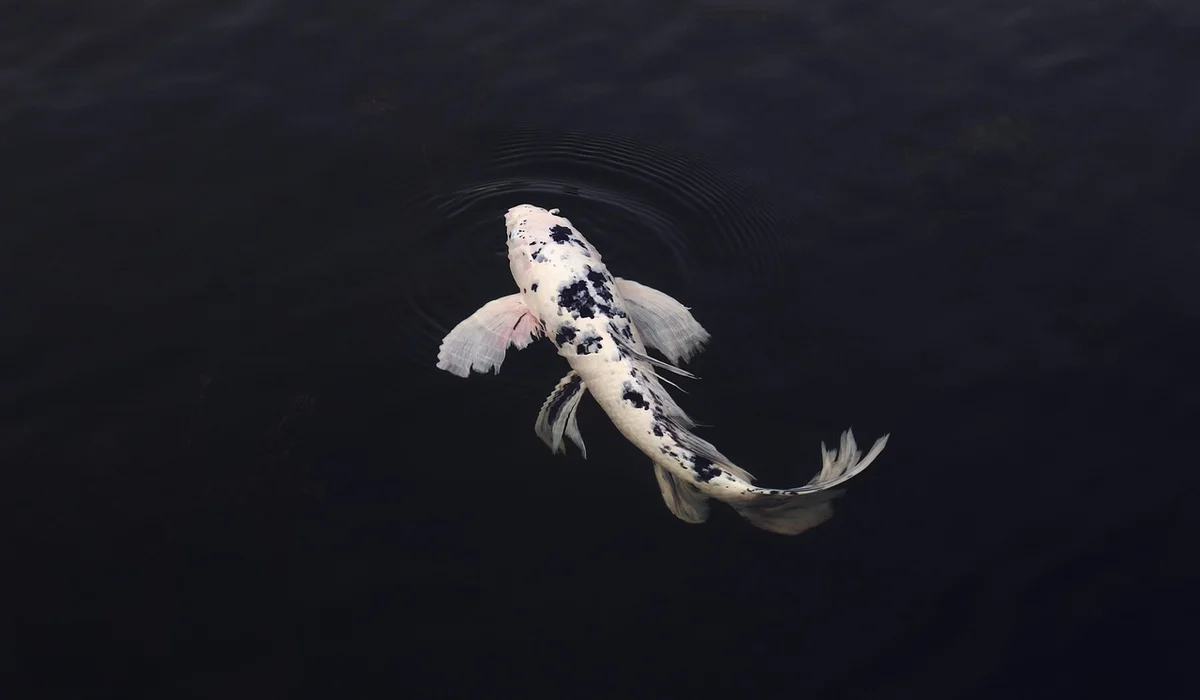
Getting your fry from wiggling specks to vigorous juveniles is all about timing and consistency. A strict feeding schedule is your single most powerful tool for preventing starvation and ensuring a strong survival rate. The tiny mouths of newborn fish can’t handle anything larger than microscopic food. This is where a complete guide to feeding fry comes in—covering the best first foods and how to introduce them safely. We’ll also discuss pacing and transitions as the fry grow.
Your Fry Feeding Timetable
Follow this general guide, adjusting for particularly tiny or fast-growing species.
- Days 1-5: Offer a culture of infusoria 4-6 times per day. The water should have a very slight turbidity or “haze” from the microorganisms.
- Days 3-14: Introduce green water. You can alternate feedings with infusoria or offer both. Aim for 3-4 feedings daily.
- Days 7+: Begin introducing newly hatched baby brine shrimp or microworms alongside the green water, slowly reducing the micro-food frequency.
- Days 14+: Most fry will be ready to transition fully to baby brine shrimp and finely crushed flakes, ending the need for infusoria and green water.
How Much is Just Right?
Overfeeding is a silent killer in fry tanks. The goal is to create a living soup where fry can always find a bite, not a murky swamp that suffocates them. For infusoria, add just enough to make the water faintly cloudy; it should clear up within a few hours as the fry eat. With green water, you want a pale green tint-like weak green tea-not a opaque pea soup. If you can’t see the fry clearly through the water, you’ve added too much.
When to Start and Stop
You’ll know it’s time to move on by watching your fry’s development. Start weaning them off micro-foods when their bellies are consistently full and orange from baby brine shrimp, and they visibly ignore the green water. Another clear sign is when they begin to form distinct shapes instead of being just round specks with tails. Continuing with only infusoria or green water past this point will stunt their growth, as these foods lack the protein density needed for the next growth stage.
The Phototaxis Feeding Trick
Many newly hatched fry are positively phototactic, meaning they instinctively swim toward light. You can use this behavior to your advantage by shining a small flashlight or desk lamp on one corner of the tank during feeding. This concentrates the fry in a small area, ensuring they are right in the thick of the infusoria or green water you add, which increases their feeding success dramatically. I always do this for the first week with my betta fry-it makes a huge difference in how quickly they gain size.
Solving Common Problems in Fry Rearing
Even with the best plans, things can go sideways. Don’t panic. Most fry-rearing problems are fixable if you catch them early and understand the root cause. Your quick response is what separates a minor setback from a total loss.
Culture Failures and Quick Fixes
If your infusoria jar smells foul instead of earthy, or your green water stays clear, something is off.
- Infusoria Won’t Bloom: This is usually due to a lack of food for the microorganisms. Add a tiny piece of boiled potato, a single leaf of spinach, or a few drops of milk to kickstart bacterial growth.
- Green Water Stays Clear: The most common culprit is insufficient light. Move the culture to a brighter windowsill or use a simple desk lamp on a 24/7 light cycle. It can also mean a nutrient deficiency-add a pinch of aquarium fertilizer.
- Culture Crashes: A sudden die-off often points to overheating or oxygen depletion. Keep cultures in a stable temperature spot and gently aerate your green water culture with an air stone if possible.
Fry Health and Water Quality
Fry are incredibly sensitive to their environment. An ammonia reading that is harmless to an adult fish can wipe out an entire brood of fry in hours. The most common cause is overfeeding, which decays and spikes ammonia. If you see fry gasping at the surface or darting erratically, test the water immediately. Perform small, daily water changes of 10-15% using water that has been meticulously temperature-matched and dechlorinated. A sponge filter is your best friend here, providing gentle filtration and biological surface area without creating a dangerous current.
Balancing Light and Nutrients
Managing your green water culture is a dance between light and food. Too much fertilizer and not enough light creates a bacterial soup; too much light and not enough food starves the algae. For a stable culture, I aim for a consistent light source and add a very small amount of liquid fertilizer only when the culture is at its peak green color and starting to lighten. This “feeding” of the culture keeps it reproducing steadily instead of booming and then crashing. If your culture turns yellow or brown, it has likely crashed from an imbalance and needs to be restarted. In a planted aquarium, these same balancing acts help you control algae while promoting healthy plant growth. By tweaking light, nutrients, and CO2, you can keep algae in check without starving the plants.
Measuring and Adjusting Hatchery Parameters
You can’t manage what you don’t measure. Keeping a simple log of nitrate levels in your green water culture gives you a direct insight into its health and nutritional value for your fry. Use a standard aquarium test kit. Ideal nitrate levels for a robust green water culture are between 10-20 ppm. If nitrates read zero, the algae have consumed all the food and your culture is about to crash-it’s time to add a tiny dose of fertilizer. In the fry tank itself, you want to keep nitrates as close to zero as possible, which is why those small, frequent water changes are non-negotiable.
Other Live Food Options for Fish Fry
While infusoria and green water are fantastic starters, a varied diet is the real secret to robust, fast-growing fry. Offering different types of live food ensures your fry get a complete nutritional profile, mimicking what they’d find in a natural ecosystem. This variety supports better development and can significantly reduce mortality rates.
Comparing Tiny Live Foods
Let’s look at two other powerhouse options you can culture at home. Each has its own strengths, and I often use them in rotation.
- Rotifers: Often called “wheel animalcules,” these are a step up in size from most infusoria. They are a prime first food for marine fry and many smaller freshwater species like tetras. A key advantage of rotifers is their ability to be “gut-loaded” with nutrients like highly unsaturated fatty acids (HUFAs) before feeding, supercharging your fry’s growth. You can culture them in a separate container with a gentle air source and specific phytoplankton or yeast-based foods.
- Microworms: These are tiny nematodes, not worms, and they are incredibly easy to culture. A starter culture in a small container of oatmeal or yogurt will produce thousands of wiggling treats for weeks. Microworms swim in a characteristic S-shaped pattern that triggers a strong feeding response in fry, making them an excellent choice for encouraging first feeds. They are denser in protein than infusoria but sink, so they’re best for fry that hang out in the water column or on tank surfaces.
The Role of Commercial Foods
Don’t overlook high-quality powdered or liquid fry foods. I always keep them on hand as a reliable supplement. These commercial foods are meticulously formulated to be highly digestible and packed with vitamins, acting as a perfect nutritional safety net on days when your live cultures are low. They are especially useful for busy aquarists. Sprinkle a tiny, almost dust-like amount into the water once or twice a day, being careful not to foul the water.
When to Transition to Larger Foods
Knowing when to move your fry to bigger foods is a skill you’ll develop by watching them closely. The transition is not about a specific number of days, but about their physical development and behavior.
- Watch their bellies. You should consistently see tiny, rounded pink or white bellies after feeding. This is the first and most important sign they are eating well.
- Watch their size and shape. Once the fry visibly outgrow the smallest foods and their bodies become less translucent and more defined, it’s time to upgrade.
- Watch their behavior. When they start actively hunting and can easily consume baby brine shrimp or finely crushed flake food without struggle, you’ve successfully navigated the most critical feeding stage.
The goal is a smooth, overlapping progression of food sizes, ensuring no fry gets left behind because the food is suddenly too big to eat. I usually start introducing newly hatched baby brine shrimp around the same time I’m still offering microworms, giving both larger and smaller fry something they can manage. I also grow live food cultures at home to keep up with the fry’s changing needs. Culturing brine shrimp, daphnia, and microworms gives you a steady supply of appropriately sized foods as they grow.
Common Questions
When should I use infusoria versus green water for my fry?
Infusoria is best for the very first days after your fry become free-swimming, as the individual organisms are the perfect size for the tiniest mouths. Green water is excellent for fry that can continuously filter feed and for situations where you want to improve water quality. Many breeders use both simultaneously to ensure no fry goes hungry.
How can I encourage a strong infusoria culture to breed?
To boost breeding, ensure a steady food source for the infusoria by regularly adding small amounts of decomposable matter like boiled lettuce or a pinch of yeast. Keep the culture jar in a stable, warm location away from direct sunlight and drafts, as consistent, calm conditions are key for rapid multiplication.
How do I care for a green water culture to keep it thriving?
Maintain your green water by providing consistent, indirect light and occasionally adding a small amount of liquid fertilizer after each harvest to replenish nutrients. Perform partial “water changes” by replacing some of the harvested culture with fresh, dechlorinated water to prevent nutrient depletion and keep the algae population dense and healthy. Regular water changes help prevent algae blooms by removing excess nutrients. They also support stable growth conditions for the culture.
What should I do if my fry don’t seem to be eating the infusoria?
First, verify your infusoria culture is active by checking for a slight cloudiness or by observing a sample under a microscope. If the culture is healthy, try using the phototaxis trick by shining a light in one corner to concentrate both the fry and the infusoria, making it easier for them to find their food.
Your Journey to Thriving Fry Starts Here
Focus on cultivating these live foods-infusoria for the first crucial days and green water as a follow-up-to give your newborn fish the nutritional head start they simply cannot get from prepared foods. This natural approach dramatically boosts survival rates and supports robust, healthy development from their very first wiggle. For more guidance on nurturing your aquatic friends, check out our article on the best live and frozen foods for your aquarium.
Successfully raising fry is a rewarding testament to your dedication and willingness to learn the intricate needs of your aquatic pets. Keep observing, keep asking questions, and your aquarium knowledge will grow right alongside your fish.
Further Reading & Sources
- Green Water=Infusoria? | MonsterFishKeepers.com
- Infusoria/green water questions | Betta Fish Forum
- “Greenwater” meets “brown water”- The idea of botanical-style fry rear – Tannin Aquatics
- Greenwater and/or Infusoria for fry | AquariaCentral.com
- Fry feeding “old school” style? – Tannin Aquatics
Lia is an expert in aquarium and pet fish care. Having worked in the marine industry and having cared for multiple pet fish, she has acquired first hand expertise on aquarium care, maintenance and setup. She always brings her practical expertise and science to help solve any aquarium related queries.
Feeding Guidelines