
Aquarium Dimensions & Weights: Your Guide From 5 to 125 Gallons
Hello fellow aquarists. You’re staring at a space in your home, wondering if that beautiful 75-gallon tank will actually fit-and more importantly, if your floor can handle its crushing weight.
This guide takes the guesswork out of your next big decision. We cover:
- Standard tank sizes and their exact dimensions
- How to calculate the total weight of a filled aquarium
- Critical placement tips to protect your home and fish
- Why measuring for a stand is non-negotiable
- The surprising truth about glass thickness across different gallon sizes
I’ve set up dozens of tanks over the years, from nano shrimp jars to massive community aquariums, and learned these lessons the hard way so you don’t have to.
Why Aquarium Dimensions and Weight Matter
Choosing a tank isn’t just about gallons. The physical space and sheer mass of a filled aquarium are the bedrock of a healthy habitat. A tank that’s too narrow can stress active swimmers, while one that’s too tall offers little usable space for bottom dwellers. It’s important to choose an aquarium that suits the species you plan to keep. Understanding the most common aquarium sizes and their uses can help you make an informed decision.
The length and width of your aquarium directly influence fish behavior, giving active species room to roam and territorial fish space to establish their zones without constant conflict. Additionally, tank shape affects how many fish your aquarium can safely hold, since the same volume can yield different usable space depending on height and width.
Never underestimate the weight. Water is incredibly heavy, and a standard aquarium can weigh 8 to 10 pounds per gallon once you add substrate, rocks, and equipment. A seemingly small 20-gallon tank can easily surpass 200 pounds. For reference, there’s a complete guide detailing how much different aquarium sizes weigh, so you can plan safely. Knowing the weight by size—from nano tanks to large display setups—helps determine stand strength and placement.
Calculating the total weight is a non-negotiable step for home safety, ensuring your floor can handle the immense, constant load and preventing catastrophic structural failures.
The dimensions create the stage for your entire aquatic ecosystem. A long, shallow tank offers more gas exchange at the surface, while a taller tank allows for dramatic aquascaping. The footprint determines how many plants you can grow and how effectively your filter circulates water. That’s the heart of the small-vs-large aquarium debate. Smaller tanks are easier and cheaper to manage, but larger systems offer greater stability and space for diversity.
A well-proportioned tank fosters a stable environment where beneficial bacteria can thrive, waste is efficiently processed, and your fish can exhibit their most natural, vibrant behaviors.
Common Aquarium Sizes and Their Perfect Uses
5 Gallon Tank: The Compact Aquatic World
- Dimensions: Typically 16″ L x 8″ W x 10″ H
- Weight: ~7 lbs empty, ~55-62 lbs full
- Ideal Inhabitants: A single betta (like my Captain Fin), a colony of Neocaridina shrimp, or a few small snails.
- Placement: This small size is deceptive. You need a sturdy, level desk or dedicated stand. Avoid direct sunlight and high-traffic areas to prevent stressing your fish.
10 Gallon Tank: The Beginner’s Favorite
- Dimensions: Standard is 20″ L x 10″ W x 12″ H
- Weight: ~11 lbs empty, ~111 lbs full
- Starter Communities: A school of 6-8 tetras, a group of 5-6 male guppies, or a peaceful centerpiece like a dwarf gourami.
- Equipment Tips: A hang-on-back filter is ideal. Choose a heater rated for at least 50 watts. This size gives you room for a small sponge filter if you plan to breed livebearers.
20 Gallon Long vs 29 Gallon: The Shape Comparison
- Footprint: A 20-long (30″ L x 12″ W x 12″ H) has a larger base than a 29-gallon (30″ L x 12″ W x 18″ H).
- Swimming Patterns: The 20-long’s shallow height is perfect for bottom-dwelling fish like corydoras (Shadow loves his!) and active swimmers like danios. The 29-gallon’s extra height is better for tall plants and angelfish.
- Weight: A 20-long weighs ~225 lbs full, while a 29-gallon can be ~330 lbs. The 29’s taller water column puts more pressure on the seals and requires stronger lighting for plants.
40 Gallon Breeder: The All-Round Performer
- Base Area: The 36″ L x 18″ W footprint is a game-changer. It provides vast territories and allows for stunning aquascapes with distinct foreground, midground, and background plants.
- Community Combinations: You can mix a school of rummynose tetras with a peaceful dwarf cichlid pair and a clean-up crew of corydoras. It’s also the gold standard for many reptile habitats.
- Total Weight: Empty weight is ~58 lbs. With substrate, hardscape, and water, you’re looking at a total system weight of at least 455 pounds. A dedicated aquarium stand is mandatory.
55 Gallon and 75 Gallon: The Showpiece Tanks
- Viewing Angles: A 55-gallon (48″ L x 13″ W x 21″ H) is tall but narrow. The 75-gallon (48″ L x 18″ W x 21″ H) offers the same length but with a much more impressive and practical viewing depth.
- Larger Species: These volumes can house a full-sized school of rainbowfish, a group of smaller loaches, or a single, more substantial fish like a severum or a school of silver dollars.
- Structural Support: A 55-gallon weighs ~625 lbs and a 75-gallon is around 850 lbs. You must place these against a load-bearing wall and verify your floor’s capacity. Never use a particle board stand.
125 Gallon: The Aquatic Masterpiece
- Space and Weight: With dimensions like 72″ L x 18″ W x 21″ H, this tank needs a clear 6-foot wall. The empty weight is ~200 lbs, but the full system weight rockets to an astounding 1,400 pounds or more.
- Advanced Filtration: A single filter won’t cut it. I run dual canister filters or a sump system to achieve the necessary biological and mechanical filtration for this water volume.
- Floor Reinforcement: This is the point where you must consider your home’s construction. Placing it perpendicular to the floor joists is critical, and consulting a structural engineer is a very wise investment for peace of mind.
Calculating Your Aquarium’s True Weight
Water Weight: The Heavy Contributor
- Water weighs approximately 8.34 pounds per gallon, so a 10-gallon tank holds about 83 pounds of water when full.
- Account for water displacement by subtracting the volume taken up by substrate and decorations; a 2-inch gravel bed in a 55-gallon tank can reduce water volume by 5-10 gallons.
- Include an overflow space of 1-2 inches at the top to prevent spills, which means your actual water weight is less than the tank’s maximum capacity. This simple step avoids messy overflows and keeps your floor dry.
Substrate and Decor Weight Additions
- Calculate substrate weight at roughly 1.5-2 pounds per gallon of tank volume per inch of depth; a 20-gallon tank with 2 inches of gravel adds 20-30 pounds.
- Estimate rock decorations at 5-15 pounds each and driftwood at 2-8 pounds, depending on size-I once added a piece of wood that weighed more than my filter!
- Provide realistic totals: A 75-gallon aquarium with substrate and decor can easily add 40-60 pounds to the base weight. Don’t underestimate how much those natural elements contribute to the overall load.
Equipment Weight: The Often Forgotten Factor
- List common equipment weights: Hang-on-back filters weigh 5-10 pounds, canister filters 10-25 pounds, and heaters are lightweight at under 1 pound.
- Include canopy and lighting: A wooden canopy adds 15-30 pounds, while LED systems range from 2-6 pounds-the hum of the filter is one thing, but its heft matters too.
- Sum all components: For a 125-gallon setup, equipment can contribute 30-50 pounds, bringing the total weight well over 1,000 pounds when full. Always verify your stand and floor can handle this before filling the tank.
Glass vs Acrylic Aquariums: Size and Weight Differences
Glass Aquarium Characteristics
- Discuss standard glass thickness: 5-20 gallon tanks use 1/4-inch glass, 30-55 gallons use 3/8-inch, and 75-125 gallons require 1/2-inch or thicker for safety.
- Note weight disadvantages: Glass is heavier-a 55-gallon glass tank weighs around 100 pounds empty, but it resists scratches better than acrylic. I’ve found glass tanks hold up well over years of use, even with active fish like Captain Fin nudging the sides.
- Cover rimless tank considerations: Rimless designs use thicker glass and lack supportive frames, increasing weight slightly but offering a sleek, modern look that showcases water clarity.
Acrylic Aquarium Features
- Compare acrylic thickness: Acrylic tanks are typically 1.5 times thicker than glass for equivalent strength; a 75-gallon acrylic tank might use 1/2-inch material versus 3/8-inch for glass.
- Highlight weight savings: Acrylic is about 50% lighter, so a 100-gallon acrylic tank weighs roughly 80 pounds empty compared to 160 pounds for glass. This makes acrylic ideal for upper-floor installations where weight is a concern.
- Discuss dimensional stability: Acrylic maintains its shape under pressure without bowing, but it scratches easily-regular maintenance keeps the view crystal clear for enjoying the shimmer of your fish’s scales.
Choosing the Right Tank Dimensions for Your Fish
Fish Size and Activity Level Considerations
- Match tank length to swimming needs: Active fish like danios require tanks at least 36 inches long to swim freely, while bettas like Captain Fin do well in 20-inch long setups.
- Consider height for surface breathers: Fish such as gouramis need shallow tanks under 18 inches tall to easily access the surface for air. Providing the right height reduces stress and promotes natural behaviors.
- Plan base area for bottom dwellers: Corydoras catfish like Shadow thrive in tanks with wide footprints, such as a 20-gallon long, which offers more foraging space than a tall, narrow design.
Tank Mate Compatibility and Space Planning
- Calculate territory needs: Aggressive species like cichlids need 10-20 gallons per fish to establish domains, preventing conflicts in community tanks.
- Plan hiding spaces: Use rocks, plants, and wood to create visual breaks; this gives shy fish like Shadow safe spots and reduces aggression in mixed-species setups.
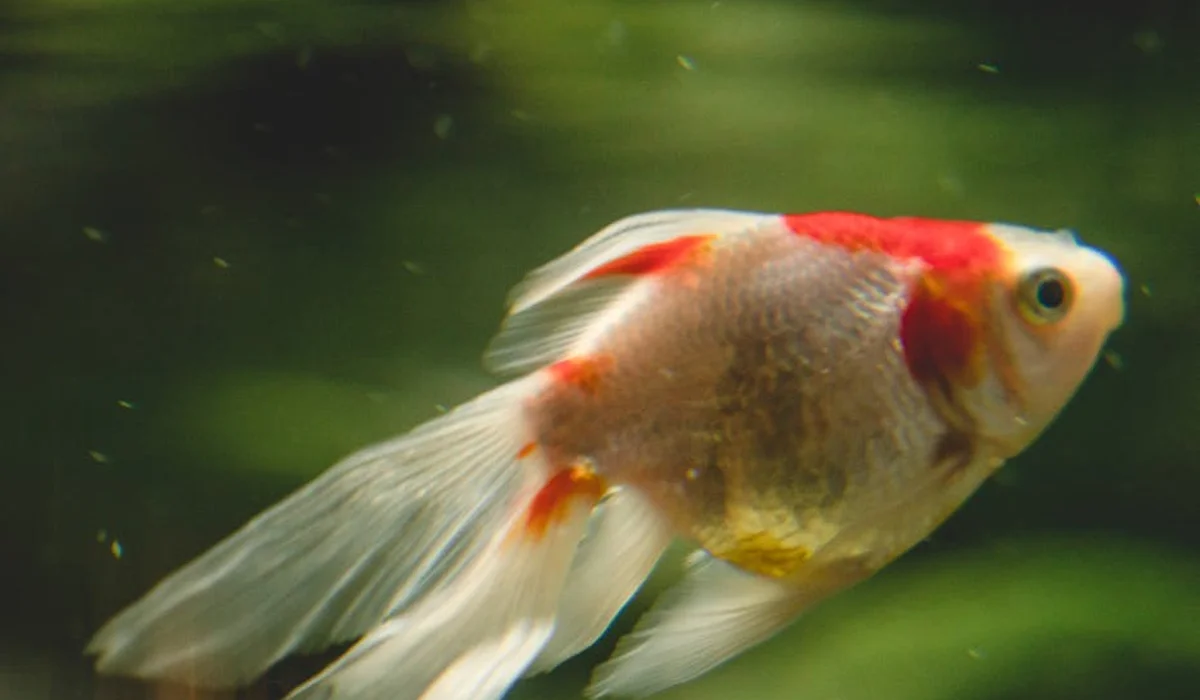
- Balance open and planted zones: Combine open swimming areas for active fish like Goldie with densely planted sections for cover. A well-structured tank mimics natural ecosystems and keeps all inhabitants healthy and engaged.
Aquarium Stands and Support Systems
Stand Dimensions and Weight Capacity
Your aquarium stand is the unsung hero of your entire setup, and getting its dimensions right is non-negotiable. The stand’s top surface must be at least as large as the aquarium’s footprint, with zero overhang on any side. Even a half-inch overhang creates dangerous pressure points that can lead to a catastrophic failure. To ensure proper support, choose a stand or cabinet with a flat, rigid base and verify it sits level on the floor. Use shims if needed and confirm the unit can safely bear the tank’s full weight.
Think of your full tank weight not as a single mass, but as a distributed load. Proper weight distribution means the entire bottom glass or acrylic panel is uniformly supported across its entire surface. A cabinet stand with solid panels offers superior support for rimmed aquariums, while an open-frame metal stand is often used for rimless tanks, providing a clean, modern look. So, when weighing metal vs wood stands, consider stiffness and how well the base distributes load. Metal often offers stronger, warp-resistant support, especially for larger or rimless tanks.
- Proper stand overhang requirements: The absolute rule is no overhang. The tank’s entire bottom frame or panel must rest completely on the stand.
- Weight distribution principles: The stand must transfer the immense weight (water is heavy!) evenly down to its legs and across your floor. A center-supported design is best for larger tanks.
- Cabinet stand vs open frame options: Cabinet stands hide equipment and offer storage, while open frames provide easier cord management and often a higher weight capacity for their size.
Safety Margins and Placement Planning
Never buy a stand rated for exactly your aquarium’s calculated weight. Always add a significant safety buffer to your stand’s weight capacity to account for the weight of rocks, substrate, and the equipment itself. I personally look for stands rated for at least 1.5 times my tank’s total estimated weight. If you’re building it yourself, use solid, moisture-resistant wood and proper joinery. Seal the wood and add bracing to ensure it stays stable in humid conditions.
Placement is more than just finding an empty spot. Plan for equipment access by ensuring you have room to reach behind the tank for tubing and cords, and space above to lift the lid for maintenance. Consider the room’s traffic flow to avoid high-bump zones, and always place your aquarium on a load-bearing wall, never in the center of a room.
- Calculate necessary weight capacity buffers: Take your tank’s full weight (water + tank + substrate + decor) and multiply by 1.5. This is your minimum stand rating.
- Plan for equipment access and maintenance: Leave a few inches of space behind the tank. Ensure you can comfortably reach the cabinet doors and get a net into the tank from above.
- Consider room layout and traffic flow: Keep the tank away from doors that swing open and high-traffic areas where people or pets could jostle the stand.
Planning Your Aquarium Setup: From Dimensions to Reality

Measuring Your Space Accurately
I’ve seen more than one aquarist fall in love with a 125-gallon tank, only to discover it won’t fit through their front door. Measuring your space accurately is the single most important step you can take before spending a single dollar. Grab a tape measure and follow these steps.
- Measure floor space and doorway access: Measure the *clear* width and height of every doorway, hallway, and stairwell the tank must pass through. Don’t forget to measure the turning radius.
- Check ceiling height for maintenance access: Ensure you have enough vertical space to comfortably get your arms into the tank for planting or decoration placement without straining.
- Verify electrical outlet locations: You’ll need multiple grounded outlets for filters, heaters, and lights. An outlet behind the tank is ideal to avoid tripping over extension cords.
- Plan water source and drainage access: A setup near a sink or with a long hose for Python-style water changes will make your weekly maintenance infinitely easier.
Trust me, writing these measurements down in a notebook will save you from a major logistical headache later.
Aspect Ratios and Viewing Pleasure
The dimensions of your tank directly influence how you experience your underwater world. Ideal viewing dimension ratios often favor a tank that is wider than it is tall, creating a more natural, cinematic view of your aquascape. A long, low tank offers more horizontal swimming space for fish and a greater canvas for creating depth with plants and hardscape.
Different tank shapes serve different purposes in your home decor. Compare a tall, narrow hexagon tank, which acts as a living sculpture, to a long, shallow bookshelf tank that integrates seamlessly into a modern room layout. Rimless tanks elevate the aesthetic by removing the visual barrier of a plastic trim, making the water’s surface the only boundary.
- Explain ideal viewing dimension ratios: A low-and-long profile (e.g., 48″x18″x12″) often provides a more engaging view than a tall-and-narrow one (e.g., 24″x24″x24″).
- Compare different tank shapes for home decor: Peninsula tanks can act as room dividers, cube tanks fit well in corners, and standard rectangles are versatile for most wall spaces.
- Discuss rimless tank aesthetic benefits: Rimless tanks offer an unobstructed, polished look that makes the aquascape feel more immersive and part of the room.
FAQs
How do you calculate the water volume of a rectangular tank?
To find the water volume in gallons, multiply the interior length, width, and height in inches, then divide by 231. For example, a tank measuring 30″ L x 12″ W x 18″ H has a volume of (30 × 12 × 18) / 231 ≈ 28 gallons. Always use interior dimensions for accuracy, as frames or braces can reduce the actual space. Calculating the volume accurately is essential when determining the right fish capacity for your aquarium.
How does frame thickness affect interior dimensions?
The frame, often made of plastic or metal, slightly reduces the interior dimensions compared to the exterior measurements. For instance, a standard 20-gallon tank might have an exterior of 24″ L x 12″ W, but the interior could be 23″ L x 11″ W due to the frame. This impacts the true water volume and available swimming space, so it’s essential to check manufacturer specs when planning.
How is substrate depth related to tank dimensions?
Substrate depth is tied to the tank’s base area; a larger footprint allows for deeper substrate without drastically reducing water volume. In a tank with a 36″ x 18″ base, a 2-inch substrate layer displaces less water proportionally than in a narrow tank. Deeper substrates can influence plant rooting and water flow, so adjust based on your tank’s dimensions and inhabitants’ needs.
How do you convert dimensions to gallons for custom tanks?
For custom rectangular tanks, use the formula: gallons = (length in inches × width in inches × height in inches) / 231. For odd shapes like cylinders, apply π × radius² × height / 231. Always double-check calculations and account for any internal obstructions, as custom builds may require thicker glass or acrylic, altering the final volume. Calculating volumes for various shapes can be tricky but is essential for proper aquarium setup.
Setting Up for Success
Always match your aquarium’s size to both your available space and the specific needs of your fish to prevent overcrowding and ensure structural safety. When selecting a tank, also choose the right size for your fish species, considering adult size and activity. Double-check weight limits and dimensions before purchase to avoid costly mistakes.
Responsible fish keeping starts with a commitment to continuous education about water chemistry, fish behavior, and tank maintenance. I’ve found that the most rewarding aquariums are cared for by owners who never stop asking questions and improving their skills.
Further Reading & Sources
- Aquarium Weights & Sizes
- How Size Affects an Aquarium’s Weight
- 50 Aquarium Dimensions Empty Full Tempered Size L x W x H* Weight Weight Bottom
- Tank Weight Calculator
- Is Your Floor Safe? Calculate Aquarium Weight for a Secure Tank | Petco
Lia is an expert in aquarium and pet fish care. Having worked in the marine industry and having cared for multiple pet fish, she has acquired first hand expertise on aquarium care, maintenance and setup. She always brings her practical expertise and science to help solve any aquarium related queries.
DIY Projects