
Osmoregulation Unlocked: Why Proper Acclimation and Salt Baths Save Fish Lives
Hello fellow fish keepers. You’ve probably faced that sinking feeling when a new fish struggles after a tank transfer or watched a favorite pet battle illness without knowing how to help. The secret to solving these common crises lies in a fundamental biological process happening right inside your fish.
This guide will walk you through the science and practical steps to master this hidden force. You will learn:
What osmoregulation is and why it’s your fish’s most demanding job
The science behind drip acclimation and why the float-and-pour method often fails
How therapeutic salt baths work to give sick fish a crucial lifeline
I’ve spent years breeding sensitive fish and maintaining complex planted systems, learning these lessons through direct, hands-on experience.
What Is Osmoregulation and Why Does It Matter?
Think of osmoregulation as your fish’s personal, internal water manager. It’s the biological process that keeps their body’s salt and water content in perfect balance with the water they live in. This constant, invisible effort is fundamental to their health, dictating everything from their energy levels to their ability to fight off disease.
Water naturally wants to move from an area of low solute concentration to an area of high solute concentration. A fish’s body fluids are much saltier than the surrounding freshwater. Because of this, water is constantly flooding into their body through their gills and skin, while their precious internal salts passively diffuse out. Osmoregulation is the high-energy fight against this natural flow, and it’s why your fish are always “working” even when they seem still.
When this system gets overwhelmed, your fish shows clear signs of distress.
- They become lethargic and lose their appetite.
- You might see them producing excess slime coat or flashing against objects.
- Long-term stress from poor osmoregulation makes them far more susceptible to parasites like ich and fungal infections.
Getting this balance right is not just a detail; it’s the core of preventative fish keeping. A stable environment that supports their osmoregulation is the single best thing you can provide for their long-term vitality.
How Fish Handle Salt Balance in Freshwater and Saltwater Tanks
Freshwater and saltwater fish face opposite challenges, and their bodies have evolved incredible, but different, strategies to cope.
Freshwater Fish: The Constant Battlers
My betta, Captain Fin, is a perfect example of a freshwater fish working hard. His body is saltier than his tank water. To manage this:
- He never drinks water. Instead, he absorbs it constantly through his gills and skin.
- His kidneys work overtime to produce a huge amount of very dilute urine to expel all that excess water.
- Specialized cells in his gills, called ionocytes, actively pump lost salts *back into* his body from the water.
Freshwater fish are in a perpetual state of saving salts and getting rid of water, which is a surprisingly energy-intensive full-time job.
Saltwater Fish: The Dehydrated Survivors
Saltwater fish live in an environment saltier than their own bodies. Their osmoregulation process is almost the exact opposite.
- They lose water constantly to the salty sea through osmosis.
- To compensate, they *actively drink* large amounts of seawater.
- Their gills use ionocytes to pump excess salts *out* of their bodies.
- Their kidneys produce only a small amount of very concentrated urine to conserve water.
While a freshwater fish is battling a flood, a saltwater fish is navigating a desert, constantly fighting to retain water and excrete salt. This is why you can’t simply move a fish from one environment to the other; their entire physiology is built for one specific type of water.
This knowledge directly informs why we acclimate new fish so carefully and why a small amount of aquarium salt can sometimes help a stressed freshwater fish. Proper acclimation means slowly bringing the fish to the tank’s exact water parameters—temperature, pH, and hardness—before full introduction. Taking time with this matching process minimizes shock and supports their early adjustment. You are essentially giving their ionocytes a helping hand, making it easier for them to maintain that critical internal balance. Always test your water’s parameters, as stability is what allows these delicate systems to function without going into crisis mode.
The Science Behind Acclimating Fish to New Environments
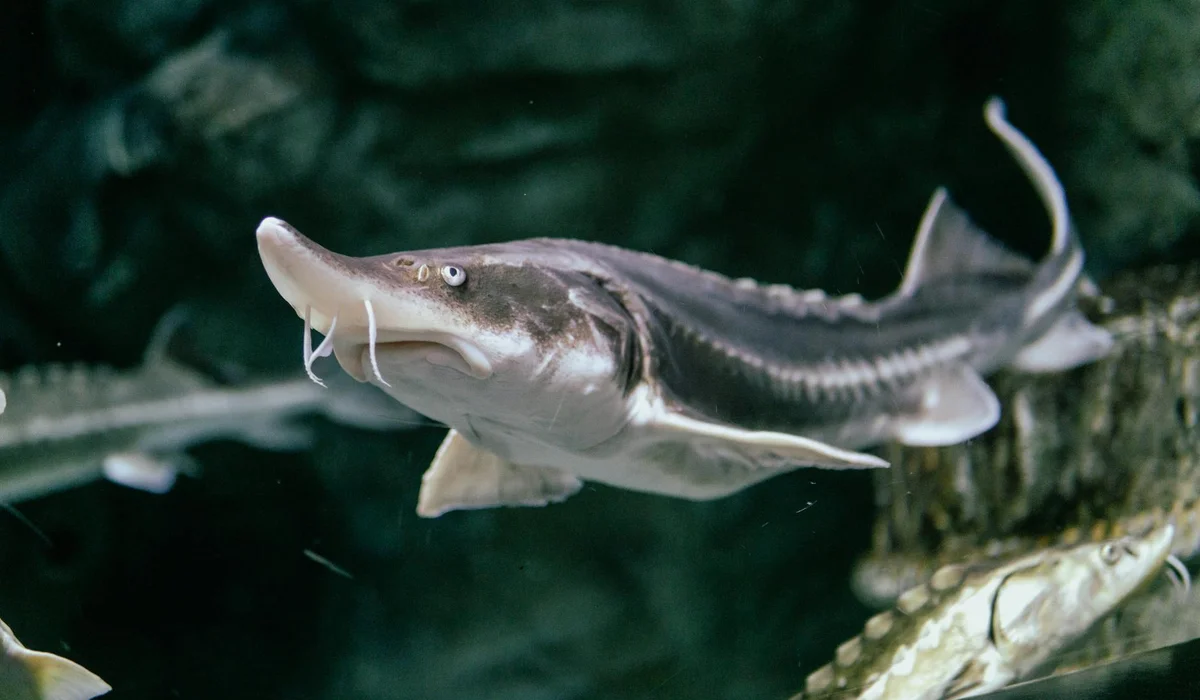
When you bring a new fish home, the water in its bag is wildly different from your aquarium water. The temperature, pH, and mineral content create a distinct chemical signature. To a fish, this is like being suddenly transported from a calm forest to a high mountain peak. The most immediate and dangerous shock is to their osmoregulation system, which is why a slow, careful introduction is non-negotiable, especially when you consider pH shock during water changes.
Why The “Float and Dump” Method Fails
Many of us learned the old method: float the bag to equalize temperature and then release the fish. This is a recipe for stress and disease. You only fix the temperature, ignoring the critical differences in pH and hardness. A sudden pH shift of just 0.5 can cause severe osmotic shock, damaging their gills and scales.
- It only addresses temperature, not water chemistry.
- The waste-filled bag water (high in ammonia) gets dumped into your clean tank.
- The rapid change forces the fish’s body to overhaul its osmoregulation processes instantly.
A Better Way: The Drip Acclimation Method
I use this method for every sensitive species, from my feisty betta, Captain Fin, to my shy corydoras, Shadow. It gives their bodies time to gradually adjust to the new water’s chemistry without any panic.
- Float the sealed bag in your aquarium for 15 minutes to stabilize temperature.
- Carefully open the bag and roll down its top to create a floating collar.
- Use airline tubing and a control valve to start a siphon from your main tank into the bag.
- Create a slow drip, about 2-4 drips per second.
- Let this drip continue until the water volume in the bag has at least doubled.
- Gently net the fish from the bag and place it into the tank. Avoid adding the bag water.
The gentle, continuous dilution allows the fish’s internal systems to recalibrate at a safe pace, preventing the physiological shock that weakens their immune system. You can actually see them become more active and curious as the process continues.
Using Salt Baths to Support Fish Health and Osmoregulation
Aquarium salt (sodium chloride) is a powerful tool when used correctly. It’s not a cure-all, but it works by directly assisting the fish’s osmoregulation. By adding a mild salt solution to the water, you reduce the osmotic gradient their bodies must fight against. Think of it as giving their internal systems a much-needed break, allowing them to conserve energy and focus on healing. In aquarium salt for freshwater health contexts, many hobbyists rely on salt as a simple, guideline-based measure to support wellbeing. When dosed properly for freshwater tanks, it can help support recovery during stress or minor infections.
When a Salt Bath Can Be Beneficial
I keep a box of pure aquarium salt on hand for specific situations. It’s my first line of defense for minor issues before considering harsh medications. Do antibiotics or antiparasitics work in an aquarium, or is their effectiveness highly dependent on the tank conditions? In many cases, I find it’s best to address water quality and stressors first, using meds only when clearly indicated and prescribed.
- To help a fish recover from nitrite poisoning by blocking nitrite uptake through the gills.
- As a supportive treatment for minor fin tears or abrasions, creating a less hospitable environment for bacteria.
- To provide relief for fish showing signs of osmotic stress, like excessive slime coat production.
A salt bath can ease the osmotic workload on a stressed fish, making it a valuable supportive therapy during recovery. The water will have a slight tinge of salt, a sign you’re creating a more forgiving environment for their delicate biology.
How to Prepare a Safe and Effective Salt Bath
Precision is key. Too little salt does nothing, and too much can harm your fish and live plants. Always use a separate container, not your main tank. For beginners, take it step by step as you set up a saltwater aquarium. Following these basics will help you do a safe, successful setup.
- Dissolve 1 tablespoon of aquarium salt per 3 gallons of dechlorinated water in a clean bucket.
- Ensure the water temperature matches your main tank.
- Acclimate your fish to this bath for 2-3 minutes using the drip method.
- Let the fish soak for 5 to a maximum of 10 minutes, closely watching for signs of distress.
- Use a net to return the fish to your main aquarium.
Important Considerations and Warnings
Salt is a tool, not a toy. It’s not suitable for all situations and can be downright dangerous for some species.
- Never use salt with live plants, as it will dehydrate and kill them.
- Avoid salt baths for scaleless fish, like corydoras and loaches, as they are highly sensitive.
- Salt does not evaporate; it remains in the water until physically removed via a water change.
- This is a bath or dip treatment, not a long-term tank additive for most community aquariums.
Misusing salt can do more harm than good, so always research your specific fish’s tolerance before proceeding. When used with knowledge and care, it becomes a simple yet profound way to give your aquatic pets a helping hand. Do use aquarium salt to support fish health and, when appropriate, help control pest snails. Always follow species-specific dosing guidelines and consult reliable sources before applying.
Spotting and Solving Osmoregulation Problems in Your Aquarium
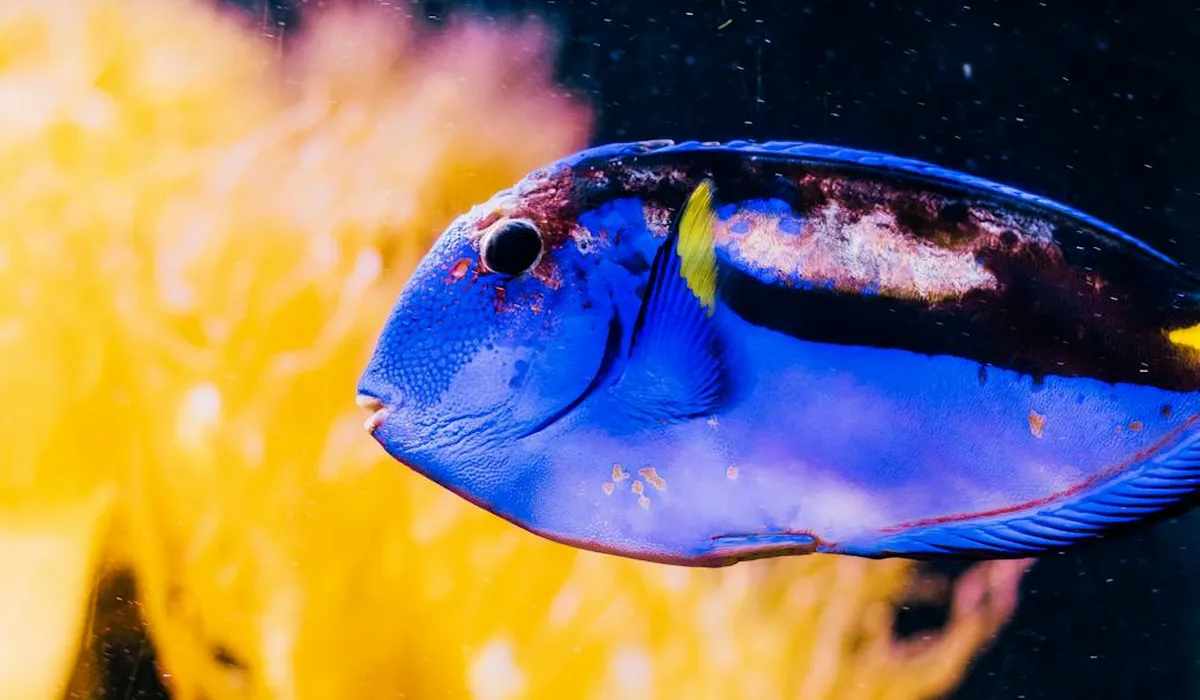
You might see your fish acting off, and it could be their internal salt and water balance getting out of whack. Watch for clamped fins, lethargy, or unusual swelling, as these are classic signs of osmoregulatory stress in freshwater species. I remember when Captain Fin, my Crowntail Betta, started hiding more and his vibrant colors dulled; a quick water test showed a pH swing that was throwing his system into overdrive.
Common Symptoms to Look For
- Rapid gill movement or gasping at the surface, indicating oxygen stress or ionic imbalance.
- Bloating or pineconing scales, which can signal kidney issues from poor water quality.
- Loss of appetite and reduced activity, often tied to sudden temperature drops or high ammonia.
Solving these issues starts with testing your water immediately. Use a reliable test kit to check ammonia, nitrite, nitrate, and pH, aiming for zero ammonia and nitrite with nitrates below 20 ppm for most community tanks. For Goldie, my Oranda Goldfish, I keep nitrates under 10 ppm because they are messy eaters and prone to health swings from waste buildup.
Step-by-Step Fixes for Acute Problems
- Perform a 25-30% water change with temperature-matched, dechlorinated water to dilute toxins.
- Adjust parameters slowly-change pH by no more than 0.2 units per day to avoid shocking fish.
- Consider a salt bath for freshwater fish like bettas or goldfish, using 1 tablespoon of aquarium salt per 3 gallons in a separate container for up to 15 minutes.
From my experience, Shadow, my Corydoras, once showed stress from a dirty substrate releasing trapped gases. Vacuuming the gravel weekly and ensuring good water flow can prevent debris from disrupting the delicate balance of minerals fish need for osmoregulation. The hum of a well-tuned filter and the clarity of crystal-clear water are your best allies here.
Pro Tips for Long-Term Osmoregulatory Health in Your Tank
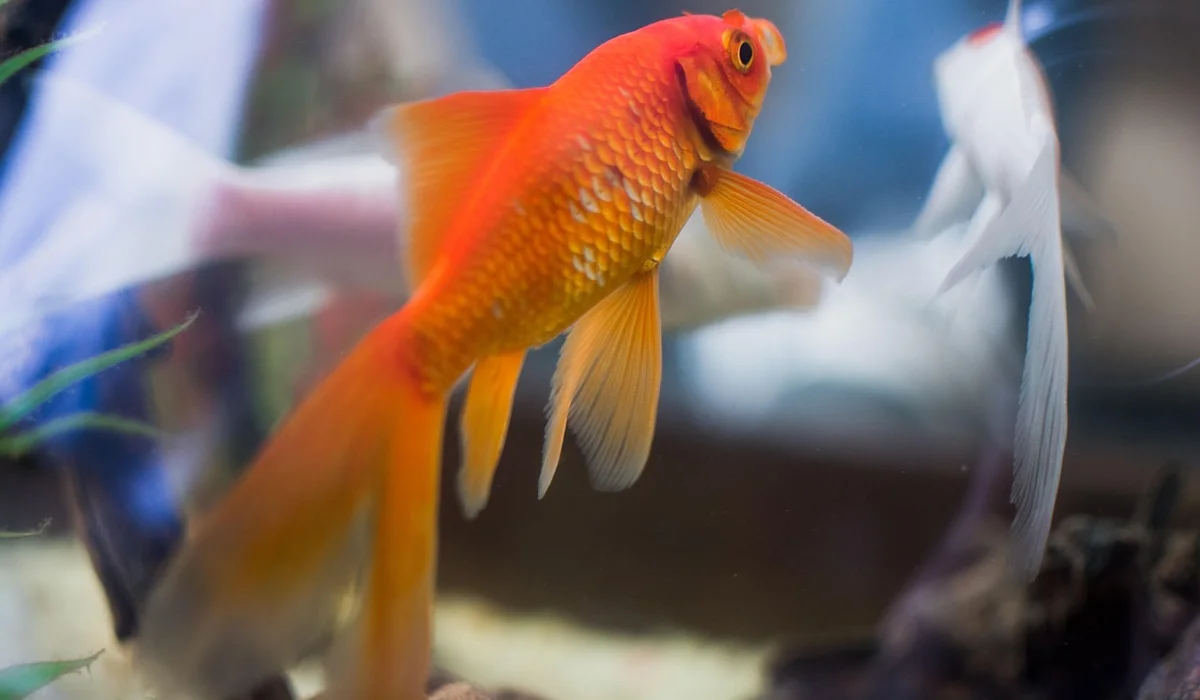
Keeping your fish’s salt and water balance stable is all about consistency and prevention. Maintain a steady temperature between 75-80°F for tropical fish like bettas and corydoras, as fluctuations force them to expend extra energy on regulation. This focus aligns with our aquarium temperature control complete guide for stable water. It explains why steady temperatures matter and how to achieve them. I use a heater with a built-in thermostat for Captain Fin’s tank to avoid those subtle dips that can lead to long-term stress.
Key Practices for Ongoing Health
- Test water weekly for pH, hardness, and dissolved solids; aim for a general hardness (GH) of 4-8 dGH for most freshwater species.
- Feed a varied diet with high-quality flakes or pellets to support kidney function and electrolyte balance.
- Include live plants like java fern or anubias to absorb nitrates and provide hiding spots, reducing stress.
Regular partial water changes are non-negotiable. I swap out 20% of the water every week in Goldie’s tank to keep nitrate levels low and mimic the gradual mineral replenishment found in natural habitats. The shimmer of healthy scales and active foraging you’ll see is a sure sign your efforts are paying off.
DIY Hacks for Stability
- Add Indian almond leaves to release tannins that gently lower pH and have antifungal properties, perfect for bettas.
- Use a drip acclimation method for new fish over 1-2 hours to ease them into your tank’s water chemistry without shock.
- Monitor TDS (total dissolved solids) with a meter, keeping it under 200 ppm for soft water fish to support efficient osmoregulation.
Don’t overlook the impact of tank size—overcrowding strains filtration and spikes waste. For goldfish like Goldie, I recommend at least 20 gallons for the first fish and 10 more for each additional one to give them space and dilute metabolic byproducts. This is part of an ideal goldfish tank setup, a guide to avoid common mistakes. A well-balanced ecosystem with clear, odor-free water not only looks beautiful but lets your fish thrive without constant internal battles. Pair this with regular maintenance to keep the setup in balance.
FAQs
Can I use aquarium salt with any type of fish?
No, you should not use aquarium salt with all fish. Scaleless fish, such as corydoras, loaches, and some catfish, are particularly sensitive and can be harmed by salt. It is crucial to research the specific tolerance of your fish species before considering any salt treatment. Also, aquarium salt is not the same as marine salt. Marine salt mixes are designed for seawater and include minerals that freshwater fish may not tolerate.
How long does salt remain in the aquarium water?
Salt does not evaporate or break down on its own. It remains in the water until it is physically removed through a water change. This is why salt baths are typically performed in a separate container, to prevent long-term salt accumulation in your main tank, which could be detrimental to plants and sensitive fish.
Is it ever okay to skip the drip acclimation process?
While drip acclimation is the gold standard for minimizing osmotic shock, there is one exception. If the water in the transport bag is foul or has a high ammonia concentration, it is safer to net the fish and transfer it to the clean tank immediately after temperature equalization to avoid ammonia burn, accepting the risk of a quicker parameter shift.
When should I avoid using a salt bath for a sick fish?
Avoid salt baths if your fish is suffering from a severe bacterial infection, internal parasites, or advanced swim bladder disease, as salt will not address the root cause. Salt is primarily a supportive therapy for external issues and osmoregulatory stress, and using it for the wrong ailments can delay proper, more effective treatment.
Your Role as a Fish Keeper
Always prioritize slow, drip-style acclimation for new fish and use salt baths only as a targeted treatment for specific illnesses. This gentle approach respects their delicate osmoregulatory process, preventing shock and giving them the best chance to thrive in your care, especially when acclimating fish after a water change.
Mastering the science behind fish health transforms you from a simple owner into a dedicated aquatic steward. Keep observing, keep testing your water, and let your curiosity about this amazing hobby guide you to new levels of success.
Further Reading & Sources
- Osmoregulation in fish. Mechanisms and clinical implications – PubMed
- A Brief History of the Study of Fish Osmoregulation: The Central Role of the Mt. Desert Island Biological Laboratory – PMC
- Osmoregulation – Wikipedia
- Frontiers | Exploring salinity adaptation in teleost fish, focusing on omics perspectives on osmoregulation and gut microbiota
- Don’t Sweat the Small Stuff: Fish Osmoregulation Explained – FISHBIO | Fisheries Consultants
Lia is an expert in aquarium and pet fish care. Having worked in the marine industry and having cared for multiple pet fish, she has acquired first hand expertise on aquarium care, maintenance and setup. She always brings her practical expertise and science to help solve any aquarium related queries.
Water Quality