
Your Dream Saltwater Aquarium: A Stress-Free Beginner’s Guide
Published on: December 25, 2025 | Last Updated: December 25, 2025
Written By: Lia Annick
Hello fellow fish lovers, does the thought of a saltwater tank feel both thrilling and a little intimidating? You’re not alone, but that shimmering underwater world is far more achievable than you might think.
This guide will walk you through the entire process, breaking it down into simple, manageable steps. We’re covering everything you need to know to get started, including:
The vital first step of cycling your tank to create a safe home.
Choosing the right equipment without wasting money.
Selecting hardy, beginner-friendly fish and corals for a stunning display.
Establishing a simple maintenance routine to keep your ecosystem thriving.
I’ve spent years cultivating vibrant reef tanks and successfully breeding marine fish, so I know exactly how to help you start strong.
Getting Started with Your Saltwater Aquarium
Saltwater tanks captivate with their dazzling array of colors and the dynamic behavior of marine life, offering a slice of ocean right in your living room. The shimmer of scales under specialized lighting and the intricate dance of coral polyps create a living artwork that freshwater setups rarely match. These key differences are rooted in water chemistry. Saltwater tanks must balance salinity, calcium, alkalinity, magnesium, and trace elements, making chemistry a central part of ongoing maintenance. Key differences include salinity control, generally higher equipment costs, and a greater need for water parameter stability—saltwater environments are less forgiving of sudden changes.
Choosing your tank size wisely sets the stage for success. I always advise beginners to start with at least a 30-gallon aquarium because larger water volumes dilute toxins and maintain stable conditions more easily. A 55-gallon tank is even better if space and budget allow, as it gives you more flexibility in stocking and reduces the frequency of major parameter swings.
Place your tank on a sturdy, level stand in a low-traffic area away from direct sunlight and drafts. A level stand helps ensure even water distribution and reduces stress on the tank’s seams. It also supports stable filtration and steady water flow. Direct sunlight encourages rampant algae growth, while temperature fluctuations from vents or windows can stress your fish and corals. Ensure the floor can handle the weight—a filled 55-gallon tank can weigh over 600 pounds—and leave space around the tank for easy access during maintenance.
Essential Equipment for a Beginner Saltwater Setup
Aquarium and Stand
Opt for a glass or acrylic tank; glass is scratch-resistant and affordable, while acrylic is lighter and offers clearer viewing. For beginners, a standard 30 to 55-gallon tank provides a manageable size that supports a stable ecosystem without overwhelming you. Your stand must be rated for the tank’s weight and constructed from materials like reinforced metal or marine-grade wood to prevent bowing or collapse over time.
Filtration and Protein Skimmer
Filtration in saltwater tanks combines mechanical, chemical, and biological methods to keep water crystal clear. A protein skimmer is non-negotiable-it pulls out organic waste before it breaks down, reducing algae and maintaining water quality. Many hobbyists use a sump, an external reservoir that hides equipment and increases water volume; it’s a game-changer for stability and makes maintenance less intrusive.
Heater, Thermometer, and Lighting
Select a submersible heater with about 3-5 watts per gallon; for a 40-gallon tank, a 150-200 watt heater works well. Pair it with a reliable digital thermometer for accurate readings, as saltwater species thrive in a narrow temperature range of 78-82°F. Lighting depends on your goals: basic LED fixtures suffice for fish-only tanks, but if you dream of corals, invest in full-spectrum LEDs that support photosynthesis and enhance colors.
Substrate, Live Rock, and Water Prep
Live sand or aragonite substrate buffers pH and hosts beneficial bacteria, while live rock serves as the biological filter and aquascaping centerpiece. I’ve found that using live rock from the start can shorten cycling time and introduce diverse microfauna for a healthier tank. Always use RO/DI (reverse osmosis deionized) water mixed with a quality salt blend to avoid impurities; mix it in a separate container until the salinity hits 1.023-1.025 specific gravity.
Testing and Maintenance Tools
Regular testing is your best defense against problems. Keep a master test kit on hand to monitor salinity, pH, ammonia, nitrite, nitrate, calcium, alkalinity, and magnesium weekly. Essential tools include a refractometer for precise salinity checks, algae scrapers, and a gravel vacuum for substrate cleaning-consistent testing and small water changes prevent major issues down the line.
Step-by-Step Saltwater Aquarium Setup Process

-
Begin by rinsing your tank, stand, and filter with fresh water-no soap-to remove any dust or manufacturing residues. Position the tank on a level, sturdy stand in a spot away from direct sunlight and heavy foot traffic. Taking these few minutes to clean and level everything prevents tiny particles or an unsteady base from causing problems months later. I always double-check the stand’s weight capacity; a 20-gallon tank with rock and water can weigh over 200 pounds, so stability is non-negotiable.
-
Add a 1-2 inch layer of substrate; I prefer aragonite sand because it slowly releases calcium and helps maintain a stable pH around 8.1-8.4. Then, aquascape with live rock, stacking it to create caves and overhangs—this gives fish hiding spots and boosts biological filtration. This foundation is essential when you set up a reef tank with diverse coral, fish, and invertebrates. With the system cycled, you can gradually introduce reef-safe marine life. The porous surface of live rock is where beneficial bacteria colonize, breaking down waste before it becomes toxic. When I set up my first marine tank, I used base rock underneath to save money, then topped it with premium live rock to seed the system faster.
-
Mix saltwater in a clean bucket using reverse osmosis (RO) or deionized water and a quality salt mix; aim for a salinity of 1.023-1.025 specific gravity, measured with a refractometer. This is a key step in making saltwater aquariums. It helps ensure a stable environment for marine life. Fill the tank slowly by pouring onto a plate or your hand to avoid disturbing the substrate and rockwork. Mixing thoroughly and testing salinity before adding it ensures your fish won’t suffer from osmotic shock when you introduce them. I let my mixed saltwater sit for an hour with a powerhead to dissolve all crystals—you’ll see the water turn crystal clear when it’s ready.
-
Install your heater, filter, powerheads, and any other gear, then plug them in and observe for leaks, unusual noises, or overheating. Run the system for at least 24 hours without livestock to confirm temperature stays at 76-78°F and flow is consistent. This trial run lets you tweak equipment placements and catch minor issues that could escalate into disasters. From my own mishaps, I now use drip loops on all cords to prevent water from tracking back to outlets-a simple hack that adds a layer of safety.
Cycling Your Saltwater Aquarium for Fish Health
Think of the nitrogen cycle as your tank’s invisible, life-support crew. This natural process cultivates beneficial bacteria that convert harmful fish waste into less toxic compounds, creating a safe environment for your future livestock. Without this established cycle, ammonia and nitrite levels can spike, causing severe stress or fatal poisoning for your fish.
What is the Nitrogen Cycle?
The nitrogen cycle is a three-stage biological filtration process. It starts when fish produce waste and uneaten food decays, releasing toxic ammonia. First, one group of bacteria converts that poisonous ammonia into nitrite, which is also highly toxic to fish. Then, a second group of bacteria converts the nitrite into nitrate, a far less harmful compound that you remove through regular water changes. If you’re cycling a new aquarium, this nitrogen cycle explained will help you understand the steps and what to monitor. This knowledge makes it easier to cycle your tank safely and keep inhabitants healthy.
Methods for Cycling Your New Tank
The most humane and reliable method is the fishless cycle. This allows the bacterial colonies to grow without exposing any living creature to dangerous toxins.
- Using a Bacteria Supplement: I always kickstart my cycles with a quality bottled bacteria product. You simply add the recommended dose directly to your new tank water and filter. Brands like Fritz Turbostart or Dr. Tim’s One & Only are highly effective.
- Adding an Ammonia Source: To feed the bacteria, you need to introduce ammonia. You can use a few small pieces of raw shrimp from the grocery store or use pure liquid ammonia. I prefer the liquid method for better control. You’ll add enough to reach about 2 ppm (parts per million) of ammonia on your test kit.
- The Waiting Game: Over the next several weeks, you’ll test your water daily. You’ll watch the ammonia level fall and the nitrite level rise, then fall, as the nitrate level climbs. The cycle is complete when your tank can process 2 ppm of ammonia into 0 ppm ammonia and 0 ppm nitrite within 24 hours.
The Critical Role of Testing and Patience
You cannot rush a cycle, and you cannot guess your water parameters. Investing in a reliable liquid test kit, like those from API or Salifert, is non-negotiable for a successful saltwater aquarium. Test strips are often inaccurate and will lead you astray.
Expect the entire cycling process to take anywhere from 4 to 8 weeks. It’s a test of patience, but seeing that first batch of perfect test results is incredibly rewarding. Resist the overwhelming temptation to add a “hardy” fish early; even the toughest species suffer in the presence of ammonia and nitrite. Your future fish will thank you for your diligence with vibrant colors and active, healthy behavior.
Choosing and Acclimating Beginner Saltwater Fish
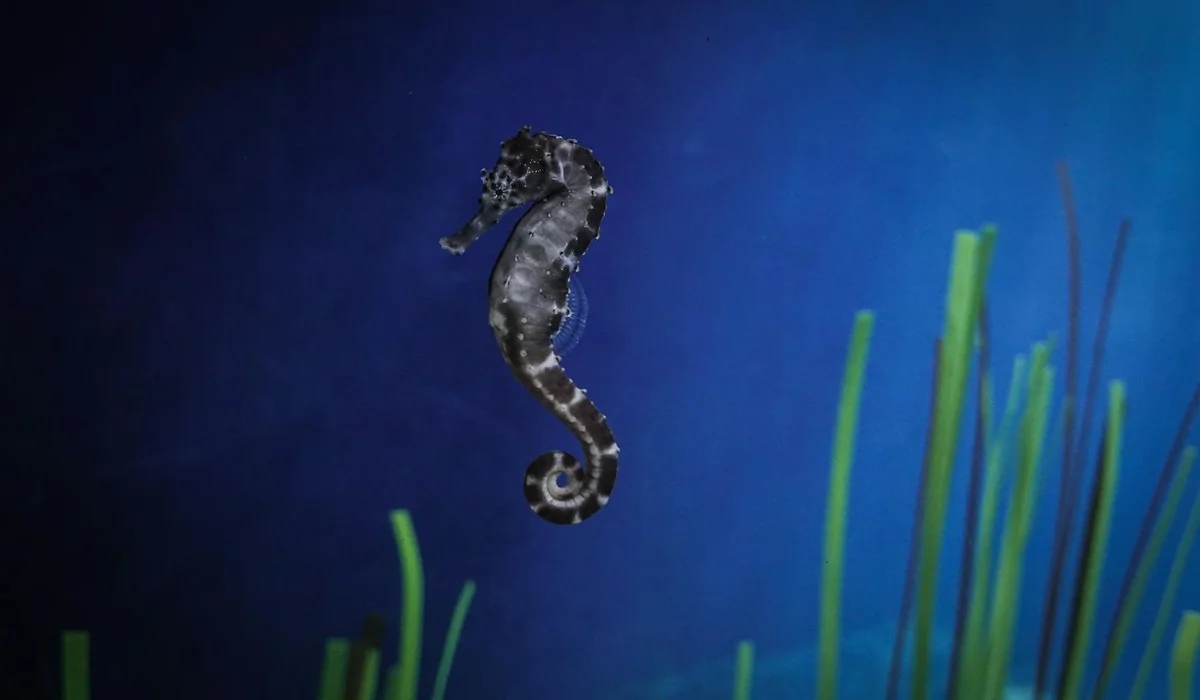
Top Fish Picks for Beginners
Starting with the right fish makes all the difference between a thriving reef and a frustrating experience.
- Ocellaris Clownfish: The classic orange and white clownfish is remarkably hardy and full of personality. They often host in anemones or even powerhead guards! Keep them in pairs, and they will become the stars of your tank.
- Azure Damselfish: While some damsels are bullies, the azure is a more peaceful, stunning blue option. They are incredibly resilient and help you build confidence as a new aquarist. Just provide plenty of rockwork for hiding.
- Tailspot Blenny: This little fish has loads of character, perching on rocks and nibbling on microalgae. They are peaceful, stay small (under 3 inches), and their constant grazing helps keep your tank clean.
- Firefish Goby: Known for their vibrant colors and shy nature, firefish add a beautiful dash of movement. They are jumpers, so a tight-fitting lid is non-negotiable. They prefer a calm tank without aggressive tankmates.
- Royal Gramma: With a striking purple and yellow coloration, this fish is a peaceful, cave-dwelling beauty. They are generally hardy but can be territorial with their own kind, so one per tank is the rule.
I always recommend a pair of clownfish and a blenny as a fantastic, active, and manageable starting community.
Fish Compatibility and Quarantine
Throwing incompatible fish together is a recipe for stress and disaster. Plan your community carefully from the start.
Avoid mixing multiple territorial species, like different types of damsels, in a small tank. Aggression can flare up quickly, leading to injured fish that hide all day. Research each species’ temperament before you buy. To build a peaceful community tank, choose compatible fish with similar temperaments. Look for species that coexist well and match your tank size.
The single most important habit you can develop is using a quarantine tank. I run a simple 10-gallon tank with a heater, sponge filter, and a piece of PVC pipe for a hide. Every new fish spends at least two weeks here.
This separate tank lets you observe new arrivals for signs of illness like ich or velvet without risking your entire display aquarium. Treating a disease in a small, bare quarantine tank is infinitely easier and more successful than in your main, rock-filled ecosystem.
Acclimation Techniques
Bringing a fish home and dumping it straight into your tank is a huge shock to its system. The goal is to slowly equalize the water conditions inside the bag with the water in your aquarium. This process is crucial to ensure a smooth transition; you can learn more about how long to float fish bags before releasing them into the tank here.
The slow drip method is the gold standard for saltwater fish and is what I use for every new arrival. It gives them the gentlest transition possible.
- Float the sealed bag in your sump or display tank for 15 minutes to equalize temperature.
- Carefully pour the fish and the bag water into a clean bucket. Do not contaminate your tank with the store’s water.
- Set up a siphon drip line from your main tank to the bucket using airline tubing and a valve or knot to control the flow.
- Start a slow, steady drip, about 2-4 drips per second.
- Over the next 60-90 minutes, the water volume in the bucket will double. This slowly adjusts the fish to your tank’s pH and salinity.
- After the time has passed, net the fish from the bucket and gently release it into your display tank. Discard the water in the bucket.
For a quicker but less ideal method, you can float and gradually add small cups of tank water to the bag every 10 minutes for an hour. Whichever method you choose, patience is the key to a successful introduction.
Maintaining Your Saltwater Aquarium Ecosystem
Consistency is the secret ingredient that separates a thriving reef from a struggling one. Your weekly routine is the heartbeat of your tank’s health, preventing small issues from becoming big problems. Think of it not as a chore, but as a quiet moment of connection with your underwater world.
Your Weekly Maintenance Schedule
Set aside the same day each week for these tasks. A predictable schedule is easier for you and better for your tank’s inhabitants.
- Water Change: Siphon out 10-15% of your tank’s water. For a 50-gallon tank, that’s 5 to 7.5 gallons. Use this opportunity to vacuum detritus from the substrate.
- New Saltwater: Always mix your new saltwater a day in advance in a separate, clean container. This allows the salt to fully dissolve and the water to reach room temperature, preventing shock to your livestock.
- Glass Cleaning: Use a clean algae magnet or scraper to wipe the inside glass. You’ll be amazed at how much this improves the view.
- Filter Sock Maintenance: If you use filter socks, swap the dirty one for a clean, pre-rinsed one. Soak the used sock in a bleach solution (1 part bleach to 20 parts water) for 24 hours, then rinse thoroughly and let it dry completely for next time.
Water Testing: Your Crystal Ball
Testing your water is like getting a full health report. I test my main parameters every single week without fail.
- Alkalinity (KH): Aim for 8-12 dKH. This is your pH’s best friend, and it’s the first parameter I check. It can swing quickly and stress corals.
- Calcium: Target 380-450 ppm. Corals and coralline algae consume this constantly to build their skeletons.
- Magnesium: Keep it between 1250-1350 ppm. Magnesium prevents calcium and alkalinity from locking up and precipitating out of the water.
- Nitrate: Ideal for a mixed reef is 1-5 ppm. A little is good for corals; too much fuels nasty algae.
- Phosphate: Keep it below 0.03 ppm. This is the primary food for pesky algae blooms.
Controlling the Green: Algae Management
Seeing some algae is normal, but an explosion means an imbalance. The most effective algae control is a combination of nutrient export and manual removal, not just chemicals.
- Manual Removal: For hair algae on rocks, twirl a toothbrush around it like spaghetti on a fork and pull it out.
- Cucumber Crew: A sea cucumber or a handful of turbo snails are fantastic natural cleaners for sand and glass.
- Phosphate Control: If phosphates are high, consider a granular ferric oxide (GFO) media in a media reactor. It acts like a magnet, pulling phosphate right out of the water.
Filter and Equipment Check-Up
Your equipment works hard 24/7. A quick weekly glance-over can save you from a catastrophic failure.
- Protein Skimmer: Empty the collection cup and check that the air intake isn’t clogged with salt creep. Adjust the water level inside if the foam is too wet or dry.
- Return Pump & Powerheads: Listen for unusual noises or vibrations. Feel the pumps; if they’re excessively hot, they may be failing.
- Heater: Verify the temperature on a separate thermometer. Heater thermostats can fail, cooking your tank without you knowing.
- Hoses and Fittings: Look for any slow drips or signs of wear. A small leak today can become a flood tomorrow.
Saltwater Aquarium Setup Cost and Kit Options
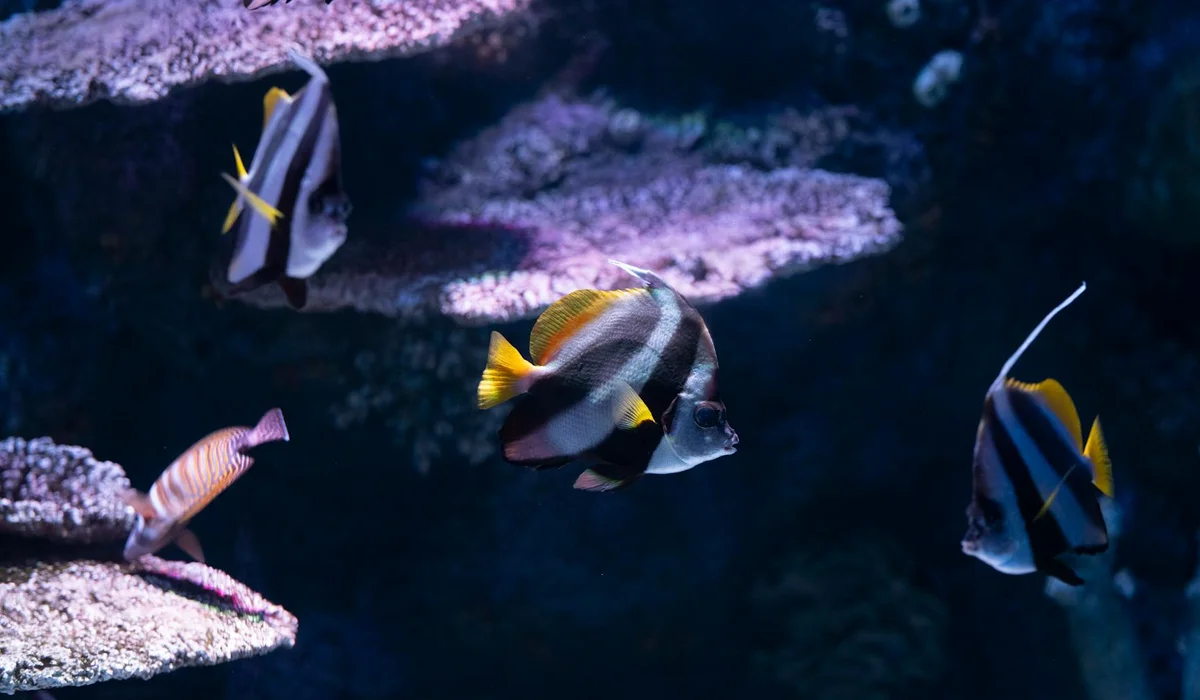
Let’s talk numbers. A common question I get is, “How much does a saltwater tank really cost?” Being upfront about the budget helps you plan for success and avoid unpleasant surprises down the line.
Breaking Down the Initial Investment
For a beginner-friendly system around 20-30 gallons, you’re looking at a significant initial outlay. This isn’t a hobby where you can easily cut corners without risking your aquatic investment.
- Equipment: The tank itself, a quality protein skimmer, a powerful light for corals, a reliable heater, and a robust filter or powerhead for flow will typically run between $500 and $1,000. The protein skimmer alone is a non-negotiable piece for saltwater and can cost $100-$300.
- Fish and Cleanup Crew: Marine fish are more expensive. A single Clownfish might be $25-$50, and a cleanup crew of snails and hermit crabs can add another $50-$75. Never stock your entire tank at once; this is a marathon, not a sprint, for both your wallet and your tank’s biology.
- Ongoing Supplies: Budget for salt mix, Reverse Osmosis Deionized (RODI) water (making your own is cheapest long-term), filter media, and quality food. This can easily be $30-$50 per month.
DIY Setup vs. All-In-One Starter Kits
You essentially have two paths: piecing everything together yourself (DIY) or buying a pre-packaged All-In-One (AIO) kit. I’ve done both, and each has its place.
All-In-One (AIO) Starter Kits
These are fantastic for beginners. Brands like Fluval and Red Sea offer tanks where the filtration is built neatly into the back of the aquarium. Different types of aquarium filters, such as hang-on-back, canister, sponge, and internal, each have their own strengths. The best choice depends on your tank size, bioload, and how much maintenance you’re willing to perform.
- Pros: They are incredibly user-friendly. Everything is designed to work together, the equipment is hidden for a clean look, and it takes the guesswork out of compatibility. It’s a plug-and-play solution that lets you focus on learning water chemistry.
- Cons: The upfront cost can be higher than a DIY setup. You might also find yourself wanting to upgrade specific components, like the light, sooner than expected.
DIY (Piece-It-Yourself) Setup
This involves buying a standard aquarium and then sourcing every component separately.
- Pros: You have complete control over every piece of equipment. You can choose the exact protein skimmer, light, and wave pump you want, often for a lower total cost if you shop sales.
- Cons: The learning curve is steep. You must ensure all equipment is appropriately sized and compatible. The aesthetic can be cluttered with cords and equipment hanging on the tank.
For a true beginner, an All-In-One kit is almost always the wiser, less stressful choice that sets you up for a better experience.
Budget-Friendly Advice for Getting Started
You can ease the financial burden without compromising the health of your future fish. Smart shopping is key.
- Buy the Biggest Tank You Can Afford (Within Reason): A larger water volume, like a 40-gallon breeder, is more forgiving of beginner mistakes than a tiny 10-gallon. Parameters stay stable longer.
- Shop the Secondhand Market: Check local classifieds and aquarium forums. You can often find high-end equipment for a fraction of the cost. Just be sure to test heaters and pumps before you buy.
- Invest in an RODI Unit Early: While it costs $60-$150 upfront, making your own pure water saves a fortune compared to buying it from the store and ensures no contaminants.
- Start with Hardy, Inexpensive Fish: Begin with a pair of Ocellaris Clownfish and a cleanup crew. Avoid delicate and expensive species like Mandarin Dragonets until your tank is mature.
Patience is the ultimate budget tool; waiting for a sale or for your tank to fully cycle saves you from costly replacements and lost livestock.
Common Questions
What is a good saltwater aquarium setup for beginners?
An excellent beginner setup is a 30 to 55-gallon All-In-One (AIO) tank kit. These systems come with integrated filtration, which simplifies the process and reduces clutter. Starting with hardy fish like clownfish and damselfish will help ensure success as you learn.
Is a saltwater aquarium setup kit worth it for a first-timer?
Yes, an All-In-One (AIO) starter kit is highly recommended for beginners. It takes the guesswork out of equipment compatibility and provides a clean, integrated look. This allows you to focus on learning essential water chemistry without the stress of sourcing individual components.
What is the purpose of a saltwater aquarium return pump?
The return pump is the heart of your system’s water flow. It pushes water from the sump (or rear filter chamber) back up into the main display tank. A reliable, correctly sized pump is crucial for ensuring proper circulation, gas exchange, and delivering water to your filtration equipment.
What does ongoing saltwater aquarium setup and maintenance involve?
Maintenance centers on a consistent weekly routine. This includes a 10-15% water change, testing key parameters like alkalinity and nitrate, and cleaning the glass and equipment. A predictable schedule is the best way to prevent problems and keep your ecosystem healthy and stable.
Your Journey Begins Now
Patience is your most valuable tool, so take your time with the cycling process and never skip your weekly water testing. A successful saltwater tank is built on a stable foundation of live rock, powerful filtration, and consistent, simple maintenance.
Caring for a saltwater aquarium is a rewarding, long-term commitment to a vibrant, living ecosystem. The most successful aquarists are those who remain curious, always observing their tank’s inhabitants and continuing to learn.
Further Reading & Sources
- Tips for a Beginner Saltwater Aquarium | TFH Magazine
- Saltwater Aquarium Tips For Beginners: Don’t Fail Year One – My First Fish Tank
- The Best Guide for Starting a Reef Tank | Reef Builders | The Reef and Saltwater Aquarium Blog
- How Do I Start A Saltwater Aquarium? – Bulk Reef Supply
- Starting a Saltwater Aquarium for Beginners. A Comprehensive Guide (with Infographic)
Lia is an expert in aquarium and pet fish care. Having worked in the marine industry and having cared for multiple pet fish, she has acquired first hand expertise on aquarium care, maintenance and setup. She always brings her practical expertise and science to help solve any aquarium related queries.
Filtration Systems