
Your Crystal Clear Water Awaits: The No-Stress Guide to Canister Filter Setup
Hello fellow aquarists. That brand new canister filter sitting in its box can look a little intimidating with all its hoses and valves, can’t it? But the hum of a perfectly tuned canister filter and the sparkling water clarity it delivers are absolutely worth those first-time jitters.
This guide will walk you through the entire process, covering choosing the perfect spot for your filter, the unboxing and assembly of all the parts, the critical step of media layering, the simple tricks for priming and starting the system, and the vital pre-run leak checks.
I’ve set up dozens of these on my own high-tech planted tanks, creating healthy homes for fish like my feisty betta, Captain Fin, and my shy corydoras, Shadow.

- ✓
- ✓
- ✓

What Is a Canister Filter and How Does It Work?
Think of a canister filter as your tank’s dedicated water treatment plant, a powerful sealed unit that sits discreetly outside your aquarium. Unlike hang-on-back filters, a canister’s main strength is its massive capacity for different filter media, allowing for superior mechanical, chemical, and biological filtration all at once. This powerhouse pulls water from your tank, forces it through various cleaning stages inside the canister, and then returns the polished water back.
The Filtration Process in Three Clear Stages
Water flows through the canister in a specific order to ensure it’s cleaned thoroughly before returning to your fish. Here is the typical path:
- Mechanical Filtration: Water enters the canister and first passes through foam pads or filter floss. This stage acts like a fine net, trapping solid waste like fish poop and leftover food. Clear water is the immediate reward.
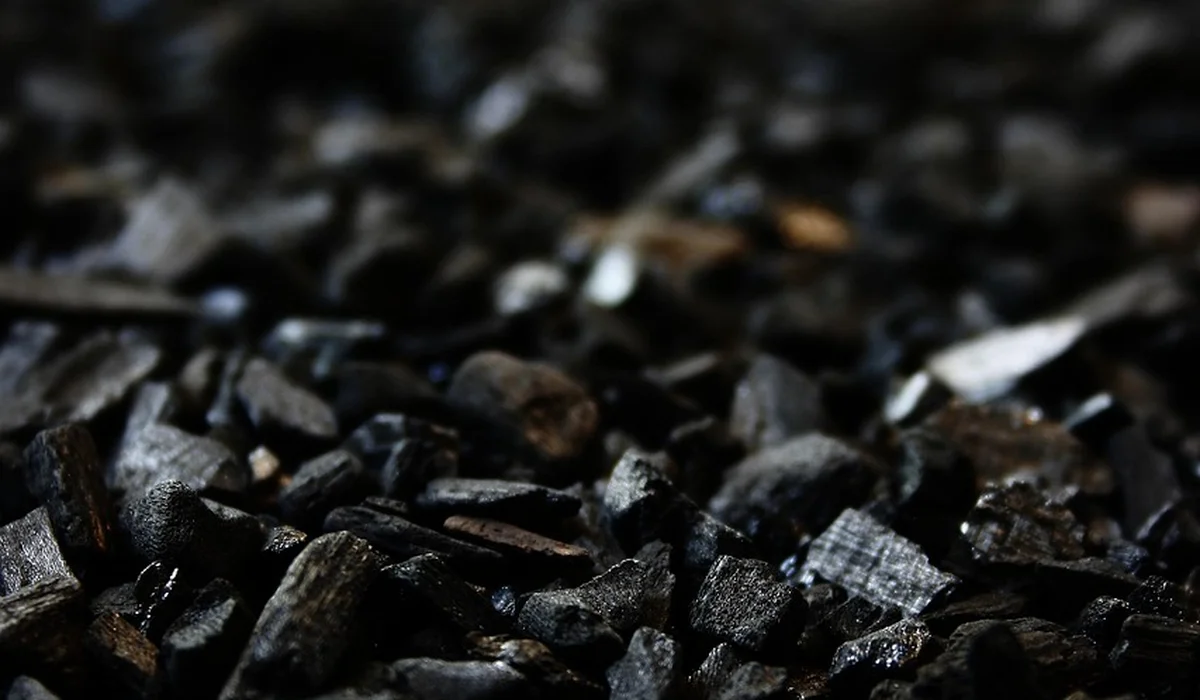
- Chemical Filtration: The water then flows through chemical media, most commonly activated carbon. This stage is your secret weapon for removing dissolved pollutants, medication residues, and tannins that yellow the water, resulting in that crystal-clear shimmer.
- Biological Filtration: Finally, the water moves through porous media like ceramic rings or bio-balls. This is where the magic of the nitrogen cycle happens. Beneficial bacteria colonize this media, converting toxic ammonia and nitrite into safer nitrate, which is then consumed by your live plants.
Gathering Your Equipment and Preparing for Installation
Before you start connecting hoses, lay out all your components on a towel near the aquarium. A little prep work makes the entire process smooth and leak-free. Rushing this setup is the most common cause of leaks and frustration, so take your time and double-check everything.

Your Complete Canister Filter Checklist
- Canister filter unit with lid and sealing O-ring
- Intake and output tubes and strainers
- Sufficient hosing to reach from the tank to the cabinet below
- All necessary filter media (foam pads, ceramic rings, etc.)
- A water dechlorinator
- Clean towels and a large bucket
- Vaseline or silicone grease (for lubricating the O-ring)
Critical Pre-Installation Steps
Follow these steps to ensure your filter is primed for success before you even plug it in.
- Assemble the Media Baskets: Layer your media in the correct order. I always start with a coarse foam pad on the bottom (where water enters), followed by finer pads, then chemical media, and finally the biological media in the top baskets.
- Lubricate the O-Ring: Find the large rubber O-ring on the canister lid or base. A thin coat of Vaseline on this O-ring is the single best thing you can do to prevent leaks and ensure a perfect seal for years.
- Position the Filter: Place the canister filter in your cabinet, ensuring it’s level and stable. Remember, this unit will be filled with water and is heavy. The golden rule is to always position the filter below the water level of your tank for reliable, self-priming operation.
- Rinse Everything: Briefly rinse all new filter media and the inside of the canister with dechlorinated water. Never use tap water, as the chlorine will kill the beneficial bacteria you’re trying to cultivate.
Step-by-Step Canister Filter Assembly
Step 1: Attach Hoses and Nozzles
Begin by unpacking your canister filter and laying out all the components. You will typically have two hoses—one for intake and one for output—along with nozzles that connect to your aquarium. Always double-check the hose lengths to ensure they reach from the filter to your tank without stretching or kinking. I like to attach the intake nozzle first, which usually has a strainer to prevent fish from getting sucked in. Screw it firmly into the hose, but avoid over-tightening, as that can crack the plastic. For the output nozzle, I prefer one that creates gentle surface agitation, which helps oxygenate the water for fish like Captain Fin, who enjoys well-aerated spots. This is part of the install and set-up of our complete aquarium filter guide. Next, we’ll cover priming the filter, mounting it, and starting the flow.
Next, connect the other ends of the hoses to the corresponding ports on the canister filter. Make sure the intake hose goes to the “in” port and the output to the “out” port-mixing these up is a common mistake that can stop water flow entirely. I often use hose clamps or the provided locking rings to secure everything, reducing the risk of leaks that could harm sensitive bottom dwellers like Shadow.
Step 2: Arrange Filter Media in Layers
Opening the canister, you will see baskets or compartments for filter media. Layering media correctly is key to clear water and a healthy nitrogen cycle, which I have found prevents stress in fish like Goldie. Start with mechanical filtration at the bottom or first basket-this traps debris. I use coarse sponge or filter floss here. Follow with chemical media in the middle, such as activated carbon, to remove impurities and odors. Finish with biological media on top, like ceramic rings or bio-balls, where beneficial bacteria colonize to break down toxins.
- Bottom layer: Coarse sponge for large particles
- Middle layer: Activated carbon or purifying pads
- Top layer: Bio-media for bacterial growth
Rinse all media in dechlorinated water before placing it to avoid clouding your tank with dust. In my experience, this order ensures water flows through each stage efficiently, keeping the ecosystem balanced.
Step 3: Position the Filter and Connect Hoses
Place the assembled canister filter in its final location, ideally inside a cabinet below the tank for a tidy setup. Ensure the filter is level and on a stable surface to prevent vibrations that can disturb shy fish like Shadow. I always leave a few inches of space around it for airflow and future maintenance. Now, guide the hoses up to the aquarium, attaching the nozzles securely to the tank’s rim or drilled holes. Use suction cups or clips to hold hoses in place, avoiding sharp bends that restrict flow. This setup also works well for a cold-water aquarium tank, where clean, stable water is key. If your tank is unheated, consider an adjustable-flow filter to reduce stress on cold-water fish.
Check that all connections are tight but not forced, as overtightening can lead to cracks over time. Once everything is in position, you are ready to move on to priming, which brings the whole system to life.
Priming the Filter and Starting Water Flow
Priming fills the canister with water to remove air and start the siphon. I prefer using the primer pump if your filter has one-simply press it repeatedly until water flows steadily into the canister. If not, you can manually fill the canister with tank water before sealing it. This step prevents the pump from running dry, which could damage it. Once primed, plug in the filter and listen for the hum of the motor; a smooth sound means it is working correctly.

- Fill the canister with water using the primer or manually
- Seal the lid tightly to maintain pressure
- Plug in the filter and check for leaks around connections
- Adjust the flow rate if your model allows it for gentle circulation
Let the filter run for a few minutes and observe the water output for any air bubbles, which should disappear as the system stabilizes. In my tanks, this process ensures crystal-clear water that keeps fish active and healthy, just like the environment Captain Fin thrives in. It’s important to understand how a fish tank filter works to maintain a clean and healthy aquatic environment.
Integrating the Filter with Your Aquarium Ecosystem
Getting your canister filter running is just the start; the real magic happens when it blends seamlessly with your tank’s life. Proper integration means your fish swim happily, your plants flourish, and the water stays sparkling clear without any disruptive turbulence. And that’s why water flow is as important as filtration in an aquarium. It carries waste to the filter and helps distribute oxygen evenly, preventing stagnant spots.
Matching Flow to Your Fish’s Needs
Not all fish enjoy the same water movement. I always check the natural habitat of my fish-like how Captain Fin, my betta, prefers gentle flows, while Goldie the goldfish needs more current to handle waste.
- For bettas, gouramis, or slow swimmers: Use a flow rate under 5 times the tank volume per hour, or add a spray bar to diffuse output.
- For active fish like goldfish or tetras: Aim for 6-10 times the tank volume per hour to keep debris suspended.
- Adjustable flow settings on your filter let you fine-tune it based on behavior-if fish struggle to swim, reduce the power.
Positioning Intake and Output Tubes
Where you place the tubes affects everything from water circulation to fish safety. I position the intake near the bottom to grab debris and the output facing upward to create surface agitation for oxygen exchange.
- Place the intake tube away from fine substrate to prevent sand or gravel from clogging it.
- Angle the output toward the water surface or a tank wall to avoid direct blasts on plants or shy fish like my corydoras, Shadow.
- Ensure tubes are secure and hidden behind decor to maintain a natural look and reduce stress for bottom dwellers.
Syncing with Plants and Decor
Your filter should work with your aquascape, not against it. By directing flow around driftwood and dense plants, you create pockets of calm where fish can retreat and beneficial bacteria can colonize.
- Use rock formations or tall plants like Java fern to break up strong currents in high-flow areas.
- Avoid blocking the intake with decor; leave a few inches of clearance for efficient water suction.
- In planted tanks, gentle flow helps distribute nutrients without uprooting delicate stems.
Balancing Water Chemistry
Canister filters can subtly influence pH and hardness based on your media choices. I often use peat pellets in my filter media for soft water species, which slowly releases tannins to lower pH naturally.
- For neutral to alkaline water (pH 7.0-8.0): Stick with ceramic rings or bio-balls that don’t alter chemistry.
- For acidic conditions (pH 6.0-6.5): Add almond leaves or peat moss to the filter chamber-this mimics blackwater environments.
- Test water weekly after setup; changes should be gradual to avoid shocking your fish.
Routine Maintenance and Cleaning Schedule
Keeping your canister filter clean isn’t just about preventing clogs-it’s about sustaining a healthy environment. A consistent schedule means you’ll hear the quiet hum of efficiency and see your fish’s colors pop against pristine water.
Weekly Quick Checks
Spend five minutes each week to catch small issues before they escalate. I do this during feeding time to observe if flow changes or unusual noises arise.
- Listen for gurgling or reduced water output, which can signal air bubbles or debris buildup.
- Check tubing for kinks or algae growth, especially near connections.
- Peek at the filter’s exterior for leaks; a dry surface means all seals are intact.
Monthly Deep Cleaning Steps
Set a reminder for every 4-6 weeks—I use my phone calendar so I never forget. These are essential aquarium maintenance tasks, and their frequency matters for water quality. By setting a regular schedule, you ensure nothing slips through the cracks. Always clean filter media in tank water you’ve removed, not tap water, to preserve beneficial bacteria.
- Turn off and unplug the filter, then close any valves to prevent spills.
- Disconnect hoses and move the canister to a bucket or sink for easy access.
- Open the canister and remove media trays; gently swish them in old tank water to dislodge gunk.
- Inspect impellers for wear and wipe the housing with a soft cloth-avoid soap or chemicals.
- Reassemble everything, prime the system if needed, and restart to ensure smooth operation.
Tailoring Frequency to Your Tank
Heavily stocked tanks need more attention than lightly planted ones. My goldfish tank requires cleaning every 4 weeks due to high waste, while my betta’s planted setup can go 8 weeks between maintenance. Regular aquarium cleaning maintenance helps keep water clear and fish healthy. Plan cleanings around your tank’s bioload and plant density.
- High-bioload tanks (e.g., with goldfish or cichlids): Clean every 3-4 weeks.
- Low-bioload tanks (e.g., with shrimp or small tetras): Extend to 6-8 weeks.
- Monitor water parameters; if nitrates rise above 20 ppm, it’s time for a filter check.
Signs It’s Time for Immediate Cleaning
Don’t wait for the schedule if you notice these red flags. Reduced flow or cloudy water often means the filter is struggling and needs your help now.
- Water flow slows to a trickle, even after checking for clogs.
- Unusual odors emanate from the filter-a healthy system smells faintly earthy, not foul.
- Fish gasp at the surface, indicating poor oxygenation from blocked outputs.
Troubleshooting Common Canister Filter Issues
Even the best canister filters can hit a snag, but most problems have simple fixes you can handle yourself. We’ll cover common aquarium filter problems and how to fix them. Regular maintenance and a calm approach will keep your aquarium’s heart beating strong and clear.
When Water Flow Slows or Stops
If the water trickle from your output tube weakens, your filter might be crying for help. Start by checking the impeller chamber for debris; a small piece of plant or gravel can jam the mechanism and cut flow dramatically. Power down the unit, disconnect it, and open the canister to access the impeller.
- Gently remove the impeller and rinse it in a bowl of tank water to preserve beneficial bacteria.
- Inspect the intake strainer for clogs from fish waste or substrate.
- Verify that all hoses are free of sharp bends or collapses that restrict water movement.
After cleaning, reassemble and prime the filter by filling the canister with water before restarting. You should hear a steady hum and see a strong current return, which is vital for oxygenating the water for fish like Goldie.
Handling Pesky Leaks
A small puddle under your filter can spike your anxiety, but leaks are often due to simple seal issues. Focus on the O-rings and gaskets; lubricating them annually with a silicone-based grease ensures a watertight seal and prevents drying or cracking.
- Tighten all hose connections and clamps by hand-over-tightening can damage threads.
- Examine the canister body for hairline cracks, especially near the seams.
- Place the filter on a level surface to avoid stress on the joints.
If a leak persists, replace the O-ring or contact the manufacturer. Catching leaks early protects your flooring and keeps parameters stable for sensitive species like Shadow.
Reducing Noise and Vibration
A noisy filter can ruin the tranquility of your tank, but rattles or buzzes usually point to an unbalanced impeller or air trapped inside. Gently tapping the canister often dislodges air bubbles and restores quiet operation within minutes.
- Ensure the impeller shaft is clean and seated properly in its housing.
- Place a foam mat under the filter to dampen vibrations against the stand.
- Check that hoses aren’t touching the cabinet walls, which can amplify sound.
For persistent noise, inspect the motor head for wear. A smooth, low hum means your filter is happy, and your fish-like the feisty Captain Fin-will be less stressed.
Managing Filter Media Clogs
When flow drops but everything else seems fine, your media layers are likely packed with gunk. I stagger my media cleaning to preserve beneficial bacteria, rinsing only one type per week in removed tank water.
- Place coarse sponge first to catch large debris before it reaches finer media.
- Replace chemical media like carbon every 4-6 weeks to maintain effectiveness.
- Avoid overpacking the baskets; water needs space to flow freely through all stages.
After cleaning, monitor water clarity and test ammonia levels. This routine prevents sudden chemistry shifts that could harm bottom dwellers like Corydoras.
Eliminating Air Bubbles in the Output
Streams of tiny bubbles shooting into your tank often mean air is sneaking into the system. Start by ensuring the canister lid is sealed tightly and the O-ring is moistened for a perfect fit. If you still notice moisture at seams or leaks, it may be time to reseal. Do you know when your fish tank needs resealed?
- Prime the filter thoroughly to remove all air pockets before sealing.
- Check hose connections for gaps and secure them with hose clamps.
- Inspect the intake tube for cracks above the waterline that might suck in air.
If bubbles continue, run the filter for a few hours to let trapped air escape. A bubble-free output means better gas exchange and happier, healthier fish overall.
FAQs
How does the filter media setup differ for a planted tank?
In a planted tank, you often prioritize biological filtration to process fish waste that feeds plants, and you may reduce chemical filtration. Many aquarists skip activated carbon to allow liquid fertilizers to remain in the water column. It’s also common to use a pre-filter sponge on the intake to protect delicate shrimp and fry. When choosing the best filter media for a planted tank, most hobbyists prioritize media that promote robust biological filtration without stripping nutrients. In practice, sponge and ceramic bio-media paired with gentle mechanical filtration are popular choices over heavy chemical media.
Is the setup process different for a saltwater aquarium?
The core assembly and priming steps are identical, but the media choices often differ. Saltwater setups, especially reef tanks, frequently include media reactors for phosphate removal or carbon dosing. It is also highly recommended to pair a canister filter with a dedicated protein skimmer, as canisters are not ideal as the sole filtration method for most saltwater systems.
What is the best order to layer my filter media?
The most effective order follows the path of the water. Water should first pass through mechanical media (coarse then fine sponges) to remove debris. It should then flow through chemical media (like carbon or purigen) before finally reaching the biological media (ceramic rings, bio-balls) at the end. This protects the delicate beneficial bacteria from getting clogged with physical waste.
Are setup steps universal across brands like Eheim and Amosijoy?
The fundamental principles of connecting hoses, layering media, priming, and leak-checking are the same. However, the specific assembly of parts, hose attachment methods, and the design of media baskets can vary. Always refer to your specific model’s manual for detailed diagrams and instructions to ensure proper O-ring placement and component assembly.
Your Aquarium Adventure Awaits
Setting up your canister filter with careful priming and media placement ensures powerful, silent filtration from the start. Routine checks and cleaning every few months prevent clogs and maintain that sparkling water clarity your fish love.
Being a dedicated fish keeper means always prioritizing the health and happiness of your aquatic friends through stable water conditions. Stay curious and keep learning-every new piece of knowledge helps you create a more vibrant, balanced ecosystem in your tank.
Further Reading & Sources
- Canister filter setup – General Chat – Aquarium Co-Op Forum
- r/Aquascape on Reddit: Canister Filter Setup
- Canister filter setup | Aquarium Filter Forum
- How to set up a canister filter for an aquarium – Quora
- How do you set up a canister filter for an aquarium | TRUVU Aquariums
Lia is an expert in aquarium and pet fish care. Having worked in the marine industry and having cared for multiple pet fish, she has acquired first hand expertise on aquarium care, maintenance and setup. She always brings her practical expertise and science to help solve any aquarium related queries.
Filtration Systems