
How to Make Saltwater for Aquariums: Your Blueprint for a Thriving Marine World
Hello fellow fish keepers! If you’ve ever stared at a bag of salt mix feeling unsure or dealt with cloudy water after mixing, I totally get it-creating the perfect marine environment starts with getting this fundamental step right.
This guide will walk you through everything from start to finish, covering choosing the ideal salt mix, mastering precise salinity measurement, step-by-step mixing techniques, testing and adjusting water parameters, and avoiding common beginner mistakes.
I’ve spent years running high-tech planted tanks and breeding fish, so you’re learning from hands-on experience.
Gathering Your Saltwater Mixing Supplies
Selecting a Quality Salt Mix
Picking the right salt mix feels like choosing the perfect seasoning for a meal-it sets the foundation for your aquarium’s health. For reef tanks with corals, I always go for a mix high in calcium and magnesium, like those designed for reef systems, which helps with coral growth and stability. If you’re keeping fish-only setups, a basic marine salt works well and is often more budget-friendly. Always check the label for consistent levels of major elements like calcium around 400-450 ppm and alkalinity between 8-12 dKH to avoid swings that stress your fish. From my own mishaps, I’ve learned that cheap salts can leave residues or cause cloudy water, so investing in a reputable brand saves you headaches down the line.
Mixes vary in how quickly they dissolve, and I prefer ones that mix clear within an hour with good circulation. Test a small batch first to see if it matches your tank’s needs-this simple step prevents big problems later. Storing salt in a dry, sealed container keeps it from clumping and absorbing moisture, which can throw off your measurements.
Essential Tools and Containers
You’ll need a few basic items to mix saltwater safely and efficiently. Start with a clean, food-grade plastic bucket or container that holds at least 5 gallons more than your tank volume—this gives you room for error and easy handling. I use a dedicated bucket just for aquarium use to avoid chemical contamination from household cleaners. For beginners doing a saltwater aquarium setup, establishing a dedicated workspace and following a simple, step-by-step plan helps keep the process smooth. Keep your gear labeled and clean to prevent mix-ups and mistakes.
- A powerhead or pump for mixing, which circulates water to dissolve salt evenly and prevents stagnant spots.
- A reliable heater to warm the water to your tank’s temperature, usually between 75-80°F for most marine species.
- A refractometer for measuring salinity accurately; don’t rely on hydrometers as they can be less precise over time.
- A thermometer to double-check water temperature before adding it to your aquarium.
Having these tools on hand makes the process smooth and reduces the risk of introducing unstable conditions to your tank. I keep mine in a handy kit so I’m always ready for water changes.
Preparing Your Water Base
Why Pure Water Matters
Your saltwater is only as good as the water you start with, and tap water is a no-go because it’s packed with chlorine, chloramines, and dissolved solids that harm fish and corals. I learned this the hard way when I used tap water years ago and ended up with persistent algae outbreaks and sick fish. Reverse osmosis (RO) or deionized (DI) water is your best bet, as it removes nearly all impurities and gives you a blank slate for mixing. Improving water quality directly supports healthier, more resilient fish. Clean, consistent water reduces stress and disease risk for your reef or community tank. You can buy it from fish stores or invest in an RO/DI unit at home-it’s a game-changer for long-term aquarium health.
Impurities in untreated water can lead to heavy metal buildup or nutrient spikes that fuel algae growth. Test your source water with a TDS (total dissolved solids) meter; aim for readings under 10 ppm to ensure it’s pure enough for sensitive marine life. This small step makes a huge difference in maintaining crystal-clear water and happy fish.
Heating and Aeration Basics
Once you have pure water, heat it to match your aquarium’s temperature—I set my heater to the same setting as my tank, typically 78°F for most tropical marine species. Sudden temperature changes can shock fish, leading to stress or illness, so always check with a thermometer before proceeding. Let the water heat for at least an hour while circulating it to distribute warmth evenly. This approach is a core part of aquarium temperature control and helps achieve a stable water environment. For a complete guide to stable water, continue with monitoring and maintaining consistent heat, circulation, and redundancy.
Aeration is just as important; use an air stone or powerhead to bubble oxygen into the water while mixing. This not only oxygenates the water but also helps the salt dissolve completely without settling. I run my powerhead for a full 24 hours after adding salt to ensure everything is fully mixed and ready for a safe water change. You’ll see the water go from cloudy to clear, and that’s your cue it’s properly prepared.
Mixing Saltwater Step by Step

Step 1: Measure and Add Salt Mix
Start with a clean, dedicated bucket that has never held soap or chemicals. Fill it with the correct amount of Reverse Osmosis Deionized (RODI) water. Using pure RODI water is non-negotiable for a stable, contaminant-free saltwater environment. I always prepare my water a day in advance to let it reach room temperature, preventing thermal shock for my fish. Now, consult the instructions on your salt mix brand for the precise ratio, as it varies. A general starting point is about half a cup of salt mix per gallon of water for a specific gravity around 1.025. Pour the salt mix slowly into the water, not the other way around, to prevent clumping and ensure it dissolves properly.
Step 2: Circulate and Dissolve
This is where patience is key. You cannot just stir it a few times and call it a day. Drop a small aquarium powerhead or a clean pump into the bucket to create vigorous water movement. Let the mixture circulate for a minimum of 2-4 hours, and ideally overnight, until the water is completely crystal clear. You should see no undissolved particles swirling at the bottom. That low hum from the powerhead is the sound of a perfect mix being born. A cloudy solution means the salt hasn’t fully dissolved and can harm your tank’s inhabitants.
Step 3: Test Salinity and Adjust
Once the water is perfectly clear, it’s time to measure. Use a reliable refractometer, not a cheap plastic hydrometer, for an accurate reading. Calibrate it first with a drop of RODI water to ensure it reads zero. Then, take a sample of your new saltwater. Your target specific gravity for a reef tank is typically 1.024-1.026, and for a fish-only tank, 1.020-1.025. If the salinity is too high, add small amounts of fresh RODI water to dilute the mix. If it’s too low, mix a small, super-saturated batch of saltwater in a separate container and slowly blend it in. Re-test after every adjustment. This step is crucial, especially when you set up a reef tank for marine life to ensure the health of your aquatic inhabitants.
Testing and Fine-Tuning Water Parameters
Key Measurements for Healthy Aquariums
Salinity is just the beginning. Before using your new saltwater, you must check other vital parameters to ensure they match your display tank. Sudden changes in pH or alkalinity can stress fish and corals more quickly than a minor salinity shift. Use a quality liquid test kit to check these levels. Even for freshwater setups, a small amount of aquarium salt can help support health during stress. Use it sparingly and follow label directions, as some species and plants may react differently. Here are the primary targets you’re aiming for:
- pH: 8.1 to 8.4. This mimics the natural ocean environment.
- Alkalinity: 8-12 dKH. This is your water’s buffering capacity, which prevents dangerous pH crashes.
- Calcium: 380-450 ppm. Crucial for coral skeletons and invertebrate shells.
- Magnesium: 1250-1350 ppm. Magnesium supports the balance between calcium and alkalinity.
I test my new saltwater against my tank water to spot any major discrepancies. If the new water is off, it’s easier to correct it in the bucket than to cause a problem in the aquarium.
When to Use Your Mixed Saltwater
Your saltwater is ready once it’s clear, temperature-matched to your aquarium (within 1-2 degrees), and all parameters are stable. The best time to perform a water change is when the tank lights are off and your fish are less active, reducing their stress. During a water change, siphon out old water and replace it with the freshly mixed saltwater to keep parameters stable. A typical target is about 10-20% of the tank volume, adjusted for your specific needs. Use this freshly mixed water within a day or two. I don’t recommend storing pre-mixed saltwater for more than a week, as the pH can drop and certain elements may precipitate out of the solution. For top-offs to replace evaporated water, always use pure fresh RODI water, never more saltwater.
Storing and Handling Mixed Saltwater

Proper Storage Techniques
Once your saltwater is mixed, storing it correctly prevents contamination and maintains its quality. I always use food-grade plastic containers, like Brute trash cans, because they don’t leach chemicals and are easy to clean. Keep the container sealed with a tight lid to stop evaporation and dust from getting in.
Store your mixed saltwater in a dark, cool spot away from direct sunlight. This simple step prevents algae spores from blooming and keeps the water crystal clear for up to four weeks. I label each container with the mixing date so I know exactly how fresh it is.
Maintain a stable temperature between 72°F and 78°F where you store it. Fluctuations can cause dissolved oxygen levels to drop, which isn’t ideal for sensitive fish. If you hear the gentle hum of a small powerhead, that’s me keeping the water moving to avoid stagnant zones.
Avoiding Common Mixing Errors
Many hobbyists rush the mixing process, leading to unstable tank conditions. Always add salt to water, not the other way around, to prevent clumping and ensure even dissolution. I’ve seen salt stick to the bottom like cement when done incorrectly.
Use reverse osmosis or deionized water every single time. Tap water introduces minerals and chlorine that can harm fish and cloud your aquarium. Test your source water with a TDS meter to confirm it reads under 10 ppm.
- Mix for at least 4-6 hours with a pump or powerhead; don’t just stir by hand.
- Check salinity with a calibrated refractometer, not a floating hydrometer, for accuracy.
- Match the new water’s temperature and pH to your tank before adding it in.
I once made the mistake of using saltwater that wasn’t fully dissolved, and my fish showed signs of stress within hours. Patience during mixing pays off with healthier, more vibrant aquatic life.
Advanced Tips for Reef and Marine Tanks
Tailoring Mixes for Corals and Sensitive Fish
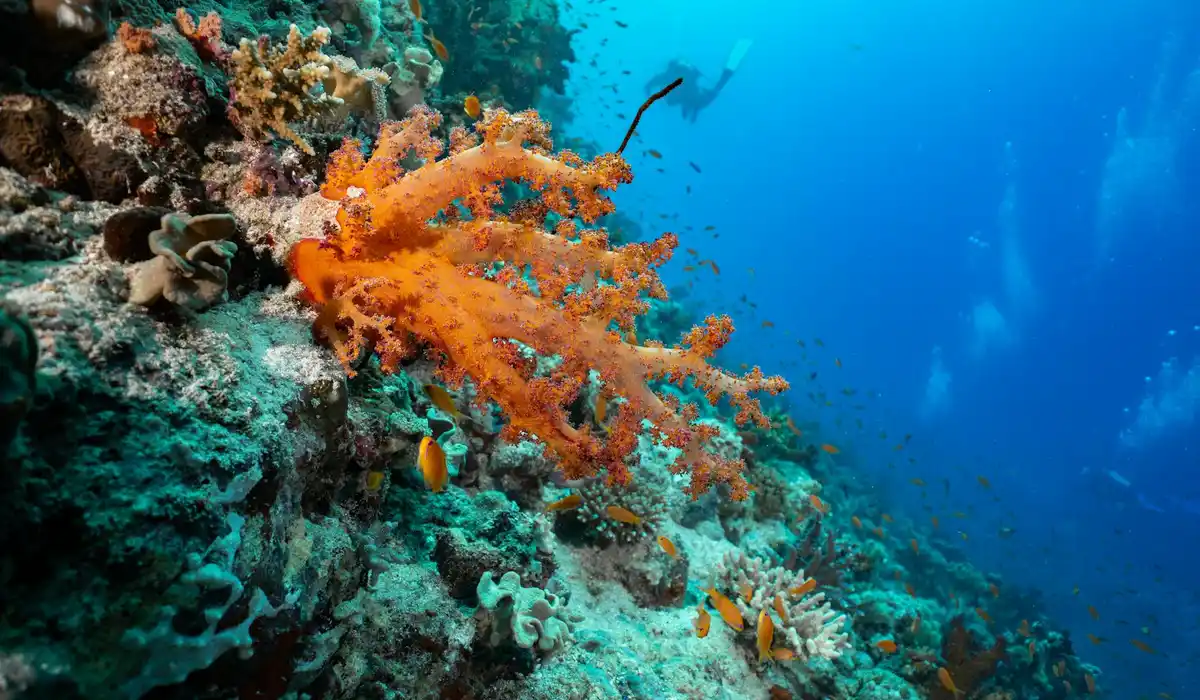
Reef tanks demand precise water chemistry to support corals and delicate species. I tailor my salt mixes by aiming for alkalinity of 8-12 dKH, calcium around 420 ppm, and magnesium at 1300 ppm. These levels help corals build strong skeletons and show intense colors.
Choose a reef-specific salt mix if you keep stony corals like Acropora. For fish like Powder Blue Tangs, I maintain a steady salinity of 1.025 specific gravity to reduce osmotic stress. Sudden shifts can cause corals to retract or fish to lose their appetite.
Test your mixed saltwater before each water change. I use a digital monitor to track parameters, ensuring everything from pH to trace elements is spot-on. Watching the shimmer of scales under perfect water conditions is incredibly rewarding.
Efficient Mixing for Large Aquariums
Mixing saltwater for big tanks, say 100 gallons or more, requires a smart setup to save time. I use a dedicated 30-gallon brute can with a submersible pump that circulates water for 12-24 hours. This mimics ocean currents and fully dissolves the salt.
Calculate your water change volume in advance. For a 120-gallon system, I mix 25 gallons at once, which is enough for a 20% change without constant remixing. This efficiency lets me focus on aquascaping or fish care instead of prep work.
- Set up a mixing station near your tank with easy access to RO/DI water.
- Use a heater to bring the water to 78°F, matching your display tank.
- Store pre-mixed saltwater in batches, so you’re always ready for emergencies.
In my experience, this method cuts mixing time in half for large volumes. Efficient systems mean less disruption during maintenance and happier fish swimming in pristine water.
FAQs
How much salt per gallon do I add to make saltwater?
The amount depends on your salt mix brand, but a common starting point is about half a cup per gallon to reach a specific gravity of 1.025. Always check the manufacturer’s instructions for precise ratios, as mixes vary in density. Measuring accurately ensures stable salinity and prevents issues like cloudy water or stress for your fish.
What salinity should I aim for in a typical marine aquarium?
Target a specific gravity between 1.020 and 1.026, with reef tanks often needing 1.024-1.026 for corals and fish-only setups around 1.020-1.025. Use a calibrated refractometer to verify this range, as consistent salinity supports fish health and reduces osmotic stress. Adjust slowly if needed to avoid shocking your aquarium inhabitants. For accuracy testing, compare a refractometer reading with a hydrometer on the same sample, but expect the refractometer to be more consistent and precise in saltwater applications.
How long should I let the saltwater mix before adding it to the tank?
Mix the saltwater for at least 2-4 hours with continuous circulation, but ideally overnight for complete dissolution. This ensures the water turns crystal clear and all particles are fully integrated. Rushing this step can lead to undissolved salt that harms fish and corals upon introduction.
Do I need to aerate or circulate the saltwater while mixing?
Yes, aeration and circulation are crucial to dissolve salt evenly and oxygenate the water. Use a powerhead or pump to maintain vigorous movement, which prevents clumping and stagnant spots. Proper mixing results in a stable, homogeneous solution ready for safe water changes.
Your Saltwater Mixing Adventure Awaits
Start with pure reverse osmosis or deionized water and a reliable salt mix, blending it thoroughly until completely clear. Always use a hydrometer or refractometer to verify your salinity matches your specific aquarium inhabitants’ needs before use. Make sure to use RO water for aquariums to ensure purity and safety for your aquatic life.
Consistent water testing and small, regular maintenance are the heart of responsible fish keeping. I encourage you to stay curious and keep learning, as the more you understand your aquarium’s unique ecosystem, the more rewarding your fish keeping journey becomes. Regular water testing helps ensure you maintain proper water parameters in your aquarium. Small, routine checks can catch problems before they affect your fish.
Further Reading & Sources
- SaltwaterAquarium – Aquarium Supplies
- Rimless Saltwater Reef Aquarium Systems – Waterbox Aquariums
- Aquarium Saltwater Fish | World Wide Corals
- r/Aquariums on Reddit: Where are you supposed to get the salt water to fill your tank?
- How to Make Saltwater – In 5 Steps | FantaSEA Aquariums
Lia is an expert in aquarium and pet fish care. Having worked in the marine industry and having cared for multiple pet fish, she has acquired first hand expertise on aquarium care, maintenance and setup. She always brings her practical expertise and science to help solve any aquarium related queries.
Water Quality