
Riparium Revolution: Crafting Your Own Emergent Plant Paradise
Hello fellow fish keepers! Does your aquarium feel a bit flat, leaving you curious about setups where plants burst from the water’s surface? You’re not alone, and the vibrant, living sculpture of a riparium offers a breathtaking solution that merges aquatic and terrestrial worlds.
This guide breaks down the entire process into clear, actionable steps. I’ll walk you through:
- Selecting hardy emergent plants that anchor your design.
- Building a stable support system for roots and stems.
- Mastering water and humidity balance to keep everything lush.
- Integrating fish and cleanup crews for a complete ecosystem.
My advice comes from years of hands-on experience maintaining complex planted systems and breeding sensitive fish in my own tanks.
What Exactly is a Riparium?
Think of a riparium as your aquarium’s own miniature wetlands ecosystem, where plants grow with their roots submerged but their leaves and stems proudly emerge into the air. This setup is distinct from a paludarium, which incorporates significant dry land areas, and a water garden, which is typically an outdoor pond feature focused on aquatic plants.
The benefits are immediately noticeable in both function and form. You get natural filtration as these aerial powerhouses pull excess nitrates and phosphates directly from the water, which dramatically reduces algae and keeps things crystal clear for fish like my Corydoras, Shadow. The vertical greenery transforms your tank into a living piece of art, adding depth and a jungle-like aesthetic. Live plants bring a range of benefits that go beyond just aesthetics.
These emergent plants interact with your aquarium life in a beautiful, symbiotic dance. Their roots provide sanctuary for shy bottom dwellers, while the improved water quality supports the overall health of active swimmers like my betta, Captain Fin. They create a more dynamic habitat, mimicking the sheltered edges of a stream where many of our pet fish originate.
Gathering Your Riparium Essentials
Building a riparium doesn’t require exotic gear, but a thoughtful selection of core equipment sets you up for success. Your essential checklist includes: an aquarium tank, full-spectrum LED lighting, a reliable filtration system, dedicated plant containers, and a suitable growing medium like clay pebbles or porous stone.
Consider your available space and budget from the start. A longer, shallow tank often provides more surface area for emergent planting than a tall, narrow one, giving you more creative flexibility. Also, do choose the right aquarium size for your fish species, since adult size and space needs vary. Picking a tank that fits the species’ needs helps keep fish healthy and reduces maintenance. I’ve found that budget-friendly options like a standard 20-gallon long tank or a second-hand aquarium can work perfectly with the right planning.
Choosing the Right Aquarium and Location
Select your tank dimensions based on the plants you dream of growing and the space you have. For a compact desktop riparium with small plants like Baby’s Tears, a 5 to 10-gallon tank is a great start, while ambitious setups with larger species like Umbrella Palm might need 30 gallons or more. To help you pick the right plants, see our complete guide to choosing the best plants for your aquarium. It walks you through matching plant choices with tank size and lighting.
Placement is critical for stability. Always position your riparium on a sturdy, level stand away from heating vents, air conditioners, and direct sunlight, which can cause drastic temperature swings and uncontrollable algae. A consistent environment keeps both your emergent plants and aquatic friends, like my goldfish Goldie, stress-free.
Lighting for Lush Emergent Growth
Since your plants are growing primarily above water, they need light tuned for photosynthesis in air, not just underwater. I rely on full-spectrum LED lights with a color temperature around 6500K to mimic daylight, which encourages strong, vibrant growth in my Peace Lilies and Pothos.
Aim for 8 to 10 hours of light daily, using a timer for consistency. For deeper tanks where light must penetrate to submerged roots, consider LEDs with higher PAR values, but for most emergent foliage, moderate-intensity bulbs placed close to the plant tops work wonders. These basics are covered in our aquarium lighting complete guide. For a step-by-step walkthrough on fixtures, mounting, and fine-tuning photoperiods, see the full guide. The right light makes all the difference between a plant that survives and one that thrives.
Filtration and Water Circulation
A gentle but effective filter is the unsung hero of a healthy riparium. I prefer hang-on-back filters because they provide ample water movement without creating a torrent that disturbs plant roots or stresses fish. This circulation distributes dissolved nutrients to the plant roots and maintains high oxygen levels.
The steady hum of a good filter supports the entire system. Good water flow prevents stagnant pockets, deters algae growth on the water’s surface, and ensures that waste is efficiently processed, keeping the environment pristine for sensitive species like catfish. Water movement is the other half of the equation, helping oxygenate the water and push clean water to every corner. This is why water flow is just as important as filtration in a healthy aquarium.
Selecting Emergent Plants and Containers
Start with hardy, fast-growing species to see quick results and build confidence. My top beginner picks are Pothos for its nearly indestructible nature, Spider Plant for its prolific runners, and Peace Lily for its beautiful blooms and nitrate-absorbing prowess. Each brings a different texture and growth habit to your design.
You’ll need containers to secure these plants at the water’s edge. Specialized riparium planters that clip onto the tank rim are excellent, but simple DIY solutions like plastic cups with holes punched in the sides or small plastic baskets filled with LECA clay pebbles work just as well. This method keeps the roots anchored and submerged while letting the foliage soar freely above.
Step-by-Step Riparium Assembly
Building a riparium is like crafting a living sculpture. Follow this clear, numbered guide to transform an empty tank into a thriving emergent world.
Step 1: Prepare the Tank and Hardscape
Give your tank a fresh start with a warm water rinse—skip the soap to avoid chemical traces. I dry mine with a soft microfiber cloth to prevent streaks. This simple cleaning step sets the stage for a healthy environment, free from contaminants that could cloud your water later. For a new tank before setup, this warm-water rinse is one of the best ways to start clean. Keeping it soap-free ensures no residues threaten your aquatic inhabitants.
- Arrange your rocks and driftwood to build terraces and shelves. These will cradle your plant containers.
- Create elevation by stacking flat stones or using spider wood to form arches. This adds depth and hides filter tubes and heater cables in the shadows.
Step 2: Install Filtration and Set Water Level
Install your filter now. I prefer hang-on-back models for riparia; they’re easy to adjust and clean. Next, pour in dechlorinated water until the tank is only one-third to half full. This lower water level is a game-changer-it lets you plant without soaking your sleeves and gives roots easy access to both water and air.
- Position the filter output to create gentle surface agitation. This boosts oxygen and maintains consistent humidity for the leaves above.
- Check that the water line sits just below the rim of your planned planters. This balance encourages strong root growth without drowning the stems.
Step 3: Plant Your Emergent Greens
Fill small pots or riparium planters with a nutrient-rich substrate like aquasoil. Remove each plant from its nursery pot, gently loosen the root ball, and settle it into the new container. Firm the substrate around the roots to eliminate air pockets, which can cause rot and unstable planting.
- Space plants with their future size in mind. Fast growers like Pothos need at least 4 inches between pots.
- Design for visual flow. Place taller plants like Umbrella Palm in the back and let trailing species like Creeping Jenny spill over the front edges.
Step 4: Finalize Setup and Cycle the Water
Carefully top off the tank with water, pouring onto a plate or your hand to avoid disturbing the substrate. Switch on the filter, heater, and light. This is part of a step-by-step guide to cycle your fish tank properly. Following these steps helps create a stable, healthy environment for your aquatic life. Now, begin cycling. Cycling cultivates beneficial bacteria that convert harmful fish waste into safer compounds; it’s the non-negotiable foundation for any aquatic life.
- Add a pinch of fish food or a few drops of pure ammonia to start the nitrogen cycle. Test ammonia, nitrite, and nitrate every other day with a liquid test kit.
- Expect the cycle to take 4-6 weeks. You’re done when tests show 0 ppm ammonia, 0 ppm nitrite, and some nitrate below 20 ppm.
Keeping Your Riparium Healthy and Vibrant
Consistency is your best tool. Treat this maintenance schedule as your roadmap to a clear, balanced riparium.
Water Quality and Changes
Replace 20-25% of the water every week using a siphon. For aquariums, a proper fish tank siphon makes the water change clean and precise. Glide the vacuum around the base of planters to pick up debris. It helps you achieve a near-perfect water change with minimal disturbance. Weekly water changes dilute toxins and replenish essential minerals, keeping your fish active and your plants green.
- Test pH and temperature twice weekly. Most riparia thrive at a pH of 6.8-7.2 and a steady 74-78°F.
- Maintain humidity for emergent leaves by misting them lightly every few days or using a glass canopy. This prevents crispy leaf tips.
Plant Care: Pruning and Fertilization
Snip back overgrown stems every two weeks with sharp, clean scissors. Cut just above a leaf node to encourage bushier growth. Regular pruning directs the plant’s energy into new, healthy leaves and stops it from hogging all the light.
- Fertilize with a comprehensive liquid fertilizer during your weekly water change. For heavy root feeders, push a root tab into the planter substrate every month.
- Watch your plants’ leaves for color cues. Pale green often signals a need for more nitrogen, while slow growth might mean low potassium.
Algae Control and Pest Management
Limit your tank light to 8-9 hours daily to discourage algae. Ensure your filter flow reaches all corners to prevent stagnant spots. Good circulation and controlled lighting are your first line of defense, creating an environment where plants outcompete algae for resources (how long your aquarium lights should be on).
- If green film appears, wipe the glass with an algae pad and trim affected plant leaves. Introduce a few Nerite snails; they’re excellent grazers and won’t overbreed.
- Inspect emergent leaves weekly for pests like aphids. A strong spray of water from a bottle often dislodges them, or use a mild insecticidal soap made for edible plants.
Troubleshooting Common Riparium Issues
Even the most carefully planned riparium can hit a snag. Don’t panic-most issues have straightforward solutions rooted in adjusting light, nutrients, or water flow. Let’s walk through the frequent problems and their quick fixes.
Plant Health Problems
Seeing your emergent plants struggle is a clear signal from your setup. Yellowing leaves, stunted growth, or mushy roots are their way of talking to you.
- Yellowing Leaves (Chlorosis): This often screams nitrogen deficiency. Your aquatic fish waste might not be enough for those hungry above-water growers. I add a quarter-strength liquid fertilizer to my spray bottle and mist the leaves and media every two weeks. It works like a charm.
- Slow or Leggy Growth: Your plants are reaching for more light. Riparium plants need bright, indirect light from above, not just aquarium lighting from the side. A simple, inexpensive LED grow light positioned overhead can transform your plants.
- Root Rot: Soggy, brown roots mean your planting media is waterlogged. The container needs better drainage or more air holes. I sometimes mix orchid bark or chunky perlite into the potting media to keep roots oxygenated and happy.
Water Quality Concerns
The health of your water directly mirrors the health of your fish and plants. Cloudiness or parameter swings need immediate attention.
- Persistent Cloudy Water: This is usually a bacterial bloom from excess nutrients. Immediately increase your water change schedule to 25% twice a week until clarity returns, and vacuum your substrate thoroughly. Check that you’re not overfeeding.
- pH Swings: Drifting pH can stress fish like Captain Fin. It’s often tied to decomposing plant matter or inadequate water changes. Test your KH (carbonate hardness); a low KH offers no pH stability. Adding a small bag of crushed coral to your filter can gently buffer the water.
- Poor Surface Water Circulation: If you see biofilm forming, your filter isn’t agitating the surface enough. Stagnant water hurts gas exchange. Adjust your filter output to ripple the surface, or add a small air stone. You should see a gentle, consistent flow across the entire tank surface.
Creative Ideas for Your Riparium Design
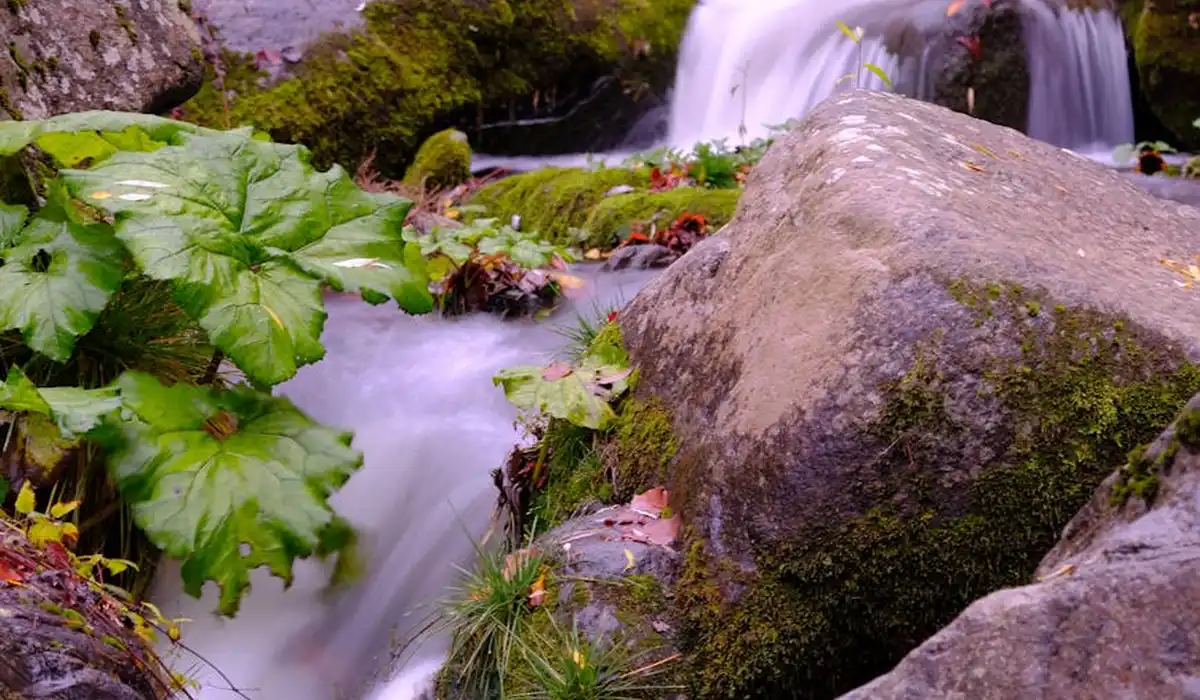
Now for the fun part-making your riparium a living piece of art. This is where you inject your personality and create a slice of nature that is uniquely yours.
Beginner-Friendly Design Themes
Starting simple ensures success and builds your confidence. Choose one of these accessible layouts.
- The Riverbank Edge: Mimic where land meets a slow-moving stream. Use smooth, rounded stones at the waterline. Plant hardy, tall stems like Bamboo or Spider Plants in the back, with shorter Peace Lilies in front. Let some roots of aquatic plants like Amazon Swords creep into the water. It feels natural and serene.
- The Tropical Margin: Perfect for a betta tank! Think lush and green. Use several small planters at varying heights. Fill them with colorful Pothos, Philodendron, and Lucky Bamboo. The dense overhead roots will give shy fish like Shadow plenty of security below. The contrast of red and green leaves against blue water is stunning.
Advanced Techniques for Enthusiasts
Ready to level up? These concepts integrate technology and biology for a nearly self-sustaining ecosystem.
- Automated Drip Irrigation: For larger setups or when you travel, a simple DIY drip system keeps plant media perfectly moist. Use a hospital IV drip kit or a small pump on a timer to slowly drip tank water into each planter. This provides constant nutrient feed and eliminates manual misting.
- Complex Aquatic Underplanting: Don’t neglect the submerged world. Create depth by planting tall Vallisneria or Jungle Val behind your hardscape, with a carpet of Dwarf Hairgrass or Monte Carlo in the open foreground. This layered look makes the tank feel deeper and provides endless foraging for fish like Goldie.
- Fish Species Integration: Choose fish that naturally interact with a vertical habitat. Killifish will dart among dangling roots. Climbing Perch or some Gouramis may explore the humid air space. For a peaceful community, nano fish like Chili Rasboras shimmering below a green canopy is a personal favorite of mine.
FAQs
How much does it cost to start a basic riparium?
Starting a basic riparium can be very budget-friendly. You can begin with a standard aquarium, an affordable hang-on-back filter, and a simple LED light. Many successful emergent plants, like Pothos or Spider Plants, are inexpensive and readily available at garden centers.
Can I convert my existing aquarium into a riparium?
Yes, converting an existing aquarium is a fantastic way to start. You can keep your current filter and lighting, then simply lower the water level and add plant containers along the back or sides. It’s a gradual process that allows you to integrate emergent plants without a complete tank overhaul. To be successful, you’ll want the right equipment—adequate, plant-friendly lighting and a suitable substrate. Depending on the plants, CO2 supplementation or regular liquid fertilizers can keep growth steady.
What are the best fish for a riparium environment?
Fish that appreciate calm water and overhead cover thrive in riparia. Great choices include bettas, gouramis, small tetras, rasboras, and bottom dwellers like Corydoras. The improved water quality from the plants benefits almost all community fish, but avoid species that might jump or nibble on tender roots.
How long does it take for a new riparium to become stable and established?
After assembly and planting, the biological filtration cycle typically takes 4-6 weeks to establish. The emergent plants will begin actively growing and improving water quality within the first few weeks. Full visual maturity and a balanced ecosystem develop over several months with consistent care.
Your Thriving Riparium Awaits
Success with a riparium hinges on matching emergent plants to your tank’s specific light and humidity, and then committing to gentle, weekly water changes to support the entire ecosystem. Stability is your best friend-keeping water parameters consistent prevents stress on your fish and allows those beautiful emergent leaves to reach for the air.
This setup is a joyful step toward more naturalistic fish keeping, reminding us that our care directly impacts these living worlds. Embrace the learning process, share your experiences with fellow hobbyists, and let each new leaf and happy fish fuel your passion for the aquarium life.
Further Reading & Sources
- Riparium: Everything You Need To Know BEFORE You Build!
- Riparium 101: The Complete Guide to Epic Riverbank Projects
- r/Aquascape on Reddit: First riparium setup! Any suggestions to improve the scape? should I add a frosted background or leave as is?
- Riparium Setup Kits | The Planted Tank Forum
Lia is an expert in aquarium and pet fish care. Having worked in the marine industry and having cared for multiple pet fish, she has acquired first hand expertise on aquarium care, maintenance and setup. She always brings her practical expertise and science to help solve any aquarium related queries.
Aquascaping