
Can Turtles and Fish Live Together? The Honest Truth About Mixed Habitats
Hello fellow aquarists. That alluring vision of a turtle paddling peacefully beside a school of shimmering fish is a powerful one, but the path to making it work is filled with more challenges than you might think.
This guide will walk you through the critical factors for creating a shared tank that actually succeeds. We’re covering:
- Assessing turtle and fish compatibility
- Designing the ultimate shared tank setup
- Selecting the most resilient fish species
- Ongoing health and behavior monitoring
I’ve managed these dynamic ecosystems for years, learning from both my triumphs and my mistakes.
Understanding Turtle and Fish Compatibility
Can turtles and fish live together in the same tank? Picture your aquarium like a shared neighborhood-some neighbors get along fine, while others might see each other as lunch. With the right setup and species selection, coexistence is possible, but it always carries some risk because turtles are natural predators. I’ve seen tanks where they thrive together, but it takes constant observation and a bit of luck.
Key factors that affect whether your turtle and fish will be good tankmates include:
- Species Temperament: Aggressive turtles, like snapping varieties, will almost always hunt fish, while more docile ones might ignore them if well-fed.
- Size Differences: Large fish are harder for turtles to eat, so aim for fish that are too big to fit in the turtle’s mouth.
- Natural Behaviors: Turtles are omnivores and may nibble on anything that moves, so fish that are fast or hide well have a better chance.
| Species Type | Temperament | Average Size | Compatibility Notes |
|---|---|---|---|
| Red-eared Slider | Opportunistic Feeder | 8-12 inches | May coexist with large, fast fish if well-fed |
| Softshell Turtle | Highly Predatory | 6-18 inches | Not recommended with fish; likely to hunt them |
| Koi | Peaceful but Fast | 12-36 inches | Good candidate due to size and speed |
| Goldfish | Slow-moving | 6-12 inches | Risky; often targeted by turtles |
| Betta | Aggressive/Delicate | 2-3 inches | Avoid; fins are easy targets for nipping |
Choosing Compatible Species for Your Aquarium
When picking turtles that might tolerate fish, red-eared sliders are a common choice because they can adapt to community tanks if conditions are ideal. In my own tanks, I’ve had success with red-eared sliders in very large setups where fish had plenty of hiding spots and the turtle was fed separately. Softshell turtles, on the other hand, are much more predatory and generally not suited for mixed-species aquariums.
For fish, select species that are either too large to eat or quick enough to escape. Here are some safer options:
- Koi: Their substantial size and constant movement make them less appealing as prey.
- Goldfish: While larger varieties might work, their slow pace can be a drawback; opt for comet goldfish over fancy types.
- Fast-moving Fish: Species like danios, barbs, or larger tetras can outmaneuver most turtles.
Avoid aggressive or delicate fish like bettas, which can stress easily or become targets. I once made the mistake of adding a betta to a turtle tank, and the turtle’s curiosity led to nipped fins-it’s best to steer clear of such combinations. Choosing the right tank mates reduces fish stress and aggression, helping create a calmer, healthier tank. Always observe interactions closely when introducing new tankmates to prevent conflicts.
Setting Up a Shared Habitat: Tank Size and Environment
-
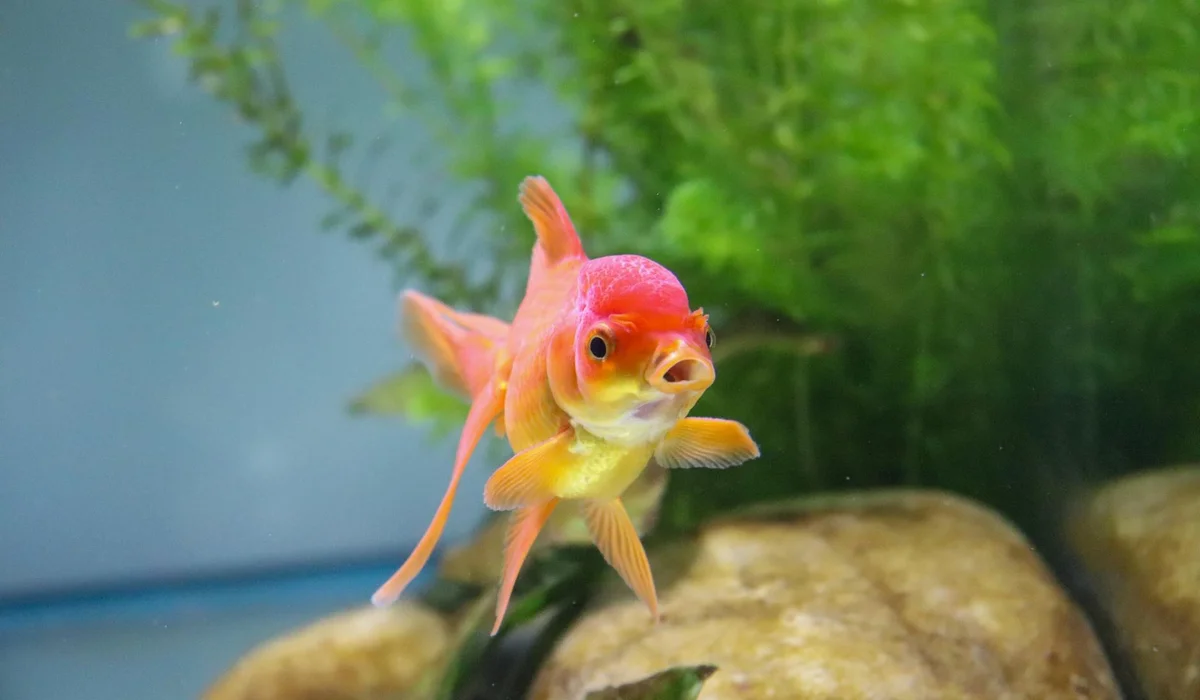
Start with tank size-it’s the foundation of peace. Do choose the right aquarium size for your fish species to fit their needs. Matching tank size to species and adult size helps reduce stress. For a small turtle like a 4-inch musk turtle paired with fast fish like zebra danios, aim for at least 40 gallons. Larger combos, such as a red-eared slider with silver dollars, need 100 gallons or more to give fish swimming room and reduce stress.
-
Balance water parameters for both species’ health. These basics echo a complete beginners guide to managing aquarium water parameters. Regular testing and gradual adjustments help keep conditions stable. I maintain my shared tank at 76-80°F, which keeps turtles active and tropical fish comfortable. pH should stay between 6.5 and 7.5; this range supports turtle shell integrity and fish gill function without drastic swings.
-
Set up the environment step-by-step for success. First, install a basking area with a ramp, heat lamp (85-90°F basking spot), and UVB light for turtle digestion and shell health. Next, choose a filter rated for twice your tank volume-like a canister model-to handle turtle waste. Finally, add decor like driftwood, rocks, and live plants such as anubias to break sightlines and provide fish hiding spots. Setting up a proper turtle environment involves more than just decor; it’s about creating a balanced habitat for their well-being.
Water Quality and Filtration Essentials
-
Turtles are messy, so filtration must be robust. I use a canister filter with mechanical, chemical, and biological media, and add a DIY pre-filter sponge over the intake to protect fish and trap debris. For a hack, attach a coarse sponge to the output to diffuse flow and reduce current stress for shy fish. So, does a fish tank filter work? It does, when it’s properly sized and regularly maintained.
-
Stick to a strict water testing routine. Test ammonia, nitrite, and nitrate weekly with a liquid kit, and perform 25% water changes if ammonia hits 0.25 ppm or nitrate exceeds 20 ppm. This practice helps you test and maintain proper water parameters in your aquarium. Regular checks let you respond quickly to any fluctuations. Steps:
- Vacuum substrate during changes to remove uneaten food and waste.
- Rinse filter media in tank water monthly to preserve bacteria.
- Check temperature and pH daily with reliable monitors.
Introducing Turtles and Fish Safely
-
Quarantine new turtles or fish in a separate tank for 2-4 weeks. This prevents spreading illnesses like fin rot or shell fungus to your established community. Watch for abnormal behavior or physical signs before mixing them.
-
Acclimate slowly to avoid shock. Float bags in the tank for 20 minutes, then drip acclimate over an hour to equalize temperature and water chemistry. After a water change, this acclimation helps fish adjust to the new water parameters. Rushing the process can cause stress or shock. For turtles, let them enter the water calmly while fish are distracted with food.
-
Monitor interactions for the first 48 hours. Look for fish clustering in corners or turtles stalking—these are red flags for aggression. If the turtle ignores the fish after initial curiosity, coexistence is more likely. Understanding fish behavior—playing, fighting, and mating cues—can help you interpret these interactions and plan adjustments. Recognizing these patterns enables timely adjustments to tank setup or introductions.
Monitoring Coexistence and Addressing Risks
-
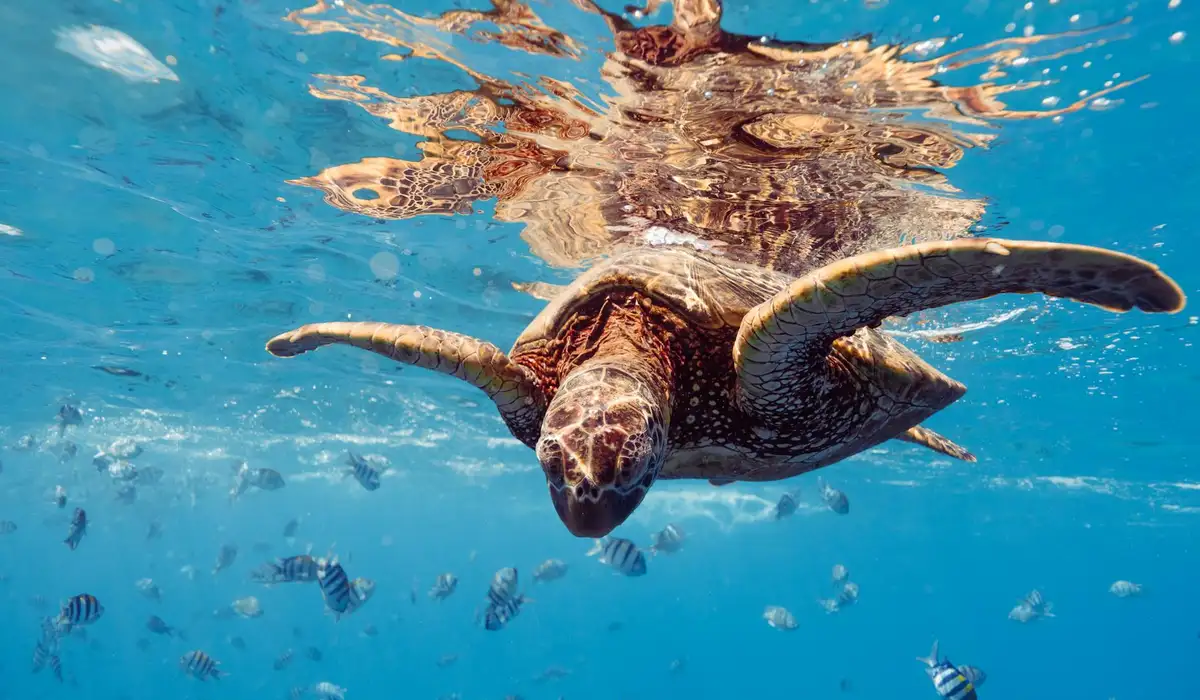
Watch for turtle harassment like constant chasing, nipping at fins, or lunging. If your turtle targets specific fish repeatedly, it’s time to separate them to prevent injury. Fast-moving fish like giant danios often fare better than slow swimmers.
-
Baby turtles and small fish are vulnerable. Use dense plants like java fern or artificial caves to create hiding spots where fish can retreat. I’ve seen baby turtles try to nibble on neon tetras, so size matters-choose fish larger than the turtle’s head.
-
Observe daily during feeding and active periods. Separate tankmates immediately if you see torn fins, missing scales, or constant hiding. Keep a spare tank ready for emergencies to ensure everyone’s safety.
Feeding Strategies to Reduce Aggression
-
Feed turtles and fish simultaneously but in different zones. I distract my turtle with sinking pellets in one corner while scattering flakes for fish elsewhere. This reduces competition and keeps the turtle from viewing fish as food.
-
Offer diverse foods that meet both diets. Combine turtle pellets, leafy greens like romaine, and fish flakes or frozen brine shrimp. Variety satisfies nutritional needs and minimizes conflict over resources.
FAQs
Can baby turtles and small fish share a tank safely?
Baby turtles are often curious and may see small fish as food, making this pairing risky. To improve safety, choose fish larger than the turtle’s head and provide dense hiding spots like plants or caves. Always supervise interactions and be ready to separate them if aggression occurs.
What are signs that a turtle is harassing a fish?
Look for constant chasing, nipping at fins, or fish clustering in corners to escape. Physical signs like torn fins or missing scales indicate stress or injury. If harassment persists, immediately separate the turtle and fish to prevent harm.
Which fish are generally safe to keep with turtles?
Fast-moving species like danios, barbs, or larger tetras are better at avoiding turtles. Larger fish such as koi or adult goldfish are less likely to be eaten due to their size. Always avoid slow or delicate fish, like bettas, which are easy targets for nipping.
What are the risks of keeping turtles and fish together and how can they be mitigated?
Risks include predation, stress, and water quality issues from turtle waste. Mitigate by using a spacious tank with plenty of hiding spots, robust filtration, and separate feeding zones. Regularly monitor behavior and water parameters, and have a backup tank ready for emergencies.
Making Your Final Decision
Ultimately, mixing turtles and fish is a high-risk endeavor that demands a massive tank, expert filtration, and a willingness to accept potential loss. Your safest bets are large, fast-moving, semi-aggressive fish species that can share the turtle’s water parameters and hold their own.
Successful aquariums are built on a foundation of continuous learning and a deep respect for the natural behaviors of your pets. Always prioritize the welfare of all your animals, and connect with experienced hobbyists to keep expanding your knowledge of this fascinating hobby. In the ultimate guide to aquarium territorial behavior, you’ll learn how to recognize territories and prevent aggression. These insights help you design safer, more harmonious tanks.
Further Reading & Sources
- Can Turtles Live With Fish & Other Turtles? – All Turtles
- Can Pet Turtles Live With Fish? Temperament & Traits | PangoVet
- Can turtles and fish live together in the same aquarium? What do you need to do to take care of them if they are living together? – Quora
- What Fish Can Live With Turtles in Tank – hygger
- Can Turtles Live With Fish? Temperament & Vet-approved Safety Guide | Hepper Pet Resources
Lia is an expert in aquarium and pet fish care. Having worked in the marine industry and having cared for multiple pet fish, she has acquired first hand expertise on aquarium care, maintenance and setup. She always brings her practical expertise and science to help solve any aquarium related queries.
Fish Species