
Your Betta’s Peaceful Community: A Safe Tank Mate Guide
Published on: September 30, 2026 | Last Updated: September 30, 2026
Written By: Lia Annick
Hello fellow aquarists! Staring at your betta’s solo palace and wondering if he could use a friend, but terrified of fin-nipping chaos? I get it. Choosing tank mates feels like a high-stakes puzzle.
This guide cuts through the confusion. We’ll build a serene underwater neighborhood together, covering:
- Specific, calm fish species that ignore betta flares
- Ideal tank sizes and hiding spot layouts to prevent stress
- Water parameter sweet spots that keep all species healthy
- Step-by-step introduction techniques to avoid aggression
- Clear warning signs that a pairing just isn’t working
My advice comes from hands-on experience, like managing the fiery personality of my own Crowntail Betta, Captain Fin.
Getting to Know Your Betta’s Personality First
Captain Fin’s Feisty Nature: Not All Bettas Are Alike
Take my betta, Captain Fin. He’s a stunning crowntail with iridescent scales that flash blue and red under the light, but his personality is fiercely independent. While some bettas might ignore other fish, Captain Fin patrols his territory like a tiny aquatic guard dog, especially at feeding time. Observing your betta’s unique demeanor for a week or two before adding tank mates is the single best predictor of community success. You’ll want to look for clear body language cues.
Signs of aggression include flaring gills, rapid chasing, and body darkening. A content betta will have relaxed, flowing fins and explore slowly. If your fish constantly glass surfs or hides, it’s a red flag that they’re stressed by their environment, not ready for neighbors.
Why Tank Mates Can Be a Delicate Balance
Bettas have a hardwired instinct to defend their space, a trait bred into them for centuries. They often perceive brightly colored or long-finned fish as rival males, triggering attacks. This territorial view means even peaceful fish can be seen as invaders, leading to constant stress for everyone in the tank. The risks are real: fin nipping from either side, suppressed immune systems, and in worst cases, fatal injuries.
I learned this balance the hard way when a seemingly calm tank mate decided Captain Fin’s flowing tails were toys. A stressed betta is a sick betta, as poor water quality often follows when fish are too scared to eat properly.
The Golden Rules for Choosing Compatible Friends
Tank Size is Your Foundation for Peace
You cannot negotiate on space. For any community including a betta, start with a 10-gallon tank as your absolute minimum. A 5-gallon tank is only suitable for a single betta; adding friends into that small space is a recipe for disaster. Do choose the right aquarium size for your fish species. Different fish have different space needs, so always tailor tank size to the adult size and social behavior of your species. More water volume dilutes waste and gives fish room to establish their own zones without constant confrontation.
Think of it like sharing a studio apartment versus a house with separate rooms. The extra gallons dramatically reduce aggression and stress by simply letting fish get out of each other’s line of sight.
Prioritize Calm Demeanors and Different Swimming Zones
Your goal is to find fish that literally mind their own business. Ideal candidates are naturally peaceful, slow-moving, and have no interest in nibbling fins. Always research a species’ temperament; words like ‘nippy’ or ‘semi-aggressive’ in a description mean instant veto for a betta tank. Equally important is utilizing the whole tank vertically.
Here’s a simple zoning strategy:
- Top/Mid-Level: Your betta will claim this area. Choose companions that swim lower.
- Mid-Level: Small, schooling fish like Ember Tetras or Chili Rasboras that stay in a group.
- Bottom Level: Gentle scavengers like Pygmy Corydoras or a Nerite Snail.
This layered approach minimizes competition and makes the tank feel larger and more peaceful to all inhabitants.
Creating a Safe Sanctuary with Plants and Hiding Spots
Decor isn’t just for looks; it’s essential infrastructure for harmony. Dense plantings, cholla wood, and rock caves break up sightlines, providing instant escape routes. Without these visual barriers, a betta can feel exposed and compelled to defend every inch of the tank, leading to relentless chasing. I use a mix of live plants like Java Fern and Anubias attached to driftwood.
Don’t forget the water surface. Floating plants like Salvinia or Red Root Floaters diffuse harsh light, which calms bettas, and provide shady cover that makes them feel secure. A well-furnished tank turns a potential battleground into a serene, layered landscape where every fish can find peace.
Top Recommended Betta Tank Mates (The Safe List)
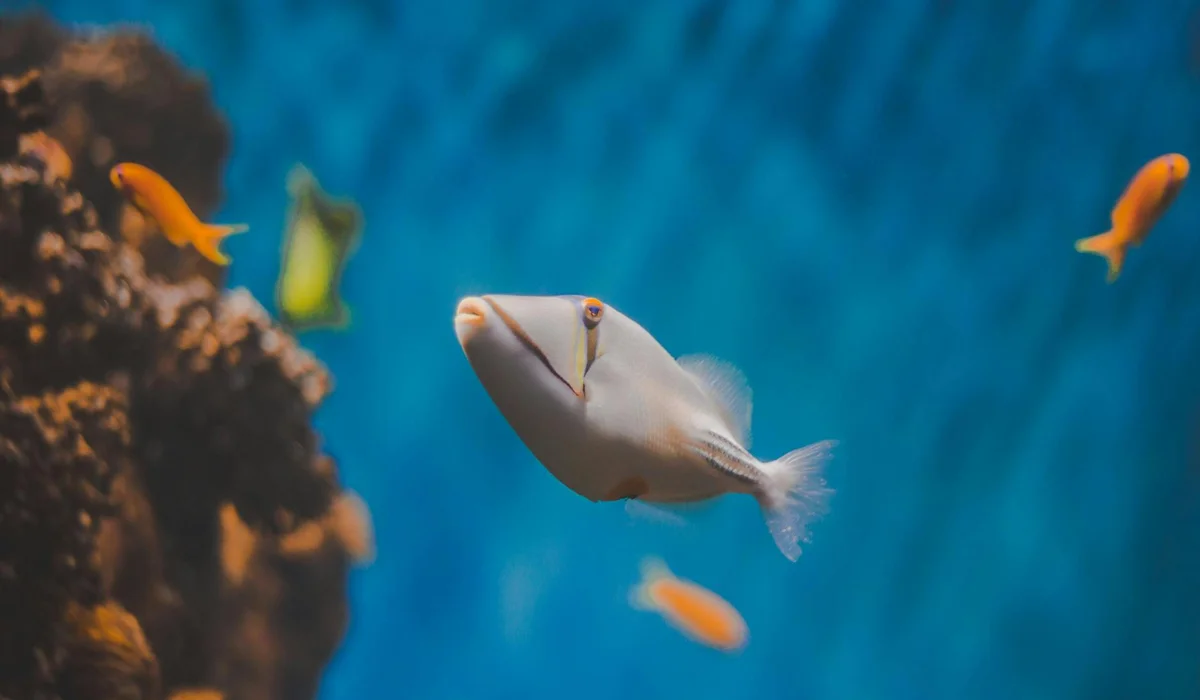
Bottom-Dwelling Clean-Up Crews
These critters work the substrate and plants, staying out of your betta’s prized upper-water territory. Choosing peaceful, bottom-focused species minimizes confrontation and adds fascinating activity to your tank’s lower level.
Corydoras catfish, like my shy Shadow, are perfect ambassadors for this role. Their peaceful, schooling nature means they need friends—aim for a group of six or more on a soft sand substrate to protect their delicate barbels. Do fish get lonely? Shoaling provides safety in numbers and plenty of social interaction, which helps keep Corydoras mentally and physically healthy. Watching them sift through the sand is a joy, and they’ll happily clean up leftover food.
Otocinclus catfish are tiny algae-eating powerhouses for a mature tank. They require an established aquarium (at least 3-4 months old) with plenty of natural biofilm and soft algae to graze on, as they can be delicate in new setups. I always add them in small groups so they feel secure while they polish your leaves and glass.
Kuhli Loaches bring a unique, reclusive charm with their worm-like appearance. You’ll need to provide ample hiding spots like driftwood caves, PVC pipes, or dense plant thickets for these nervous noodles to feel at home. Keep them in groups of five or more, and you might see them dancing across the substrate at dusk.
Peaceful Small Schooling Fish
Selecting the right schooling fish can create a stunning, dynamic display without upsetting your betta. The key is picking species that are small, calm, and not prone to nipping fins.
Ember Tetras are my top pick for their stunning, fiery orange color and tiny, peaceful presence. Their small size (under an inch) and tendency to school tightly in the mid-water make them less likely to be seen as threats by a territorial betta. A school of ten in a planted tank looks like living embers drifting in the current.
Harlequin Rasboras are incredibly hardy and have a distinct, peaceful schooling behavior. Their consistent, shimmering movement in a group can actually have a calming effect on a feisty betta, providing neutral activity in the tank. They’re indifferent to bettas and will mind their own business, making them a reliable choice.
White Cloud Mountain Minnows are a special-case option for cooler tanks. They tolerate temperatures down to 64°F, so they can work if your betta is in an unheated room or you maintain a cooler setup around 72-75°F. Just ensure your betta is comfortable at that lower range before introducing them.
Invertebrates and Other Unique Companions
Inverts can be fantastic betta buddies, but they require careful consideration. These additions help with cleanup and introduce unique behaviors, though some come with a snack risk.
Nerite Snails are unparalleled algae eaters and my go-to for clean glass. They can’t overpopulate a freshwater tank because their eggs need brackish water to hatch, making them a zero-maintenance cleaning crew. Their beautifully patterned shells add natural decoration as they tirelessly graze.
Mystery Snails are larger, more personable, and come in fun colors like gold or blue. Their size makes them less likely to be bothered by bettas, and they have adorable antennae-waving personalities as they glide around. Just offer them the occasional blanched zucchini slice to supplement their diet.
Shrimp, like Cherry or Amano, are a gamble I’ve taken many times. They can be perfect algae cleaners or become expensive betta snacks, depending entirely on your individual fish’s personality. If you try shrimp, densely plant the tank with Java Moss and provide countless hiding spots to give them a survival advantage.
Matching Friends to Your Tank’s Gallon Capacity
Small Tanks (5-10 Gallons): The Snail and Shrimp Zone
Let’s be direct: for tanks under 10 gallons, I do not recommend adding any fish tank mates for your betta. The confined space concentrates waste and aggression, leading to stressed fish and unstable water parameters that can turn deadly quickly. For an ideal betta setup, aim for at least 5 gallons (preferably 10) in a tank dedicated to a single betta. That size gives your fish room to swim and helps maintain water quality.
Your community options here are strictly invertebrate-based. Suitable choices include:
- Nerite Snails for algae control.
- A single Mystery Snail for larger cleanup.
- Neocaridina Shrimp (like Cherry Shrimp), but be prepared for potential losses.
Careful aquascaping isn’t just recommended; it’s an absolute requirement. You must use plants, driftwood, and rocks to create broken sight lines and abundant hiding places to diffuse any curiosity from your betta. The common advice on aquarium forums is spot-on: in a 5 or 10-gallon, the betta is the centerpiece, and any other life is a bonus.
Community Tanks (20+ Gallons): More Options for Harmony
Upgrading to a 20-gallon long or a 30-gallon tank radically expands your betta community possibilities. The larger water volume naturally dilutes territorial hormones and waste, creating a more stable and peaceful environment for all inhabitants. The long tank shape is particularly valuable, providing horizontal swimming space for schooling fish. Tank shape and size play critical roles in determining fish capacity and overall aquarium health.
With more space, you can create balanced, multi-species communities. Here are two example stock lists:
- For a 20-gallon Long: 1 Betta, 6 Pygmy Corydoras, 8 Ember Tetras. This utilizes all tank levels beautifully.
- For a 30-gallon Tank: 1 Betta, 8 Harlequin Rasboras, 6 Kuhli Loaches, 2 Nerite Snails. This offers diversity and ample room for shy species. If you’re considering even more space, check out our 40-gallon fish tank size and capacity guide.
The increased stability is a game-changer for water quality and fish health. You’ll spend less time worrying about parameter spikes and more time enjoying the vibrant, harmonious ecosystem you’ve built. My own community tanks only truly thrived after I moved to a 20-gallon footprint, where every fish had the space to express its natural behavior.
How to Introduce New Tank Mates Successfully
Getting new friends for your betta isn’t just about picking the right species; it’s about how you bring them home. A smooth introduction is the difference between a peaceful community and a stressed-out tank, and I’ve found that patience here saves you a world of trouble later.
Step 1: Quarantine All New Arrivals
I treat every new fish, snail, or shrimp as if it’s carrying invisible baggage. Setting up a separate, simple quarantine tank for two to three weeks is a non-negotiable habit that protects your entire aquatic family. This isolation period lets you watch for signs of illness like ich or fin rot without risking your betta’s health. I learned this lesson early when I skipped quarantine and had to treat my whole tank; the stress wasn’t worth it.
- Use a spare 5-gallon tank with a gentle filter and heater set to match your main tank’s temperature (around 78°F).
- Observe the new arrivals daily for any unusual spots, clamped fins, or lethargy before even thinking about an introduction.
Step 2: Re-scape and Reset the Territory
Bettas are creatures of habit and claim their space fiercely. Right before adding new tank mates, rearrange the decorations, rocks, and plants to completely disrupt your betta’s mental map. This resets the territory for everyone, making your betta less likely to see the whole tank as “his” and bully newcomers. When I added friends for Captain Fin, my crowntail, moving his favorite cave made him curious instead of confrontational.
- Shift major landmarks like driftwood or tall plants to opposite sides of the tank.
- Create new hiding spots and visual barriers with broad-leaf plants like Anubias to break lines of sight.
Step 3: The Gradual Introduction Method
Never just net a new fish and drop it in. Using a breeder box or clear acclimation container inside the main tank is my go-to method for safe, initial meetings. This lets the betta and the new fish see each other without physical contact for a day or two. Watch your betta’s body language; flaring gills and intense staring mean you need to slow down. This staged approach is a core part of properly acclimating a betta to a new tank. Once calm, gradually proceed with a full introduction while continuing to monitor water parameters and behavior.
After this visual period, release the new fish during a calm time, like when you’d normally feed. You must commit to watching the tank closely for the first 48 to 72 hours, ready to intervene if chasing or nipping starts. Have a backup plan, like the breeder box, to separate fish immediately if needed. If a tank repair emergency has just occurred, re-acclimate any fish to the current water conditions before release. Use a slow drip acclimation to minimize stress and shock.
- Place the quarantined fish in a breeder box within the main tank for 24-48 hours.
- Feed both the betta and the new fish near the barrier to create positive associations.
- If all seems calm, release the new fish and monitor interactions during multiple feeding times.
Fish to Absolutely Avoid in a Betta Community
Some fish are a recipe for disaster with bettas, no matter how big your tank is. Choosing wrong can lead to injured fins, constant stress, or worse, and it’s a mistake I see many beginners make. Always prioritize your betta’s comfort and safety over an interesting mix.
Aggressive or Flashy Fish That Trigger Fights
Bettas see fish that resemble them as rivals. Any fish with long, flowing fins or bright, flashy colors can trigger your betta’s aggressive instincts, leading to relentless chasing. This includes other labyrinth fish like gouramis, which are close relatives. Fast, nippy fish are equally bad, as they often target a betta’s magnificent fins.
- Other Bettas: Never house two male bettas together. Even females (sororities) require expert-level care and huge tanks.
- Gouramis & Cichlids: These fish are often just as territorial and will compete for space, leading to stress and aggression.
- Fin-Nippers: Tiger barbs, serpae tetras, and some other barbs are notorious for nipping at slow-moving fins, leaving your betta torn and vulnerable to infection.
Incompatible Tank Mates Due to Biology
Some mismatches aren’t about personality but plain old biology. Goldfish, for example, are a terrible match because they require cooler water (65-72°F) and produce far more waste than a tropical betta tank can handle. My friend’s goldfish, Goldie, would be miserable in Captain Fin’s warm, clean setup. Similarly, many popular “clean-up crew” invertebrates are actually predators.
- Goldfish: Their cool, messy lifestyle pollutes warm betta water fast, stressing both species.
- Crayfish & Crabs: These are hunters. They will eventually try to catch and eat your betta, especially during the night when fish are resting.
- Large, Boisterous Fish: Fish like common plecos or rainbowfish that grow large or zip around energetically will constantly stress your betta, who prefers a calmer environment.
Maintaining Harmony in Your Betta’s Community

Getting the fish into the tank is just the start. The real art of a community aquarium is in the careful, consistent upkeep that follows. Think of your tank not as a static picture, but as a living, breathing neighborhood that needs a good mayor-that’s you.
Ongoing Observation and Having a Backup Plan
Your daily five-minute check-in is the most powerful tool you have. I make it part of my morning routine, coffee in hand, just watching. You’re not just looking for obvious fights; you’re watching for subtle stress.
Look for these specific signs that your betta or a tank mate is not thriving:
- Clamped Fins: Fins held tight against the body, not flowing freely.
- Persistent Hiding: A fish that never emerges during feeding or normal activity.
- Faded Colors: A betta that looks washed out or a neon tetra that’s lost its glow.
- Lack of Appetite: A fish that consistently ignores food is sending a major distress signal.
- Strange Swimming Patterns: Erratic dashing, rubbing on objects, or listing to one side.
If you spot trouble, you need a “time-out” tank ready to go immediately. This isn’t just a spare bowl. It should be a small, cycled 5 or 10-gallon tank with a heater and gentle filter, kept on standby. From personal experience, scrambling to set up a new tank during a crisis only increases stress for you and the fish. Having that backup ready is a peace of mind you can’t buy.
The Role of Pristine Water Quality in Curbing Aggression
Here’s a truth many miss: murky, imbalanced water directly fuels fish aggression. Ammonia burns gills, high nitrates cause chronic stress, and unstable pH puts every fish on edge. A stressed fish is far more likely to be an aggressive or reclusive fish, breaking the delicate peace you worked to build.
Your community tank’s maintenance needs are higher than a solo betta’s. More fish means more waste. I follow a strict schedule that keeps parameters locked in, mimicking the stability of a natural ecosystem.
Here is my recommended weekly and monthly routine for a stocked betta community tank:
| Task | Frequency | Key Purpose |
|---|---|---|
| Test Ammonia, Nitrite, Nitrate | Weekly | Ensure the cycle is processing waste. Aim for 0ppm Ammonia/Nitrite, <20ppm Nitrate. |
| Partial Water Change (20-30%) | Weekly | Dilute nitrates and pollutants, replenish minerals. |
| Gravel Vacuuming | Weekly, during water change | Remove uneaten food and waste from the substrate before it decays. |
| Filter Media Rinse | Monthly, in old tank water | Clear debris without killing beneficial bacteria. Never use tap water. |
| Plant Pruning & Glass Cleaning | As Needed | Maintain open swimming spaces and clear viewing. |
This routine creates crystal-clear water where every fish, from feisty Captain Fin to shy Shadow, can feel secure and healthy. When the water hums with quality, the whole tank shimmers with calm.
FAQs
Is a 10-gallon tank the true minimum for fish tank mates with a betta?
Yes, a 10-gallon tank is the recommended starting point for adding other fish. This volume provides critical space to establish territories and dilute waste, which reduces stress and aggression. Smaller tanks, like 5-gallons, do not offer enough room for a betta and another fish to coexist peacefully. When stocking a community tank, choose compatible fish with similar temperaments and care needs. Research potential tankmates to ensure matching water parameters and avoid species that tend to bully or nip fins.
Why is there so much conflicting advice about betta tank mates on forums like Reddit?
Conflicting advice often stems from individual betta personality and anecdotal success stories. What worked for one aquarist with a very docile betta in a heavily planted tank may fail for another with a more territorial fish. It’s crucial to prioritize species-specific research and your own betta’s temperament over any single piece of forum advice.
What can I safely put with my betta in a very small tank (2.5 or 3 gallons)?
In tanks under 5 gallons, you should not add any tank mates. The space is only sufficient for a single betta. Adding other creatures, even shrimp or snails, in such a confined space can lead to rapid water quality issues and extreme stress for the betta due to the inability to establish a personal territory. This illustrates why, in a species-only vs. community setup guide, tiny tanks are typically kept as species-only. In larger tanks, a carefully planned community can work, but it requires more space and stricter compatibility checks.
How do I best utilize a 20-gallon tank for a betta community?
A 20-gallon tank allows for a balanced community by utilizing different water layers. You can combine peaceful bottom-dwellers like Corydoras, mid-level schooling fish like small tetras, and surface plants for your betta. The key is to heavily plant the tank to create visual barriers and ensure all species have appropriate group sizes for their social needs. Check a 20 gallon dimensions size guide to pick the right shape for your space, since 20G Long and 20G High have different footprints that influence layout and aquascaping options.
Your Happy Betta Community Awaits
The right tank mates for your betta are peaceful, occupy different tank levels, and thrive in the same warm, soft water. Success hinges on providing ample space with plenty of plants and hiding spots to reduce stress and territorial behavior.
Watch your new community closely for the first few weeks, as every fish has its own unique personality. The most rewarding part of fishkeeping is the ongoing learning; stay curious about water chemistry and fish behavior to create a truly thriving underwater world.
Further Reading & Sources
- r/bettafish on Reddit: what is in your experience the best betta tankmates
- 10 Safe Betta Fish Tank Mates & Companions | Bettafish.org
- Betta Fish
- What tank mates can I add to my female betta’s tank?
- Betta fish tank mates. – General Chat – Aquarium Co-Op Forum
Lia is an expert in aquarium and pet fish care. Having worked in the marine industry and having cared for multiple pet fish, she has acquired first hand expertise on aquarium care, maintenance and setup. She always brings her practical expertise and science to help solve any aquarium related queries.
Fish Species