
Stop Shocking Your Fish Tank: A Guide to Drip Loops and GFCI Outlets
Hello fellow aquarists. That faint buzz from your power strip or the sight of a cord dangling near the water can spike your anxiety faster than an ammonia spike. You’re right to be concerned, because mixing electricity and water demands a solid safety plan.
This guide will walk you through the simple, non-negotiable steps to protect your underwater world. We’re covering:
- The lifesaving technique of creating proper drip loops for every cord.
- Why a GFCI outlet is your tank’s most crucial piece of equipment.
- How to organize plugs and cables to prevent disaster.
- Practical waterproofing tips for your electrical connections.
I’ve kept high-tech planted aquariums for years, and this is the first lesson I apply to every single setup.
Why Aquarium Electrical Safety is Non-Negotiable
The Real Risks of Water and Electricity Mixing
I’ve seen a tiny, unnoticed splash from a water change travel down a power cord and cause a spark at the outlet. It’s a sudden, frightening reminder that water and electricity are a dangerous pair. The most immediate risk is a severe electrical shock to you or your family. An unprotected aquarium setup is essentially a live electrical device sitting in a tub of water, and that’s a risk you simply cannot ignore. To perform a water change without shocking your fish, unplug all aquarium equipment before draining and refilling, and use dechlorinated water that matches the tank’s temperature. This minimizes sudden changes that could stress or harm the fish and lowers the risk of electrical shocks.
Beyond the human danger, your fish are also at risk from something called stray voltage. This is a small electrical current that can leak into the water from a faulty heater or pump. Your fish won’t be electrocuted, but they will feel it constantly. You might see them acting strangely—jumpy, hiding, or refusing to eat. Stray voltage creates a low-grade, perpetual stress that weakens their immune systems and can lead to disease outbreaks.
A short circuit can also silently cook your expensive equipment. I once had a heater stick in the “on” position; without a proper safety net, it would have boiled my tank. The financial loss of replacing heaters, filters, and lights is bad enough, but the potential for a full-blown house fire is the ultimate nightmare scenario.
Your Role in Creating a Secure Habitat
As an aquarist, you are the architect of a tiny, living world. Your responsibility extends beyond feeding and water changes to ensuring the entire environment is physically secure. Think of electrical safety not as a chore, but as a fundamental part of fishkeeping. Creating a safe tank is the most profound act of care you can provide for your aquatic pets. Equally essential is monitoring the aquarium’s pH, because stable pH supports healthy metabolism and reduces stress. Proper pH management helps keep toxins in check and supports the balance of beneficial bacteria, making it a core part of fishkeeping.
This means being proactive. Don’t wait for a flickering light or a tingling sensation when you dip your hand in the tank to take action. A regular, visual inspection of all your cords, plugs, and equipment should be part of your weekly maintenance routine. Look for cracks, frays, or any signs of mineral buildup from evaporated water. A quick five-minute check can prevent a catastrophe and give you immense peace of mind.
Your role is to be the first and last line of defense. The fish rely entirely on your foresight. By integrating simple safety habits, you transform your aquarium from a potential hazard into a truly thriving, secure ecosystem. Understanding how often to perform essential maintenance tasks is part of that foresight. Establishing a regular schedule for water changes, testing, and filter care keeps the system stable.
GFCI Outlets: Your First Line of Defense
What GFCI Outlets Do and Why They’re Essential
A GFCI (Ground Fault Circuit Interrupter) is your aquarium’s silent bodyguard. It constantly monitors the flow of electricity. If it detects even a tiny mismatch-like current leaking into the water through a faulty wire-it cuts power in a fraction of a second. We’re talking faster than a heartbeat. This rapid shutdown is what prevents a dangerous shock and can save lives.
Think of it like a highly sensitive water watchman. A standard outlet doesn’t have this ability; it will keep supplying power even during a leak, leading to potential disaster. For any outlet near your aquarium, a GFCI isn’t just a good idea; it is an absolute necessity. This single device is the most effective piece of safety equipment you can install for any tank, regardless of its size.
Choosing the Right GFCI Protection for Your Tank
You have three main options for getting GFCI protection, and the best choice depends on your comfort level and budget.
- GFCI Outlet Replacement: This is the cleanest, most permanent solution. You replace the standard outlet with a GFCI outlet. It’s a one-time job that protects anything plugged into that outlet.
- GFCI Extension Cord: This is a fantastic and simple plug-and-play option. You just plug a special GFCI-protected extension cord into your existing wall outlet, and then plug all your tank equipment into that. It’s portable and requires no wiring knowledge.
- GFCI Circuit Breaker: For the ultimate protection, an electrician can install a GFCI breaker in your main electrical panel. This protects every outlet on that entire circuit, which is ideal if you have multiple tanks in one room.
For most hobbyists, a GFCI outlet replacement or a heavy-duty GFCI extension cord offers the perfect balance of safety, cost, and convenience.
Step-by-Step: Installing and Testing Your GFCI
If you’re comfortable with basic home tasks, installing a GFCI outlet is straightforward. Always turn off the power at the circuit breaker before you begin!
- Turn off the power to the outlet at your home’s circuit breaker panel. Use a voltage tester to double-check that the power is truly off.
- Remove the faceplate and unscrew the old outlet, pulling it carefully out of the wall box.
- Take a photo of the existing wire connections before disconnecting them. You’ll connect the wires to the new GFCI outlet exactly the same way, following the labels on the outlet itself (LINE vs. LOAD).
- Carefully push the wired GFCI outlet back into the wall box, screw it in place, and attach the new faceplate.
- Restore power at the circuit breaker.
Testing is critical to ensure it works. Every GFCI outlet has a “TEST” and a “RESET” button. Once powered, plug a small lamp into the outlet. Press the “TEST” button-the lamp should immediately turn off, and the “RESET” button will pop out. Press the “RESET” button to restore power. Perform this test monthly to guarantee your protection is always active.
Mastering Drip Loops for Cord Safety

The Simple Magic of a Drip Loop
A drip loop is a simple, intentional low point you create in an electrical cord before it rises up to the outlet. This humble U-shaped bend is your first and most vital defense against water traveling down a cord and into your electrical socket. Think of it as a moat for your castle; any accidental water drips or condensation will follow gravity to the bottom of the loop and harmlessly drip onto the floor, rather than completing a disastrous journey into the plug.
How to Create Perfect Drip Loops in Your Setup
Creating an effective drip loop is a thirty-second task that pays off forever. You don’t need any special tools, just a mindful approach to your cord management.
- Unplug the equipment you are working with for complete safety.
- Allow the power cord to hang freely from the back of your aquarium stand or cabinet.
- Create a distinct U-shape or dip in the cord, ensuring the lowest point of the cord is lower than both the outlet and the point where the cord enters your tank.
- Secure this loop loosely to a table leg or the stand itself using a velcro strap or twist tie. Never pull the cord taut.
- Finally, plug the cord into your power strip or wall outlet, ensuring the loop remains intact.
A properly executed drip loop gives you immense peace of mind every time you perform tank maintenance or see condensation on the cords.
Avoiding Common Drip Loop Mistakes
I’ve seen well-intentioned aquarists make a few key errors that render their drip loops useless. Avoid these pitfalls to ensure your setup is truly safe.
- Don’t Make the Loop Too High: If the lowest point of your cord is level with or higher than your outlet, water can still flow right into it. The loop must dip down significantly.
- Avoid Tight Fastenings: Pulling the cord tight with a zip tie eliminates the low point. Use a loose fastener that maintains the U-shape.
- Don’t Route Cords Over the Tank Rim: This is a direct path for water. Always route cords from below or from the back of the stand.
- Never Let Cords Sit in Puddles: While the loop directs water down, the cord end shouldn’t sit in a permanent puddle on the floor, which can degrade the insulation over time.
Checking your drip loops should be part of your weekly tank glance, just like checking on your fish. This is also a good time to identify and locate any leaks in your fish tank. Catching drips early can save you from bigger problems down the line.
Smart Practices for Power Strips and Equipment
Using Power Strips Without the Peril
A quality power strip is the command center for your aquarium, but a poor one is a fire hazard waiting to happen. I only use heavy-duty power strips with a built-in circuit breaker and, most importantly, a sliding plastic cover over the outlets. That sliding cover is a crucial barrier against splashes and the high humidity that constantly surrounds an aquarium. Avoid those cheap, flimsy strips entirely; the constant hum of your filters and heaters demands a robust and safe power source. Don’t overlook the importance of reliable equipment in your setup.
Strategic Outlet and Cord Placement
Where you place your power strip is as important as the one you choose. I mount mine on the side of my aquarium stand, several inches above the floor. This keeps it well away from potential flood water during a leak or major water change. Use drip loops on every single cord before it connects to the power strip, creating a layered system of protection. Keep all cords neatly bundled and away from foot traffic to prevent tripping or accidentally unplugging life-support equipment.
Introducing New Gear Safely
When you get that exciting new piece of equipment, the urge to plug it in immediately is strong. Resist it. Always unplug your power strip from the wall before connecting any new device. This simple habit prevents a spark or short circuit if there’s any residual moisture on your hands or the new cord’s plug. Once the new gear is securely plugged into the strip, create its dedicated drip loop, and only then plug the entire power strip back into the GFCI outlet. This methodical approach ensures every addition to your tank is integrated without risk.
Spotting and Solving Common Electrical Hazards
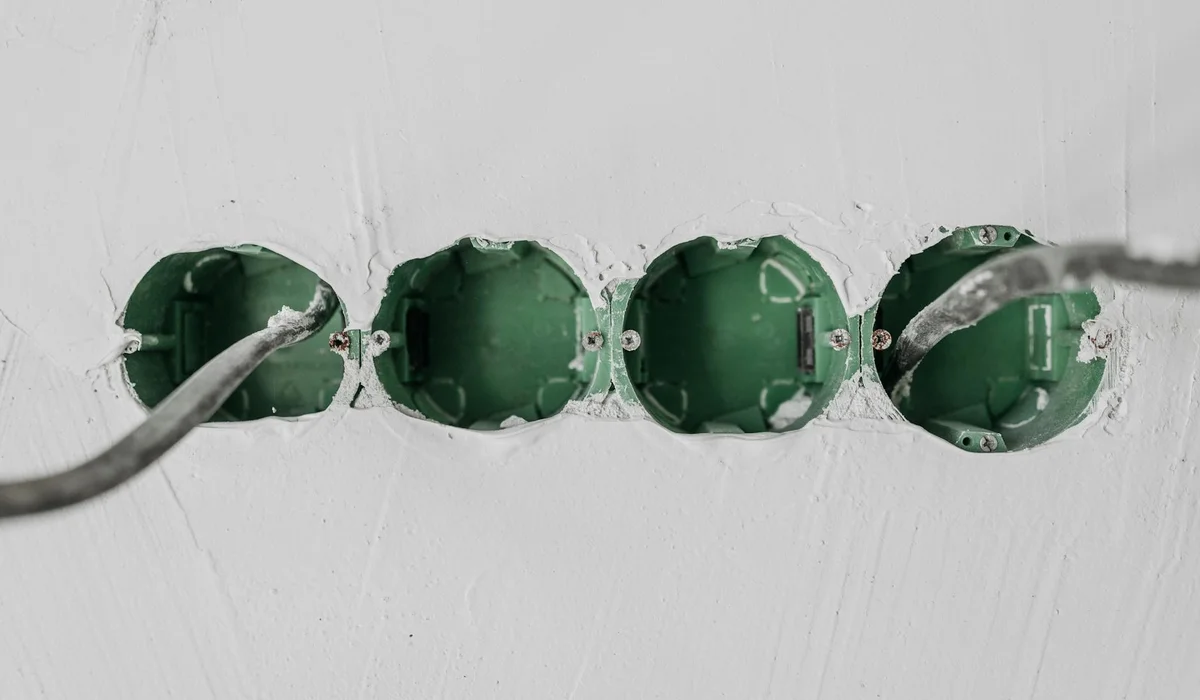
Red Flags: Signs of Electrical Trouble
Your aquarium should be a source of calm, not a buzzing electrical hazard. Keep your eyes and ears open for these warning signs.
A persistent humming or buzzing from a pump or heater often means the motor is straining and could fail soon. Don’t ignore it.
- Flickering Lights: If your aquarium light flickers or dims randomly, it’s a sign of a poor connection or a failing ballast.
- Tripping Circuit Breakers: An outlet that frequently trips its breaker is overloaded or has a faulty device plugged into it.
- Warm or Discolored Power Cords: Feel your cords occasionally. If any are warm to the touch or show brown/black spots, unplug them immediately.
- Visible Damage: Fraying, cracking, or bite marks from pets on any cord creates a direct path for electricity into your water.
- Sparking from Plugs: Even a tiny blue spark when plugging something in can indicate a serious short circuit.
Submersible Heaters and Lighting: Special Precautions
Equipment designed to go directly into the water demands extra vigilance. A single flaw can electrify your entire tank. Regular use of essential water testing equipment helps maintain healthy aquarium parameters by monitoring pH, ammonia, nitrite, nitrate, and salinity. Consistent testing guides maintenance decisions and safeguards fish and other inhabitants from harmful swings.
Always unplug your heater for at least 30 minutes before doing a water change to prevent it from shattering. The temperature difference is a real risk.
- Heater Placement: Never let a submersible heater run outside of water. Position it near water flow, like next to a filter outlet, so heat disperses evenly and it doesn’t overheat.
- Condensation in Light Hoods: Moisture buildup inside your light fixture is a major red flag. Look for sealed, waterproof models designed for aquariums.
- Mineral Buildup: White, crusty deposits on heater tubes or light lenses can create hot spots and lead to cracks. Wipe them down gently during cleanings.
- Check Seals Regularly: Inspect the rubber grommet or seal where the power cord enters any submersible equipment. If it’s cracked or loose, replace the unit.
Routine Checks: Maintaining Your Safety Systems
Easy GFCI and Drip Loop Maintenance
Your GFCI outlet and drip loops are your first line of defense, but they need a little attention to stay effective.
I make it a habit to test my GFCI outlets every single month by pressing the “TEST” button. It should click and cut power, then you reset it.
- The Monthly Test: Plug a small lamp into the outlet, turn it on, and hit “TEST.” If the light goes out and the “RESET” button pops, your GFCI is working. If not, replace the outlet.
- Drip Loop Inspection: Once a week, take a quick look at your cords. Make sure the lowest point of the loop is still well below the outlet and that no cord is pulled taut.
- Cord Management: Use drip loops on every single cord, not just the filter. This includes lights, heaters, and air pumps. Keep them untangled and organized.
- Outlet Cover Check: Ensure the weatherproof outlet cover is closed and seals properly when not in use to keep ambient moisture out.
Preparing Your Aquarium for Power Outages
When the power goes out, the clock starts ticking on your tank’s oxygen and temperature. A little prep gives you peace of mind.
Your filter’s beneficial bacteria will begin to die off after just a few hours without water flow, so avoid feeding your fish during an outage. If you notice reduced flow, cloudy water, or odd odors once the power is back, these can be signs your filter is failing. Addressing them quickly can prevent a larger problem.
- Insulate the Tank: Wrap the tank in blankets or towels to slow heat loss. Keep the lid on tight to retain warmth.
- Battery-Powered Air Pump: This is the most critical piece of backup gear. It provides surface agitation for oxygen exchange and is inexpensive.
- Keep Sponges Ready: Have a pre-cycled sponge filter in one of your tanks. During an outage, you can run it with a battery-powered air pump to maintain filtration.
- No Manual Heating: Never pour hot water directly into the tank to warm it. The sudden temperature swing is more dangerous than a slow cooldown.
Common Questions
Where should outlets be located to prevent water exposure to equipment?
Outlets should be installed at least 12 inches above the floor or any potential water sources, such as the aquarium rim or sump area. This elevation helps avoid splashes during water changes or accidental spills. Using a GFCI outlet with a weatherproof cover adds an extra layer of protection against moisture.
What IP ratings should you look for in aquarium electrical devices?
For devices that may be exposed to water, aim for an IP rating of IP67 or higher, indicating they are dust-tight and can withstand temporary immersion. Submersible equipment like pumps or heaters should ideally have an IP68 rating for complete waterproofing. Always verify the IP rating on product labels to ensure it matches your aquarium’s environment.
How should lighting fixtures be installed in an aquarium cabinet to avoid hazards?
Mount lighting fixtures securely on the cabinet’s interior, away from direct water contact and areas prone to condensation. Ensure all wiring is neatly organized with drip loops and that fixtures have proper ventilation to prevent overheating. Regularly check for moisture buildup or damage to seals to maintain a safe setup.
Should you use metal or plastic fittings around an aquarium and why?
Plastic fittings are generally preferred because they are non-conductive and resist corrosion, reducing electrical risks. Metal fittings can conduct electricity if faulty and may rust over time, posing hazards. If metal is necessary, ensure it is properly grounded and kept dry to minimize any potential dangers.
Keep Your Aquarium Safe and Sound
Always use drip loops on every cord to steer water safely away from outlets. Combine this with GFCI outlets to instantly shut off power if water and electricity ever meet.
Protecting your fish from electrical hazards is a core part of being a great pet owner. I encourage you to keep learning and asking questions—your aquarium journey is always evolving. Being mindful of electricity usage in home aquariums helps protect your fish and can reduce risk and energy waste. Use energy-efficient equipment and ensure outlets are properly grounded or GFCI-protected to keep your tank safe.
Further Reading & Sources
- The Importance of Drip Loops | Aquarium Design | AlgaeBarn
- Drip Loops, Cords, and Electrical Outlets | Freshwater Tank Equipment Forum
- r/AskElectricians on Reddit: Why would the GFCI trip often on this outdoor box
- Ground Fault Circuit Interrupters (GFCIs) – Safe Electricity
- electrical – How can I prevent a ground fault on one outlet from tripping a GFCI protecting a series of outlets? – Home Improvement Stack Exchange
Lia is an expert in aquarium and pet fish care. Having worked in the marine industry and having cared for multiple pet fish, she has acquired first hand expertise on aquarium care, maintenance and setup. She always brings her practical expertise and science to help solve any aquarium related queries.
DIY Projects