
Aquarium Algae vs Cyanobacteria: Spot, Stop, and Prevent Tank Pests
Hello fellow aquarists! That fuzzy green film or slimy blue-green mat in your tank isn’t just an eyesore-it’s a sign your aquatic balance is off. I’m here to help you cut through the confusion and restore that crystal-clear water we all love.
This straightforward guide will arm you with the knowledge to tackle both nuisances head-on. We’ll cover:
- Identifying common aquarium algae by its look and feel
- Recognizing cyanobacteria, often mistaken for algae
- Targeted removal steps for each type of invader
- Water chemistry tweaks that make your tank less welcoming to pests
- Long-term habits to prevent future outbreaks
My advice comes from years of hands-on experience running complex planted systems and breeding everything from feisty bettas like Captain Fin to gentle giants like Goldie the goldfish.
The Nuisance in Your Nursery: Understanding Your Opponent
Before you can win the battle, you need to know what you’re fighting. Both algae and cyanobacteria compete for light and nutrients in your tank, but they are fundamentally different organisms. Mistaking one for the other will have you using the wrong treatment, wasting your time and stressing your fish. This is where the question of natural versus chemical treatments—what’s better for your aquarium—comes into play. Choosing wisely depends on your tank’s setup and inhabitants.
What is True Aquarium Algae?
Think of true algae as the simple, often green, plants of the aquatic world. They are photosynthetic organisms with cellular structures similar to land plants. In my tanks, I see them as a natural, though sometimes overzealous, part of the ecosystem. They come in many forms: the green dust on the glass, the fuzzy tufts on driftwood, or the long strands tangled in plants. A small amount signals a healthy, balanced tank, but an explosion tells you that light or nutrients are out of whack. Knowing the difference between biofilm and algae is essential for proper tank maintenance.
- Green Algae: The most common type. It can be spot algae on glass, hair algae, or free-floating “green water.” It’s usually firm and doesn’t smell.
- Brown Algae (Diatoms): Often appears in new tanks as a dusty film. It wipes away easily and is common where silicate levels are high.
- Black Beard Algae (BBA): A dreaded, tough, brush-like algae that clings to edges of leaves and hardscape. It’s a sign of inconsistent CO2 or fluctuating nutrients.
What is Cyanobacteria (Blue-Green Algae)?
This is the impostor. Cyanobacteria isn’t algae at all-it’s a photosynthetic bacteria. It’s slimy, spreads like a blanket, and can suffocate your plants. My run-in with it left a section of my carpet plants smothered under a smelly, blue-green mat. Cyanobacteria is a problem of imbalance, often thriving in tanks with low nitrate, high organic waste, or poor water circulation.
- It forms sheets or mats that can be peeled off in slimy layers.
- Colors range from blue-green and dark green to startlingly purple-red or black.
- It has a distinct, musty, earthy smell that true algae lacks.
- It reproduces rapidly and can cover everything in days.
Spot the Difference: A Side-by-Side Identification Guide
When you’re staring at a greenish blob in your tank, run through this quick checklist. I keep these points mentally bookmarked for every new patch I see.
- Texture: Algae is often fuzzy, hairy, or gritty. Cyanobacteria is uniformly slimy and slick.
- Growth Pattern: Algae grows in spots, strands, or films. Cyanobacteria spreads as a cohesive, smothering mat.
- Color: Algae is typically green or brown. Cyanobacteria is blue-green, purple, or reddish, with a paint-like sheen.
- Attachment: Algae grips surfaces. Cyanobacteria layers on top and peels off easily.
The Sniff Test and the Swirl Test
These are your two best DIY diagnostics. I’ve used them for years when a visual check leaves me guessing.
The Sniff Test: Carefully remove a small piece of the suspect growth. Get close and take a whiff. True algae has little to no odor, or might smell faintly vegetal. If you get a strong whiff of dirt, mold, or decaying grass, you are almost certainly holding cyanobacteria. That earthy scent is a dead giveaway.
The Swirl Test: Gently wave your hand or a tool through the water near the growth. Observe how it reacts. True algae will stay largely put or break into strands. Cyanobacteria will swirl apart in the current like a cloud of smoke or paint, then slowly settle back into place. This happens because its slimy matrix breaks apart easily.
Root Cause Analysis: Why Are They Visiting Your Tank?
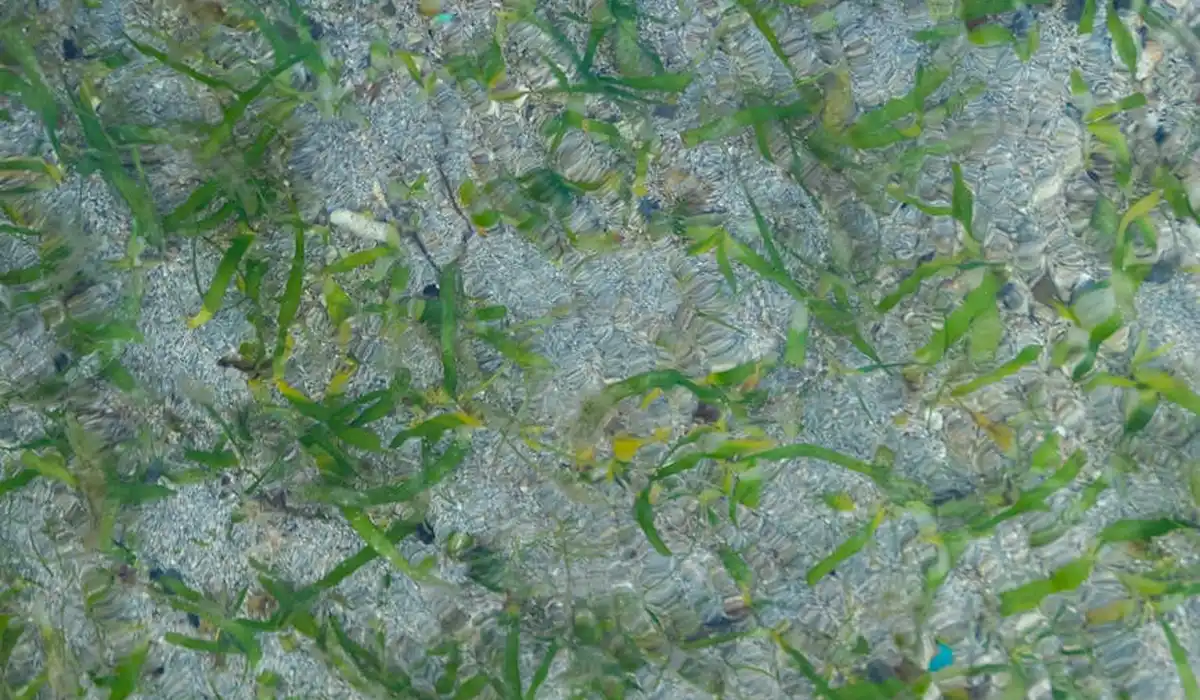
Seeing green fuzz or blue-green slime in your aquarium is a sign, not a sentence. These visitors show up when conditions are just right for them, and figuring out why is your first step to a clean tank.
Nutrient Imbalance: The Dinner Bell
Think of nutrients like nitrate and phosphate as an all-you-can-eat buffet for algae and cyanobacteria. Overfeeding is the most common chef behind this feast, as uneaten food breaks down into these compounds. I learned this the hard way with Goldie; her enthusiastic foraging meant extra flakes sank, spiking my nitrate levels above 20 ppm and inviting trouble.
But it’s not just food. Decaying plant matter, fish waste, and even tap water can contribute. You want to aim for nitrate levels below 10-20 ppm and phosphates under 0.5 ppm for a balanced, low-algae system. Regular testing with a liquid kit is your best friend here.
- Overfeeding: Feed only what your fish can consume in two minutes, once or twice a day.
- Decaying Organics: Vacuum your substrate weekly to remove waste and dead leaves.
- Water Source: Test your tap water; some sources are naturally high in phosphates, requiring different treatment.
Lighting Conditions: Setting the Stage
Light is the energy source, and too much of a good thing creates a paradise for photosynthesis. Long photoperiods, especially with intense full-spectrum LEDs, can turn your tank into an algae incubator overnight. My planted tank thrived when I cut the light duration from 10 hours down to a steady 7.
The type of light matters too. Old fluorescent bulbs that shift spectrum as they age can promote cyanobacteria. Consistency is key-use a timer to provide a reliable light schedule, mimicking a natural day cycle for your fish and plants.
- Duration: 6-8 hours daily is sufficient for most planted aquariums.
- Intensity: Dim lights or raise them higher if you see algae on top of plants or decor.
- Spectrum: For planted tanks, lights in the 6500K range are ideal for plants without overdriving algae.
Flow and Filtration: The Stagnant Problem
Algae and especially cyanobacteria love dead spots where water doesn’t move. Inadequate circulation allows waste and nutrients to pool, creating localized pockets of imbalance. I noticed cyanobacteria always started in the corner behind my filter where the flow was weakest.
Your filter should turn over the tank volume at least 4-5 times per hour. For a 20-gallon tank, that means a filter rated for 80-100 gallons per hour. Adding a small powerhead or adjusting your filter output can eliminate those stagnant zones and make life hard for slimy invaders. Even Shadow, my shy corydoras, enjoys a gentle current across the bottom.
- Check Flow: Observe if debris settles in specific areas; those are low-flow zones.
- Filter Maintenance: Clean or replace media monthly, but never all at once to preserve beneficial bacteria.
- Supplemental Circulation: A small wave maker or powerhead can be a game-changer for larger tanks.
The Removal Playbook: From Immediate Action to Long-Term Peace
Once you know the cause, you can fight back. This plan starts with quick fixes and moves to sustainable solutions.
Step 1: Manual and Physical Removal
Roll up your sleeves and get hands-on. For algae on glass, a good algae scraper or even an old credit card works. Manual removal instantly improves appearance and reduces the organism’s hold on your tank. For cyanobacteria, I use a siphon hose to gently vacuum the slimy mats directly off plants and decor. For the glass itself, a dedicated algae magnet or soft scraper can clean the front pane without scratching, keeping the view clear. Regular quick passes along the glass help prevent stubborn buildup and make future cleanups easier.
Be thorough. In heavy cases, you might need to remove affected items and scrub them in a bucket of tank water. Always use water from the aquarium for cleaning to avoid shocking your fish with chlorine or temperature changes. Captain Fin gets very stressed by big environmental shifts. Keeping the tank clean helps reduce stress for the fish. They still notice changes, so steady maintenance matters.
- Scrape visible algae from glass and hardscape.
- Siphon cyanobacteria mats directly into a bucket during a water change.
- Prune and remove leaves heavily coated in algae.
- Gently stir sandy substrates, like where Shadow roots around, to dislodge detritus.
Step 2: Adjust the Environment
This is where you fix the root causes you identified. Combining a large water change with environmental tweaks is the most effective one-two punch for long-term control. After manually cleaning, I immediately do a 50% water change to dilute nutrients.
Then, implement changes based on your analysis. Reduce feeding portions, adjust your light timer, and ensure flow is optimal. Increasing live plants like fast-growing stem plants or floating ferns can outcompete algae for nutrients, creating a more stable ecosystem. In planted tanks, balancing nutrients is key to preventing algae growth. A balanced nutrient regime helps keep water clear and plants thriving. It’s a natural solution that also provides cover for fish.
- Nutrient Control: Perform weekly 25-30% water changes. Consider using phosphate-removing media in your filter.
- Light Adjustment: Reduce photoperiod by 2-3 hours or add a siesta period (e.g., 4 hours on, 4 off, 4 on).
- Flow Enhancement: Reposition filter outlets or add a circulation pump to hit dead zones.
Step 3: Considering Helpful Tools and Treatments
When manual removal and adjustments aren’t enough, specialized tools and treatments can help. Use these as a last resort, and always research their impact on your specific fish and invertebrates. I once used an algaecide without checking, and it stressed my entire community.
For persistent black beard algae, a spot treatment with diluted hydrogen peroxide (3%) applied directly with a syringe can work. UV sterilizers can help with free-floating algae and some bacteria. Introducing algae-eating crew members, like nerite snails or Amano shrimp, can provide ongoing maintenance, but they are helpers, not a cure. Always quarantine new arrivals first. It’s important to use the right dosage when using hydrogen peroxide to kill algae to avoid harming your aquatic plants and animals.
- Chemical Treatments: Use erythromycin for cyanobacteria only as directed, as it can affect biological filtration.
- Equipment: UV sterilizers clarify water by killing suspended cells. Algae scrubber pads are great for glass.
- Biological Controls: Siamese algae eaters for brush algae, otocinclus for soft film algae. Ensure they are compatible with your fish; Captain Fin might see small shrimp as a snack.
Prevention is the Best Cure: Cultivating a Balanced Tank

Your aquarium is a tiny, living world, and like any ecosystem, balance is everything. Stopping algae and cyanobacteria starts long before you see that first green film or blue-green slime. I’ve learned through trial and error that a proactive approach saves countless hours of scrubbing later.
Mastering the Maintenance Rhythm
Think of tank maintenance like brushing your teeth-skip it, and problems build up. Consistency is far more effective than occasional deep cleans that shock your fish. Here’s the weekly rhythm that works for my planted community tank:
- Change 20-25% of the water every week without fail, using a gravel vacuum to siphon waste from the substrate.
- Test key parameters: aim for nitrates below 20 ppm and phosphates under 0.5 ppm to starve out pests.
- Rinse filter media in old tank water during water changes to preserve beneficial bacteria.
- Wipe the inside glass with an algae pad, focusing on areas where light hits hardest.
This routine keeps the water crystal clear and nutrients in check. The hum of the filter becomes a sound of health, not a reminder of chores.
Smart Stocking and Feeding Practices
More fish means more waste, and that waste is fertilizer for algae. Overstocking is the fastest way to tip your tank into an algae bloom. My goldfish, Goldie, is a waste machine, so she lives in a spacious tank with heavy filtration.
- Use online calculators to stay within safe bioload limits for your tank size.
- Feed only what your fish can consume in two minutes, and remove any uneaten food immediately.
- Consider fasting your fish one day a week; it’s healthy for them and reduces nutrient load.
- Choose tank mates wisely-some species, like many cichlids, dig and stir up nutrients.
Shadow, my corydoras, helps by scavenging leftover bits, but he can’t compensate for overfeeding. Your feeding hand is the most powerful tool you have for prevention.
Dialing In Your Light and Flow
Light and water movement are the yin and yang of algae control. Cyanobacteria, in particular, thrives in stagnant, brightly lit corners. After battling blue-green slime, I now use a simple timer for my lights.
- Limit lighting to 6-8 hours per day. If you have plants, use a siesta period-4 hours on, 4 off, 4 on-to disrupt algae growth.
- Position lights correctly; too intense or too close to the water can fuel algae on surfaces.
- Ensure water flow reaches all tank areas. Adjust powerheads or filter outlets to eliminate dead spots where cyanobacteria forms.
- For planted tanks, balance light with CO2 and fertilizers; an imbalance here is an open invitation for algae.
In my betta tank, Captain Fin prefers calm water, so I use a sponge filter and keep the light period shorter to avoid algae without stressing him. Finding the sweet spot for light and flow makes your tank less hospitable to invaders.
Natural Allies: Fish and Invertebrates That Help
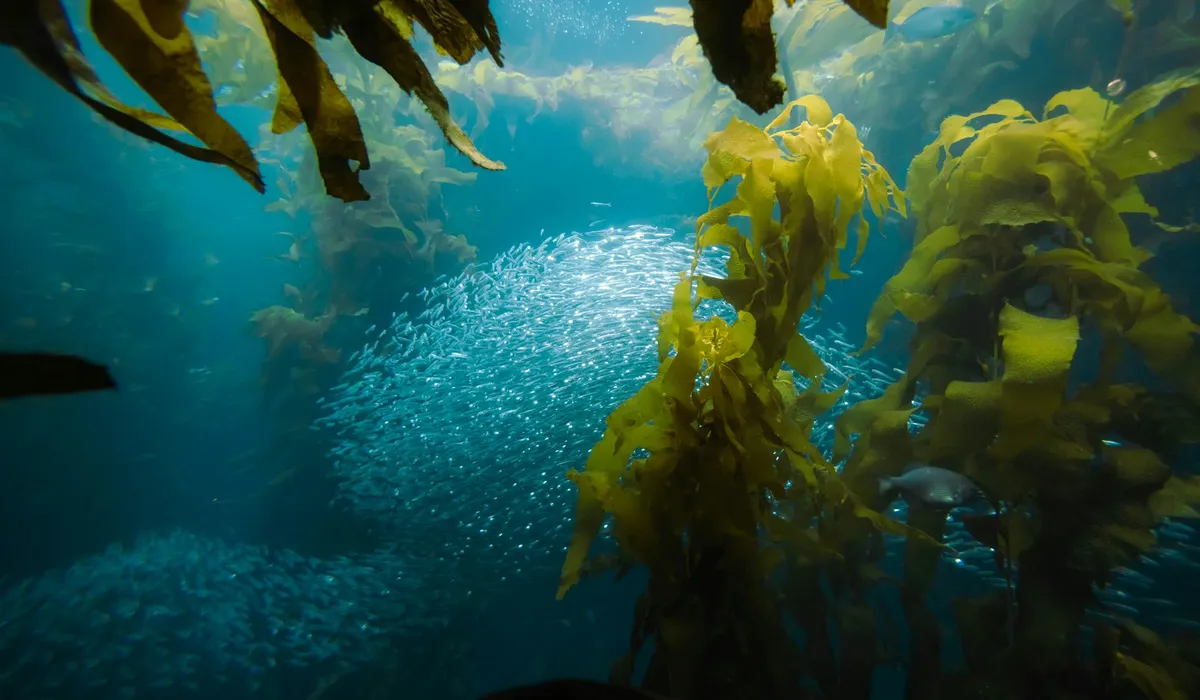
Sometimes, you need a clean-up crew. Adding the right livestock can provide ongoing, natural control of algae and even some cyanobacteria. But remember, these are helpers, not solutions—they work best in a balanced tank. Learn more about how to control algae in a planted aquarium for a healthier aquatic environment.
Here are some of my top performers:
- Otocinclus Catfish: Tiny but mighty, they graze constantly on soft green algae from leaves and glass. Keep them in groups of six or more.
- Amano Shrimp: These shrimp are vacuum cleaners for hair algae and biofilm. They’re peaceful and great for community tanks.
- Nerite Snails: Their eggs won’t hatch in fresh water, and they leave beautiful zig-zag trails on glass as they eat algae.
- Siamese Algae Eaters: One of the few that will munch on black beard algae. Ensure you get the true species, not the look-alike.
- Mollies and Platys: Livebearers that will peck at cyanobacteria, though they might not eliminate a full-blown outbreak.
I’ve seen Amano shrimp make a visible dent in algae in just days. Introduce these allies slowly, and ensure your tank has plenty of hiding spots like plants or driftwood for them to feel secure. They’re part of the ecosystem, not a quick fix.
FAQs
Which is more harmful to my fish and plants, algae or cyanobacteria?
Cyanobacteria is generally considered more immediately harmful. It can form dense, slimy mats that smother plants by blocking light and can deplete oxygen in the water at night, potentially stressing fish. While unsightly, most common algae types are less aggressive and often just compete with plants for nutrients. Algae can be good or bad for your aquarium ecosystem, contributing to nutrient cycles and oxygen when balanced. Keeping lighting and nutrients in check helps ensure algae stay on the beneficial side rather than taking over.
What should I do first if I have a severe outbreak covering everything?
Start with a large (50%) water change and thorough manual removal. Physically siphon out as much of the growth as possible, then immediately adjust the core environmental triggers: significantly reduce your lighting period and assess your feeding routine. This combined physical and environmental shock is the most effective initial response.
Are chemical treatments or antibiotics safe for my tank?
They can be used but with extreme caution. Antibiotics like erythromycin for cyanobacteria can harm your beneficial filter bacteria, so monitor ammonia and nitrite closely afterward. Always remove chemical filtration like carbon before treatment, dose exactly as directed, and consider it a last resort after improving tank conditions.
Can I rely on algae-eating fish or shrimp to solve the problem?
No, they are maintenance crew members, not a solution. While species like Amano shrimp or otocinclus catfish help control certain algae, they cannot handle a full-blown outbreak caused by underlying imbalance. They work best in a balanced tank as part of a long-term prevention strategy, not as a cure.
Mastering Your Tank’s Balance
Spot the difference between algae and cyanobacteria first, because treating one like the other can waste your effort and stress your fish. Use an algae outbreak checklist to identify the type and root cause. Tackle outbreaks by combining physical removal with long-term fixes like refining your feeding, lighting, and water change schedule.
Caring for an aquarium is a promise to observe, learn, and grow alongside your finned friends. Stay curious, tap into trusted resources, and let each clean-up teach you more about creating a stable, beautiful underwater home.
Further Reading & Sources
- r/PlantedTank on Reddit: What kind of Algae is this? And how do I treat it?
- How to Get Rid of Cyanobacteria in Aquariums – Buce Plant
- How to Get Rid of Blue-Green Algae in Freshwater Aquariums – Aquarium Co-Op
- Blue-green algae (BGA) – | Aquasabi | Aquasabi – Aquascaping Shop
- How to Prevent and Remove Cyanobacteria From Your Aquarium – Help! I Wrecked My Tank Ep. 5 – Bulk Reef Supply
Lia is an expert in aquarium and pet fish care. Having worked in the marine industry and having cared for multiple pet fish, she has acquired first hand expertise on aquarium care, maintenance and setup. She always brings her practical expertise and science to help solve any aquarium related queries.
Algae Control