
Craft Your Own Custom Aquarium Lid: A Secure, Stylish DIY Guide
Hello fellow aquarists! That gentle plink of water droplets hitting your lamp or the constant worry about a curious fish making a leap for freedom-we’ve all been there with a poorly fitting or non-existent tank lid.
This guide will walk you through building a custom hood that solves those problems for good. You’ll find clear steps for:
- Choosing the right materials for safety and durability
- A step-by-step measurement and assembly process
- Practical venting for heat control and gas exchange
- Simple modifications for equipment like filters and lights
I’ve designed lids for everything from my feisty Betta, Captain Fin, to my shy Corydoras, Shadow, giving me real-world insight into what actually works.
Dive Into DIY Aquarium Lids and Hoods
A DIY aquarium lid or hood is a custom-made top you build yourself to cover your fish tank, tailored exactly to its dimensions and your setup. Building your own lid often gives a snugger fit than store-bought ones, which can leave gaps or not accommodate unique equipment like hang-on-back filters. I’ve found that custom lids eliminate those annoying spaces where evaporation happens or curious fish might try to escape.
- Reduces water evaporation, so you top off less often and keep mineral levels stable.
- Prevents fish from jumping out-a lifesaver for energetic species like bettas or killifish.
- Improves safety by blocking debris, pets, or little hands from reaching into the water.
You’ll encounter two main styles: full hoods that enclose the top and might house lights, and simple lids that are basic covers. Full hoods offer a polished look and integrated lighting, while basic lids are quicker to make and ideal for tanks with external lights. This choice sets the foundation for your project, so think about what suits your aquarium’s needs best. When choosing lighting, consider how to set up your aquarium lights properly.
Gather Your Materials and Tools
Before you start, collect all your supplies to make the process smooth and efficient. Having everything on hand prevents mid-project runs to the store and keeps your focus on crafting a durable lid. I always lay out my materials first, inspired by my own mishaps with missing pieces in past builds.
- Acrylic or plexiglass sheets-clear for light penetration and easy to cut.
- Plastic sheets like polycarbonate for impact resistance.
- Optional items: hinges for access, handles for lifting, or mesh panels for added ventilation.
- Measuring tape for precise dimensions of your tank’s top.
- Utility knife or fine-tooth saw to cut materials cleanly.
- Sandpaper to smooth sharp edges and prevent injuries.
- Safety gear like gloves and goggles to protect your hands and eyes during cutting.
Select materials based on your tank size and fish behavior; for larger tanks over 20 gallons, thicker acrylic (around 1/4 inch) adds stability. Similar logic applies to glass: thickness should scale with tank size to resist water pressure. In other words, the bigger the tank, the thicker the glass or reinforced panels you should consider. Larger tanks require thicker glass or reinforced panels you should consider. If you keep jumpers, opt for a solid material with no gaps, and for budget-friendly finds, check hardware store scraps or online marketplaces for discounted sheets. This approach saves money and lets you customize without breaking the bank.
Craft Your Custom Acrylic or Plastic Lid
-
Start with measuring your tank accurately and creating a cut list for materials.
Get a tape measure and write down the inside dimensions of your tank’s top frame, not the outside glass. You want the lid to rest on the frame, not the glass. Measure twice and cut once is the golden rule here, as a lid that’s even a quarter-inch off can be unstable or fall in. I always subtract about 1/8 inch from the total length and width to ensure a perfect, non-binding fit. If you’re following a beginner’s step-by-step guide to building a home aquarium tank, these lid measurements help you stay on track. Getting the fit right early makes the rest of the build smoother and safer for your future aquatic setup.
-
Guide through cutting acrylic or plastic safely, using tools to avoid cracks.
For thin acrylic or polycarbonate sheets, a sharp utility knife and a straightedge work well. Score a deep line several times, then snap it cleanly over the edge of a table. For thicker material, a fine-toothed jigsaw blade or a circular saw with a plastic-cutting blade is your best friend. Always peel off the protective film before cutting and go slow to prevent the plastic from melting or chipping. I’ve found that supporting the sheet fully and using masking tape along the cut line dramatically reduces splintering.
-
Explain smoothing edges with sandpaper and test-fitting the lid on the tank.
Freshly cut plastic edges are dangerously sharp. Start with a coarse 80-grit sandpaper to knock down the major burrs, then move to a 220-grit for a smooth finish. Run your fingers along the edges; if it feels sharp to you, it can injure a fish. This sanding step is non-negotiable for both your safety and the safety of your aquatic pets. Once smooth, gently place the lid on the tank to check the fit before moving on to the next step. For best results when preparing a new tank, clean the tank before setup: rinse with warm water (no soap) to remove dust, then rinse again until there’s no odor. This simple step helps prevent contaminants from harming new fish.
-
Cover how to make a DIY plastic aquarium lid as a budget-friendly alternative.
If a full sheet of acrylic is too costly, look for plastic poster frames or presentation folders from a craft store. These are often made from a thinner, more flexible plastic that is surprisingly durable. You can create an effective, lightweight lid for a fraction of the cost, which is perfect for small tanks or temporary setups. Just be aware that thinner plastic can warp over time from heat and humidity, so keep an eye on it.
Add Hardware for Function and Fit
-
Describe how to make and attach DIY aquarium lid clips for secure placement.
You can buy lid clips, but it’s easy to make your own from scrap acrylic. Cut small L-shaped brackets, about an inch long on each side. Attach one side to the underside of your lid with aquarium-safe silicone, letting it cure for 24 hours, so the bracket hooks onto the tank’s frame. This simple DIY solution prevents cats, curious children, or jumping fish from dislodging the lid.
-
Explain installing hinges for easy access, including types and step-by-step attachment.
Plastic or stainless steel pin hinges are ideal. Mark their placement on the lid, ensuring they’re straight. For a two-piece lid, attach the hinges to connect the pieces. Use a drill to create small pilot holes for the screws to prevent the acrylic from cracking under pressure. I prefer hinges that allow the lid to open fully, giving me unobstructed access for feeding and maintenance.
-
Cover ventilation with a back strip or gasket to allow air flow and prevent moisture buildup.
Don’t seal the entire lid. Leave a gap of about one to two inches across the back for cords and ventilation. You can cut a section out or simply not cover that part. This open strip is critical for gas exchange, allowing carbon dioxide to escape and fresh oxygen to enter the water’s surface. It also helps reduce condensation that can obscure your view and promote mold.
-
Include tips on waterproofing with silicone seals for durability.
While the lid itself is waterproof, the screw holes and joints are potential weak spots. Run a tiny, neat bead of 100% silicone aquarium sealant around any installed hardware. Aquarium-safe silicone creates a flexible, waterproof gasket that protects the underlying metal from corrosion. Let it cure completely, which usually takes about 48 hours, before placing the lid on your filled tank.
Build Specialized Lids for Unique Tanks
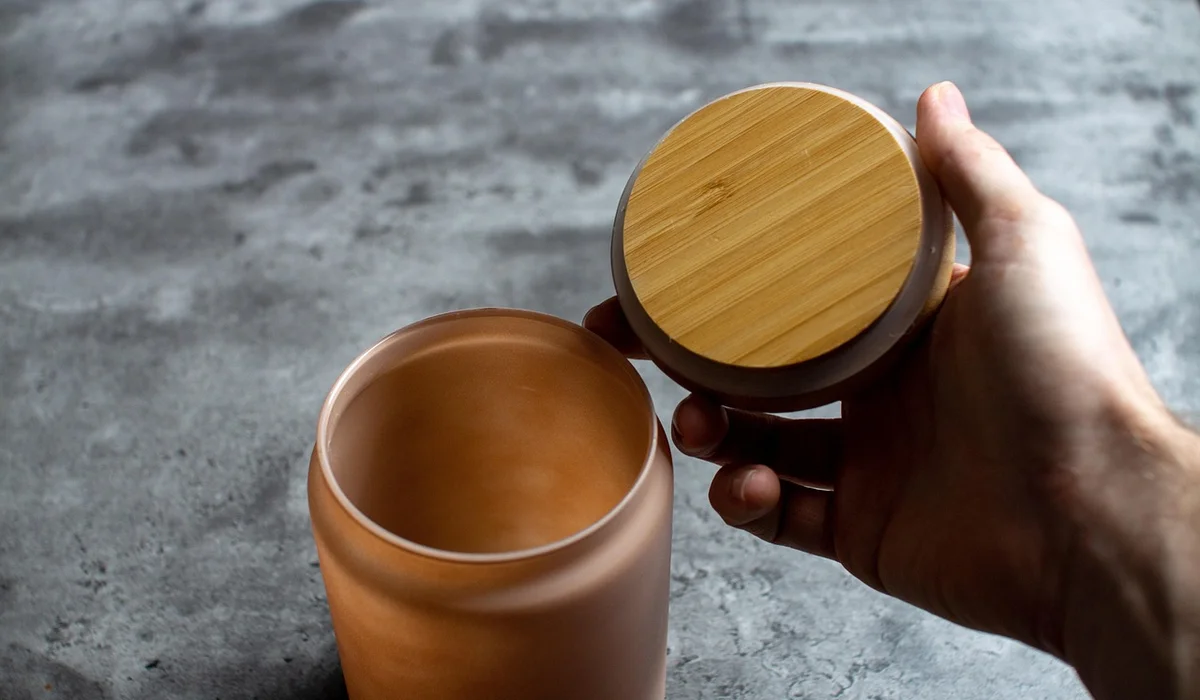
Not every tank is a standard rectangle, and your lid shouldn’t be a one-size-fits-all solution. Building your own allows you to tailor the cover to your aquarium’s specific needs and inhabitants.
Creating a DIY Mesh Aquarium Lid
For fish that are prone to jumping or tanks that require high humidity and gas exchange, a mesh lid is your best friend. I use these on my rimless tanks and for fish like killifish.
- Measure the top of your tank’s frame or the outer dimensions of the glass if it’s rimless.
- Cut a frame from 1/2-inch PVC trim board or similar plastic lumber to these dimensions, using corner brackets for a solid joint.
- Stretch a piece of clear polycarbonate mesh or standard insect screen tightly across the frame.
- Secure the mesh using spline and a spline roller, or for a simpler method, use a staple gun for PVC frames, ensuring no sharp points are exposed inside the tank.
- Attach a small handle for easy access. A tight mesh lid provides maximum ventilation, preventing humidity buildup that can damage your lights while keeping even the most athletic fish safely inside.
Building a Lid for a Rimless Tank
Rimless tanks are beautiful but lack the standard lip for a lid to rest on. The key is creating a lid that sits gently on the glass without putting pressure on the seams. In a rimless vs braced aquariums guide, aesthetics and safety considerations come into play when choosing lids and bracing. For rimless tanks, a lid that sits lightly on the glass preserves the clean look without stressing the seams.
- Use a thin, lightweight material like acrylic or polycarbonate sheet for the main panel.
- Instead of a full frame, attach small “feet” made of silicone bumpers or nylon bolts to the corners of the lid’s underside.
- These feet should contact the inner top edge of the glass, not the outer rim, distributing weight evenly.
- For larger tanks over 24 inches, I add a center brace made from the same material to prevent the lid from sagging into the water over time. This bracing technique mimics the factory support of a rimmed tank and is critical for long-term stability on open-top aquariums.
Mesh vs. Solid Lids: A Quick Comparison
| Feature | Mesh Lid | Solid Lid |
|---|---|---|
| Best For | High-humidity setups, jumpy fish, excellent gas exchange | Reducing evaporation, housing non-jumping fish, supporting heavy lights |
| Evaporation | High | Low |
| Durability | Can snag or tear over time | More robust, but can warp from heat and moisture |
| Light Penetration | Minimal obstruction | Can be reduced by condensation or scratches |
Your choice ultimately depends on your tank’s inhabitants and your own maintenance preferences for topping off water. When weighing tap water versus RO water, you’ll want to decide which is truly better for your freshwater tank, taking into account chlorine/chloramines and necessary minerals for your inhabitants.
Personalize and Maintain Your Creation
Once the basic structure is built, the real fun begins. This is your chance to make the lid uniquely yours and ensure it lasts for years.
Customization Ideas
Don’t settle for a boring cover. A simple search on Reddit communities like r/Aquariums or r/PlantedTank is bursting with creative inspiration from other hobbyists. Curious if the best themed aquarium ideas are beginner-friendly? In practice, many top options are simple, low-maintenance themes that you can grow into.
- Integrated Lighting: Mount small, waterproof LED strips to the underside of a solid lid to create ambient moonlighting or highlight specific plants.
- **Feeding Hatches:** Cut a small, hinged door into the lid for easy feeding without having to remove the entire cover.
- **Cable Management:** Drill precise holes with rubber grommets for heater cords, airline tubing, and filter outputs to keep everything tidy and safe from water drips.
Adding a personal touch transforms a functional piece into a part of your tank’s aesthetic.
Understanding DIY Aquarium Lid Kits
If measuring and sourcing materials feels daunting, a DIY lid kit is a fantastic starting point. These kits typically include pre-cut frame pieces, corner connectors, and the mesh material. A kit simplifies the process down to basic assembly, removing the guesswork for beginners and ensuring a professional-looking fit. You just follow the instructions to snap the frame together and roll in the mesh.
Essential Maintenance Tips
A DIY lid needs a little love to keep it in top shape. Neglect can lead to warping, corrosion, or a dirty appearance.
- Wipe down the lid weekly with a damp cloth to remove dust and salt creep, which can degrade materials and block light.
- Every month, check for any warping, especially on solid plastic lids exposed to heat and humidity.
- Ensure all screws, hinges, and handles are tight; metal hardware near an aquarium can rust surprisingly fast.
Regular, simple maintenance prevents small issues from becoming big problems that could compromise your tank’s safety.
Creative Finishes with Safety in Mind
You can paint the top side of your lid with acrylic paints to match your room’s décor or even add fun labels. Always use non-toxic, water-based paints and sealants, and apply them only to the exterior top surface, far away from the tank water. The last thing you want is chemicals leaching into your aquarium and affecting your fish’s health. Let any paint or sealant cure completely for several days before placing it on your tank. When decorating beyond the lid, choose aquarium-safe, non-toxic materials to keep the entire tank environment safe for fish. Verify that any decorations are labeled aquarium-safe and avoid anything that could release toxins over time.
FAQs
What is a DIY aquarium lid?
A DIY aquarium lid is a custom cover you build to fit your tank’s exact dimensions, helping reduce water evaporation and prevent fish from jumping out. It offers a snugger fit than many store-bought options and can be tailored for unique setups. This project allows you to choose materials and features that suit your aquarium’s specific needs.
How do you make DIY aquarium lid clips?
Create clips by cutting small L-shaped brackets from scrap acrylic or plastic, then attach them to the lid’s underside with aquarium-safe silicone. Let the silicone cure fully so the brackets hook securely onto the tank’s frame, keeping the lid in place. This simple addition helps prevent accidents and ensures a tight fit for safety when resealing the aquarium.
What is a DIY aquarium lid back strip?
A DIY aquarium lid back strip is an intentional gap left at the rear of the lid to allow for ventilation and equipment cords. It promotes gas exchange by letting carbon dioxide escape and oxygen enter, while reducing condensation buildup. This strip is essential for maintaining a healthy tank environment and can be customized in size during construction.
Where can you find DIY aquarium lid ideas on Reddit?
Explore subreddits like r/Aquariums and r/PlantedTank for a wealth of DIY lid inspiration shared by fellow hobbyists. You’ll find photos, step-by-step guides, and creative tips on features like mesh panels or integrated lighting. Engaging with these communities can provide practical ideas and solutions for your custom build.
Seal the Deal on Your DIY Project
Building a custom lid ensures a perfect fit for your unique tank and keeps your fish safely inside. To ensure the lid fits precisely, measure your tank’s exact dimensions—length, width, and internal height—before you cut. Take measurements at the widest points and from inside edges to account for rims or equipment. Focus on using durable, aquarium-safe materials and double-check all measurements before you cut to avoid costly mistakes.
Remember, a well-made lid is just one part of providing a healthy home for your aquatic pets. Keep exploring new ways to maintain water quality and understand your fish’s needs-it’s a rewarding journey that never really ends.
Further Reading & Sources
- Put A Lid On It – DIY Aquarium Screen Build – BRS Fresh
- r/aquarium on Reddit: Custom lid ideas to prevent evaporation loss
- 10 Helpful DIY Fish Tank Lid Plans You Can Make Today (With Pictures) | Hepper Pet Resources
- DIY Glass Aquarium Lids – Odin Aquatics
- DIY Options For an Aquarium Lid? – Photos, Videos & Journals – Aquarium Co-Op Forum
Lia is an expert in aquarium and pet fish care. Having worked in the marine industry and having cared for multiple pet fish, she has acquired first hand expertise on aquarium care, maintenance and setup. She always brings her practical expertise and science to help solve any aquarium related queries.
DIY Projects