
Aquarium Chillers: Your Cold Water Species’ Summer Survival Guide
Hello fellow fish keepers. Is your tank’s thermometer creeping into dangerous territory, leaving your cold-water friends sluggish and stressed? You’re not alone in this battle against rising temperatures.
This complete guide will walk you through everything, from the core concepts to daily operation. We’ll cover:
How aquarium chillers actually work, the precise temperature ranges for popular cold-water species, a simple method for sizing a chiller to your exact tank, step-by-step installation and maintenance, and budget-friendly cooling alternatives if a chiller isn’t in the cards right now.
I’ve kept specialized cold-water systems for years, relying on chillers to breed sensitive species successfully.
Understanding Aquarium Chiller Basics
An aquarium chiller is a specialized device that actively lowers and stabilizes your tank’s water temperature, functioning much like a dedicated air conditioner for your aquatic environment. Its core purpose is to protect cold-water species by preventing the dangerous temperature spikes that can occur in warmer rooms or due to equipment heat. I rely on mine to keep sensitive fish like Goldie, my Oranda Goldfish, thriving even during summer heatwaves. Choosing between cold-water vs tropical fish for your tank depends on your room temperature and the equipment you’re willing to run. A chiller supports cold-water setups in warm rooms, while tropical species often thrive with a heater and stable warmth.
The fundamental principle behind a chiller is a heat exchanger, which works by moving heat from your aquarium water into the surrounding air. Think of it like a sponge soaking up warmth from the water; a coolant fluid absorbs the heat, and a fan then blows that heat away, returning cooler water to your tank. This continuous cycle is what maintains a stable, chill environment.
Every standard aquarium cooling system is built from a few key parts working together. For many setups, an aquarium temperature controller is essential to maintain stable temperatures. Here are the primary components you’ll find inside a typical unit:
- A compressor, which pressurizes the refrigerant to start the cooling cycle.
- An evaporator coil, where the actual heat exchange happens as water flows past it.
- A condenser and fan, which work to dissipate the collected heat into the room’s air.
- A thermostat and control unit, allowing you to set and monitor your desired temperature.
Identifying the Need for Temperature Control
Not every fish needs a chiller, but many popular cold-water species absolutely do. Common inhabitants that often require this extra cooling include Goldfish, White Cloud Mountain Minnows, Weather Loaches, and certain Hillstream Loaches. In my experience, species like these show vastly better coloration and activity levels when kept in their ideal, cooler ranges.
The heat load in your aquarium—the total amount of warmth added—comes from two main sources. Ambient room temperature is the biggest factor, but internal equipment like powerful lighting, filters, and water pumps constantly generate surprising amounts of heat. A single pump can easily raise a tank’s temperature by a degree or two, which is enough to stress fish adapted to cooler waters. That’s why aquarium temperature control matters for stable water. In the complete guide, you’ll learn practical steps to monitor heat, set up reliable heating and cooling, and maintain consistent temperatures.
How can you tell if your tank is running too warm for its residents? Watch for these clear signals that it’s time to check your temperature and consider a cooling solution.
- Fish are gasping at the water’s surface or seem unusually lethargic.
- You notice a significant loss of appetite across the tank.
- Algae growth suddenly explodes, as many types thrive in warmer water.
- The water feels warm to the touch, a simple but effective test.
Choosing Your Aquarium Chiller Type
Comparing Core Cooling Technologies
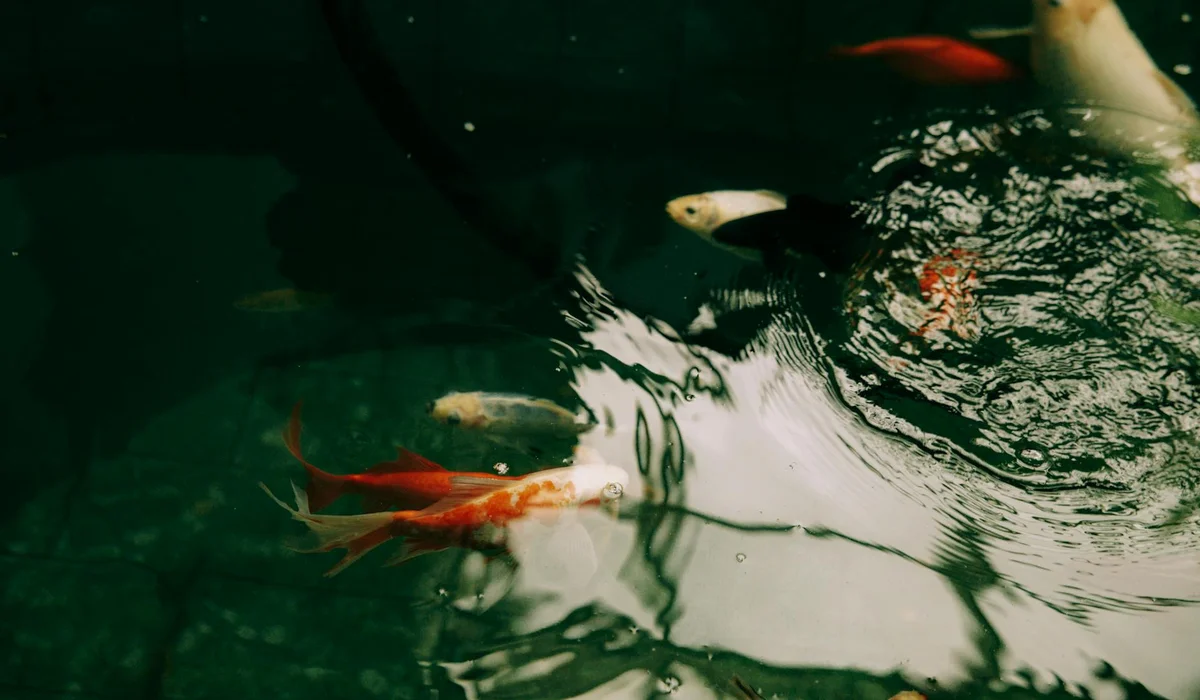
You have two main paths for cooling your tank: thermoelectric (Peltier) coolers and compressor-based chillers. Your choice depends heavily on the scale of your setup. This matters when you’re setting up a cold water aquarium tank, where stable temperatures are crucial. Plan how the cooling will fit into your tank layout during setup to keep conditions consistent.
Thermoelectric chillers use an electronic module that gets cold on one side when electricity passes through it. These units are generally compact, silent, and vibration-free, making them a solid choice for nano tanks under 20 gallons. They are less efficient for larger volumes, acting like a small fan trying to cool a large room.
- Pros: Extremely quiet operation, no moving parts besides a small fan, lightweight and portable.
- Cons: High energy consumption for their cooling power, limited to smaller tanks, performance drops in warm room temperatures.
Compressor chillers work like a miniature refrigerator, using a refrigerant cycle to remove heat. This is the workhorse technology for any serious cold-water aquarium, efficiently handling tanks from 30 gallons to several hundred. You will hear a soft hum or click when the compressor kicks on.
- Pros: Highly efficient and powerful, capable of cooling large aquariums, more cost-effective to run on larger tanks.
- Cons: Heavier and bulkier, produces a low operational hum, higher initial purchase cost.
Beyond these, you might encounter glycol chillers, which pump chilled fluid through a coil in the sump. This is a complex, industrial-grade method typically reserved for massive public aquarium displays or advanced breeding facilities. For nearly all home aquarists, a standard compressor chiller is the correct tool for the job.
Freshwater vs. Saltwater Compatibility
The great news is that nearly all modern aquarium chillers are designed to work with both freshwater and saltwater systems. The core cooling mechanism is identical.
The critical difference lies in the materials used for the internal heat exchanger. For a saltwater tank, you must ensure the chiller’s heat exchanger is made of titanium, which is completely inert and impervious to corrosive saltwater. Using a chiller with a copper or stainless steel heat exchanger in a marine tank will leach toxic metals, causing a rapid and fatal tank crash.
Most manufacturers clearly label their units as suitable for freshwater, saltwater, or both. Always double-check the product specifications before purchasing for a reef or fish-only saltwater aquarium.
Sizing Your Aquarium Chiller Correctly
Calculating Your Aquarium’s Heat Load
An undersized chiller will run constantly and never hit your target temperature. To find the right size, you first need to estimate your tank’s total heat load, measured in watts or BTUs per hour.
Think of heat load as all the things fighting against your chiller. A simple starting formula is to add the total wattage of all submerged equipment (pumps, powerheads, UV sterilizers) and then add a factor for ambient room heat. For a stable room, add 50-100 watts. For a hot, sunny room, you may need to add 150 watts or more.
- Equipment: Sump pumps, internal powerheads, canister filter motors, and UV sterilizers are the biggest heat contributors.
- Lighting: High-intensity metal halide or powerful LED fixtures generate significant radiant heat.
- Room Temperature: This is the baseline your chiller must overcome. A tank in a 75°F room is much easier to cool than one in an 85°F room.
- Aquarium Lid: A closed lid traps heat, increasing the water temperature beyond what the room thermometer reads.
Using a Practical Chiller Sizing Guide
Once you have a rough heat load, use this guide to match it to a chiller’s capacity. Chiller power is often listed in Horsepower (HP) or BTU/hr. It is always better to buy a chiller with about 20% more capacity than you think you need. This gives the unit a safety margin on hot days and prevents it from running non-stop, which extends its lifespan.
| Tank Size (Gallons) | Recommended Chiller Size | Notes & Typical Use |
|---|---|---|
| 10 – 30 Gallons | 1/13 HP / 900 BTU/hr | Good for nano tanks or small cold-water species like White Cloud Mountain Minnows. |
| 40 – 65 Gallons | 1/10 HP / 1200 BTU/hr | The sweet spot for many home aquariums with moderate equipment load. |
| 75 – 125 Gallons | 1/4 HP / 2400 BTU/hr | Ideal for larger goldfish setups, koi ponds, or tanks with high-wattage pumps. |
| 150 – 180 Gallons | 1/3 HP / 3800 BTU/hr | Necessary for advanced systems, densely stocked tanks, or warm ambient rooms. |
| 200+ Gallons | 1/2 HP or larger | Used for large custom installations, public displays, and commercial breeding. |
An oversized chiller will cool the water quickly and then shut off, which is far more efficient and less stressful on the unit than one that struggles to keep up. That extra capacity is your best insurance policy for a stable, cool aquatic environment.
Installing Your Cooling System
Step-by-Step Chiller Setup
-
Find a spot for your chiller that has at least six inches of clearance on all sides, especially the vents. Never tuck it inside an enclosed cabinet, as the heat it expels needs room to dissipate or it will overheat and shut down. I always place mine on a small, stable stand next to the aquarium cabinet to keep it off the floor.
-
Plumb the chiller into your return line after the canister filter or sump pump. You must match the chiller’s recommended flow rate, as too slow a flow allows freezing inside the unit, while too fast a flow prevents proper cooling. Use a ball valve to fine-tune the flow if your pump is too powerful.
-
Submerge the temperature sensor probe in a calm area of your sump or the main tank, away from direct heater output or sunlight. Secure the probe so it doesn’t get knocked loose, as an inaccurate reading is the most common cause of temperature swings. Then, plug the chiller and its controller into a grounded outlet.
Managing Condensation and Insulation
-
Wrap all the pipes leading to and from the chiller with foam pipe insulation. This simple step prevents “sweating” pipes and dramatically improves the unit’s efficiency by reducing the workload needed to cool the water. It’s a cheap upgrade that pays for itself in energy savings.
-
Place a drip tray underneath the chiller unit and any connection points. In humid rooms, condensation is inevitable, and proactively managing it protects your flooring and prevents electrical hazards. I check my tray weekly during the summer months.
Ongoing Maintenance and Troubleshooting
A Simple Chiller Maintenance Routine
-
Each week, wipe dust from the external grilles. Every month, unplug the unit and gently vacuum the rear condenser coils to remove the dust and pet hair that drastically reduce cooling performance. A clean chiller is a happy, efficient chiller.
-
Locate the air intake filter, usually on the side or back of the unit, and rinse it with dechlorinated water every two weeks. If your model has a built-in water pre-filter, clean or replace that cartridge monthly to prevent clogging from tank debris. This is your first line of defense for the internal components. In our complete guide on how often to clean your aquarium filter, we’ll explain how to tailor these frequencies to your tank’s size and bioload. Stay tuned for practical schedules and red flags that indicate a deeper clean is needed.
-
Schedule a professional service check once a year, ideally before the peak summer heat arrives. A certified technician can check refrigerant levels, inspect seals, and clean internal parts you can’t safely reach, ensuring your investment lasts for years. Think of it like an annual physical for your chiller.
Solving Common Chiller Problems
-
If the unit won’t start, check the power supply and outlet. If it runs but doesn’t cool, the first things I inspect are the dirty condenser coils and the water flow rate, as these are the culprits 90% of the time.
-
Unusual grinding or rattling noises often mean a failing fan motor or a loose impeller. For high-pitched alarms or flashing error codes, immediately consult your user manual, as these indicate specific sensor or system failures that usually require a professional.
-
A fail-safe mode activates when the chiller detects a critical fault, like a stuck compressor, to prevent further damage. If your unit enters this mode, the first step is always to turn it off, unplug it for five minutes, and then check for any obvious blockages before attempting to restart. If it persists, call for service.
Optimizing for Safety and Efficiency
Key Safety Practices
Keeping your fish safe means keeping their environment electrically secure. A single splash can lead to disaster if your setup isn’t protected.
- Always plug your chiller into a GFCI (Ground Fault Circuit Interrupter) outlet. This is the kind with the “Test” and “Reset” buttons you find in bathrooms and kitchens. It will cut power instantly if it detects any current leakage, protecting you and your fish from a shock.
- Create a proper drip loop with the power cord. Let the cord hang slightly below the outlet before running it up to the plug. This simple loop ensures any water that runs down the cord drips off onto the floor instead of flowing directly into the electrical socket.
- Your chiller should be on a dedicated circuit if possible. These units draw a significant amount of power, especially during startup. Running a chiller on the same circuit as other high-draw appliances like a heater or powerful light can trip the breaker, causing dangerous temperature swings.
- Never place the chiller’s electrical components directly above the tank or sump. Position the unit so that its control panel and power inlet are facing away from the water, minimizing the risk of accidental splashes.
Monitoring for Peak Performance
Your chiller’s thermostat is its brain, but it needs your oversight. I check mine daily, just like I check on my fish. The goal is stable temperature, not a machine that cycles on and off constantly.
Use a separate, high-quality aquarium thermometer to verify the chiller’s reading. Sometimes the internal sensor can drift over time. Calibrating your equipment with a trusted secondary thermometer is the only way to know your fish are truly at their ideal temperature. A good aquarium thermometer guide covers thermometer types (digital, glass, infrared) and placement tips to ensure accuracy. Placement away from direct heat sources helps improve readings.
Most modern chillers have a controller that allows you to set a specific temperature range. Set the start-up temperature about one degree above your target. This prevents the unit from short-cycling, which is when it turns on and off too frequently, wasting energy and wearing out the compressor.
Standby mode is your chiller’s energy-saving feature. When the ambient room temperature drops below your set tank temperature, the chiller stops cooling and simply monitors the water. This standby function can drastically cut your electricity bill during cooler nights or in air-conditioned rooms.
You might worry that a chiller could reduce oxygen levels, as cooler water holds more dissolved oxygen. In practice, a chiller often improves gas exchange. The cooling process usually involves moving water and creating surface agitation, which is where oxygen enters the water. As long as you have good surface movement, a chiller will not create a low-oxygen environment for your cold-water species.
FAQs
What temperature range can an aquarium chiller maintain?
Most aquarium chillers can maintain a temperature range from approximately 50°F to 80°F, depending on the model and your tank’s specific conditions. It’s essential to set the chiller to the ideal range for your cold-water species, such as goldfish or white cloud mountain minnows, to prevent stress and health issues. Always check the manufacturer’s specifications to ensure the chiller meets your desired temperature goals. For a full walkthrough on how to cool down your fish tank, see our complete guide. It covers choosing cooling methods, avoiding rapid temperature changes, and monitoring stability.
How do I connect a chiller to a thermostat or controller?
To connect a chiller to a thermostat or controller, first submerge the temperature sensor probe in a calm area of your tank or sump, securing it away from direct sunlight or heater output. Then, plug the chiller into the controller unit or a compatible outlet, following the manufacturer’s wiring instructions to avoid errors. Finally, set your target temperature on the controller to automate cooling and ensure stable operation without manual adjustments.
Will a chiller affect water quality pH or dissolved oxygen?
A chiller typically has minimal impact on pH levels but can improve dissolved oxygen by increasing water movement and surface agitation during the cooling process. This is beneficial for cold-water species that require high oxygen levels, as long as you maintain adequate filtration and aeration. Regularly test your water parameters to confirm stability and adjust as needed for your aquarium’s health. For more detailed methods on improving oxygen levels, check how to increase oxygen levels in your aquarium.
How energy efficient are aquarium chillers?
Energy efficiency varies by chiller type; compressor-based models are generally more efficient for larger tanks, while thermoelectric units consume more power relative to their cooling capacity. Proper sizing, regular maintenance, and using features like standby mode can significantly reduce energy consumption and costs. Always choose a chiller with a capacity slightly above your needs to avoid overworking the unit and wasting electricity.
Your Cool Water Journey
Selecting the right chiller is about matching its horsepower to your tank’s volume and the specific temperature drop your cold-water species demand. Pair this powerful tool with diligent monitoring using a reliable thermometer to ensure a consistently cool and stable habitat.
Providing a proper environment is the foundation of responsible fishkeeping, and mastering your aquarium’s climate is a huge part of that commitment. Your journey as an aquarist is one of constant learning, so keep observing your fish and refining your setup for their health and happiness. In fact, a key part of refinement is mastering water parameters—temperature, pH, ammonia, nitrite, nitrate, and hardness. This is the focus of the managing aquarium water parameters complete beginners guide.
Further Reading & Sources
- Amazon.com: Aquarium Chiller
- Aquarium Chillers | AquaCave
- Aquarium Chillers in Fish Supplies – Walmart.com
- Aquarium Chillers – Bulk Reef Supply
- How to Choose an Aquarium Chiller – Simplicity Aquatics
Lia is an expert in aquarium and pet fish care. Having worked in the marine industry and having cared for multiple pet fish, she has acquired first hand expertise on aquarium care, maintenance and setup. She always brings her practical expertise and science to help solve any aquarium related queries.
Heating Solutions