
Cold Water vs Tropical Fish: Your Simple Guide to the Perfect Pick
Hello fellow aquarium enthusiasts! Choosing between cold water and tropical fish can feel overwhelming, but I’m here to make it crystal clear which is best for your tank and lifestyle.
This guide walks you through the key differences, covering:
- Ideal temperature ranges and equipment costs
- Maintenance effort and water quality needs
- Fish behavior and community compatibility
- My personal setup experiences and recommendations
With multiple years of running high-tech planted tanks and breeding fish, I’ve learned what truly works.
Getting to Know Cold Water Fish
Cold water fish are species that thrive at your home’s ambient room temperature, typically between 60-72°F (15-22°C). They don’t require a heater, which simplifies your setup. These fish are often incredibly hardy, having evolved to handle the seasonal temperature swings of ponds and cool-water streams.
You’ll find many cold water species are active, personable, and surprisingly interactive. Their resilience to temperature fluctuations makes them a fantastic choice for a first aquarium, especially if you’re nervous about managing complex equipment. The gentle hum of the filter is often the only piece of technology you need to worry about. To set up a cold water aquarium tank, choose a suitably sized tank, dechlorinate the water, and install reliable filtration. Then monitor the temperature to keep it in the cooler range.
Top Cold Water Fish for Beginners
Here are some of the most forgiving and enjoyable cold water fish to start with. Their minimal equipment needs and tough nature give you a wider margin for error as you learn, making them some of the easiest freshwater fish for beginners.
- White Cloud Mountain Minnow: These small, shimmering fish are peaceful and love swimming in groups. They bring constant, darting movement to the top of your tank. A 10-gallon tank is perfect for a small school.
- Zebra Danio: Nearly indestructible and hyper-active, zebra danios are striped speedsters. They are excellent for cycling a new tank and do best in groups of six or more in a 20-gallon long aquarium.
- Common Goldfish & Comets: These are the classic pond fish, known for their bright orange color and big personalities. Be warned: they get very large and produce a lot of waste, so a 55-gallon tank for the first fish is my personal minimum. They are social and do well with their own kind.
- Dojo Loach: Also called the weather loach, this eel-like fish is a comical bottom-dweller. They are peaceful, can be hand-fed, and enjoy burrowing in soft sand. A 30-gallon tank is a good starting point for a small group.
Exploring Tropical Fish Varieties
Tropical fish hail from warm, stable environments like equatorial rivers and lakes. They require a consistent water temperature, usually between 75-80°F (24-27°C), maintained by an aquarium heater. This stable warmth unlocks a breathtaking world of color and diversity you simply don’t find in cold water species.
Replicating their natural habitat is key. Many come from soft, slightly acidic blackwater streams or hard, alkaline rift lakes. While this sounds complex, for most beginner species, simply heating clean, stable water is enough for them to thrive and show their full, vibrant potential. The shimmer of a neon tetra’s stripe against a planted tank is a sight every aquarist should experience.
| Species | Ideal Temperature | Behavior | Special Notes |
|---|---|---|---|
| Neon Tetra | 72-76°F (22-24°C) | Peaceful, schooling fish | Needs a school of 6+; sensitive to new tank water. |
| Guppy | 74-82°F (23-28°C) | Livebearer, very active | Breed prolifically; great for color variety. |
| Betta Splendens | 78-80°F (25-27°C) | Often territorial, solitary | Males must be kept alone; need calm water flow. |
| Corydoras Catfish | 72-78°F (22-26°C) | Peaceful, bottom-dwelling shoaler | Keep on soft sand; need groups of 5+. |
Beginner-Friendly Tropical Fish Picks
Starting with tropical fish is easier than you think if you pick the right species. These fish are tolerant of a range of water parameters and are less prone to stress-related illness.
- Guppies: You can’t go wrong with guppies. They are small, incredibly colorful, and very active. They adapt to most water conditions as long as it’s warm and clean.
- Corydoras Catfish: These are the perfect clean-up crew. I always have a group of these friendly bottom-dwellers in my community tanks. They are peaceful, entertaining to watch, and help keep the substrate clean.
- Platies: Like guppies, platies are livebearers that come in every color imaginable. They are hardy, peaceful, and great for adding a splash of color to the middle of your aquarium.
The most common mistake with new tropical tanks is adding fish too quickly before the filter is biologically mature. Always acclimate new fish slowly by floating the bag and gradually adding small amounts of your tank water to it over an hour. This gives their bodies time to adjust to your water’s temperature and chemistry, preventing shock.
Key Differences in Tank Requirements
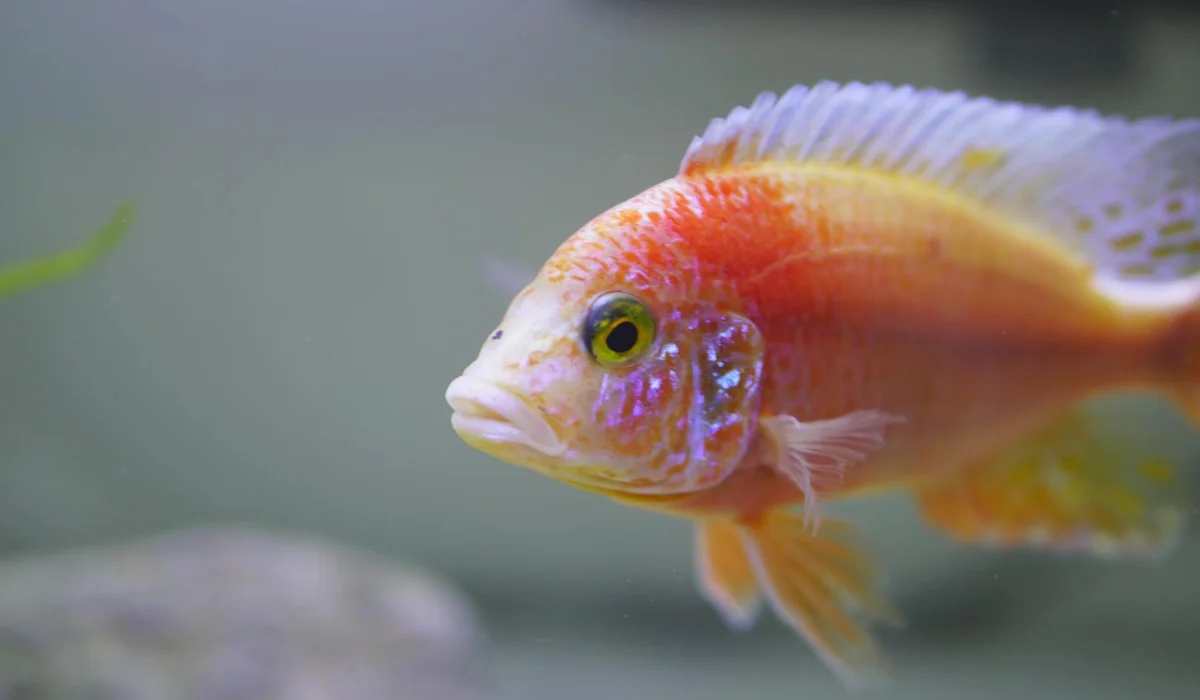
The steady hum of a tropical tank feels different from the gentle stillness of a cold water setup, and the gear you need reflects that. Your choice between cold water and tropical fish dictates almost every piece of equipment you’ll buy.
Temperature: The Great Divider
This is the most fundamental difference. Consistency is everything.
- Cold Water: 60-75°F (15-24°C). Many common cold water fish, like Goldfish, are comfortable at room temperature, but their metabolism and waste production fluctuate wildly with the temp.
- Tropical: 75-80°F (24-27°C). This stable, warm environment requires a heater. It keeps fish metabolisms steady and supports vibrant health.
Essential Equipment Breakdown
Your shopping list will look quite different depending on your path.
- Heaters: Non-negotiable for tropical tanks. I always use two smaller heaters instead of one large one for redundancy. If one fails, the other keeps the tank from turning into a fish popsicle.
- Chillers: Rarely needed for home cold water aquariums unless your room temperature consistently exceeds 75°F. They are expensive and more common in ponds or specialized setups.
- Filtration: Cold water fish like Goldies are notoriously messy. You need a filter rated for a tank at least twice the size of your aquarium to handle their bioload. Tropical communities can often use a filter rated for the tank’s actual volume.
- Lighting: This is more about your plants than your fish. Both tank types can use the same LED plant lights if you’re growing live flora.
- Cycling: The nitrogen cycle works the same way, but it can be slower in colder water. The bacteria are less active. A tropical tank often cycles faster due to the warmer, more bacteria-friendly environment.
Step-by-Step Tank Setup
Setting Up a Tropical Tank
- Choose your tank and stand, ensuring it can hold the weight.
- Rinse your substrate and hardscape (rocks, wood) and arrange them.
- Install your filter and heater, but don’t plug them in yet.
- Fill the tank with dechlorinated water.
- Turn on the filter and set your heater to 78°F.
- Begin the fishless cycling process, testing ammonia, nitrite, and nitrate daily.
- Once ammonia and nitrite read zero, you can slowly add your first fish.
Setting Up a Cold Water Tank
- Select a tank. For Goldfish, start with a minimum of 20-30 gallons for the first fish.
- Rinse a coarse, sandy substrate that won’t trap debris.
- Install an overpowered filter-think one rated for 50 gallons on a 20-gallon tank.
- Fill with dechlorinated water. A heater is not required.
- Start the filter and begin the fishless cycle. Be patient, as it may take longer.
- After the cycle completes, acclimate your fish carefully.
Water Parameters and Chemistry
Water chemistry doesn’t change based on temperature preference, but fish sensitivity to it does. The shimmer of a healthy fish’s scales is a direct reflection of your water’s quality.
Ammonia and nitrite are toxic to all fish, period. But warm water holds less dissolved oxygen, so tropical fish can be more stressed by these toxins. Nitrates should be kept below 20 ppm for most tropical species, but cold water fish like Goldfish are even more sensitive and do best below 10 ppm.
pH levels vary by species, not temperature type. Many tetras prefer slightly soft, acidic water, while African Cichlids need hard, alkaline water. The key is stability; a pH that swings is more dangerous than a pH that is slightly “wrong.” Test your water weekly with a liquid test kit. If your tap water is very soft, adding a bag of crushed coral to your filter can gently buffer the pH and increase hardness for species that need it.
Choosing Fish Based on Your Lifestyle
Be honest with yourself about the time and money you can invest. Your aquarium should be a joy, not a chore.
Cold water setups often seem cheaper because you skip the heater, but that’s a trap. The fish themselves, like fancy Goldfish, can be expensive, and they require massive filtration and larger tanks, which drives up the initial cost. Tropical fish offer more variety in smaller, more manageable packages. Moreover, when budgeting for any aquarium, it’s crucial to understand all associated expenses to ensure you’re prepared in the long run. You can read more about the cost of setting up a fish tank to make informed decisions.
Think about maintenance. A heavily stocked Goldfish tank needs significant weekly water changes. A lightly stocked tropical community might only need a 25% change every other week. Feeding is similar, but overfeeding a cold water tank in a warm room can quickly spoil the water.
Which Fish Type is Your Perfect Match?
Ask yourself these questions:
- Do you have space for a large tank (30+ gallons) or are you limited to a small desktop aquarium?
- Is your home’s ambient temperature stable, or does it get very warm in summer and cold in winter?
- How much time can you dedicate to weekly maintenance? 30 minutes or over an hour?
- Are you fascinated by the intense colors of neon tetras or the graceful movement of a single fancy Goldfish?
- Is your goal a lush, planted aquascape or a simpler, hardier setup?
Species Selection for Small Tanks
For tanks under 10 gallons, your options are limited, and this is where the tropical world really shines. A small tank is a small volume of water, and that means water parameters can change in minutes.
Cold Water for Small Tanks: The honest truth is, there are very few suitable options. White Cloud Mountain Minnows are the standout exception and can thrive in an unheated 10-gallon tank. Please do not put a Goldfish in a small tank; it stunts their growth and leads to a short, unhealthy life.
Tropical Fish for Small Tanks: This is your sweet spot.
- A single Betta fish in a filtered, heated 5-gallon tank.
- A small school of Ember Tetras or Chili Rasboras in a heavily planted 10-gallon.
- A group of 6-8 Pygmy Corydoras, the tiny, adorable bottom dwellers.
- A pair of Dwarf Sparkling Gouramis for a nano tank with personality.
To prevent overcrowding, focus on the adult size of the fish, not the size you buy them at. Live plants are not just decorative; they are your best tool for consuming nitrates and keeping a small tank stable. A simple Anubias or Java Fern attached to a piece of driftwood can make a world of difference.
Care and Maintenance Routines
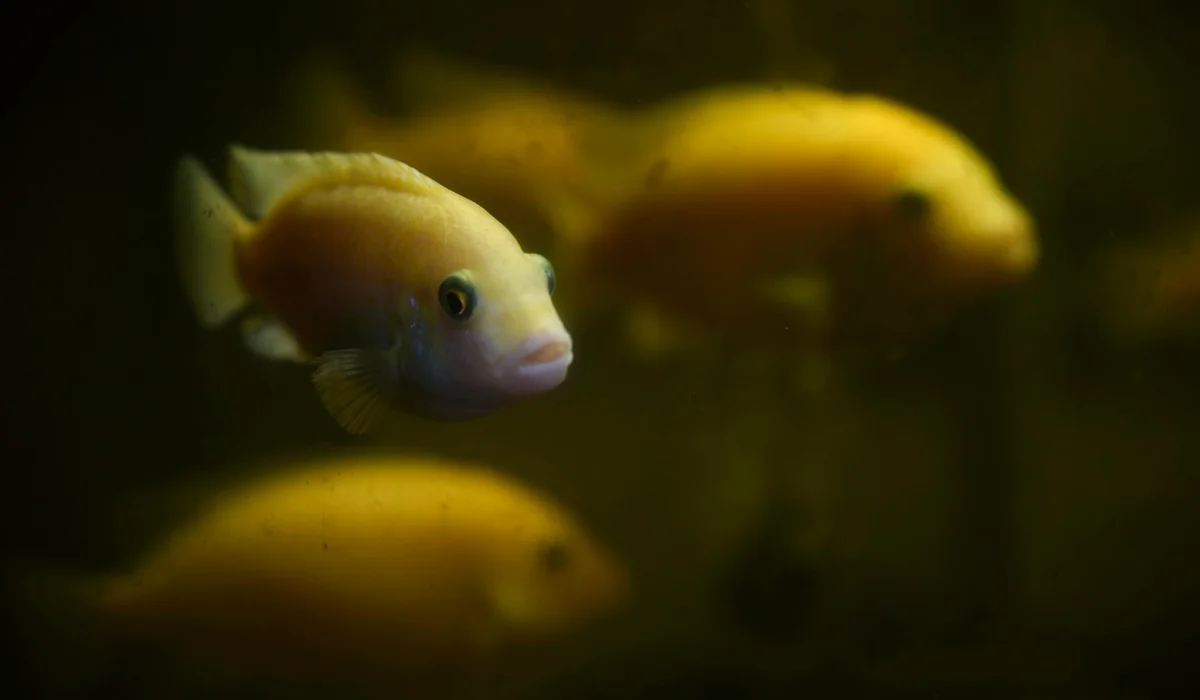
Your daily and weekly routines are the heartbeat of a healthy tank. A consistent schedule prevents problems before they even start.
Daily and Weekly Tasks
- Daily: Feed your fish small amounts 1-2 times daily, observe all fish for active swimming and normal behavior, and check that the heater and filter are running.
- Weekly: Perform a 10-25% water change, siphon waste from the substrate, and wipe algae from the glass. Clean your filter media in the water you removed, never under the tap, to preserve beneficial bacteria.
Disease Prevention Through Stability
Fish are most vulnerable to illness like ich or fin rot when they are stressed. A stable temperature is one of the simplest and most powerful ways to keep your fish’s immune system strong. Tropical tanks need a reliable heater to maintain their narrow range, while cold water tanks must be kept away from direct sunlight and drafts to avoid sudden drops or spikes.
How to Acclimate New Fish
Never just dump a new fish into your tank. Follow these steps to prevent temperature and pH shock.
- Float the sealed bag in your aquarium for 15 minutes to equalize the temperature.
- Every 10 minutes for the next 40-60 minutes, add a half-cup of your tank water to the bag.
- After an hour, gently net the fish from the bag and release it into your tank. Discard the bag water to avoid introducing any contaminants.
Feeding Tips for Healthier Fish
Nutrition isn’t one-size-fits-all. Choosing the right food for your fish’s mouth size and metabolism is a game-changer for their health.
- Cold Water Diets: Goldfish like my Goldie are messy grazers. They thrive on sinking pellets and gel foods designed for them, along with blanched veggies. Their metabolism is slower, so they need less protein.
- Tropical Diets: These fish, like bettas and tetras, are often more carnivorous. They need high-quality flakes or micro-pallets. My betta, Captain Fin, gets a mix of betta-specific pellets and frozen bloodworms.
Overfeeding is the top beginner mistake. Uneaten food decays into ammonia, creating a toxic environment and fueling algae blooms. If you see food sitting on the bottom after five minutes, you’ve fed too much. A hungry fish is a healthy fish.
Creating a Harmonious Aquascape
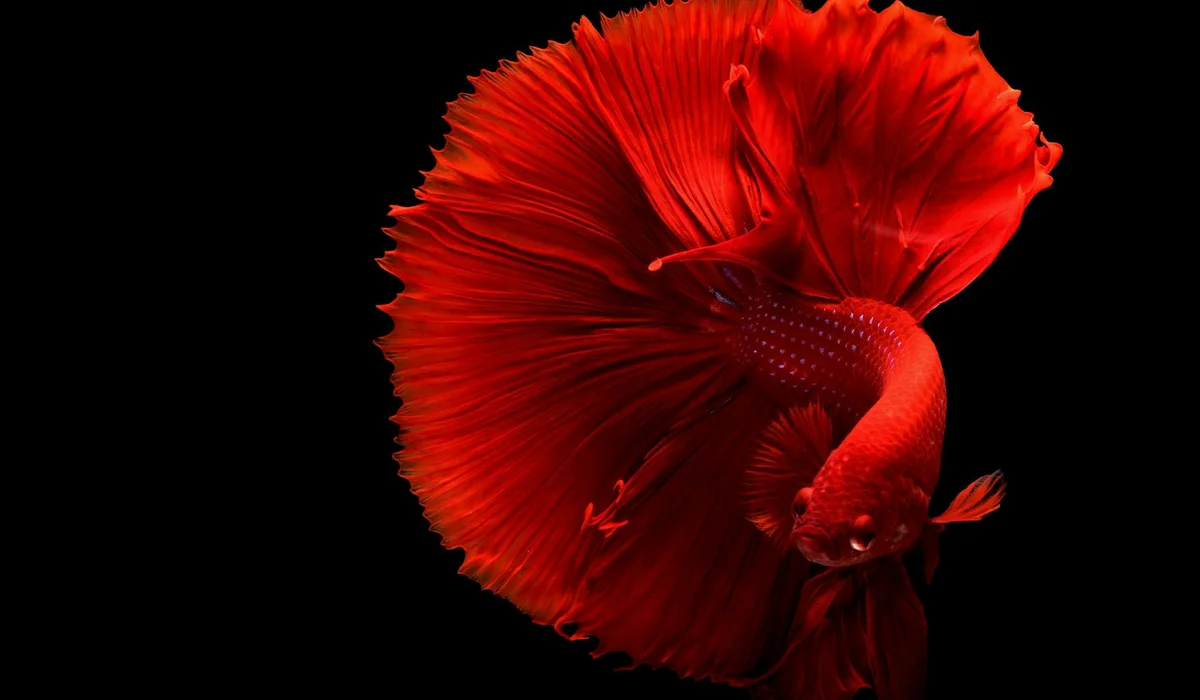
An aquascape is more than just decoration; it’s your fish’s entire world. The right layout reduces stress, prevents aggression, and mimics their natural home. These are the core principles of aquascaping design: balance, focal points, rhythm, and scale. When you apply them, your layout becomes healthier for fish and more cohesive for the eye.
Plant and Decoration Choices
Tropical tanks can support a lush jungle of delicate plants like Rotala and Amazon Swords that need warm, stable temperatures. Cold water tanks do better with hardy plants like Java Fern, Anubias, and Hornwort that can handle cooler, more variable conditions. For a deeper dive, see our complete guide on choosing the best plants for your aquarium. It covers plant requirements, lighting, and temperature needs for both tropical and cold-water setups.
Fish Compatibility
Mixing the wrong fish is a recipe for disaster. Always research temperament and adult size, not just water parameters. When stocking a community tank, choose compatible fish. Look for species with compatible temperaments, sizes, and water needs. Peaceful, schooling fish like White Cloud Mountain Minnows can live with goldfish. Many tropical community fish, like Neon Tetras and Corydoras catfish, coexist perfectly because they occupy different tank levels.
DIY Aquascaping Hacks
You don’t need a big budget for a natural look. I love creating caves by stacking slate rocks with aquarium-safe silicone. A piece of spiderwood can become an instant centerpiece. Boil any wood or rocks you find for 20 minutes to sterilize them before adding to your tank.
Community Tank Do’s and Don’ts
- DO choose fish with similar temperature and pH requirements.
- DO provide plenty of hiding spots with plants and decor to break lines of sight.
- DON’T mix fin-nippers like some barbs with long-finned fish like bettas.
- DON’T overcrowd the tank. A good rule is one inch of adult fish per gallon, but always err on the side of less.
Balancing Your Tank’s Ecosystem
A balanced tank almost runs itself. Live plants are your best ally, acting as a natural filter by consuming nitrates and providing oxygen. They also offer crucial hiding places for shy bottom-dwellers like my Corydoras, Shadow.
Test your water weekly with a liquid test kit. Your goal is zero ammonia, zero nitrites, and nitrates below 20 ppm. If nitrates climb, it’s time for a water change. If pH drifts, use natural methods like Indian Almond Leaves to lower it or crushed coral in your filter to raise it slowly.
FAQs
What are the best cold water fish for beginners?
Cold water fish like White Cloud Mountain Minnows and Zebra Danios are ideal for beginners due to their hardiness and low equipment needs. They thrive at room temperature without a heater and are tolerant of minor water parameter fluctuations. These species are active and easy to care for, making them perfect for those new to aquarium keeping. In the freshwater vs saltwater beginner debate, these hardy freshwater fish illustrate why many hobbyists start with freshwater. Freshwater setups tend to be simpler to configure and maintain, making them the usual entry point for newcomers.
Can cold water fish live in small tanks?
Yes, but options are limited; White Cloud Mountain Minnows are a great choice for tanks as small as 10 gallons. Avoid species like goldfish, which require much larger tanks due to their size and waste production. Always research adult sizes to prevent overcrowding and ensure a healthy environment.
What equipment is essential for a cold water fish tank?
A powerful filter is crucial, as cold water fish like goldfish produce more waste, so opt for one rated for a larger tank. While a heater isn’t needed, ensure stable room temperatures between 60-72°F. Regular water testing kits and a siphon for cleaning are also key to maintaining water quality. If you’re wondering whether you need a filter in a fish tank, the answer is yes—the right filter is essential for keeping water clean. Without it, waste builds up and can quickly foul the water, especially in goldfish tanks.
Where can I find cold water fish for sale?
Cold water fish are available at local pet stores, specialized aquarium shops, and online retailers. Look for reputable sellers that prioritize fish health and provide information on species care. Always inspect fish for signs of illness before purchasing to ensure you bring home healthy pets.
Your Tank, Your Choice
The right fish for you depends entirely on your available space and the level of maintenance you’re ready for. Cold water species often need more water volume to thrive, while tropical setups demand consistent warmth and monitoring. Understanding these differences helps you tailor your tank setup—from heater and filtration choices to maintaining stable temperatures. These practical setup tips clarify what coldwater vs tropical tanks need.
Remember, choosing a fish is a commitment to its entire lifespan, so always research before you buy. The most rewarding part of this hobby is the journey of learning and creating a healthy, beautiful ecosystem.
Further Reading & Sources
- Tropical vs. Cold Water Fish: A Beginner’s Guide – PetHelpful
- r/Aquariums on Reddit: Is it easier to keep tropical or cold water fish?
- Cold water or tropical fish: Which is best for you? – Rookes Pet Products
- What is the Difference between Coldwater, Tropical and Marine? – Aquatechniques
- Choosing Between Cold Water and Tropical Aquariums: What’s Best for Yo – Superpet Limited
Lia is an expert in aquarium and pet fish care. Having worked in the marine industry and having cared for multiple pet fish, she has acquired first hand expertise on aquarium care, maintenance and setup. She always brings her practical expertise and science to help solve any aquarium related queries.
Fish Species