
The Impossible Captive: Why No Aquarium Has a Great White Shark
Hello fellow fish keepers. You’ve marveled at them on screen, those powerful, perfect predators of the deep, and maybe you’ve wondered why you’ve never seen one gliding behind thick acrylic panels. The absence of a great white in any aquarium tank is one of the ocean’s most telling secrets.
This guide pulls back the curtain on this mystery, covering:
their immense biological demands, the disastrous history of past attempts, and the ethical shift that now keeps them in the wild.
My years maintaining complex aquatic ecosystems have given me a deep respect for the fine line between a thriving habitat and an impossible captivity.
The Immense Space and Ocean-Scale Habitat Needs
Migration: The Unmatched Journey
Great white sharks are not just swimmers; they are epic travelers covering thousands of miles each year. I’ve kept fish that patrol a 50-gallon tank, but a great white might journey from the cool waters of California to the warm currents near Hawaii. This constant movement is hardwired into their biology for finding food, mating, and regulating body temperature. In an aquarium, no matter how large, they can’t fulfill this innate need to roam. Their enormous size and migratory habits would require an ocean-sized tank, which is neither practical nor ethical in captivity. This is why great whites are not kept in aquariums.
Think of it like a bird that must fly south for winter-if you cage it, it withers. Great whites use ocean currents and magnetic fields to navigate vast distances. Captivity strips away this natural GPS, leading to disorientation and chronic stress. Even the most advanced tanks can’t replicate the dynamic, open-water environment they crave.
Tank Size vs. Reality
The largest aquarium tanks globally hold around 1-2 million gallons, but that’s a puddle compared to the ocean. Great whites grow over 20 feet long and weigh up to 5,000 pounds. They need room to accelerate, turn sharply, and cruise at speeds of 15 miles per hour. In a tank, they’d be like a racecar stuck in a parking lot.
Water volume isn’t the only issue-depth matters too. These sharks dive hundreds of feet deep in the wild. Most aquariums max out at 30-40 feet deep, which feels claustrophobic for a pelagic predator. Even temperature control is tricky; great whites thrive in specific ranges from 54°F to 75°F, and maintaining that in a confined space is a constant battle.
- Largest public aquariums: 1-2 million gallons
- Ocean territory of a great white: Millions of cubic miles
- Minimum turning radius for an adult: Over 50 feet
Behavioral Stress and Natural Instincts in Captivity
The Impact of Confinement on Feeding
In the wild, great whites hunt with bursts of speed and precision, sensing electrical fields from prey. I’ve seen captive fish lose interest in food when stressed, and for sharks, it’s worse. They often refuse to eat in tanks, leading to rapid weight loss and organ failure. Their instinct to chase live prey is suppressed in a sterile environment.
Feeding routines in aquariums usually involve dead fish, but great whites are built for the thrill of the hunt. Without that stimulation, they become lethargic and may even injure themselves by bumping into walls. This isn’t just pickiness-it’s a survival mechanism gone haywire.
Water quality plays a role too. In small spaces, waste builds up fast, affecting pH and oxygen levels. Even with top-tier filtration, you can’t mimic the ocean’s self-cleaning currents that keep sharks healthy. It’s why attempts to keep them rarely last more than a few months.
Health Risks and High Mortality Rates
Seawater Chemistry and Oxygen Challenges
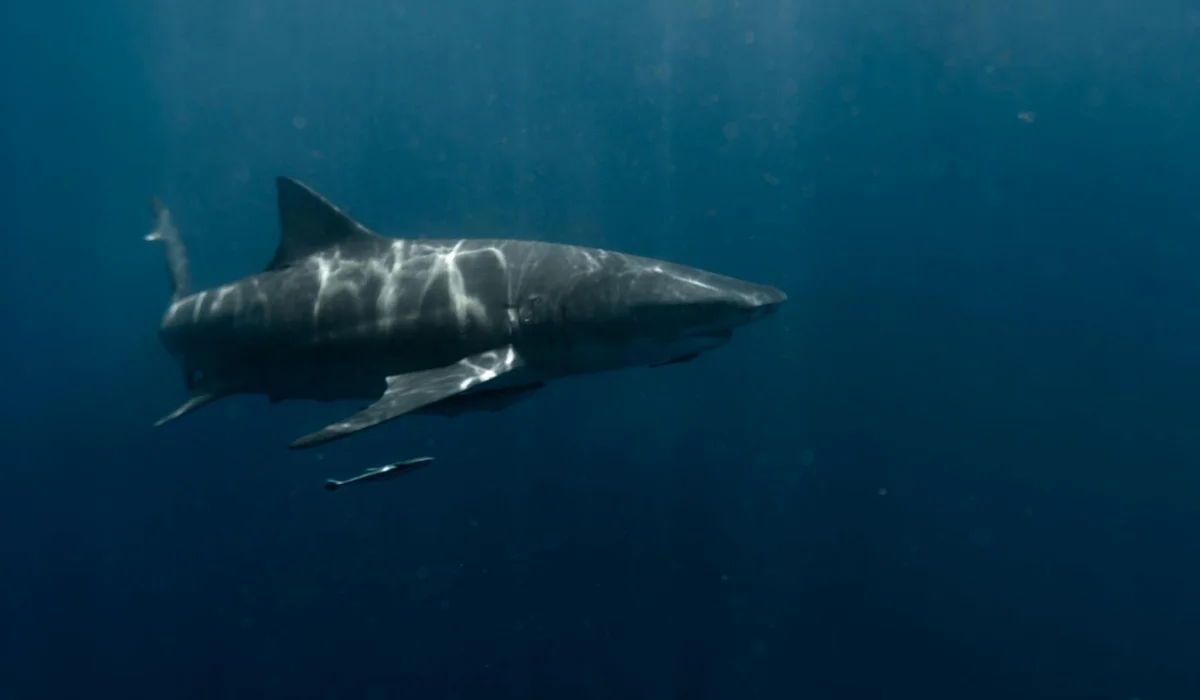
Great white sharks are not just big fish; they are oceanic athletes that require a perfect, moving environment. The first major hurdle is replicating their natural seawater chemistry. Maintaining the precise salinity, pH, and trace mineral balance of the open ocean in a closed system is a monumental, constant battle. Even minor fluctuations that a clownfish might tolerate can be fatally stressful for a sensitive great white. In home aquariums, the most common signs of stress in aquarium fish are quick gill movements and hiding, signaling that something in the environment needs attention. Other common signs include loss of appetite or erratic swimming.
Their most famous need is for oxygen, and lots of it. A great white must swim forward almost constantly to push oxygen-rich water over its gills in a process called ram ventilation. No aquarium tank, no matter how large, provides the endless, open highway these sharks need to simply breathe. This naturally leads to the question: do you need a filter in a fish tank? A filter helps maintain water quality and oxygenation, but it can’t substitute the ocean’s currents these sharks rely on. The low hum of pumps and filters can’t replace the force of ocean currents. They often stop swimming in captivity, a clear sign of distress that quickly leads to oxygen deprivation and organ failure.
Beyond the water itself, the physical confinement is a predator’s nightmare. Imagine a creature used to roaming thousands of miles constantly bumping into the same walls. The stress of confinement suppresses their immune system, leaving them vulnerable to infections and parasites they would easily fight off in the wild. Their sensitive skin and snout become abraded from minor contact with tank surfaces, creating open wounds.
Ethical Concerns and Animal Welfare
Conservation and Public Safety
From an ethical standpoint, the brief, troubled life of a captive great white raises serious questions. Is the fleeting public spectacle worth the certain suffering and death of an endangered, ecologically vital animal? These are not domesticated creatures; they are apex predators hardwired for a life we simply cannot provide in a glass box. The practice of capturing them, even for a short time, is now widely seen as outdated and harmful.
Great white sharks are classified as Vulnerable, and every individual is critical to the health of the ocean ecosystem. Removing a breeding-age shark from the wild has a direct, negative impact on the entire population’s chance of recovery. Releasing aquarium plants into the wild can spread invasive species and diseases. Protecting native ecosystems means keeping captive plants out of natural waters. The goal has shifted from display to preservation, focusing on protecting their natural habitats through research and conservation efforts.
Public safety is another layer to this complex issue. Housing a massive, powerful predator comes with inherent risks. The sheer force a great white can generate makes any viewing window or tank seam a potential failure point, a risk no modern facility is willing to take. It’s safer and more responsible for everyone-the public, the staff, and the sharks-to admire these magnificent animals through documentaries and responsible ecotourism.
Legal Restrictions and Financial Costs
Great white sharks are protected by international laws like CITES, which strictly limit their capture and trade due to their vulnerable status. These legal barriers make it nearly impossible for aquariums to obtain great whites without facing hefty fines or public backlash. In many coastal regions, local regulations also ban the taking of these apex predators to support conservation efforts. Similarly, debates around beluga whales in aquariums often hinge on where facilities can be located and how they are designed to meet welfare standards. These ethics—about captivity, enrichment, and the impact on wild populations—shape public opinion and policy as much as legal protections do for great whites.
From my years in the hobby, I’ve seen how ethics play a big role; aquariums that once tried housing great whites often faced protests over animal welfare. Public opinion has shifted to favor leaving such majestic creatures in their natural habitats, where they can roam freely. This legal and ethical landscape means that even well-funded institutions think twice before attempting it.
Financial Feasibility for Aquariums
Building a tank for a great white shark isn’t just about size-it’s about replicating the open ocean, which demands a volume of at least 1 million gallons and specialized systems. The initial setup alone can cost tens of millions of dollars, far beyond what most aquariums can justify for one species. You’d need custom filtration to handle the waste and water flow that mimics their migratory paths.
Operating costs are staggering; great whites require constant monitoring, a diet of fresh fish, and energy-intensive temperature control between 12-24°C (54-75°F). In my experience, maintaining a stable environment for sensitive fish is tough, but for a great white, any slip in water quality could be fatal. Most aquariums find it smarter to invest in species that don’t drain resources so heavily.
- Capture and transport expenses often exceed $100,000, with high mortality rates during the process.
- Ongoing costs include veterinary care, specialized staff, and backup power systems for life support.
- Revenue from visitors rarely covers these outlays, making it a poor financial bet long-term.
Sharks That Thrive in Aquarium Settings
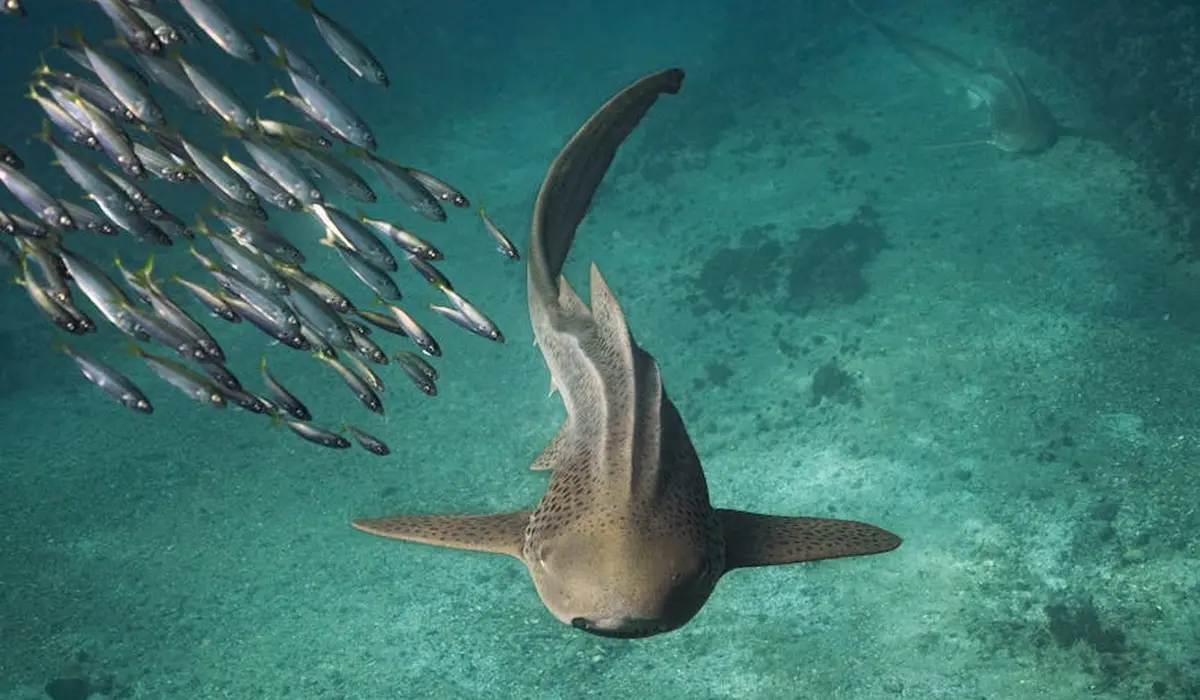
While great whites are off the table, many smaller sharks adapt beautifully to aquarium life, like the gentle nurse shark or the hardy bamboo shark. I’ve kept bamboo sharks in my own tanks, and their calm demeanor makes them a joy to observe as they rest on the substrate. These species are common in public aquariums because they don’t need vast spaces to stay healthy. For home setups, consult a bamboo safe aquariums guide for tank size, filtration, water parameters, and feeding routines. Following it helps ensure a stable, low-stress environment for them.
Other popular choices include epaulette sharks, known for “walking” on their fins, and cat sharks, which are often bred in captivity. Their manageable size-usually under 3 feet-and slower metabolism allow them to flourish in tanks as small as 180 gallons with proper care. You’ll see them gliding through rock formations, adding dynamic movement without the stress seen in larger sharks.
- Nurse sharks: Docile bottom-dwellers that tolerate a range of water conditions.
- Bamboo sharks: Easy to feed and breed, ideal for hobbyists with larger setups.
- Zebra sharks: Striking patterns and adaptable behavior, often seen in displays.
Why Some Sharks Adapt Better
Smaller sharks like those listed have evolved to handle confined spaces, with slower growth rates and less migratory instinct than great whites. Their biology suits captivity; for instance, many are benthic, meaning they spend most of their time near the bottom, reducing the need for immense swimming areas. I’ve noticed that species with lower oxygen demands and flexible diets integrate smoothly into community tanks. That said, do choose the right aquarium size for your fish species to ensure they have space to grow and thrive. Always check the recommended tank size for any species before setting up a tank.
Water parameters are easier to maintain for these sharks; they thrive in pH levels of 8.1-8.4 and temperatures around 22-26°C (72-79°F), similar to many reef systems. By choosing sharks that naturally inhabit caves or reefs, you can create a stable ecosystem with live rock and sand beds that support their hiding behaviors. This reduces stress and promotes natural activities like foraging.
- Size and space: Smaller species require less room, fitting standard large aquariums.
- Diet flexibility: They accept prepared foods, unlike great whites that need live prey.
- Resilience to handling: Many adapt to human interaction and routine maintenance.
FAQs
Has the Georgia Aquarium ever housed a great white shark?
No, the Georgia Aquarium has never exhibited a great white shark. They focus on species that thrive in captivity, like whale sharks, which are better suited to large tank environments. Great whites pose too many risks and challenges for any modern aquarium to attempt housing them. This topic also ties into the broader debate over keeping monster fish in home aquariums.
What are some notable incidents of great white sharks in aquariums?
One well-documented incident involved the Monterey Bay Aquarium, which kept a great white for 198 days in 2004 before releasing it due to health decline. Other attempts, like in Japan and South Africa, ended quickly with sharks dying from stress or refusing to eat. These failures highlight why no aquarium today risks such exhibits, especially given the challenges of maintaining marine life in captivity.
Is it possible to buy tickets to see a great white shark in an aquarium?
No, tickets for viewing a great white shark in an aquarium are not available anywhere in the world. Past temporary displays have all been discontinued due to ethical concerns and high mortality rates. Instead, aquariums offer exhibits with shark species that adapt well to captivity.
Why did attempts to keep great white sharks in countries like Japan and Australia fail?
Attempts in Japan and Australia failed because great whites could not handle confinement, leading to rapid health issues like organ failure and infections. The sharks often stopped swimming, causing oxygen deprivation, and refused to eat in sterile tank environments. These outcomes reinforced global policies against capturing them for display, especially when considering the broader ethical concerns of wild-caught versus captive-bred fish.
The Takeaway
The core lesson is simple: some of the ocean’s most magnificent creatures, like the great white shark, are not meant for a glass box. Their biological needs for space and constant movement are so immense that no aquarium on Earth can truly replicate the freedom of the open ocean.
This understanding should guide all our fishkeeping choices, pushing us to always research a species’ full adult size and natural behavior before bringing it home. The most rewarding aquarium is one that prioritizes the long-term health and happiness of its inhabitants, fostering a thriving micro-ecosystem in your own living space.
Further Reading & Sources
- How do many famous aquariums keep great whites in captivity? – Quora
- Why Great White Sharks Can’t Be Kept in Captivity | Shark Bookings
- r/explainlikeimfive on Reddit: Eli5 why are there no Great White Sharks in captivity?
- Great white shark – Wikipedia
- Why can’t you see a Great White Shark in captivity? | Seabreeze
Lia is an expert in aquarium and pet fish care. Having worked in the marine industry and having cared for multiple pet fish, she has acquired first hand expertise on aquarium care, maintenance and setup. She always brings her practical expertise and science to help solve any aquarium related queries.
Fish Species