
Test Your Water, Save Your Fish: A Keeper’s Guide to Water Parameters
Hello fellow fish keepers. That exciting moment is here-you’re about to add a beautiful new fish to your aquarium. I know the mix of anticipation and nervousness, wondering if your tank is truly ready to welcome its new resident.
This guide will walk you through the exact water parameters you must check to ensure a safe transition. We will cover:
The Big Three: Ammonia, Nitrite, and Nitrate
Getting the pH and General Hardness (GH) just right
Why Carbonate Hardness (KH) is your stability anchor
The crucial final check of temperature and chlorine levels
I’ve spent years running high-tech planted tanks and breeding sensitive fish, learning these water lessons through both success and heartbreak.
Why Testing Your Water is a Non-Negotiable First Step
Imagine bringing a new fish home, full of excitement, only to introduce it to a toxic environment. That crystal-clear water can be deceiving. Testing your water is the single most important action you can take to ensure your new fish doesn’t suffer from shock, poisoning, or a swift, untimely death. It’s the difference between guessing and knowing exactly what you’re asking your new pet to live in.
Your tank might look pristine, but harmful substances like ammonia are completely invisible to our eyes. I learned this the hard way years ago, trusting a “clean-looking” tank only to lose a beautiful fish within hours. Testing is your only window into the true, chemical state of your aquarium’s water. Regular cleaning and maintenance—gravel vacuums, glass cleaning, filter care, and routine water changes—are essential to keep ammonia and other wastes in check. This routine makes testing a proactive safeguard rather than a last-ditch check. Skipping this step is like driving a car with a blindfold on; you might be okay for a bit, but the risk is immense and entirely unnecessary.
The Core Four: Ammonia, Nitrite, Nitrate, and pH
While you can test for many things, these four parameters form the foundation of a healthy aquarium. By regularly testing and monitoring these essential water quality parameters—ammonia, nitrite, nitrate, and pH—you’ll have a clear handle on tank conditions. Using a reliable test kit or monitor makes this process quick and straightforward. Getting these right solves about 90% of potential water quality issues before your new fish even gets wet.
- Ammonia: The primary waste product, highly toxic.
- Nitrite: The intermediate breakdown product, also toxic.
- Nitrate: The final product, toxic in high concentrations.
- pH: A measure of your water’s acidity or alkalinity.
Ammonia and Nitrite: The Invisible Threats
Ammonia comes from fish waste, decaying food, and plant matter. Even at low levels, it burns a fish’s gills, making it hard to breathe. Nitrite is just as dangerous; it enters the bloodstream and blocks the fish’s ability to carry oxygen. For any new fish, your goal is always zero. Not “almost zero,” but a perfect 0 ppm (parts per million) for both ammonia and nitrite.
If you detect any amount of these, your tank is not ready for new life. This means your tank’s biological filter, the colony of beneficial bacteria, is either not established or has been compromised. The presence of these two chemicals is the most common cause of “New Tank Syndrome,” a fatal condition for new arrivals. You must address this through a fishless cycle or by stabilizing your existing filter before even thinking about a new fish.
Nitrate: The Long-Term Management Game
Nitrate is the end result of the nitrogen cycle. While far less toxic than its predecessors, it acts as a slow poison, stressing fish and compromising their immune systems over time. For most community fish, you want to keep nitrates well below 40 ppm, and ideally under 20 ppm, before adding a new specimen.
I personally aim for under 10 ppm for my sensitive species like Captain Fin, my betta. High nitrate is a primary driver of chronic algae blooms. Regular water changes are your best weapon for controlling nitrate buildup and keeping your aquatic ecosystem in balance. If your test shows high nitrate, perform a 25-50% water change and retest before introducing a new fish.
pH: Finding Your Fish’s Comfort Zone
pH measures how acidic or basic your water is on a scale of 0 to 14, with 7 being neutral. A stable pH is often more critical than chasing a “perfect” number. A sudden pH swing is incredibly stressful for fish, so your main goal is consistency above all else.
Most common aquarium fish are adaptable and can thrive in a range from 6.5 to 7.8. My corydoras, Shadow, does great in my slightly acidic 6.8 water. Research your specific new fish’s needs; some, like African Cichlids, require a very high (alkaline) pH, while others, like Discus, need a low (acidic) one. Trying to drastically alter your pH with chemicals usually causes more instability than it solves.
Temperature, Hardness, and Alkalinity (KH)
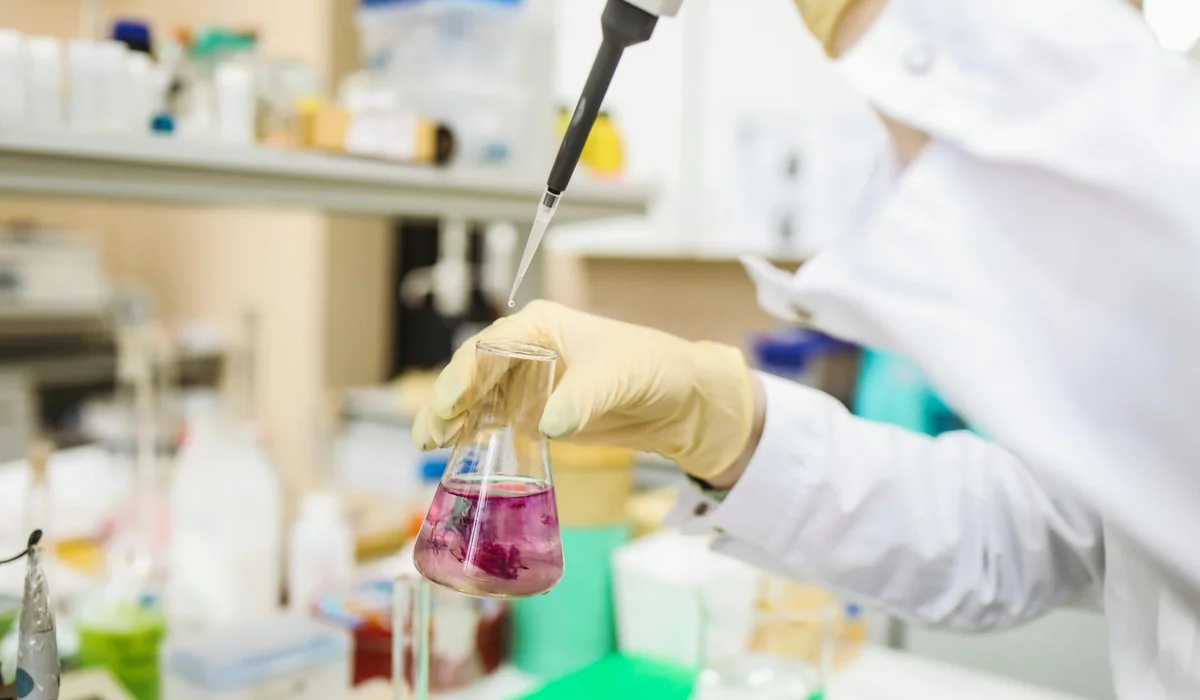
Think of your tank’s water as more than just H2O; it’s a complete living environment. While ammonia and nitrite get most of the attention, the physical properties of the water are just as critical for your fish’s long-term health and comfort. In this guide, we’ll explain the essential aquarium water parameters—pH, ammonia, and nitrates—and what they mean for your tank.
Getting to Know GH and KH
These two acronyms can be confusing, but they represent fundamental qualities of your water. General Hardness (GH) measures the amount of calcium and magnesium dissolved in the water. GH is what determines whether your water is “soft” or “hard,” and it’s vital for proper biological functions like bone and scale development. Understanding KH (carbonate hardness) is also important, as it buffers pH and interacts with GH. Together, GH and KH shape your aquarium’s overall water hardness and guide how you should stock and treat your tank. Fish like livebearers (guppies, mollies) and African cichlids thrive in harder water, while many tetras and discus prefer softer conditions.
Carbonate Hardness (KH), often called alkalinity, is your tank’s pH stability guard. It measures carbonates and bicarbonates that neutralize acids in the water. A healthy KH level acts like a buffer, preventing sudden, dangerous pH crashes that can shock your entire aquarium. I learned this the hard way when my KH dropped to zero, and my pH swung wildly overnight, stressing out Captain Fin. This is a core point in the complete guide to water hardness, alkalinity, and aquariums, where you’ll learn how KH affects pH stability and how to test and adjust it. Understanding KH helps you maintain safer, more predictable tank conditions for both freshwater and saltwater setups.
- Ideal GH Range: 4-8 dGH for soft water fish, 8-12+ dGH for hard water species.
- Ideal KH Range: A KH between 4-8 dKH is a great safety net for most community tanks.
- How to Adjust: To raise both GH and KH, I add a small bag of crushed coral to my filter. To lower them, you can mix your tap water with purified RO (Reverse Osmosis) water.
Checking for Contaminants: Chlorine and Heavy Metals
Your tap water is safe for you to drink because it contains disinfectants, but these same chemicals are toxic to fish. This is a non-negotiable test you must perform every single time you add new water to the tank. If the test shows dangerous levels, stop and address the issue before adding water. Use a dechlorinator for chlorine/chloramine and perform a partial water change, then retest.
Chlorine is the most common culprit, and it will burn your fish’s gills, making it impossible for them to breathe. Even a tiny amount of chlorine can cause severe damage to delicate gill tissues, leading to rapid suffocation. You can usually smell it, but a test kit is the only way to be 100% sure it’s gone.
Chloramine is a more stable cousin of chlorine used by many municipal water systems. The big problem with chloramine is that when it breaks down, it releases ammonia directly into your tank, creating a double threat. Standard dechlorinators often don’t handle chloramine; you need a conditioner that specifically neutralizes both.
Heavy metals like copper and lead can leach from old plumbing into your water supply. While not harmful to us in small doses, trace amounts of copper are lethal to invertebrates like shrimp and snails, and can harm scaleless fish like my Corydoras, Shadow. If you keep these sensitive creatures, a heavy metal test is a wise investment.
- Always Test Your Tap: Test the water straight from your tap to see what you’re starting with.
- Use a Quality Water Conditioner: Before any water touches your tank, treat it with a conditioner that removes chlorine, chloramine, and heavy metals.
- Let it Mix: After adding conditioner, let the new water circulate for at least 15 minutes before retesting to confirm it’s safe.
Matching Water to Your Fish: A Species Guide
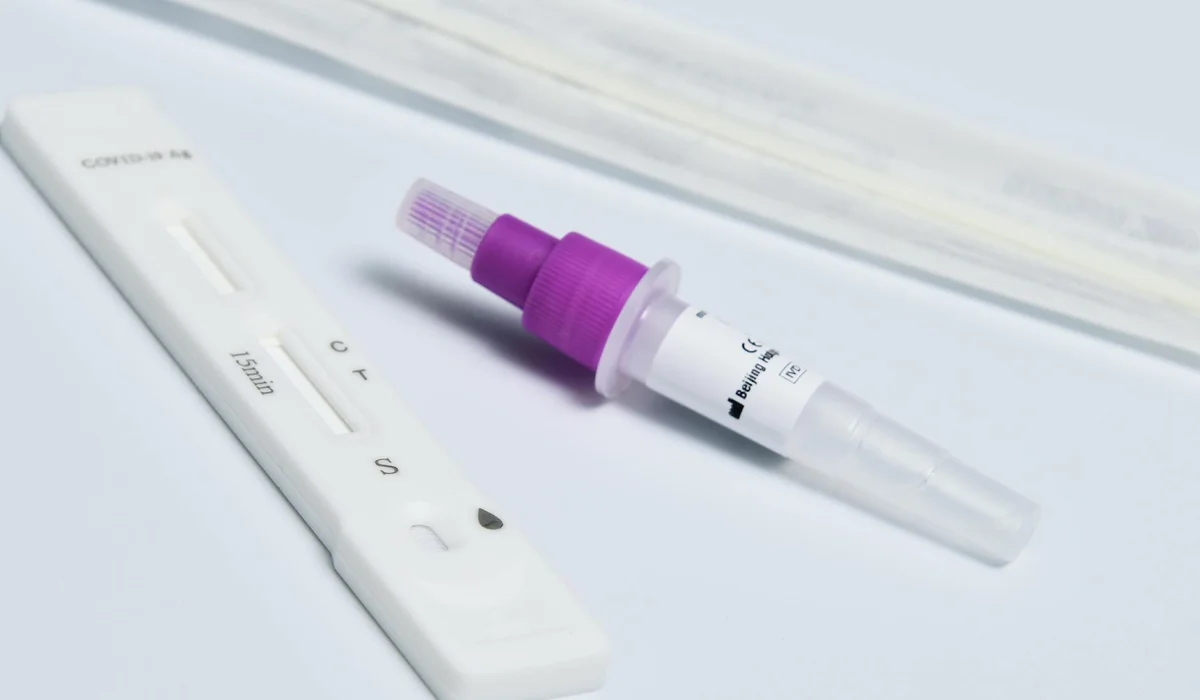
Think of water parameters like a fish’s favorite weather. Just as you wouldn’t wear a winter coat to the beach, you shouldn’t put a fish in water it isn’t built for. Getting these conditions right is the single most effective way to ensure your new fish thrives from day one.
Best Water Parameters for Betta Fish
My Betta, Captain Fin, is a perfect example of a fish that needs specific conditions. He’s stunning, but he’s not a fan of change. To see your Betta’s colors truly shimmer, aim for these numbers:
- Temperature: 78-80°F (25.5-26.5°C). They are tropical fish and get lethargic and prone to illness in cooler water.
- pH Level: Slightly acidic to neutral, between 6.5 and 7.5. Stability is more critical than a perfect number.
- General Hardness (GH): Moderate, between 3-8 dGH. Very soft water can lack essential minerals.
- Ammonia & Nitrite: A firm and absolute 0 ppm. Bettas are particularly sensitive.
I’ve found that using Indian Almond Leaves is a fantastic, natural way to gently lower pH and release beneficial tannins that mimic a Betta’s native habitat.
Best Water Parameters for Shrimp and Snails
These little cleanup crews are the canaries in the coal mine for your tank’s health. They are incredibly sensitive to water quality, especially swings in mineral content.
- General Hardness (GH): This is non-negotiable. Shrimp need calcium and magnesium for successful molting. Aim for 6-8 dGH for Neocaridina (Cherry) shrimp and 4-6 dGH for Caridina (Crystal) shrimp.
- Carbonate Hardness (KH): This stabilizes your pH. A KH of 2-5 is a good buffer for most shrimp and snails.
- pH Level: Follows KH. Neocaridina do well at 7.0-7.8, while Caridina need a more acidic 6.0-6.8.
- Copper: Must be 0. Even trace amounts from plant fertilizers or pipework are lethal to invertebrates.
If you see a failed molt (a white ring of death) on a shrimp, your first suspect should be insufficient GH.
Best Water Parameters for Goldfish and Other Community Fish
My Oranda, Goldie, and her Corydoras tankmate, Shadow, represent a typical cool-water community. They are more flexible than specialty fish, but harmony comes from finding a middle ground.
- Temperature: A cooler range of 68-74°F (20-23°C) suits goldfish best and overlaps well with many Corydoras and White Cloud Minnows.
- pH Level: Neutral is your friend here. A stable pH of 7.0-7.8 is ideal for most common community fish.
- General Hardness: Moderately hard water, between 8-12 dGH, is excellent for goldfish and helps provide essential minerals.
Goldfish are prolific waste producers, so your primary focus should always be on maintaining zero ammonia and nitrites through robust filtration and consistent partial water changes.
How to Test Your Water Like a Pro
Testing your water isn’t a chore; it’s a conversation with your aquarium. The clarity of the water can be deceiving, but the test kit tells you the real story happening beneath the surface.
Step-by-Step Liquid Test Kit Guide
- Rinse the test tube thoroughly with tap water, then give it a final rinse with a bit of tank water.
- Fill to the line with water from the middle of your tank, not the surface or substrate.
- Add the specified number of drops. Hold the bottle vertically and count carefully-one drop can change the result.
- Cap the tube and shake the living daylights out of it for the required time. Set a timer!
- Place the tube on the white part of the card and view it under natural daylight against the color chart. This last step is where most mistakes happen; proper lighting is everything for an accurate read.
Testing Frequency: Your New Routine
| Situation | What to Test | How Often |
|---|---|---|
| New Tank (Cycling) | Ammonia, Nitrite, Nitrate, pH | Every 48 Hours |
| Established Tank | Ammonia, Nitrite, Nitrate | Once a Week |
| Before Adding New Fish | Ammonia, Nitrite, Nitrate, pH, GH/KH (if needed) | Day of Purchase |
| If a Fish Seems Sick | Ammonia, Nitrite, Nitrate, pH | Immediately |
Keeping a simple logbook of your test results helps you spot trends long before they become emergencies. You’ll see if your pH is slowly dropping or your nitrates are creeping up, giving you time to correct things calmly.
Adjusting Your Water Parameters Safely
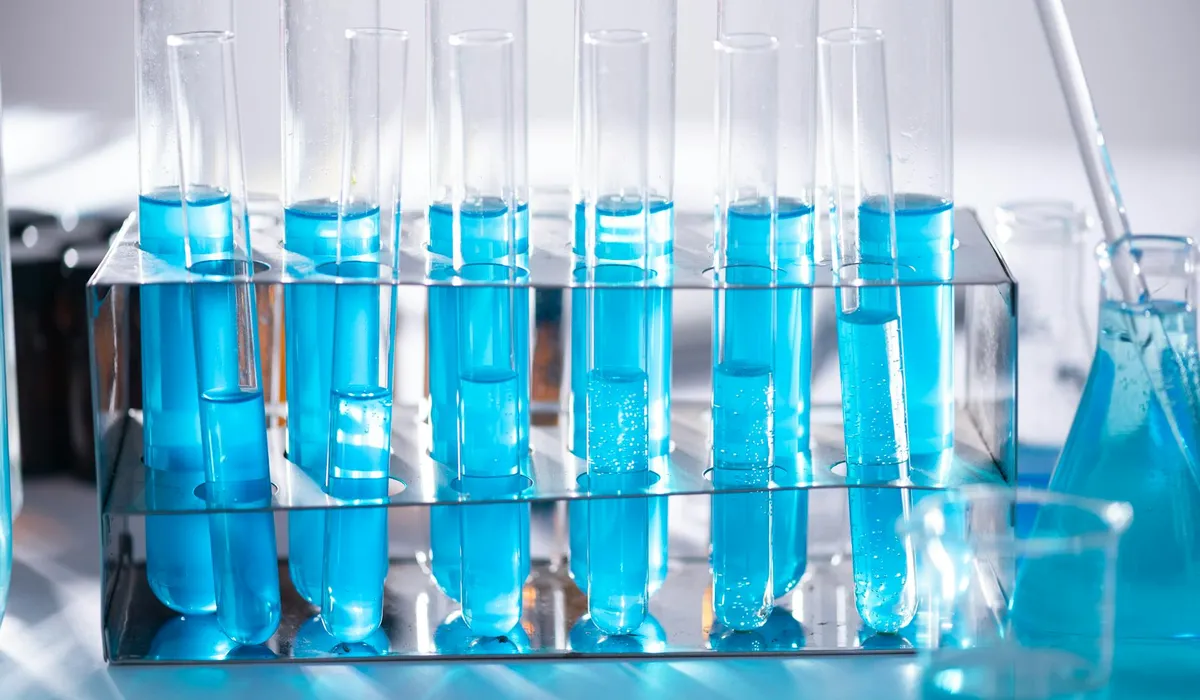
You’ve tested your water and the numbers aren’t quite where they need to be for your new fish. Don’t panic. This is a normal part of fishkeeping. The goal is to make changes slowly and thoughtfully, because stability is always more important than achieving a theoretically perfect number.
Changing pH and Hardness
If your pH is too high or low, or your water is too soft or hard, you have options. I prefer methods that work gradually over quick chemical fixes.
- To Lower pH and Soften Water: Add natural botanicals like Indian Almond Leaves or Alder Cones. They release tannins that gently acidify the water. You can also use reverse osmosis (RO) water mixed with your tap water.
- To Raise pH and Harden Water: Add crushed coral or limestone to your filter media bag. It will slowly dissolve, releasing calcium carbonate and buffering the pH.
I’ve learned the hard way that liquid pH-up/down products can cause dangerous pH swings if you’re not extremely careful. Natural methods provide a much more stable and forgiving adjustment period for your fish.
Handling Ammonia, Nitrite, or Nitrate
Finding any level of ammonia or nitrite means your tank’s biological filtration isn’t ready. You have two main paths forward — you can either test for ammonia and take appropriate measures, or continue cycling the tank until levels drop.
- For an Uncycled Tank (Ammonia/Nitrite present): You must delay adding fish. Perform a partial water change to lower the toxin levels immediately. Then, you need to focus on fishless cycling by adding a pure ammonia source to feed the beneficial bacteria.
- For a Cycled Tank with High Nitrate: A simple 25-50% water change is your best and fastest solution. Check that you aren’t overfeeding or overstocking your aquarium, as this is the most common cause.
Never use chemical “detoxifiers” as a permanent solution; they are a temporary band-aid, not a cure for an unbalanced tank. Address the root cause of the cycle issue instead.
Acclimating Your New Fish
Once your water parameters are stable and safe, it’s time to introduce your new fish. Rushing this step can shock them, undoing all your careful preparation. Common mistakes include skipping proper acclimation or adding too many fish at once. Avoiding these pitfalls protects both your new fish and the rest of the tank.
- Float the Bag: Turn off your aquarium lights to reduce stress. Float the sealed bag in your tank for 15-20 minutes to equalize the temperature.
- Drip Acclimate: This is the gold standard. Use airline tubing and a valve to create a slow siphon from your tank into the fish’s bag or a clean bucket. Aim for 2-4 drips per second for at least 45-60 minutes. This slowly matches the water chemistry.
- Net and Release: After an hour, the water in the bucket will be mostly tank water. Gently net the fish and place it into your aquarium. Never pour the water from the pet store bag into your tank; you could introduce pests or disease.
Listening to the gentle hum of the filter while you drip acclimate is part of the ritual. This patience pays off with a calm, healthy fish that adjusts to its new home without stress.
Common Questions
What is the best water parameters testing kit for an aquarium?
A high-quality liquid test kit is the most reliable choice for accurate readings. These kits measure essential parameters like ammonia, nitrite, nitrate, and pH with greater precision than test strips. Investing in a master kit, along with separate tests for GH and KH, gives you a complete picture of your tank’s health.
What are the best water parameters for cherry shrimp?
Cherry shrimp thrive in stable water with a focus on mineral content. The ideal General Hardness (GH) is 6-8 dGH to support successful molting, and a Carbonate Hardness (KH) of 2-5 helps stabilize the pH around neutral (7.0-7.8). It is absolutely critical to ensure there is zero ammonia, nitrite, and copper in the water.
What are the best water parameters for nerite snails?
Nerite snails require harder, more alkaline water to maintain their shells. Aim for a higher General Hardness (GH) of 8-12 dGH and a Carbonate Hardness (KH) of 4-8 dKH to support shell integrity and buffer the pH above 7.0. Like all invertebrates, they are extremely sensitive to copper and require it to be at zero.
Are drinking water test parameters the same as for an aquarium?
No, the parameters for safe drinking water are very different from what is required for a healthy aquarium. Tap water is treated with chlorine or chloramine to make it safe for humans, but these are toxic to fish and must be removed. Furthermore, the presence of beneficial bacteria and a stable nitrogen cycle are essential for an aquarium but irrelevant for drinking water. For the best water for your aquarium, most hobbyists rely on dechlorinated tap water or RO/DI purified water. They then adjust minerals and pH to suit their stock.
Your Path to a Thriving Aquarium
Before any new fish arrives, always test for ammonia, nitrite, nitrate, and pH, and match the temperature to their needs. This simple pre-check is the single most effective step you can take to ensure a safe transition for your new pet.
Great fish keeping is a journey of continuous learning and attentive care for your underwater ecosystem. Your dedication to understanding their world is what transforms a simple tank into a vibrant, healthy home.
Further Reading & Sources
- Proper Water Parameters for Home Aquariums
- What are the Key Aquarium Parameters for Marine Tanks? | Hanna Instruments UK
- Is there a chart/table with all water parameters and their explanation? – General Chat – Aquarium Co-Op Forum
- PH KH GH and TDS: How to get the ideal water parameters for planted tank? – The 2Hr Aquarist
- Freshwater Aquarium Water Parameters | Aquarium Water Forum
Lia is an expert in aquarium and pet fish care. Having worked in the marine industry and having cared for multiple pet fish, she has acquired first hand expertise on aquarium care, maintenance and setup. She always brings her practical expertise and science to help solve any aquarium related queries.
Water Quality