
The 7 Biggest New Fish Blunders (And How to Sidestep Them All)
Published on: January 29, 2026 | Last Updated: January 29, 2026
Written By: Lia Annick
Hello fellow fish keepers. That excitement of bringing home a new fish is incredible, but it can quickly turn to heartache if a simple mistake is made. I’ve been there, and I want to help you create a smooth transition for your new aquatic friend.
This guide walks you through the critical missteps so you can avoid them. We will cover:
skipping the quarantine tank,
rushing the fish acclimation process,
overlooking water parameter compatibility,
ignoring proper tankmate selection,
overfeeding your new arrivals,
adding too many fish at once, and
forgetting to observe fish behavior post-introduction.
I’ve learned these lessons through years of maintaining high-tech planted tanks and breeding delicate fish species.
Overstocking and Picking the Wrong Tankmates
One of the fastest ways to turn your aquatic paradise into a stressful battleground is by adding too many fish at once. I’ve seen it happen, and the constant hum of the filter can’t hide the tension in the water. Overstocking your tank places an immense strain on the biological filter, leading to unstable water conditions and heightened aggression.
How to Calculate Your Tank’s Bioload
Forget the old “one inch of fish per gallon” rule; it’s far too simplistic. A better approach is to consider these three factors:
- Adult Fish Size: Always plan for the full-grown size of the fish, not the tiny juvenile you see at the store.
- Waste Production: Heavy waste producers like goldfish require vastly more water volume and filtration than a small tetra.
- Swimming Behavior: Active swimmers like danios and rainbowfish need more horizontal space than a sedentary betta.
The safest method is to add new fish one or two at a time, allowing your filter’s bacteria colony to adjust to the increased waste.
Fish Compatibility: Peaceful vs. Aggressive
Just like people, not all fish get along. My feisty betta, Captain Fin, would see a flowing-finned fish as a rival, not a friend. You need to research temperament before any purchase.
- Peaceful Community Fish: These are your ideal tank citizens. Think Neon Tetras, Corydoras Catfish (like my shy Shadow), Platies, and Harlequin Rasboras.
- Semi-Aggressive to Aggressive Fish: Many cichlids, some barbs, and male bettas often need species-only tanks or very carefully chosen, robust tankmates.
Observing fish behavior at the store can give you clues, but always verify their social needs with multiple reliable sources.
Common Incompatible Fish Pairs
| Fish 1 | Fish 2 | Reason for Conflict |
|---|---|---|
| Betta (Siamese Fighting Fish) | Another Betta or Guppies | Sees similar bright colors and long fins as rivals, leading to fights. |
| African Cichlids | South American Angelfish | Vastly different water chemistry needs (hard vs. soft water) and aggression levels. |
| Common Goldfish (like Goldie) | Small Tropical Fish (e.g., Neon Tetras) | Goldfish prefer cooler water and will often eat smaller tankmates. |
| Tiger Barbs | Slow-Moving Fish with Long Fins | Barbs are notorious fin-nippers and will stress out placid fish. |
Neglecting Water Testing and Parameter Checks
You can’t manage what you don’t measure. Crystal clear water can be deceivingly toxic. Testing your water is the single most important habit you can develop to ensure your fish don’t suffer from invisible poison.
Your Essential Water Testing Kit
Strips are okay for a quick check, but liquid test kits are far more accurate for the critical parameters. You need to test for:
- Ammonia
- Nitrite
- Nitrate
- pH
- General Hardness (GH) and Carbonate Hardness (KH)
Test your water before every new fish introduction and once a week for established tanks to catch problems early.
Ammonia and Nitrite Spikes
Ammonia and nitrite are the silent killers in a new or overstocked tank. They interfere with a fish’s ability to breathe, essentially suffocating them from the inside out.
To prevent a deadly spike when adding fish, feed very lightly for the first few days and consider using a bottled beneficial bacteria supplement.
- Signs of Poisoning: Fish gasping at the surface, lethargy, loss of appetite, red or inflamed gills.
- Immediate Action: Perform an immediate 25-50% water change and stop feeding for 24 hours.
pH and Hardness Mismatches
Fish have evolved over millennia to thrive in specific water chemistries. Placing a soft-water fish like a Discus into hard, alkaline tap water is a recipe for chronic stress and a suppressed immune system.
Stability is more critical than achieving a “perfect” pH number; a constant pH of 7.8 is better than one that swings from 7.0 to 7.8 daily.
- Test your tap water’s pH and GH to establish a baseline.
- Research the specific needs of the fish you want to keep.
- If you need to adjust parameters, do so very slowly over days or weeks by mixing in reverse osmosis (RO) water or using specific substrates.
For example, Cardinal Tetras flourish in soft, acidic water (pH 5.0-7.0), while African Cichlids from Lake Malawi need hard, alkaline water (pH 7.8-8.5).
Rushing the Acclimation Process
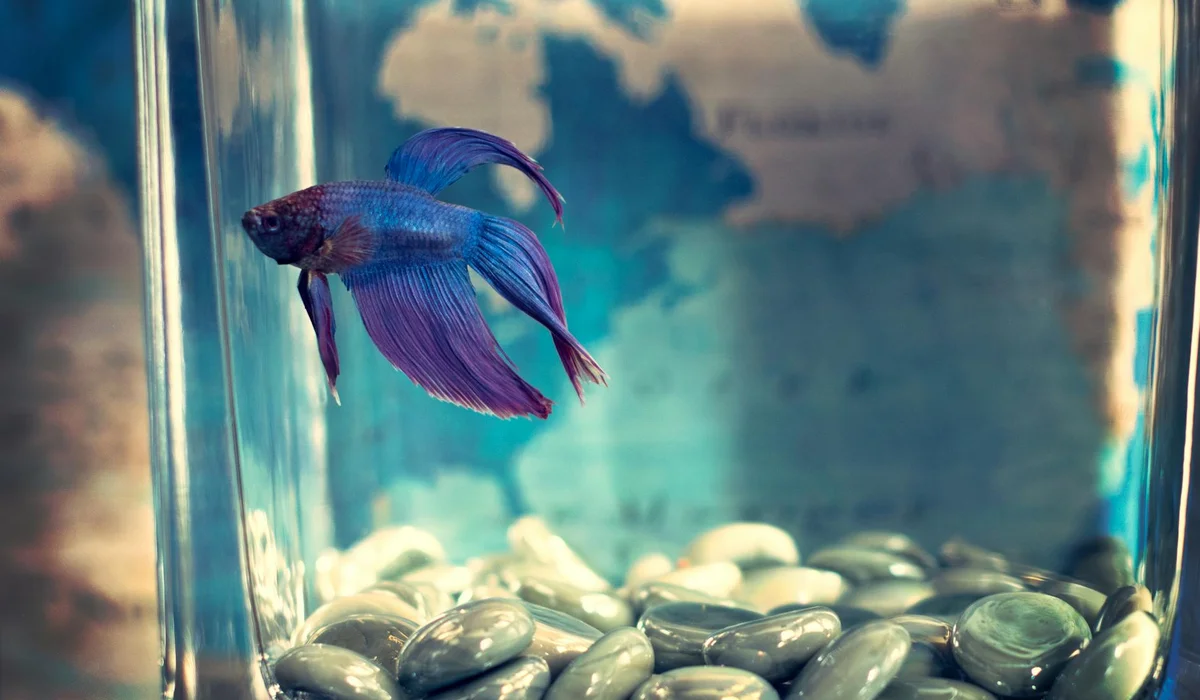
I’ve seen too many fishkeepers, including my past self, lose new arrivals by hurrying this step. Proper acclimation gives your fish the best shot at thriving in their new home by slowly adjusting them to water chemistry and temperature. For bettas, a careful, properly paced acclimation is essential when introducing them to a new tank. Even hardy species like my Crowntail Betta, Captain Fin, can suffer if changes happen too fast.
You have two main methods to choose from: floating the bag and drip acclimation. Floating is quick for hardy fish, while drip acclimation is gentler for sensitive or expensive species. Let me walk you through both.
Step-by-Step Floating Bag Method
- Turn off the aquarium lights to reduce stress on the fish.
- Float the sealed bag on the water’s surface for 15-20 minutes to equalize temperature.
- Open the bag and roll down the top to create an air cuff so it floats.
- Add half a cup of tank water to the bag every 5-10 minutes for about 30-40 minutes.
- Gently net the fish from the bag and release it into the tank-never pour the bag water in.
Step-by-Step Drip Acclimation
- Float the bag for 15 minutes, then pour the fish and bag water into a clean bucket.
- Set up airline tubing with a control valve or knot to create a slow drip, about 2-4 drips per second.
- Start the siphon from your tank to the bucket, letting tank water drip in for 45-60 minutes.
- Once the water volume doubles, discard half and repeat if needed for sensitive fish.
- Net the fish and add it to the display tank.
Tools you’ll need for drip acclimation include a clean bucket, airline tubing, a control valve or clamp, and a net. I keep a dedicated acclimation kit handy to avoid cross-contamination between fish.
Temperature Shock Prevention
Fish are ectothermic, meaning their body temperature matches their environment. A sudden shift of even 2-3 degrees Fahrenheit can suppress their immune system and cause shock. I learned this the hard way when a new corydoras like Shadow became lethargic after a quick transfer.
To match temperatures safely, always use a reliable aquarium thermometer to check both bag and tank water. Gradual changes over 30-60 minutes allow fish to adapt without stress. If your room is cold, float the bag longer or place a towel over it to slow heat loss.
Skipping the Quarantine Tank Setup
I treat every new fish as if it could be carrying something, because many illnesses are invisible at first. Quarantining new arrivals is non-negotiable if you want to protect your established community, like my social Goldie and shy Shadow. It saves you from heartache and costly treatments down the line.
Setting up a simple quarantine tank is easier than you think. A basic 10-gallon tank with a sponge filter and heater works for most small to medium fish. You don’t need fancy decor, but include a hiding spot like a PVC pipe or simple plant to reduce stress. This setup also serves well as a quarantine tank for new fish—observe newcomers for a couple of weeks before introducing them to the main tank.
Essential Quarantine Tank Equipment
- 10-20 gallon tank (size depends on fish)
- Sponge filter pre-cycled in your main tank
- Adjustable heater set to match main tank temperature
- Lid or cover to prevent jumps
- Basic water test kit for ammonia, nitrite, and pH
Observe new fish in quarantine for at least 2-4 weeks. This period lets you monitor for signs of illness that might not show up immediately. During quarantine, you should actively look for disease signs such as lethargy, rapid breathing, or abnormal swimming. Spotting these early helps prevent spread when you reintroduce fish to the main tank. Perform small water changes weekly to keep water pristine without disturbing the fish too much.
Identifying and Isolating Sick Fish
Early detection is key to preventing outbreaks. Common disease signs include clamped fins, rapid gill movement, white spots (ich), or red streaks on fins. My betta Captain Fin once showed frayed fins, which I caught early in quarantine. That’s why beginners should follow a simple disease-prevention and tank-maintenance routine. Regular water tests, partial water changes, and a dedicated quarantine tank help catch problems early.
Quarantine sick fish immediately in a separate tank if possible. Isolate them for the full treatment period, usually 7-14 days after symptoms disappear. Always follow medication instructions precisely to avoid harming the fish or your tank’s beneficial bacteria. Quarantining multiple fish together increases cross-contamination risk and makes it harder to track each fish’s progress. Best practices are to quarantine each fish separately in its own tank with dedicated equipment.
To prevent medication overdose, calculate tank volume accurately and use a syringe for liquid treatments. I always dose medications in the evening when lights are dim to reduce stress on the fish. Never mix medications unless the label specifies it’s safe, and always complete the full course even if the fish looks better.
Adding Too Many Fish at Once
I see this mistake all the time, and it’s a fast track to a cloudy, stressful tank. Your filter’s biological media is home to a colony of beneficial bacteria that process fish waste. Adding a large group of new fish at once is like inviting a huge crowd to a small party-your biological filter simply can’t handle the sudden spike in waste. This overwhelms the system, leading to dangerous ammonia and nitrite spikes that can harm or even kill your new and existing fish.
Patience is your most valuable tool here. Introduce new fish in small, manageable groups.
- Quarantine new fish in a separate tank for at least two weeks to monitor their health.
- After quarantine, add only 2-3 small fish to your main display tank at a time.
- Wait at least two weeks, testing your water parameters every few days, before adding another small group. This gives your bio-filter time to catch up with the increased bioload.
Here’s a simple guide for safe stocking rates to aim for over time. Remember, these are general guidelines, and fish size and species matter greatly.
| Tank Size | Safe Initial Stocking (after cycle) | Maximum Stocking (for experienced keepers) |
|---|---|---|
| 10 Gallon | 4-6 small fish like tetras or a single Betta | 8-10 small, peaceful fish |
| 20 Gallon | 8-10 small fish or 4-5 medium fish | 15-18 small fish or a community of mixed sizes |
| 55 Gallon | 12-15 small fish or a small school of larger fish | A well-planned community of 20-25 fish |
Overfeeding and Stressing New Arrivals
Your instinct is to make your new fish feel welcome with a feast, but this is one of the kindest-looking ways to harm them. Uneaten food decays rapidly, polluting the water and overworking your filter. A tiny pinch of food is all a fish’s stomach can handle, roughly the size of its eye. Overfeeding new arrivals, who are already stressed from transport, can lead to digestive issues and a rapid decline in water quality.
Establish a gentle feeding routine right from the start.
- Do not feed new fish for the first 24 hours after they are in the tank. This allows their digestive systems to settle.
- After the first day, offer a tiny, pea-sized amount of high-quality food once per day.
- Watch to ensure all food is consumed within two minutes. If there’s leftovers, you’re feeding too much.
Watch your new fish closely for these common signs of stress. Catching them early makes all the difference.
- Hiding constantly and refusing to come out, even for food.
- Rapid gill movement or gasping at the water’s surface.
- Clamped fins (fins held tight against the body).
- Lethargy or a lack of normal curiosity and movement.
Creating a Calm Environment
A bare tank is a scary place for a fish. They need places to retreat and feel secure. Think of your aquarium decor not just as decoration, but as real estate that provides safety and reduces territorial aggression. A well-structured tank gives shy fish like corydoras places to hide and breaks the line of sight for more assertive fish.
Add these elements to create a peaceful habitat before you add new fish.
- Live or silk plants with broad leaves, like Java Fern or Anubias.
- Smooth rock formations with crevices and caves.
- Driftwood that provides natural cover and hiding spots.
- Commercial decorations like clay pots or resin caves.
Your filter plays a dual role in maintaining a calm environment. Adequate filtration ensures crystal-clear water, but the flow rate is just as important for reducing stress. A torrential current can exhaust smaller fish. I often buffer the output of powerful filters with a sponge or by pointing it towards the tank glass to disperse the flow. The goal is a gentle, consistent current that keeps the water moving without creating a whirlpool.
Common Questions
How long should a quarantine tank be set up before adding new fish?
Your quarantine tank should be fully set up and cycled before you bring any new fish home. A sponge filter that has been running in your established main tank is the best way to instantly cycle the quarantine tank. This ensures the water is safe and stable from day one, preventing additional stress on the new arrivals. Before you add fish, make sure the quarantine tank filter system is properly installed, primed, and running. A ready-to-go filtration setup helps maintain steady water parameters and makes the transition smoother for new arrivals.
Does the fish acclimation process differ for sensitive species?
Yes, more delicate fish like Discus or Cardinal Tetras benefit greatly from a slower, more gradual acclimation process. For these species, the drip acclimation method is highly recommended over simply floating the bag. This extended process, which can take over an hour, gently matches them to your tank’s specific water chemistry, greatly reducing the risk of shock.
How often should I test my water after introducing new fish?
You should test your water parameters daily for at least the first week after adding new fish. This frequent monitoring is crucial for catching any sudden ammonia or nitrite spikes early, before they can harm your aquatic life. After the first week, you can return to testing weekly, provided the levels remain stable. Knowing how to test and monitor fish tank water quality is essential for maintaining a healthy environment for your fish.
What are the immediate signs of incompatible tankmates?
Immediate signs include one fish relentlessly chasing or nipping at others, or a new fish hiding incessantly and refusing to eat. You may also see physical damage like torn fins or missing scales. Aggressive flaring, where a fish spreads its fins and gills to appear larger, is another clear signal of conflict that needs your attention.
Your Aquarium Adventure Awaits
Focus on slow acclimation and consistent water testing to give every new fish a safe, stress-free start in your tank. Properly matching the new water parameters—temperature, pH, and hardness—gradually during acclimation helps reduce shock. Slow, staged changes give the fish time to adjust. Pair this with careful research on species compatibility and quarantine practices to sidestep the biggest pitfalls.
Being a great fish keeper means embracing the learning process and staying curious about your aquatic pets’ needs. Your dedication to growing your skills will help you build a beautiful, balanced home for your finned family.
Further Reading & Sources
- 5 Common Fishing Mistakes Beginner Anglers Make – The Rookie Angler
- r/FishingForBeginners on Reddit: What are the most common beginner fishing mistakes?
- Top 10 Fishing Mistakes You’re Making Out on the Water – Florida Sportsman
- 10 Common Fishing Mistakes for Beginners | Guidesly
- Common Fishing Mistakes and How to Avoid Them – Fishmaster Blog
Lia is an expert in aquarium and pet fish care. Having worked in the marine industry and having cared for multiple pet fish, she has acquired first hand expertise on aquarium care, maintenance and setup. She always brings her practical expertise and science to help solve any aquarium related queries.
Health & Disease