
Fish Tank Materials 101: Your Guide to Safe, Non-Toxic Aquarium Decor
Hello fellow aquarists. I know that exciting moment when you find a beautiful new decoration, but that little voice in your head whispers, “Is this actually safe for my fish?” Getting this wrong can turn your crystal-clear water cloudy and, worse, harm your aquatic friends.
This guide will walk you through everything you need to know to build a stunning and secure underwater world. We will cover:
The best inert, fish-safe materials you can trust right away.
How to choose between natural and artificial decorations for your specific tank.
The most common hazardous materials that secretly poison aquariums.
My simple step-by-step method for cleaning and preparing any new item.
I’ve spent years running high-tech planted systems and breeding sensitive fish, learning these lessons through direct, hands-on experience.
Why Aquarium Safety Matters for Your Fish
You might think that any decoration looks fine in your tank, but unsafe materials can leach chemicals or alter water chemistry without you noticing. I’ve seen tanks where a single wrong rock caused pH swings that stressed fish like Goldie, making them stop eating and hide more often. Your aquarium is a delicate ecosystem, and everything you add interacts with the water your fish breathe and swim in. That’s why pH matters: small, constant shifts can stress fish and disrupt the biological balance. Keeping an eye on pH and making gradual adjustments helps maintain a stable environment.
Unsafe items can scratch delicate fins, trap fish, or introduce toxins that harm beneficial bacteria. From my experience with Shadow, even a small piece of painted decor once released flakes that clouded the water and irritated his barbels. Keeping your tank safe isn’t just about looks-it’s about ensuring a stable environment where your fish can thrive without hidden dangers.
How to Identify Aquarium-Safe Materials
Start by choosing inert materials that won’t dissolve or react with water. I always look for items labeled as aquarium-safe or made from glass, ceramic, or certain plastics like polyethylene. Avoid anything with sharp edges, metals, or coatings that might wear off over time.
Here’s a quick checklist for common materials:
- Rocks: Granite, quartz, and slate are usually safe, while limestone and marble can raise pH.
- Wood: Driftwood meant for aquariums is best; avoid treated or rotting wood.
- Plastics: Use those marked food-grade or aquarium-specific to prevent chemical leaching.
- Ceramics: Unglazed or properly glazed pieces are fine, but steer clear of decorative items with cracks.
Testing Rocks and Wood for Safety
Before adding any found rock or wood, test it to avoid surprises. The vinegar test is my go-to method: pour a few drops of white vinegar on the rock-if it fizzes, it contains carbonates that can harden your water and harm sensitive fish. For wood, I soak it in a bucket for a week, changing water daily to see if it releases excessive tannins that tint the water brown.
Follow these steps for thorough testing:
- Clean the item with a brush and water to remove dirt.
- Perform the vinegar test on rocks; no fizzing means it’s likely safe.
- Boil wood for 30-60 minutes to kill bacteria and loosen tannins.
- Soak wood in dechlorinated water until it sinks, which can take days to weeks.
Choosing Safe Paints and Sealants
If you’re customizing decor, only use paints and sealants designed for aquarium use. I learned the hard way that regular spray paints can peel and release toxins, so now I stick to epoxy-based or two-part aquarium sealants that cure to a non-toxic finish. Always check labels for “aquarium-safe” or “fish-friendly” to avoid heavy metals like lead or copper. For a best-in-class DIY resealing project, choose an aquarium sealant proven for airtight, durable bonds. Look for epoxy-based or two-part formulas with explicit aquarium-use labeling.
Here’s how to apply them safely:
- Select products specifically made for underwater environments.
- Apply thin, even coats and let them cure fully-usually 24-48 hours-before rinsing and adding to the tank.
- Avoid paints with solvents or strong odors, as they can linger and harm water quality.
For a DIY hack, I sometimes use pure silicone sealant without additives to attach plants or rocks. Just ensure it’s 100% silicone and fully cured to prevent any chemical interactions in your tank.
Safe Materials You Can Use in Your Aquarium
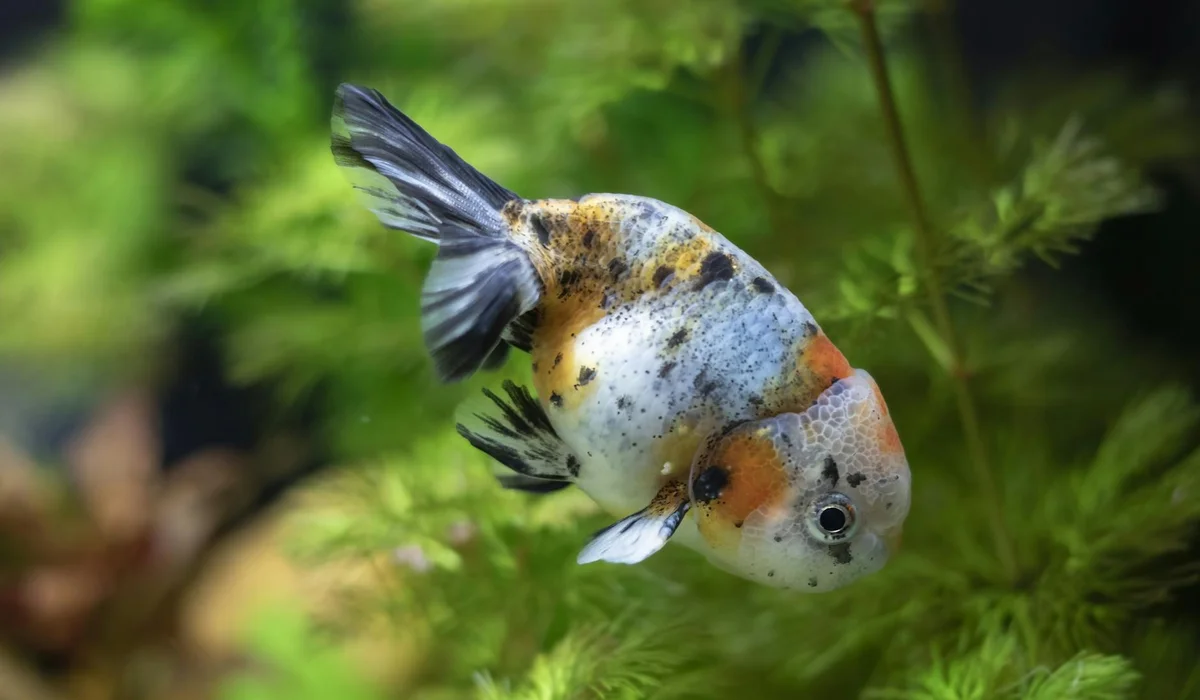
Rocks and Stones: Lava-Rock, Slate, and More
Choosing the right rocks is about more than just looks; it’s about chemistry. I always test rocks before they go in my tank. A simple vinegar test can save you a world of trouble-just drip some on the rock, and if it fizzes, it’s likely going to alter your pH and is unsafe.
- Lava Rock: My absolute favorite for biological filtration. Its porous surface is a magnet for beneficial bacteria. It’s also inert, so it won’t change your water chemistry.
- Slate: Perfect for building stable caves and ledges. It’s flat, stackable, and completely inert. Shadow, my Corydoras, loves the slate cave I built him.
- Quartz and Granite: These are your go-to, no-fuss, safe stones. They’re dense, smooth, and won’t leach minerals into your water.
- Ohko Dragon Stone: A stunning option with unique holes and textures. It’s perfectly safe but can be dusty, so a good rinse is a must.
Always scrub new rocks with a stiff brush under hot water to remove loose dirt and potential contaminants.
Wood and Driftwood: Natural and Treated Options
Driftwood adds a beautiful, natural look and releases tannins that can slightly lower pH, which is fantastic for soft water species like Bettas. The key with any wood is patience, as most types need to be waterlogged to stop them from floating. In blackwater aquariums, tannins and humic substances color the water and help mimic natural river conditions. They also influence water chemistry to support soft, acidic environments.
- Mopani Wood: Dense and sinks relatively quickly. It leaches tannins, turning your water a lovely tea-color that’s harmless and can be removed with carbon filtration if you prefer crystal clarity.
- Spider Wood: Offers amazing, intricate branch structures for aquascaping. It tends to float longer, so I often weigh mine down with a rock for a week or two.
- Malaysian Driftwood: Very dense and sinks easily. It’s a long-lasting, durable choice that’s great for anchoring Java Fern and Anubias.
- Manzanita: Known for its beautiful, reddish color and elegant, twisting branches. It’s usually very hard and releases fewer tannins than Mopani.
You must boil wood for at least an hour to sterilize it, release excess tannins, and help it sink. Never use wood you’ve found yourself unless you can properly identify it and bake or boil it thoroughly to kill any pests or fungi.
Plants: Live-Plants vs. Silk-Plants
This is a choice between a decorative element and a living filter. I always lean towards live plants because they actively improve your tank’s health. Live plants are a secret weapon against algae, as they outcompete it for nutrients in the water column. So what are the key benefits of live plants in your aquarium? They go beyond looks—improving water quality, boosting oxygen levels, and supporting a natural ecosystem for beneficial organisms.
- Live Plants: They consume nitrates, provide oxygen, and offer hiding spots that reduce fish stress. Start with easy ones like Java Fern, Anubias, or Amazon Swords. They don’t need fancy soil or high light.
- Silk Plants: A safe and soft alternative to harsh plastic. They provide cover without the risk of tearing delicate fins, which is vital for fish like Captain Fin with his long, flowing tail.
Avoid cheap plastic plants with sharp edges. Run a pair of pantyhose over the plant; if it snags, it’s too sharp for your fish. Live plants create a more stable, natural ecosystem, but high-quality silk plants are a perfectly safe and low-maintenance option for beginners.
Other Decorations: Ceramic, Resin, and Glass
For themed tanks or specific hides, manufactured decorations can be great if you choose wisely. Always look for decorations labeled as ‘aquarium safe’ from reputable brands, as this means they’ve been tested with non-toxic, waterproof paints and sealants. Also, when adding decorations or live plants, keep safety in mind and choose aquarium-safe options. Rinse new items before adding them to your tank.
- Ceramic: An excellent, inert material. Ceramic pots and caves are my favorite DIY hideouts. Just make sure any glaze is food-safe.
- Resin: Most modern, aquarium-specific resin ornaments are perfectly safe. They’re durable and can create fun landscapes. Rinse them well to remove any residue from the manufacturing process.
- Glass: Completely inert and safe. Marbles and smooth glass trinkets can add a beautiful shimmer. Ensure there are no sharp or chipped edges.
Steer clear of metals, painted objects not meant for aquariums, and anything that feels like it might be made of soft, leachable plastic. When in doubt, a simple, clean terracotta pot makes one of the safest and most affordable fish caves you can find.
DIY Aquarium Decor: Fun and Safe Projects
Creating your own decor is incredibly rewarding and lets you design a truly unique habitat. The golden rule for any DIY project is that every single material must be inert, non-toxic, and thoroughly cleaned and sterilized before it touches your water.
- The Terracotta Pot Cave: Take a small, unglazed terracotta pot. Scrub it, boil it, and then use a file to smooth the hole in the bottom. It instantly becomes a perfect, natural-looking cave for shy bottom dwellers.
- PVC Pipe Hideouts: A short piece of PVC pipe, with all edges sanded smooth, makes a fantastic and hygienic hide. You can even glue aquarium-safe slate or gravel to the outside to make it look more natural.
- Stone Stack Structures: Using aquarium-safe silicone (100% silicone with no mold inhibitors), you can create stunning, permanent rock formations. Let it cure for at least 48 hours before placing it in your tank.
- Java Fern on Driftwood: This isn’t just a decoration; it’s a living sculpture. Simply use a piece of dark cotton thread or a dab of cyanoacrylate super glue (gel form is easiest) to attach a Java Fern rhizome to a piece of driftwood. The plant will eventually attach its roots.
I once made a sprawling archway from slate and silicone for Goldie to swim through, and it’s her favorite spot in the tank. Always test DIY creations in a bucket of water for a few days first to ensure nothing leaches or dissolves, protecting your fish from any unexpected chemistry changes.
Preparing and Cleaning Decorations for Your Tank
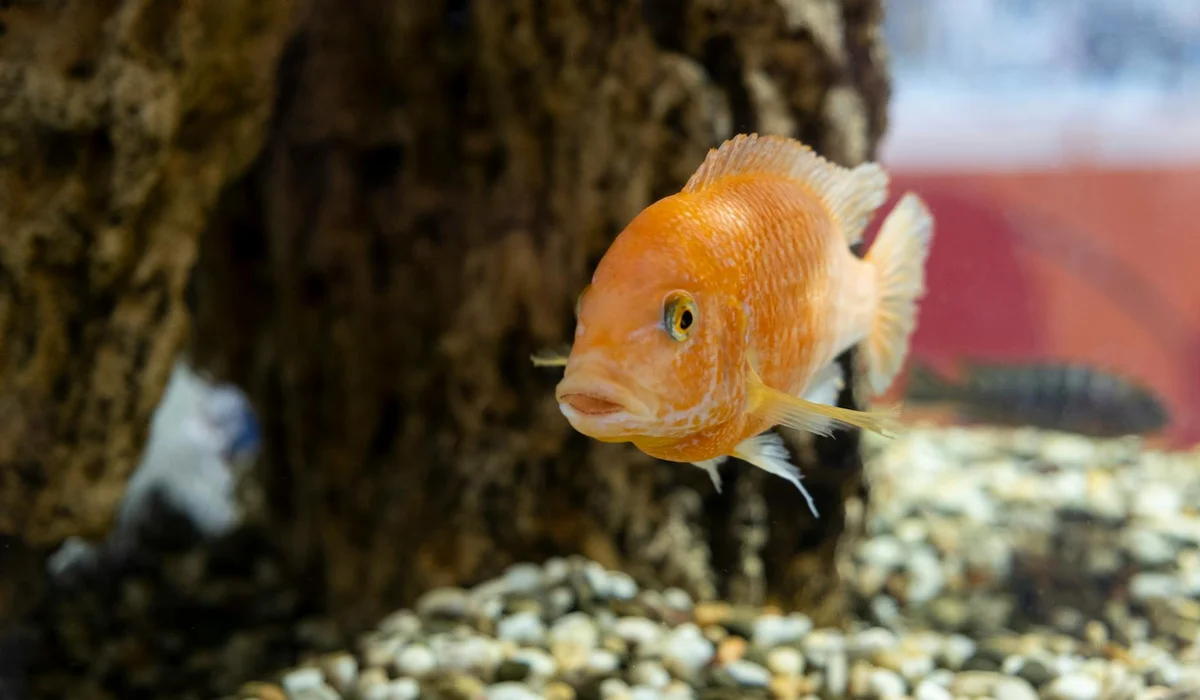
Conditioning Natural Materials Like Driftwood
That beautiful piece of driftwood you found can be a fantastic centerpiece, but tossing it straight into your tank is a recipe for disaster. Wood releases tannins, which stain your water a tea-like color and can lower your pH. Properly preparing driftwood prevents these issues and ensures it sinks, creating a stable environment for fish like my shy Corydoras, Shadow. To prepare clean driftwood for your aquarium, give it a thorough rinse and scrub to remove debris. Then soak it (and boil if safe for the wood) to reduce tannins and help it sink.
Here is my go-to process for conditioning driftwood, which I’ve refined over many years.
- Scrub It Down: First, take a brand-new, chemical-free scrub brush and scrub the wood vigorously under hot running water. This removes loose bark, dirt, and any tiny critters.
- The Boiling Method: Submerge the driftwood in a large pot of water and boil it for at least 1-2 hours. You’ll see the water turn brown-those are the tannins leaching out. Boiling is the fastest way to waterlog the wood and sterilize it, killing any unwanted bacteria or fungi.
- Soak Until It Sinks: If the wood is still buoyant after boiling, place it in a bucket of clean water with a heavy rock on top. Change the water daily until it remains clear and the wood stays submerged on its own. This can take several days to a few weeks.
For pieces too large to boil, a prolonged soak with frequent water changes is your only option. Patience during this stage is the key to crystal-clear water later on.
Where to Find Aquarium-Safe Decorations
You don’t always need to buy expensive items from a pet store to create a stunning aquascape. Some of the best decorations can be found elsewhere, but you must be a savvy shopper.
Your most reliable and safest bet is always a dedicated aquarium or pet supply store. Items sold here are specifically designed for underwater use. Look for labels that say “aquarium safe,” “non-toxic,” and “lead-free.” I trust these for my more sensitive fish, like Captain Fin, my betta. If you’re considering distilled water for most species, it’s mineral-free and should be remineralized, since lack of minerals can stress fish. Proper use means testing and adjusting minerals to maintain safe, stable water parameters.
Beyond the fish store, you have a few other excellent options.
- Online Aquarium Retailers: Websites specializing in aquatics offer an incredible variety, from specialized hardscape stones to unique pieces of driftwood. Read reviews carefully from other hobbyists.
- Craft Stores: You can find plain, unglazed ceramic pots or mugs here. Always ensure the item is 100% ceramic with no paint, glaze, or metallic finishes, as these can leach toxins into the water.
- Nature (The Best DIY Source): Rocks and certain hardwoods from your backyard can be used. You must test them first-pour a few drops of vinegar on a rock; if it fizzes, it contains carbonate and will harden your water. For wood, only use hard, dry woods that have been weathered and are free of sap.
Avoid general home decor stores and never use decorations meant for terrestrial reptiles or turtles. Their paints and sealants are not formulated for constant submersion and can poison your entire tank. When in doubt, stick with materials you know are inert, like slate, quartz, or aquarium-specific resins.
FAQs
What are some safe DIY aquarium decoration ideas?
You can create safe DIY hides using unglazed terracotta pots or PVC pipes with smoothed edges. Another popular project is attaching aquarium-safe rocks together with 100% silicone sealant to build custom caves and structures. Always ensure all materials are inert and thoroughly clean and sterilize any DIY creation before adding it to your tank.
Is there a specific sealant I should use for aquarium DIY projects?
Yes, you must use a sealant labeled as 100% silicone without any mold inhibitors or additives. These are specifically formulated to cure into a non-toxic, flexible bond that is safe for aquarium use. Always allow the sealant to cure fully for at least 24-48 hours before rinsing and placing the item in your tank. Waiting until the sealant fully cures is essential before adding water, as uncured silicone can release volatile compounds into the tank. If you’re unsure, check the product’s label for any brand-specific cure times for immersion.
How can I ensure a decoration from Amazon is truly aquarium-safe?
When shopping on Amazon, always look for products that are explicitly labeled “aquarium safe” from reputable aquatic brands. Carefully read the product description for material details and scrutinize customer reviews, specifically looking for feedback from other fish keepers about water clarity and fish health after use, especially when using water clarifiers.
Where can I find aquarium-safe decorations for sale beyond pet stores?
Beyond dedicated aquarium retailers, you can find safe decorations at craft stores (unglazed ceramic), garden centers (inert rocks), and online marketplaces that specialize in aquascaping supplies. The key is to verify the material is inert and has no paints, metals, or coatings not intended for constant submersion.
Your Safe Aquarium Journey Starts Here
The safest path is to stick with materials labeled as aquarium-safe and to always prepare new items with a thorough rinse and, when possible, a soak. For repairs, choose sealants and repair kits labeled aquarium-safe and suitable for use around fish. Prioritizing the safety of your fish over aesthetic appeal ensures you build a thriving, healthy habitat.
Being a great fish keeper means committing to learning and adapting as you gain more experience with your aquatic pets. Your fish rely on you to make informed choices, so continue asking questions and observing your tank’s unique ecosystem.
Further Reading & Sources
- Aquarium Decorations – Safe or Toxic? | Betta Fish Forum
- 🧪 DIY Aquarium Decor: Safe Homemade Ornament Ideas for Creative Aquari
- r/Aquariums on Reddit: Homemade aquarium decorations
- Aquarium Statue Decorations: The Complete Guide to Safe & Stylish Tank – The Viet Potter
- Aquarium Ornaments – aquariumH2o.com | Fish Tank Items
Lia is an expert in aquarium and pet fish care. Having worked in the marine industry and having cared for multiple pet fish, she has acquired first hand expertise on aquarium care, maintenance and setup. She always brings her practical expertise and science to help solve any aquarium related queries.
Aquascaping