
Can You Put an Aquarium on the Floor? The Surprising Risks and Smart Fixes
Hello fellow fish keepers! Have you ever thought about placing your new aquarium directly on the floor to save space or money? This common idea can quickly turn into a costly mistake if you overlook the hidden dangers.
In this guide, we’ll walk through everything you need to consider before making that choice. Here’s a quick look at what we’ll cover:
- Structural risks to your home’s foundation
- Water damage and how to prevent leaks
- Impact on fish health and tank stability
- Best practices for safe aquarium placement
With years of hands-on experience maintaining planted tanks and breeding fish, I’ve seen how small oversights can lead to big problems.
The Weighty Issue: Can Your Floor Handle an Aquarium?
A full aquarium is astonishingly heavy, and many floors simply aren’t designed for that kind of static, concentrated load. Before you even think about filling a tank, you must calculate its total weight to avoid a catastrophic failure.
Here is how to calculate your tank’s total weight:
- Tank Weight: Find the empty weight of your aquarium, which is usually listed by the manufacturer.
- Water Weight: Calculate the water volume (in gallons) and multiply by 8.34 pounds to get the weight of the water alone.
- Substrate & Decor: Gravel or sand adds about 1-1.5 pounds per gallon of tank capacity. Rocks and driftwood can add 10-50+ pounds easily.
- Equipment: Don’t forget the heavy glass canopy, robust filter, and chunky heater.
A 55-gallon tank can easily exceed 625 pounds when fully loaded. The type of substrate you use matters greatly, as a deep bed of dense sand or gravel places immense, constant pressure on the bottom glass pane. Overloading the bottom with heavy hardscape is a common cause of seam failure and cracked bottoms.
Assessing Your Floor’s Strength
You can perform a basic floor assessment yourself before calling in the experts.
- Location Check: Is the spot along a load-bearing wall? These areas are inherently stronger than the center of a room.
- The Jump Test: Jump firmly near the intended location. If the floor feels bouncy or you hear creaking, it may not be suitable.
- Visual Inspection: Look for any existing signs of sagging, cracks in the ceiling below, or uneven floorboards.
You absolutely need a professional structural assessment for any tank over 55 gallons, for homes with slab foundations showing cracks, or if you have any doubt about your subfloor’s integrity. The cost of an inspection is far less than the cost of repairing a collapsed floor.
Why Aquarium Stands Matter
An aquarium stand is not just furniture; it’s a critical piece of engineering. A quality stand is designed to distribute the tank’s massive weight evenly across its entire footprint and down through reinforced legs. In the metal vs wood stand debate, durability and moisture tolerance often decide which option is better for a given setup. The right choice balances strength with long-term reliability for your aquarium.
Placing a tank directly on the floor concentrates all that pressure onto a tiny area, often directly over a single floor joist. A proper stand spreads this load out, protecting your floor from indentations and structural stress. Reinforced stands with a full perimeter frame support the entire bottom glass pane, preventing the dreaded bowing that can lead to leaks or bursts. The floor offers no such support, leaving the tank’s own silicone seams to bear all the stress.
Moisture Mayhem: Risks of Leaks and Humidity
Water and your home’s flooring are natural enemies. Even a small, slow leak you don’t notice can warp floorboards, ruin carpeting, and create a perfect environment for toxic black mold growth inside your floor cavities. The humidity evaporating from an open-top aquarium accelerates this damage, especially on hardwood.
Watch for these early signs of a leak:
- A persistent musty smell near the tank.
- Water rings or discoloration on the flooring.
- Soft, spongy spots in wooden floors.
- The tank’s water level dropping faster than normal evaporation.
- Condensation or peeling paint on the baseboards behind the tank.
Different flooring types react uniquely, with laminate flooring swelling and buckling almost instantly, while tile might only suffer from grout damage and subfloor rot.
Detecting Leaks Before Disaster
Make leak checks a part of your weekly tank maintenance routine.
- Visual Inspection: Run your hand along the base of the stand and the floor around it, feeling for any dampness.
- Paper Towel Test: Place a dry paper towel under potential drip points, like filter connections, for a few hours.
- Use a Moisture Meter: These inexpensive tools can detect elevated moisture levels in your floorboards long before visible damage appears.
Plumbing for sumps or complex overflow systems introduces more potential failure points, so your vigilance needs to be even higher with these advanced setups. A single loose hose clamp can empty your tank onto the floor overnight.
Protecting Your Floors from Water
You must create a defensive barrier between your aquarium and your floor.
- Protective Mat: Always use a neoprene or closed-cell foam mat under the tank or stand. This cushions the tank and can absorb minor spills.
- Drip Trays & Liners: For sump setups, place the entire sump container inside a large plastic drip tray. You can find these at most home improvement stores.
- Leak Containment: Consider a smart water sensor that sends an alert to your phone the moment it detects moisture.
Be aware that many homeowner’s insurance policies have specific clauses about water damage from aquariums, so a major leak might not be covered if they determine it was due to negligence. Proactive protection is your best insurance policy.
Fishy Business: How Floor Placement Affects Your Aquatic Friends
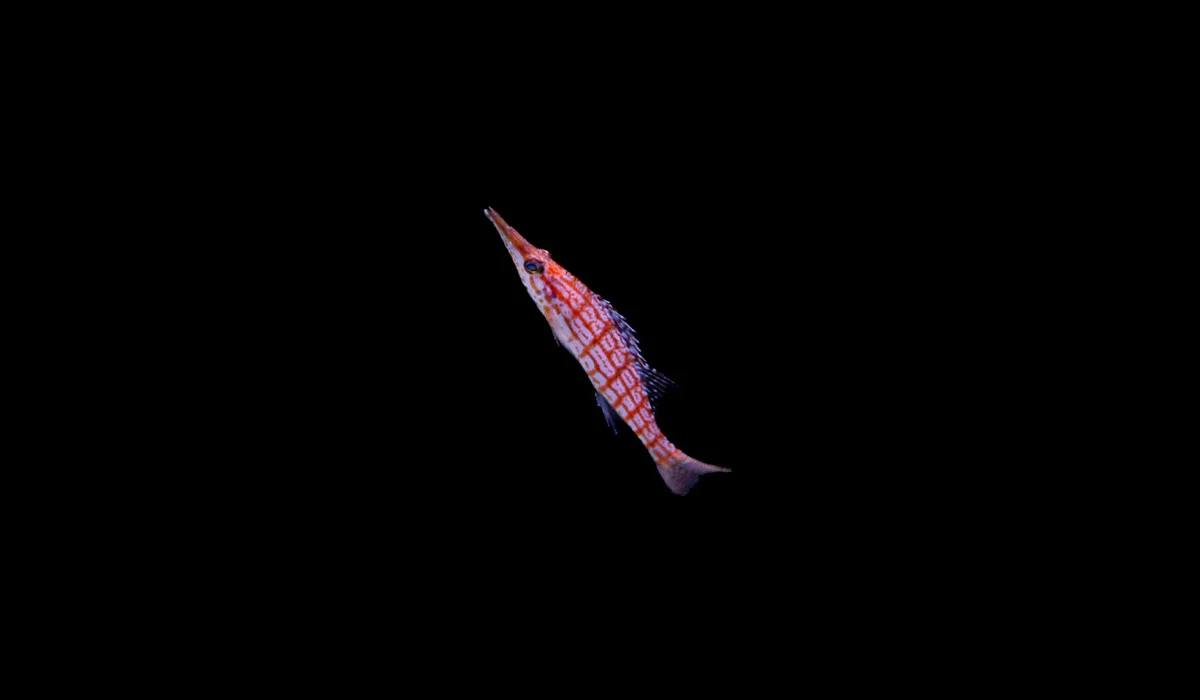
Placing your tank on the floor doesn’t just risk your flooring; it directly impacts the well-being of your fish. The environment at floor level is fundamentally different from a raised position, creating unique challenges for your aquatic pets.
Every footstep near a floor-level tank sends vibrations directly through the glass, startling fish who perceive these tremors as potential predator threats. This constant, low-grade stress can weaken their immune systems over time. Captain Fin, my feisty Betta, used to hide constantly when his quarantine tank was temporarily on the floor, only returning to his bold self after being elevated.
Beyond vibration, accessibility becomes a major issue. You’re far less likely to notice subtle changes in fish behavior or early signs of disease when you’re looking down from a standing position. Feeding and performing routine maintenance become a chore, requiring you to kneel or lie flat, which often leads to tasks being postponed.
Stress Signals in Your Fish
It’s vital to recognize when your fish are telling you they’re unhappy with their low-rise living situation. A stressed fish is a vulnerable fish. So, what are the most common signs of stress in aquarium fish? They often include rapid breathing, rubbing or flashing against objects, hiding, color fading, or a sudden loss of appetite.
- Abnormal Hiding: Fish like Shadow, my Corydoras, love cover, but if all your fish are constantly hiding in the plants or corners, it’s a red flag.
- Loss of Appetite: A fish that suddenly ignores food, especially a perpetually hungry one like my Goldie, is communicating that something is wrong.
- Erratic Swimming: Darting frantically, scraping against decor (flashing), or swimming oddly can indicate irritation from poor water quality or environmental stress.
Persistent stress from a poor tank location can lead to faded colors, fin clamping, and a higher susceptibility to diseases like ich.
Maintenance Challenges at Low Levels
Cleaning a tank on the floor is a back-breaking task that complicates every aspect of aquarium upkeep. The simple joy of tank maintenance is replaced by physical strain. With a regular aquarium cleaning maintenance routine, the task becomes more manageable. Using the right tools and a steady schedule can ease the strain.
Performing a 25% water change becomes an acrobatic feat, increasing the risk of spilling dirty water onto your floor or accidentally siphoning a curious fish. You can’t easily see into all areas of the tank, making it hard to spot waste buildup or clean the substrate thoroughly. Algae scraping is equally awkward, often done at a strange angle that misses spots.
- Always use a small stool or pad to kneel on for back support during cleaning sessions.
- Keep a dedicated towel nearby to immediately wipe up any drips or spills from your equipment.
- Invest in longer tools, like a gravel vacuum with an extended hose, to give yourself more working room.
This proactive approach helps prevent the slow, unseen water damage that can warp wood flooring or create a mold colony in your carpet.
Flooring Types: Which Surfaces Are Safest?
Not all floors are created equal when it comes to bearing the weight and moisture of an aquarium. The risks vary dramatically depending on what’s under your feet. To determine if your floor is strong enough, consult our aquarium structural guide for simple, practical checks. It walks you through load ratings and moisture considerations before setup.
| Flooring Type | Pros | Cons |
|---|---|---|
| Tile | Water-resistant, easy to clean, handles weight well. | Tank can slide if not secured; hard surface risks cracking the tank bottom on impact. |
| Hardwood | Beautiful aesthetic, stable surface. | Extremely susceptible to water damage and warping; moisture stains are permanent. |
| Carpet | Provides a soft, non-slip cushion. | Traps moisture leading to mold and mildew; difficult to level a heavy tank properly. |
For wooden floors, the danger isn’t just a big spill; it’s the constant, low-level humidity evaporating from the tank’s surface that can slowly warp the boards over months. I learned this the hard way with a small water leak that left a permanent dark stain on my oak floor.
Tile and Hardwood Hazards
While tile seems like the obvious winner, its hardness is a double-edged sword. A tank placed directly on a tile floor is at high risk if the floor is not perfectly level or if something is accidentally kicked into it.
Always place a durable foam mat or a yoga mat cut to size between the tank stand and a tile floor to absorb minor imperfections and prevent pressure points. For hardwood, this barrier is non-negotiable. It creates a moisture buffer and helps distribute the immense weight more evenly, protecting your beautiful floors from permanent rings and warps.
Carpet Concerns
Carpet is arguably the riskiest surface for a floor-level aquarium. It acts like a sponge, holding any spilled water against the floorboards and subfloor, creating a perfect environment for mold to thrive out of sight.
That musty smell you might notice near the tank isn’t just “tank smell”-it’s often a warning sign of mold growing in the carpet pad beneath. To combat this, use a large, plastic drip tray under the entire tank and stand. Ensure the tray has a small lip to contain minor overflows during water changes. Improving room ventilation with a fan can also help moisture evaporate more quickly instead of being absorbed. It’s crucial to address any odors promptly to prevent them from becoming persistent issues, as detailed in this guide on eliminating fish tank smells.
Safer Setups: Alternatives to Floor Placement
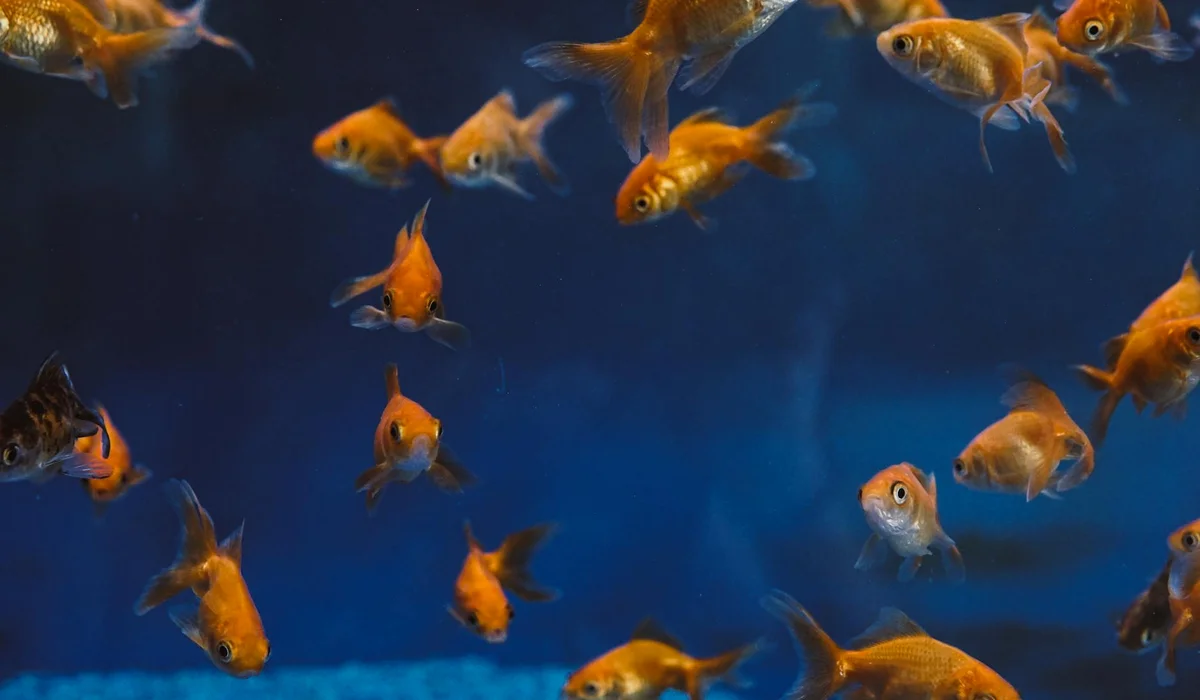
Placing your tank directly on the floor is a gamble, but you have fantastic, safer options that elevate your aquarium—literally and figuratively. A dedicated aquarium stand is the single best investment you can make for the safety of your fish and your home. These are engineered to handle the immense, static weight, distributing the load evenly to prevent stress points that can lead to catastrophic failure. For DIY enthusiasts, building your own aquarium stand from solid, treated wood with proper waterproofing can be a safe, economical option. Just be sure to use moisture-resistant lumber, seal joints well, and ensure a level, reinforced base to prevent warping or leaks.
Cabinets and sturdy platforms do more than just hold weight; they create a dedicated command center for your hobby. You get storage for fish food, water test kits, and maintenance tools, keeping everything organized and out of sight. Knowing how to properly support an aquarium is essential. Choose a cabinet with a solid, level base and appropriate weight rating. Proper installation on a level, reinforced stand virtually eliminates the risks associated with a floor-based tank, giving you profound peace of mind.
Choosing the Right Stand
Selecting a stand isn’t just about looks; it’s a critical safety decision. A flimsy stand is a ticking time bomb. Follow these steps to ensure you get it right.
- Calculate your tank’s total weight. A gallon of water weighs about 8.3 pounds. Don’t forget to add the weight of the aquarium itself, substrate, and rocks.
- Choose a stand rated for at least 1.5 times your calculated total weight. This safety buffer is non-negotiable for larger tanks.
- Ensure the stand’s top surface fully supports the entire aquarium base. No part of the tank should ever overhang.
- For aquariums over 55 gallons, insist on a stand with a reinforced metal frame or solid wood construction. Particle board can warp and fail when damp.
- Check that the stand is perfectly level before you even think about adding water. Use shims under the base to correct any slight imbalance.
I always look for stands with vertical supports directly under the corners of the tank, as this is where the stress concentration is highest.
DIY and Budget-Friendly Options
If a commercial stand stretches your budget, you can create a secure platform without compromising safety. The core principle is unwavering support across the entire tank base.
- Cinder Block and Solid Wood Plank: This is my go-to DIY hack. Use level cinder blocks as legs and a thick, sealed piece of plywood or a solid-core door as the top. The wood must be at least 1.5 inches thick for larger tanks.
- Repurposed Solid Wood Furniture: An old, heavy-duty dresser or credenza can work, but you must verify its structural integrity. Reinforce the interior with 2×4 lumber if there’s any doubt.
- Industrial Shelving Units: Many heavy-duty metal shelving units are weight-rated. Just be certain the shelving surface is perfectly flat and solid, not wire grid.
The key to any DIY project is over-engineering for safety; if it doesn’t feel rock-solid without the tank, it definitely won’t be with it. Always test your creation by putting your full body weight on it and rocking side-to-side.
Protective Measures: How to Minimize Risks if You Must

Sometimes, placing a tank on the floor is your only option, even if just temporarily. If you must proceed, a meticulous approach is your best defense. Your primary goal is to create a stable, insulated, and protected interface between the tank and your floor. This setup demands more vigilance than an elevated tank.
Begin with a high-density foam mat, the kind used under yoga mats or specifically sold for aquariums, cut to the exact dimensions of your tank’s base. This cushions minor imperfections. You must verify your floor is level using a long spirit level; even a slight slope puts uneven pressure on the aquarium seams. Schedule weekly visual inspections of the tank’s silicone seals and the floor underneath for any signs of moisture or stress.
Installation Tips for Safety
Rushing this process invites disaster. Follow this step-by-step guide for the safest possible floor installation.
- Clean the floor area thoroughly, removing all dust and debris.
- Place your protective foam mat, ensuring no wrinkles or gaps.
- Position the empty aquarium centrally on the mat.
- Use your level to check for levelness front-to-back and side-to-side. Shim under the foam mat if necessary.
- Add your substrate and hardscape (rocks, driftwood).
- Fill the tank halfway with water and let it sit for 24 hours. Re-check for level and look for any leaks.
- If all is well, complete the filling process and begin your filter cycle.
For floor placements, an acrylic tank can be a slightly safer bet than glass due to its higher impact resistance and lighter weight, but it is not a free pass to skip other precautions. To reduce vibration from filters, place a mouse pad or extra foam under the equipment. These considerations tie into the acrylic vs glass aquariums ultimate pros cons showdown, where durability, weight, and vibration performance matter. Knowing these factors helps you choose the right tank for your space.
Ongoing Maintenance for Long-Term Health
A tank on the floor needs a more rigorous maintenance routine focused on the environment around it. Your vigilance protects your home’s structure.
- During weekly water changes, run your hand along the floor and tank rim to feel for any dampness.
- Look for new hairline cracks in the floor tiles or warping in wooden floorboards near the tank.
- Monitor the humidity in the room. Excessive moisture can damage floor joists and subflooring. A dehumidifier is a wise investment.
- Keep the area around the tank bone-dry. Immediately wipe up any spilled water during maintenance.
- Listen for new creaks or groans from the floor when you walk near the tank, which could indicate stress.
Controlling the room’s temperature and humidity isn’t just for your fish; it’s a critical step in preventing mold growth and structural wood rot in your floors. A stable environment is a safe environment for everyone.
FAQs
How does substrate type affect the bottom risk of an aquarium?
Dense substrates like sand or fine gravel can compact over time, creating uneven pressure points on the bottom glass pane. Lighter options, such as specialized aquarium soils or larger gravel, may distribute weight more evenly and reduce stress. Choosing the right substrate depth and type helps prevent long-term damage to the aquarium’s structure.
What signs indicate wear or damage to the aquarium bottom?
Look for visible cracks, scratches, or a bowed appearance in the glass when the tank is empty and clean. Condensation between panes or persistent leaks at the seams can signal underlying issues. Regularly inspecting for these signs during maintenance helps catch problems early before they worsen.
How do temperature and humidity around the stand affect the floor?
High humidity from evaporation can warp wooden floors and encourage mold growth in carpets or subfloors. Temperature swings may cause flooring materials to expand and contract, leading to gaps or weakening over time. Controlling room conditions with ventilation or a dehumidifier protects both the floor and aquarium stability.
How can proper installation practices minimize floor risk?
Start by ensuring the floor is perfectly level and using a high-density foam mat to cushion the tank and distribute weight. Avoid overloading with heavy decor and secure all equipment to reduce vibrations. Regular checks for moisture and structural integrity during setup and maintenance prevent minor issues from escalating.
Your Aquarium’s Foundation Matters
Placing your aquarium directly on the floor invites a host of problems, from structural risks to making routine care a back-breaking chore. Always opt for a dedicated, level aquarium stand to ensure the safety of your pets and your home. A level stand also promotes proper water distribution across the tank. This helps maintain even circulation and reduces strain on seals and joints.
Responsible fishkeeping is a journey of continuous learning and adaptation for the well-being of your aquatic family. Embrace the process of discovery, and you’ll be rewarded with a thriving, beautiful underwater world.
Further Reading & Sources
- Will my fish tank fall through the floor?
- r/aquarium on Reddit: How to protect floors from water damage??
- r/Aquariums on Reddit: So I got a little paranoid after seeing posts about people’s tanks breaking. I live in an older house and the floors don’t always seem level. I checked the floor under my tank. It appears to be slightly unlevel. Should I be concerned? How can I remedy?
- Question of the Day – Is there flooring you wouldn’t put your aquarium on? | Humble.Fish & Reef Community
- Floor Support Aquarium : How to Safely Set Up a Heavy Tank
Lia is an expert in aquarium and pet fish care. Having worked in the marine industry and having cared for multiple pet fish, she has acquired first hand expertise on aquarium care, maintenance and setup. She always brings her practical expertise and science to help solve any aquarium related queries.
DIY Projects