
Aquarium pH Unlocked: The Simple Secret to Thriving Fish and Clear Water
Hello fellow fish keepers! That little number on your test kit can feel like a mysterious code, leaving you wondering if your fish are truly comfortable in their home. Getting a handle on pH isn’t just chemistry-it’s the foundation of a stable, vibrant tank where your fish can shimmer with health.
This guide cuts through the confusion and gives you actionable advice. Here’s what we’ll cover:
- What pH truly means for the water your fish breathe and live in.
- Why a stable pH is far more critical than chasing a supposedly perfect number.
- Easy, reliable methods to test your aquarium’s pH level at home.
- Safe, gradual techniques to adjust pH without shocking your delicate ecosystem.
- Specific pH preferences for common community fish and planted tanks.
I’ve spent years balancing the delicate water chemistry in high-tech planted systems and breeding sensitive fish, so I can guide you through this with practical, tested steps.
What Is pH? Your Water’s Hidden Personality
Think of pH as your aquarium water’s secret mood ring. It measures how acidic or basic your water is on a scale from 0 to 14. A pH of 7 is neutral, like pure rainwater. Numbers below 7 mean acidic water, while above 7 means basic, or alkaline. This scale reveals the hidden personality of your tank, shaping everything from fish behavior to plant growth.
In my own tanks, I see pH as a silent director. Captain Fin, my crowntail betta, displays his most vibrant iridescent blues and reds when the pH is a touch acidic, around 6.5. Goldie the goldfish prefers a neutral to slightly alkaline stage of about 7.2 for her social foraging. Shadow the corydoras stays active and healthy in the soft, slightly acidic water he loves. Your water’s pH personality directly influences the shimmer of scales and the clarity of the environment.
Different fish species have evolved in waters with specific pH levels. Here are common ranges:
- Bettas (like Captain Fin): Thrive from 6.5 to 7.5. They enjoy slight acidity but are adaptable.
- Goldfish (like Goldie): Do best between 7.0 and 7.8, favoring neutral to alkaline conditions.
- Corydoras Catfish (like Shadow): Prefer 6.0 to 7.5, loving soft, slightly acidic water.
You can measure pH with liquid test kits or digital pens. The goal is consistency. Regular testing is like listening to the hum of your filter-it tells you the steady story of your tank’s health.
Why Aquarium pH is a Big Deal for Fish Health
pH isn’t just a number; it’s a core part of your fish’s physical well-being. Fish constantly regulate their internal fluids against the water’s chemistry, a process called osmoregulation. When pH is wrong, this balance shatters. Your fish will use all their energy just to survive, leaving them stressed, dull, and open to disease. To maintain a healthy environment, it’s crucial to improve water quality in your aquarium.
I once saw a rapid pH drop in a community tank. Captain Fin became lethargic, losing his feisty response to feeding. Goldie’s foraging slowed, and Shadow hid constantly. Stable pH keeps fish energetic, their colors bright, and their immune systems strong against common ailments.
pH also controls toxin levels in your water. Ammonia from waste becomes far more poisonous in higher, alkaline pH. For biological filtration to work best, a stable pH is non-negotiable. Consider these critical health links:
- Gill and Skin Health: Extreme pH can burn delicate gill tissues and skin, like Shadow’s underside.
- Metabolic Function: Enzymes for digestion and growth only work within a narrow pH window.
- Breeding Cues: Many species, including bettas, require specific pH to trigger spawning behaviors.
To protect your fish, manage pH with care. Follow these steps for stability:
- Test pH at least weekly, recording results to spot trends.
- Use natural materials: driftwood lowers pH gently; crushed coral raises it slowly.
- Change water gradually, matching the new water’s temperature and pH to the tank’s.
- Avoid chemical pH adjusters for sudden fixes-they often cause dangerous swings.
Small, mindful adjustments are always safer than chasing a perfect number, as sudden changes shock fish more than a slightly imperfect, stable level. I keep my tanks stable by testing tap water before every change, ensuring the ecosystem balance remains undisturbed.
Finding the Sweet Spot: Ideal pH Ranges
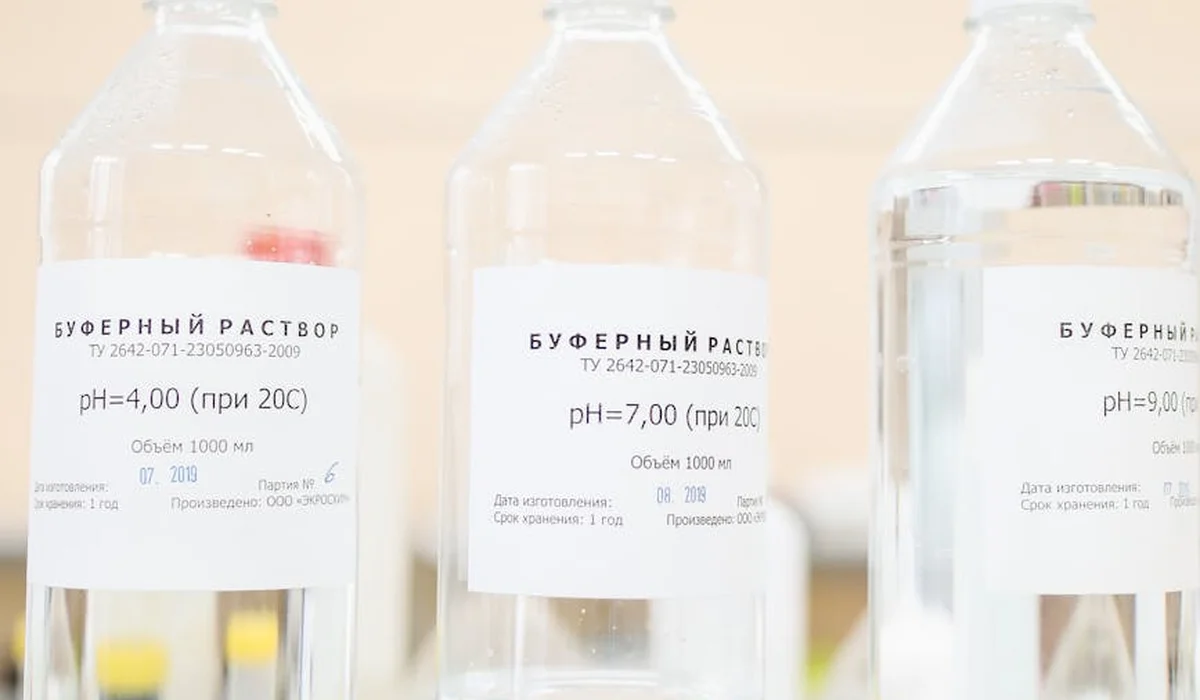
Think of pH like the weather in your tank’s city; every fish species has a climate they evolved to thrive in. Hitting that target range isn’t just about survival-it’s about letting your fish truly flourish. My betta, Captain Fin, perked up noticeably when I dialed his water into his sweet spot.
For most common community tropical fish, like tetras, guppies, and many cichlids, a pH between 6.8 and 7.8 is a comfortable, stable home. African cichlids from the rift lakes need harder, alkaline water, thriving at a pH of 7.8 to 8.5. Sensitive blackwater species, like some wild-caught discus or Cardinal tetras, often prefer a softer, acidic environment from 5.5 to 6.8.
When pH Drifts Too High: The Alkaline Alarm
A creeping pH above 8.0 can turn your tank into a harsh environment. High alkalinity often pairs with high hardness, which can stress fish by making it difficult for them to regulate their internal fluids. You might see rapid gill movement, listlessness, or faded colors.
Common culprits include certain decorative rocks (like limestone or ocean coral) and substrates that leach minerals, or simply top-off water with a high pH evaporating and leaving minerals behind. In my early days, a piece of beautiful lace rock slowly pushed my pH to 8.2, and my usually active fish became sluggish until I figured it out.
When pH Crashes Too Low: The Acidic Alert
A crashing pH below 6.0 is often more immediately dangerous than a slow rise. This acidic water can cause something called “acidosis,” burning fish gills and skin. More insidiously, it can stall your tank’s biological filter, as the beneficial bacteria slow down dramatically.
A sudden pH drop frequently signals a weakened buffering capacity (low KH), allowing organic acids from fish waste, decaying plants, and tannins to overwhelm the water’s chemistry. If you have a densely stocked tank with lots of driftwood and you’re not monitoring, this can sneak up on you. I once missed a decaying plant leaf in my Corydoras’ corner, and my pH dipped-Shadow and his crew were not happy campers.
How to Test and Track Your Aquarium’s pH
You can’t manage what you don’t measure. Regular testing is the only way to know the invisible story of your water. The gentle hum of the filter means nothing if the chemistry is off.
I recommend a reliable liquid test kit for accuracy; the color change gives you a precise reading and becomes a quick weekly ritual. Digital pH meters are fantastic for frequent checks but require regular calibration to stay accurate. Those disposable test strips? They’re better than nothing in a pinch, but I’ve found them too inconsistent for trusting with sensitive livestock.
Building Your Testing Routine
Consistency is everything. Test at the same time of day, as plant respiration can cause slight daily swings. Keep a simple log-a notebook or phone note-to spot trends.
- Test weekly for established, stable tanks.
- Test daily when setting up a new tank, treating illness, or trying to adjust pH.
- Always test your tap water after it sits for 24 hours to know your baseline.
If you need to adjust pH, always do so gradually—aim for a change of no more than 0.3 pH units per day to avoid shocking your fish. Sudden shifts are a major source of stress and immune suppression. Remember, stability is almost always more critical than chasing a “perfect” number. To safely adjust pH levels in your fish tank, use gradual buffering and regular testing to avoid swings. Keep changes slow and monitor how your fish respond.
Gently Adjusting Your Aquarium’s pH Level
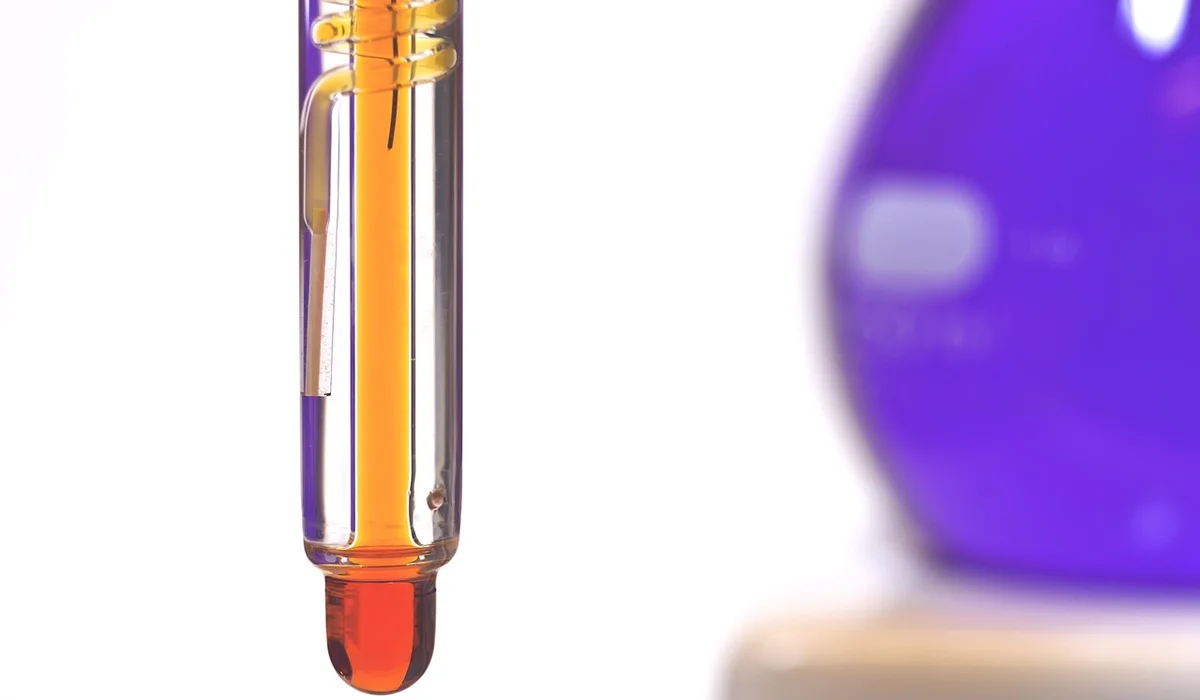
Seeing your pH test results stray from the ideal can be unsettling, but think of it like a gentle nudge, not a sudden shove. The golden rule is to never change pH rapidly; a shift of more than 0.3 units per day can shock your fish, sending their delicate systems into a dangerous tailspin. During water changes, aim to match the pH of the incoming water to the tank to prevent pH shock during water changes. If a difference is unavoidable, adjust slowly and recheck after the change. Always retest your water before and after any adjustment to track your progress.
How to Raise pH (Safely Increase Alkalinity)
If your water is too soft and acidic for your fish, you’ll need to nudge the pH upward. This means increasing alkalinity, and patience is your best tool. In our complete guide to water hardness and alkalinity in aquariums, you’ll learn how to test and adjust these parameters safely for a stable tank.
- Use Crushed Coral or Aragonite: My favorite method is to add a bag of crushed coral to your filter or sprinkle aragonite sand as a substrate cap. It dissolves slowly as needed, providing a natural, self-regulating buffer that’s almost impossible to overdose.
- Incorporate Limestone or Texas Holey Rock: Adding decorative limestone rocks or porous holey rock will gradually leach minerals that raise pH and KH. I always test a piece in a bucket of water for a week first to see its effect.
- Employ a Commercial pH Buffer: For more precise control, use a reputable commercial buffer designed for freshwater aquariums. Follow the dosage instructions to the letter, and always dissolve powders in a separate container of tank water before adding it back in.
Remember, many tap water sources are naturally alkaline, so simply performing a partial water change can often restore a higher, more suitable pH level for fish like my Oranda, Goldie.
How to Lower pH (Safely Increase Acidity)
Lowering pH is often requested for soft water species like tetras or discus, and it requires a soft touch to avoid crashes.
- Add Natural Tannins: Soaking Indian Almond Leaves, alder cones, or a piece of driftwood releases tannic acids that gently lower pH. It will tint your water a pleasant tea-color, which many fish find soothing-my betta, Captain Fin, always flares less in a tannin-stained tank.
- Filter Through Peat Moss: Placing a small amount of aquarium-safe peat moss in a mesh bag inside your filter softly acidifies the water. Monitor closely, as its potency can vary.
- Use Reverse Osmosis (RO) Water: The most controlled method is to mix your tap water with pure RO water from your local fish store. RO water has nearly zero minerals, allowing you to precisely dial in the exact pH and softness you need by blending.
Avoid using harsh chemical pH-down products meant for pools; they can cause severe pH swings and often contain phosphates that fuel relentless algae blooms.
The Secret to a Stable pH: Understanding KH (Carbonate Hardness)
Here’s the truth most beginners miss: pH doesn’t exist in a vacuum. Its stability is guarded by a separate parameter called Carbonate Hardness, or KH. Think of KH as your tank’s pH shock absorber or armor.
KH measures dissolved carbonates and bicarbonates in the water, which act like a sponge that soaks up acidic compounds, preventing the pH from plummeting. A high KH means a very stable, “buffered” pH that resists change. A low KH (soft water) means your pH is naked and vulnerable, prone to sudden, dangerous drops from fish waste or decaying plants. To truly understand GH and KH in aquarium water hardness, you should also monitor GH—the level of calcium and magnesium in the water. Together, GH and KH determine how stable your pH will stay and how well your aquatic inhabitants will thrive.
You can test KH with a separate liquid test kit. If your pH is constantly swinging despite your best efforts, low KH is almost always the culprit. To raise KH (and thus stabilize pH), you add a buffer. The simplest DIY buffer is a tiny pinch of baking soda (sodium bicarbonate) dissolved in water, but this must be done with extreme care and testing. For long-term stability, using crushed coral as mentioned earlier is my go-to because it simultaneously raises both KH and pH in a beautifully slow, natural partnership. This synergy creates the crystal-clear, stable environment where every scale shimmers and every plant thrives.
pH and the Nitrogen Cycle: An Invisible Partnership
Think of your aquarium’s nitrogen cycle as a silent, efficient recycling plant running 24/7. The pH level acts like the foreman, directly controlling the speed and safety of the entire operation. Get this partnership wrong, and the whole system can stutter or even crash. That’s the nitrogen cycle in action—turning waste into safer compounds and sustaining a healthy, stable aquarium. Without it, ammonia and other toxins can spike, stressing or killing your fish.
How pH Directs Your Tank’s Cleanup Crew
Those beneficial nitrifying bacteria on your filter media and substrate are living organisms with strict preferences. Most of these bacteria operate best in a pH range between 7.0 and 8.0, where they efficiently convert ammonia into less harmful nitrate. I’ve seen tanks with a pH hovering around 6.0 where the cycle seems to move in slow motion, leading to mysterious ammonia bumps.
When pH drops too low, especially below 6.0, the activity of Nitrobacter (the bacteria that eat nitrite) can grind nearly to a halt. This can cause a dangerous nitrite backlog that standard water changes might not solve. It’s an invisible problem until your fish start gasping at the surface, and it’s particularly challenging to manage even if you follow recommended procedures to lower nitrite levels in your aquarium.
Ammonia’s Double Life: pH Changes Everything
Here’s a critical fact many beginners miss: ammonia’s toxicity is directly tied to your pH reading. The higher your pH, the greater the percentage of that “total ammonia” reading is in the deadly, unionized form that burns fish gills. At a pH of 8.0, ammonia is over ten times more toxic than at a pH of 7.0.
I learned this through panic. My Oranda, Goldie, once became lethargic after I added a new decoration that spiked my pH. The test showed only a slight ammonia reading, but at that higher pH, it was enough to cause real harm. We stabilized it with a partial water change and pH buffer.
Keeping the Partnership Strong
Your goal isn’t to chase a perfect number, but to provide stability so this biological partnership can thrive. Sudden pH swings are more damaging than a slightly “off” but consistent value. Test your pH weekly, and always check it after adding anything new to the tank.
Simple Steps for pH and Cycle Harmony
- Test your tap water’s pH after it sits out for 24 hours. This is your baseline.
- Monitor tank pH at the same time each week, logging any trends up or down.
- If adjustment is needed, change no more than 0.3 pH units per day to avoid shocking bacteria and fish.
- Use crushed coral in your filter media for a gentle, long-term pH buffer in soft water tanks.
A Personal, Peat Moss Hack
For my betta Captain Fin’s tank, I keep the pH slightly acidic and stable with a natural method. I place a handful of peat moss in a mesh bag inside my filter canister. It slowly releases tannins that gently lower and buffer the pH, mimicking his natural blackwater habitat. It keeps the nitrifying bacteria happy and his colors brilliantly iridescent.
## Common Questions
How often should I test the pH in my aquarium?
For an established, stable aquarium, testing the pH once a week is a solid routine. You should test daily when setting up a new tank, after making any adjustments, or if your fish show signs of stress. Always test your source water as well, as its pH can vary and affect your tank during water changes.
What happens if the pH in my aquarium is too high or too low?
If the pH is too high (alkaline), it can stress fish by disrupting their osmoregulation, making it hard for them to maintain internal fluid balance, and can increase the toxicity of ammonia. If the pH is too low (acidic), it can harm fish gills and skin, and may even stall the beneficial bacteria in your biological filter, jeopardizing the entire nitrogen cycle. Along with pH, ammonia and nitrate levels are essential aquarium water parameters to monitor and understand. Together, they help explain water quality and guide actions to keep fish healthy.
What is the relationship between pH and ammonia toxicity?
pH directly controls how dangerous ammonia is. The higher the pH, the greater the proportion of “total ammonia” exists in the toxic, unionized form that burns fish gills. This means the same ammonia concentration is far more poisonous in an alkaline tank (e.g., pH 8.0) than in a neutral one (pH 7.0).
What are natural ways to stabilize pH in an aquarium?
The most effective natural method is to manage your tank’s Carbonate Hardness (KH), which acts as a pH buffer. Adding materials like crushed coral or aragonite sand raises KH and pH gradually and sustainably. To lower pH gently, use natural tannins from driftwood or Indian Almond Leaves, which release acids slowly and help prevent sudden crashes. Avoid using baking soda to raise aquarium pH or KH as it can cause unstable water conditions.
Your Path to Clear, Healthy Water
Keep a simple test kit handy and check your pH regularly, but remember that a stable number within your fish’s natural range is far healthier than a perfect number achieved through constant chemical adjustments. Your best tools are consistent partial water changes, a balanced aquarium setup, and knowing what your specific pets, like Captain Fin or Shadow, naturally prefer. Beyond pH, monitor other essential water parameters such as ammonia, nitrite, nitrate, temperature, and hardness to keep the tank safe. Regular testing helps you stay ahead of problems before they affect your fish.
The most rewarding part of fishkeeping is the ongoing journey of learning and observing the vibrant world you sustain. Embrace the process, ask questions, and connect with other aquarists-your dedication is what transforms a glass box into a thriving, shimmering ecosystem.
Further Reading & Sources
- The Fish Keeper’s Guide to pH, GH, and KH | Water Chemistry 101 – Aquarium Co-Op
- Aquarium pH: How to Safely Adjust pH
- Understanding water pH in your aquarium
- pH-A Guide What is pH?
- What is pH and Why Is It Important?
Lia is an expert in aquarium and pet fish care. Having worked in the marine industry and having cared for multiple pet fish, she has acquired first hand expertise on aquarium care, maintenance and setup. She always brings her practical expertise and science to help solve any aquarium related queries.
Water Quality