
Planted Tank Filter Media: Your Guide to Pristine Water and Lush Growth
Hello fellow aquarists! If you’ve ever worried about water clarity or plant health in your planted tank, your filter media could be the game-changer you need. The right choice transforms that gentle hum of filtration into a powerhouse for a balanced ecosystem.
This article breaks down the essentials into simple, actionable steps. We will cover:
- How different media types-sponge, ceramic, and more-affect your water chemistry and plant nutrients
- Practical layering techniques to prevent clogging and maintain optimal flow for your fish and flora
- Cost-effective DIY media solutions I use in my own tanks to save money and boost performance
- Easy maintenance schedules that keep your system clean without disrupting the delicate balance
My advice comes from hands-on experience running high-tech planted tanks and breeding fish for years, so you get real-world tested tips.
Understanding Filtration in Your Planted Aquarium
The Heart of a Healthy Tank
Think of your filter as the silent, hardworking heart of your aquarium, constantly moving water and keeping everything in balance. In my planted tanks, a reliable filter is what maintains that crystal-clear water where Captain Fin’s colors truly shimmer and Shadow feels safe enough to venture out. It’s not just about removing dirt; it’s about creating a stable environment where beneficial bacteria can thrive, plants can absorb nutrients, and fish can breathe easy. Flow and filtration are just as important: they keep surface agitation for oxygen exchange and prevent stagnant spots. Together, flow and filtration create a healthier, more balanced tank.
Your plants do help by using some waste products, but they can’t handle the physical debris or process ammonia quickly enough on their own. A good filter provides essential water flow, distributing heat, nutrients, and CO2 evenly to every leaf and root. Without it, you’ll likely face algae blooms, poor plant growth, and stressed fish-issues I’ve learned to avoid through consistent filtration.
Mechanical, Biological, and Chemical Filtration Explained
Every aquarium filter, from a simple sponge to a fancy canister, typically performs three jobs. Understanding these makes choosing media so much easier. With sponge filters, setup is simple: place the sponge in the tank and attach an air pump. The air flow pulls water through the sponge’s pores, where beneficial bacteria do the heavy lifting.
Mechanical filtration physically traps solid waste like fish poop, uneaten food, and plant matter before it breaks down. Imagine it as a sieve catching the visible gunk, much like how I clean Goldie’s tank to prevent cloudy water from his constant foraging.
Biological filtration is the invisible, living process where beneficial bacteria colonize surfaces and convert toxic ammonia from fish waste into less harmful nitrates. This is the cornerstone of your tank’s ecosystem, and your filter media provides the prime real estate for these microscopic helpers. Filtration isn’t just biology. There are three main modes: mechanical filtration traps debris, biological filtration houses beneficial bacteria, and chemical filtration removes dissolved pollutants.
Chemical filtration uses porous materials to adsorb dissolved impurities from the water, things you can’t see but might need to remove occasionally. I think of it as a special tool you pull out for specific tasks, not something that runs all the time in a planted system.
Exploring Your Filter Media Options
Mechanical Media: The First Line of Defense
This media catches the big stuff. You want it to be easy to clean and durable, so you’re not constantly replacing it.
Common types I’ve used include:
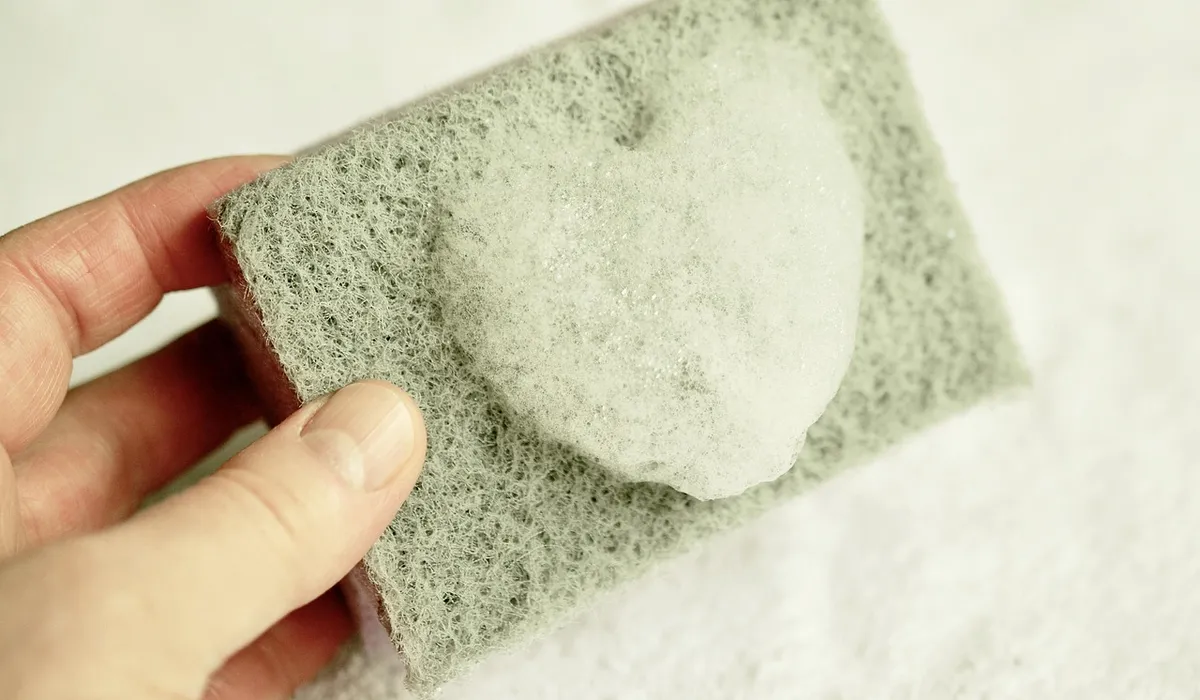
- Coarse Sponge: Perfect for pre-filters. It catches large debris and also houses a ton of bacteria. Rinse it in a bucket of old tank water during water changes.
- Filter Floss or Polishing Pads: These are fine pads that catch tiny particles. They give you that sparkling water clarity but clog fast and need frequent replacement.
- Dense Foam Blocks: Often used in canister filters, they provide layered mechanical filtration. Start with coarse foam, then move to finer pads for best results.
Always rinse mechanical media in removed tank water-tap water’s chlorine will kill the beneficial bacteria you’ve worked so hard to cultivate. For my tanks, I check sponges every two weeks; if the water flow slows, it’s time for a gentle rinse.
Biological Media: Home for Helpful Bacteria
This is where the magic of the nitrogen cycle happens. The goal is to provide maximum surface area in a small space for bacteria to grow.
Here are my top picks based on years of running planted systems:
- Ceramic Rings or Balls: A classic choice. They’re porous, affordable, and offer a huge surface area. I use them in almost every filter.
- Lava Rock: A natural, often overlooked option. It’s lightweight, incredibly porous, and looks great in DIY setups. Just break it into small pieces for your filter.
- Bio-Sponges: These combine mechanical and biological filtration. They’re brilliant for smaller tanks or shrimp bowls where space is limited.
- Specialty Bio-media: Products like matrix or porous gravel are designed for high density. They excel in heavily stocked tanks like one with an active Goldie.
Never replace all your biological media at once, even if it looks dirty-those bacteria colonies are precious and keep fish like Shadow from being exposed to toxic ammonia spikes. Simply swish it in old tank water to dislodge major sludge.
Chemical Media: The Occasional Assistants
In a planted tank, use chemical media sparingly and with purpose, as it can strip nutrients your plants need to grow.
Your main options are:
- Activated Carbon: Great for removing medication traces, tannins (from driftwood), and odors. I only use it for a week or two after treating an illness or to polish water for a show tank.
- Purigen: A synthetic resin that controls ammonia, nitrites, and nitrates organically. It’s rechargeable and fantastic for controlling yellow water without harming plant nutrition as much as carbon.
- Phosphate Removers: Useful if you’re battling persistent algae. Since plants use phosphate, only add this if tests show levels are excessively high.
- Peat or Almond Leaves: These natural options soften water and lower pH slightly, which can benefit certain fish and plants. They release tannins, giving a natural blackwater look.
For most established planted tanks, you can skip routine chemical media and let your plants and biological filtration handle nutrient balance. I only reach for it when facing a specific water quality issue that mechanical and biological steps can’t solve.
Crafting the Ideal Filter Media Setup
Setting up your filter isn’t about stuffing media in randomly. It’s about creating a layered environment where each stage has a clear job. Think of it as building a tiny, efficient wastewater treatment plant right inside your filter box.
The Layering Principle: Order in the Filter Box
Water should flow through your media in a specific sequence for best results. You want to catch debris *before* it can clog your precious biological media. The golden rule is mechanical first, biological second, and chemical (if used) last in the flow.
Here is the typical order, from where water enters to where it exits:
- Coarse Mechanical Media: A foam sponge or filter floss pad. This catches large debris like plant bits and fish waste.
- Fine Mechanical Media: A finer pad or dense sponge. This polishes the water, grabbing the tiny particles that made it past the first stage.
- Biological Media: Ceramic rings, porous lava rock, or specialized bio media. This is where your beneficial bacteria colony thrives, protected from gunk.
- Chemical Media (Optional): Bagged activated carbon or Purigen. This stage removes dissolved organics, odors, or medications and should be placed last.
This order keeps your biological zone clean and highly effective, ensuring the steady hum of your filter translates to crystal-clear, healthy water.
Can I Use Just Sponge or Only Bio Media?
I get this question all the time. While you *can* run a filter with just one type of media, it’s not ideal for a balanced, planted ecosystem. A sponge-only filter excels at mechanical filtration and hosts bacteria, but it can compact and clog, reducing flow and efficiency over time.
Bio-media only is a different problem. Those little ceramic rings won’t catch physical waste. Your water might test perfectly for ammonia, but it could look hazy with suspended gunk, and that debris will break down and fuel algae. For a truly polished tank, you need the team. I always recommend at least a combination of sponge for mechanical duty and a dedicated porous media for biological filtration; they complement each other perfectly.
Making Smart Choices for Your Tank
Your tank is unique, and your filter media should reflect that. A heavy-stocked goldfish tank has wildly different needs than a lightly stocked Betta sanctuary.
Matching Media to Tank Size and Stocking Level
This is where personal experience pays off. For my large, busy community tank, I over-engineer the biological stage. More ceramic media means more bacterial real estate to handle waste spikes. For tanks under 10 gallons, like a Betta tank, a single block of high-quality coarse sponge is often sufficient for both mechanical and biological filtration, keeping it simple and effective.
- Heavily Stocked / Large Tanks (40+ gallons): Prioritize maximum biological surface area. Use layered sponges *and* pack the filter with porous ceramic or matrix media.
- Medium Planted Tanks (20-40 gallons): A balanced mix works great. A sponge layer, followed by a generous amount of bio rings, covers all bases.
- Lightly Stocked / Nano Tanks (5-20 gallons): Don’t overcomplicate it. A good sponge filter or a hang-on-back with a sponge and a small bag of bio-media is plenty.
Ceramic Media vs. Bio Balls: A Friendly Showdown
Let’s settle this common debate. Both house bacteria, but their design leads to different best-use cases.
Ceramic media, like rings or noodles, is my go-to for most planted freshwater tanks. Its incredibly porous, craggy interior creates a massive surface area in a small space, perfect for the bacteria that keep your water safe. It’s efficient and stays put in most filter chambers.
Bio balls, with their open, plastic lattice design, are fantastic for wet/dry trickle filters where maximum oxygen exchange is possible. In a submerged canister or hang-on-back filter, bio balls offer less effective surface area than porous ceramic and can allow debris to pass through more easily.
The verdict? For the average submerged filter on a planted tank, ceramic media is the more effective, space-efficient champion. Save the bio balls for specialized sump or wet/dry setups. For a crystal clear aquarium, the best filter media balances mechanical and biological filtration, with ceramic rings leading the way in many planted tanks. Pairing them with regular rinses and appropriate stocking levels helps keep water crisp and transparent.
Filter Media and Your Planted Ecosystem
How Media Affects Nutrients and Water Parameters
Your filter media is the silent partner in your tank’s health, directly shaping the water your plants and fish live in. I’ve watched my own tanks transform when I matched the media to the specific needs of inhabitants like Captain Fin, who thrives in softer water, and Goldie, who prefers mineral-rich conditions. For instance, peat moss in the filter can gently acidify water, lowering pH to the 6.5-7.0 range bettas adore, while crushed coral slowly releases calcium to maintain the harder water (7.5-8.0 pH) goldfish need. To safely adjust pH levels, make changes gradually and monitor with a reliable test kit, ensuring swings stay within safe ranges. Pair media choices with regular water testing and avoid sudden chemical tweaks.
Different media types interact with plant nutrients in unique ways. Activated carbon is excellent for polishing water clarity, but it can also adsorb vital trace elements like iron and potassium that your stem plants depend on for vibrant growth. That’s why in my heavily planted tanks, I use carbon only temporarily after treating illnesses or to remove tannins.
- Biological Media (Ceramic rings, lava rock): These porous materials host nitrifying bacteria that convert ammonia to nitrate, a key plant nutrient. Their inert nature keeps water parameters stable.
- Mechanical Media (Dense foam, filter floss): By trapping particulate waste, they prevent organic matter from decaying and spiking ammonia levels, which protects delicate roots and fish like Shadow.
- Chemical Media (Ion-exchange resins, phosphate removers): These target specific dissolved compounds. An ion-exchange resin can soften water by removing calcium, directly impacting pH and plant mineral uptake.
Balance is everything. You want your media to support the nitrogen cycle without stripping the water of the compounds that act as fertilizer for your aquatic garden. I test for nitrate weekly; if levels stay near zero despite feeding, my plants are happy, but I might need to supplement. If nitrates climb above 20 ppm, I check that my biological media isn’t clogged and starving the bacteria.
Signs Your Filter Media is Working (Or Not)
A healthy filter makes its presence known through the tank’s vitality. The water has a sparkling clarity that lets you see every detail, from the shimmer of Captain Fin’s scales to the gentle sway of java fern. You’ll notice your fish are active and engaged-Goldie foraging busily and Shadow exploring rather than hiding constantly. This is typically the result of a well-functioning filter that effectively cleans and aerates the water.
Watch for these positive indicators that your media is effective:
- Consistent Water Parameters: Stable pH and steady, low readings for ammonia and nitrite over multiple weeks.
- Robust Plant Growth: New leaves emerge regularly, and stems show strong coloration without excessive algae on their surfaces.
- Steady Water Flow: The filter hums consistently without gurgling or a noticeable drop in output, showing media isn’t obstructed.
Problems often announce themselves clearly. A sudden bloom of green water algae often signals that phosphate is leaching from over-saturated media or that nutrient balance is off. If your water remains cloudy after a day or develops a yellowish tint, your mechanical or chemical media likely needs attention.
- Fish Stress Behaviors: Gasping at the surface, clamped fins, or loss of appetite can point to poor water quality from inadequate biological filtration.
- Unpleasant Odors: A foul smell from the filter or tank suggests anaerobic pockets have formed in clogged media, producing harmful hydrogen sulfide.
- Rapid Parameter Swings: If your pH drops unexpectedly, your buffering media like crushed coral might be exhausted.
Maintaining Your Filter Media for the Long Haul
How and When to Clean Filter Media
Proper cleaning preserves the essential bacteria while removing waste. I always clean my media in a bucket of water siphoned from the tank during a routine water change-this protects the beneficial bacteria from chlorine found in tap water. For my canister filter, I do this every three to four weeks, but for a hang-on-back filter with less volume, checking every two weeks is smarter. In a complete guide on how often to clean your aquarium filter, you’ll find recommended schedules for each filter type and bioload. Signs like reduced flow or cloudy water can indicate you should check sooner.
Follow this simple process to clean without causing a cycle crash:
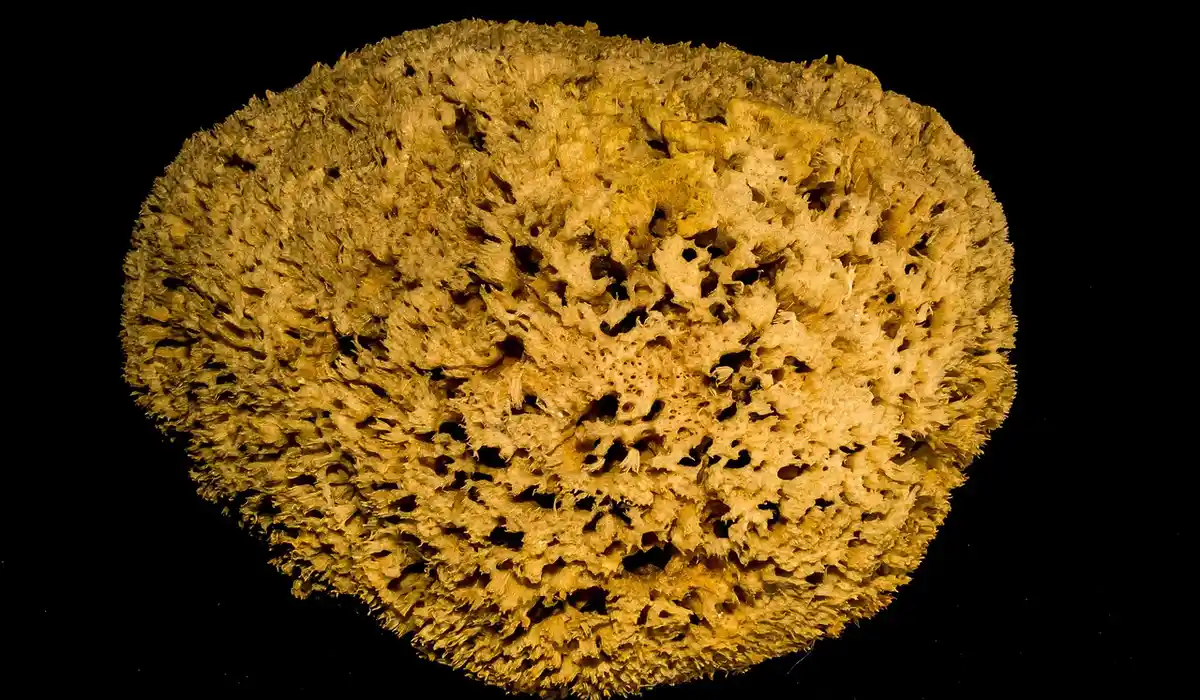
- Mechanical Media (Sponges, Floss): Gently squeeze and swish them in the old tank water until the runoff is mostly clear. Do this whenever water flow diminishes.
- Biological Media (Ceramic Rings, Bio Balls): Just give them a light rinse in the tank water if they’re visibly clogged. Avoid scrubbing; you want to keep the bacterial biofilm intact.
- Chemical Media (Bags of carbon, etc.): These aren’t cleaned. If they’re rechargeable, follow the product instructions. Otherwise, plan to replace them.
Let your tank’s bioload guide your schedule. My goldfish tank requires filter media checks every two weeks due to Goldie’s messy eating, while my betta’s filter can often go a month without intervention. Listen to the filter’s sound-a change in pitch often means it’s time for maintenance.
When to Replace Your Filter Media
Replacement is about observing wear, not just following a calendar. I replace filter foam only when it loses its structural integrity—becoming torn or too stiff to clean properly—which might be once every year or two. Never replace all your media at once; this can wipe out your bacterial colony and cause dangerous ammonia spikes. Also, consider how often different media should be replaced: chemical media is often swapped every month or two, while biological media is usually left in place longer to protect beneficial bacteria.
Use these guidelines to decide when to swap out media:
- Mechanical Media: Replace when it is physically breaking down or no longer trapping debris effectively, typically every 6-18 months depending on quality.
- Biological Media: It rarely needs full replacement. Porous ceramic or lava rock can last for years. If you must change it, do so in small portions over several months.
- Chemical Media: Replace as per its functional lifespan. Activated carbon is usually exhausted after 3-4 weeks, while phosphate removers may change color when saturated.
I learned this lesson the hard way early on. After replacing an entire tray of bio-media, I saw my usually feisty Captain Fin become lethargic within 48 hours due to an ammonia surge. Now, I practice staggered replacement, changing no more than one-third of any given media type at a time, and always monitoring my water tests closely afterward.
Common Questions
What are the best filter media for a planted tank?
The best media combine efficient mechanical and biological filtration. A layered setup with coarse sponge, fine polishing pads, and porous biological media like ceramic rings or lava rock is highly effective. Avoid routine chemical media that can strip vital nutrients from the water that your plants need to thrive.
How do I choose filter media for a planted tank?
First, assess your tank’s bioload (fish stock) and size to determine the necessary biological filtration capacity. Note that the best filtration system can differ by aquarium type—freshwater, planted, or marine—so tailor your choice accordingly. The “best” setup for a reef tank isn’t the same as for a heavily planted freshwater tank. Then, select durable mechanical media to handle waste and protect the biological stage. Always prioritize a balance that maintains crystal-clear water without removing the essential nitrates and minerals that fertilize your plants.
Is ceramic media or bio balls better for a planted aquarium?
For most standard submerged filters on a planted tank, porous ceramic media is the superior choice. Its intricate, craggy interior provides a much larger surface area for beneficial bacteria in a compact space compared to the open lattice of plastic bio balls. Bio balls are better suited for high-oxygen, wet/dry trickle filters, not the typical canister or hang-on-back filter.
What are some recommended brands of filter media for planted tanks?
Many aquarists trust brands like Seachem for their Matrix bio-media and Purigen chemical media, and Fluval for their biomax ceramic rings and foam pads. For high-quality sponges and filter floss, brands like AquaClear and generic coarse foam pads from filter manufacturers are reliable and cost-effective choices for building a robust system.
Final Thoughts on Filter Media
Choose filter media that prioritizes biological filtration with porous ceramics or sponges, and use mechanical media like coarse foam to catch debris without clogging. Different filter types work best for different setups—hang-on-back, canister, sponge, or internal. Choose the type that fits your tank size and stocking. By matching your media to your tank’s specific plant and fish load, you create a stable environment where clear water and healthy fish go hand in hand.
Your role as an aquarist involves regular filter checks and water tests to safeguard your pets’ health. Embrace the learning process-every tank teaches something new about the delicate balance of aquatic life, so keep exploring and asking questions.
Further Reading & Sources
- How to Customize Your Aquarium Filter with Filter Media – Aquarium Co-Op
- The definitve guide to filter media for planted tank – The 2Hr Aquarist
- Bio Media for Planted Tanks. | UK Aquatic Plant Society
- Tanks, Tank cycling & Filter media for planted tank – The 2Hr Aquarist
- THE MOST OVERLOOKED PART OF YOUR AQUARIUM – DustinsFishtanks
Lia is an expert in aquarium and pet fish care. Having worked in the marine industry and having cared for multiple pet fish, she has acquired first hand expertise on aquarium care, maintenance and setup. She always brings her practical expertise and science to help solve any aquarium related queries.
Filtration Systems