
Aquarium Pump Acting Up? No Sweat-Here’s How to Fix It Fast
Hello fellow fish keepers! That sudden quiet from your tank or an odd new gurgle from the filter can spike your anxiety. Your aquatic ecosystem relies on that consistent hum, and I’m here to help you get it back.
This straightforward guide breaks down the key fixes you need. We’ll walk through:
- Diagnosing a pump that refuses to start or has lost power.
- Silencing those annoying rattles, buzzes, and vibrations.
- Restoring strong, consistent water flow to your tank.
- Simple maintenance routines to stop problems before they begin.
You can trust this advice comes from hands-on experience-I’ve spent years keeping high-tech planted tanks thriving and breeding everything from feisty bettas to social goldfish.
First, Understand What Your Pump Should Sound and Feel Like
A healthy aquarium pump doesn’t scream for attention; it provides a reassuring, gentle hum that blends into your tank’s ambient soundscape. You should feel a consistent, mild vibration when you touch its housing, a sign it’s working hard without straining. If it begins to make extra noise, it’s worth checking for blockages, air in the line, or a loose mounting. Many noisy pumps can be fixed with a quick clean or realignment, but ongoing squealing may indicate wear that requires replacement.
I judge my pump’s health by the water clarity in my betta Captain Fin’s tank and the steady flow that keeps Goldie’s water oxygenated. Learn this baseline, and you’ll spot problems long before your fish show signs of stress.
Use this simple checklist to perform a quick pump wellness check:
- Audible Hum: A low, steady drone is normal. Any loud grinding, clicking, or total silence means trouble.
- Consistent Output: Air pumps should produce unwavering bubbles; water pumps must maintain a stable current without sputtering.
- Controlled Vibration: The unit should vibrate evenly. Erratic shaking often signals an imbalance or blockage.
- Water Movement: Observe the surface for consistent ripple and verify filter outflow is strong.
- Temperature Consistency: A good pump circulates heated water evenly, preventing cold spots.
When the Pump is Silent: Solving No-Start Issues
Step 1: Investigate the Power Supply and Electrical Safety
Always Start with a Safe, Unplugged Check
Your first move is always to unplug the pump from the electrical outlet. This non-negotiable step protects you from shocks and prevents further damage to the equipment.
Follow this order to eliminate power issues:
- Plug a different device, like a desk lamp, into the same outlet to confirm it’s live.
- Examine the entire power cord for damage, such as cuts, cracks, or chew marks from pets.
- Check the fuse in the plug head (if your model has one) and replace it with an identical rating if blown.
- Ensure the pump’s connection points are completely dry before considering a restart.
Step 2: Examine the Impeller for a Blockage
How to Access and Clear the Impeller Chamber
The impeller, the spinning heart of the pump, is a magnet for debris. I’ve rescued more pumps by cleaning impellers than any other fix, often finding sand or snail shells stuck inside.
Here is how to clean it safely:
- Unplug the pump and remove it from the filter or tank wall.
- Disassemble the pump casing according to its manual to reveal the impeller.
- Gently lift out the impeller and its magnetic shaft. Rinse both under lukewarm tap water.
- Use a cotton swab or soft toothbrush to clear any slime or grit from the impeller well and shaft.
- Reinsert the impeller, ensuring it spins freely with a flick of your finger, then reassemble the unit.
Step 3: Check for Motor Seizure or Damage
Identifying a Failed Motor
If power is good and the impeller is clean but the pump remains silent, the motor itself may have failed. A distinct burnt odor or discolored, melted housing near the motor are definitive signs it’s beyond repair.
Listen closely after plugging it in; a faint buzzing sound without movement points to a seized motor. While a gentle tap might temporarily jostle it loose, this is a short-term bandage for a problem that requires a permanent solution-replacement.
Fixing Weak Flow or No Water Movement
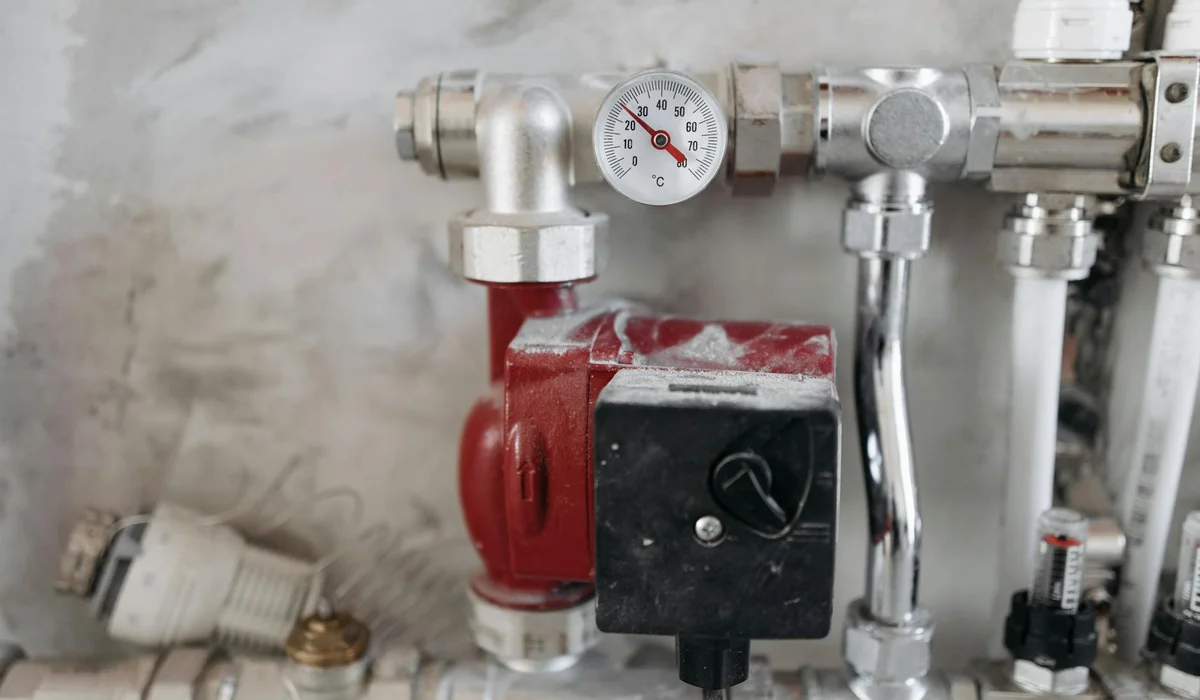
A sudden drop in current can send a chill down any aquarist’s spine. The gentle hum quiets, and you notice your fish hanging in still water. This is a call to action, as good water movement is the silent workhorse of a healthy tank, distributing heat, oxygen, and filtration.
Clearing Obstructions in the Water Path
Think of your pump’s water path as a highway. Any blockage creates a traffic jam. Start your investigation here, as this is the most common culprit.
- Intake Strainer: Unplug the pump first. Pull the strainer off the intake tube. That mesh can be clogged with plant matter, substrate, or a thick, slimy biofilm. Scrub it clean with an old toothbrush under warm tap water.
- Output Nozzle: Detach the nozzle or spray bar. Peer inside; you might find snail shells or debris wedged tight. A pipe cleaner or small brush works wonders here.
- Tubing and Hoses: Disconnect all tubing. Hold one end up to a light source and look through it. Algae and sludge love to coat the interior, narrowing the passage. Use a dedicated tubing brush or floss a flexible cable through it to scrub.
A thorough monthly cleaning of this entire water path prevents most flow issues before they even start.
Inspecting the Impeller and Pump Seals
If the path is clear, the problem lies within the pump’s heart. The impeller is a magnet-driven propeller that moves the water, and its chamber has crucial rubber seals.
- Carefully disassemble the pump housing according to its manual.
- Remove the impeller. Check its blades for cracks, chips, or excessive wear. Spin the magnet shaft with your fingers; it should rotate smoothly without grating.
- Examine the small rubber seal or gasket where the impeller sits. A cracked or deformed seal breaks the pump’s suction, causing it to spin but not pull water effectively.
- Clean every part in tank water (not soapy tap water) and reassemble, ensuring the impeller clicks neatly into its magnetic seat.
A worn impeller or damaged seal often causes a quiet hum with little to no output, signaling it’s time for replacement parts.
Addressing Airlocks and Backflow Problems
Sometimes the pump is fine, but physics is working against it. Airlocks happen when a bubble gets trapped in the pump chamber, breaking the water’s prime.
- To re-prime a hang-on-back or canister filter, I often pour a cup of tank water directly into the pump chamber to restart the siphon.
- For pumps placed below the tank, ensure the intake tube is completely water-filled before starting.
- Backflow from a positioned output can drain the siphon. Installing a simple check valve on the intake line prevents water from flowing backward when the pump is off, maintaining prime and protecting your floor.
- Always position the pump according to its design-submerged pumps must stay under, and external pumps have strict height limitations relative to the water line.
Quieting a Noisy or Vibrating Aquarium Pump
The peaceful aquarium ambiance should come from bubbling water, not a grinding pump. New noises are more than an annoyance; they’re symptoms. These could be signs of aquarium filter failure. Watch for reduced flow and cloudy water as early warnings.
Listen closely-the type of sound tells you exactly where to look for the problem.
Isolating the Source of Vibration
A loud, rattling hum typically means the pump is transmitting vibration into the tank stand or glass. This is usually an easy fix. For aquarium noise reduction, check the filter and pump setup for vibration and wobble. A simple pad or anti-vibration mount can help silence a noisy pump stand.
- First, check if the pump is sitting perfectly flat on its surface. A slight wobble amplifies sound.
- Ensure it isn’t touching the aquarium glass directly. Even slight contact turns the entire tank into a speaker.
- The best solution is isolation. Place the pump on a soft, dense foam pad. I use filter foam or a mouse pad cut to size. This dampens vibrations dramatically.
- For internal pumps, make sure the suction cups are clean and provide a firm hold.
Silencing Impeller Chatter and Cavitation Noise
A grinding, clicking, or high-pitched whirring points directly to the impeller assembly. Cavitation noise is a distinct humming or buzzing caused by the impeller spinning in a mix of water and air.
- Disassemble and clean the impeller and its chamber as described earlier. A single grain of sand can cause chatter.
- When reinserting, ensure the impeller is perfectly centered and can spin freely with a gentle flick.
- Cavitation often happens when the water level is too low for the pump’s design. Top off your tank to ensure the intake is fully submerged and the pump isn’t struggling to draw water.
- If your pump has a venturi tube for air injection, ensure it’s either fully open or fully closed; a partially open valve can create an erratic, annoying hum.
Securing Loose Tubing and Fittings
Don’t overlook the plumbing. Gurgles, whistles, and rattles often come from the connections, not the pump itself.
Inspect every connection point where tubing meets the pump, filter, or outlets. A loose hose on an output can flap with the current, creating a tapping sound. Tighten hose clamps snugly. For rigid tubing, ensure it’s seated fully in its barbed fitting. A small water leak often creates a tell-tale gurgling noise and can lead to bigger problems, so trace any moisture back to its source. Sometimes, simply adjusting the angle of the output pipe or spray bar stops a resonant vibration in the tubing.
Handling an Overheating Pump and Safety Concerns

Preventing Overheating Through Proper Maintenance
An overheating pump often announces itself with a worrying hum that sounds more stressed than usual, and touching the casing feels hotter than your tank water. This usually happens because the pump’s cooling system gets blocked, forcing it to work harder with less airflow or water flow. Let’s break down the common culprits so you can stop the problem before it starts.
- Clogged Intakes and Filters: A intake strainer choked with plant matter or debris, like the bits Shadow stirs up from the substrate, drastically reduces water flow. This starves the pump of both its job and its cooling source.
- Dust and Grime Buildup: For external pumps, a layer of dust acts like a warm blanket, trapping heat. I once found my canister filter’s pump covered in a fine layer of cat hair and dust-it was surprisingly hot to the touch.
- Poor Placement: Tucking a pump into a cramped cabinet corner with no air space around it is a recipe for overheating. It needs room to breathe.
Keep the area around your pump clear and make sure water moves freely through the intake. A simple visual check every time you feed Captain Fin can prevent most overheating issues.
Ensuring Electrical Safety Around Water
Water and electricity are a dangerous mix, but with a few smart habits, you can create a safe environment for your fish and yourself. The goal is to ensure that any accidental water contact never reaches a live electrical connection. When you add water to the tank, pour slowly from a pitcher to avoid splashes near outlets. Also, treat tap water with a conditioner before pouring.
First, always use a GFCI (Ground Fault Circuit Interrupter) outlet for any aquarium equipment. This approach aligns with an aquarium electrical safety guide, highlighting drip loops and GFCI outlets. These outlets will cut power in a fraction of a second if they sense a current leak. Second, create “drip loops” with all your power cords. This means arranging the cord so it dips down below the outlet before rising up to plug in, so any water drips harmlessly onto the floor instead of running into the socket. Finally, know your pump type. Never submerge a pump that isn’t explicitly designed for it. I keep my non-submersible powerheads well above the waterline, secured with suction cups, to avoid any risky slips.
Your Routine Maintenance Plan to Prevent Problems
Weekly and Monthly Cleaning Tasks
Consistency is key. A few minutes each week saves you from major headaches later. I tie my quick pump checks to my regular feeding routine, so it becomes second nature. Here’s a simple schedule to follow:
- Weekly: While doing a partial water change, rinse the pump’s intake strainer or pre-filter sponge in the old tank water. This preserves beneficial bacteria but removes clogging gunk.
- Monthly: Gently feel all tubing for kinks or cracks. Listen for changes in the pump’s sound and check that the output flow is strong and consistent, not weaker.
Quarterly Deep-Clean and Inspection
Every three to four months, give your pump a thorough checkup. This deep-clean can reveal wear and tear you’d never notice from the outside. Always unplug the pump first. Here are the steps:
- Disassemble the pump housing according to the manufacturer’s instructions.
- Remove the impeller and rinse it in tank water to clear any snail shells, sand, or algae.
- Inspect the rubber seal or O-ring for cracks or stiffness; a failing seal can leak or let in air.
- Look inside the impeller chamber for scoring or mineral deposits and gently clean it.
- Reassemble carefully, ensuring everything is seated properly to avoid vibrations.
Smart Practices for Reliable Operation
Beyond cleaning, a few proactive strategies keep your aquarium humming along smoothly. Having a backup air pump is the single best insurance policy for a power outage or main pump failure. It can save your biofilter and keep fish like Goldie oxygenated in an emergency. Always plug your setup into a surge protector to guard against voltage spikes from storms or appliances. Finally, monitor your flow rate. A sudden drop can signal a clog or impeller issue long before the pump stops. I notice it when the plants in my tank stop swaying gently in the current. Regular pump maintenance helps prevent unexpected downtime and keeps the flow steady. Set a simple schedule to clean the impeller and inspect seals every 4–6 weeks.
Common Questions
What are the most common reasons my aquarium pump gets loud?
A loud pump is often caused by a dirty or damaged impeller, vibration against the tank or stand, or an airlock in the system. Placing the pump on a foam pad and ensuring the water level is high enough for the intake are quick fixes. Regular cleaning of the impeller chamber is the best prevention for noise issues. Do you need an aquarium air pump? In many setups, yes—an air pump adds aeration and helps surface agitation, especially if the filter isn’t providing enough oxygenation.
Is a buzzing pump a serious electrical hazard?
A faint buzzing from a clean pump that isn’t starting can indicate a seized motor, which is an equipment failure, not an immediate shock hazard. However, any electrical device near water requires caution. Always use a GFCI outlet and ensure all connections are dry before handling a pump that is buzzing or malfunctioning.
Why is there water flow but it seems weaker than usual?
Weak flow is typically due to a partial blockage in the intake strainer, tubing, or output nozzle. It can also be caused by a worn impeller or a cracked pump seal that breaks suction. Checking and cleaning the entire water path from intake to output is the first and most effective troubleshooting step.
How often should I perform maintenance on my aquarium pump?
You should rinse the intake pre-filter weekly during water changes. A full impeller and seal inspection should be done every 3-4 months as part of a deep clean. Listening for sound changes and checking flow strength monthly helps catch issues early before they become major problems. For a complete guide on how often to clean your aquarium filter, see our comprehensive cleaning guide. It covers tailoring frequency to tank size, bioload, and filter type.
Keeping Your Aquarium Humming Along
The most reliable fix for a noisy or failing pump is a consistent, simple maintenance routine of cleaning intakes and impellers, paired with a calm, step-by-step check of power connections and tubing. Most problems stem from physical blockages or wear, not complex electrical faults, so always start with the simplest solution first.
Your diligent care for this piece of equipment directly supports the clear, oxygen-rich water your fish rely on to thrive. Knowing which essential maintenance tasks and frequency are necessary helps you maintain consistent water quality. View each little maintenance task as a meaningful step in a lifelong, rewarding journey of learning about the beautiful ecosystem you are building and sustaining.
Further Reading & Sources
- r/corydoras on Reddit: Need some tips or guide on how to fix this air pump thank you
- How to fix a fish tank pump that is not working – Quora
- Water pump broken, can I revive it? – General Chat – Aquarium Co-Op Forum
- Aquarium Air Pump Fix – Cheap Repair – YouTube
- r/Aquariums on Reddit: Fixed my broken airpump. (Mildly) Interesting how they work. Electromagnet with a small rubber membrane
Lia is an expert in aquarium and pet fish care. Having worked in the marine industry and having cared for multiple pet fish, she has acquired first hand expertise on aquarium care, maintenance and setup. She always brings her practical expertise and science to help solve any aquarium related queries.
Filtration Systems