
Clean-Up Crews: Your Freshwater Tank’s Built-In Maintenance Team
Published on: March 9, 2026 | Last Updated: March 9, 2026
Written By: Lia Annick
Hello fellow aquarium enthusiasts! Does the never-ending battle with algae film or uneaten food debris in your tank feel like a chore? What if you could harness a team of tiny, efficient helpers to handle that grunt work naturally?
This guide will walk you through everything from picking the right members to creating a balanced ecosystem. We’ll cover:
- The core benefits of adding a dedicated clean-up crew to your aquatic system.
- How to select the best snail, shrimp, and fish species for your specific tank conditions.
- Step-by-step tips for introducing and acclimating your new cleaners safely.
- Key insights into water chemistry and feeding habits that keep your crew thriving, not just surviving.
With multiple years of experience running high-tech planted systems and breeding fish like my feisty betta Captain Fin, I’ve seen firsthand how a good clean-up crew transforms tank health.
Your Tank’s Unsung Heroes: Defining the Clean-Up Crew
Think of your aquarium not just as a tank, but as a living, breathing miniature world. Every world needs its maintenance staff. Your clean-up crew is a carefully selected team of invertebrates and bottom-dwelling fish whose natural behaviors directly contribute to tank cleanliness and stability. They are not a substitute for your regular water changes and filter maintenance, but they are fantastic partners in the daily grind of ecosystem upkeep. For a comprehensive guide on maintaining a clean and healthy aquarium, check out our Aqua Care Master Class.
I like to categorize them by their primary job function. You have your vacuum crew, like Corydoras catfish and Malaysian Trumpet Snails, that constantly sift through the sand. Your window washers, such as Nerite and Mystery Snails, tirelessly scrape film from the glass. Then there are the detail-oriented landscapers, including Amano Shrimp and Otocinclus catfish, that meticulously clean plant leaves and hardscape of algae and debris.
How a Tiny Crew Creates a Healthier Tank Ecosystem
The magic of a clean-up crew lies in their constant, quiet work. By processing organic matter before it fully decomposes, they directly short-circuit the nitrogen cycle, preventing dangerous ammonia and nitrite spikes that stress your fish. This creates a more stable environment where your finned friends, like my responsive betta Captain Fin or social Goldie, can truly thrive without invisible water quality threats.
They Tackle Leftovers and Waste
Even the most careful feeder ends up with a crumb or two sinking to the bottom. Left alone, that uneaten food rots. Clean-up crew species are nature’s waste processors, actively seeking out and consuming this uneaten food, decaying plant matter, and even fish waste. My Corydoras, Shadow, is a pro at this, turning over the sand in his search for edible bits. This constant scavenging removes the primary fuel for problematic algae and keeps your substrate aerated.
- Shrimp and Snails: Excellent for consuming soft, decomposing plant matter and leftover fish food.
- Corydoras Catfish & Loaches: Specialize in rooting through substrate for any edible morsels, preventing toxic gas pockets.
- Plecos (small species): Often consume wood and vegetable-based leftovers, but require supplemental feeding.
They Wage War on Algae
Algae is a fact of aquarium life, but it doesn’t have to take over. A dedicated algae-eating crew acts as a living, renewable control method, grazing on surfaces you can’t easily reach. They work around the clock, often in the nooks and crannies of driftwood or the undersides of plant leaves where algae first establishes. I’ve found that a combination of species works best, as some prefer soft film algae while others tackle tougher green spot varieties. Many hobbyists also find that fish and shrimp are among the best cleaners for aquarium algae. For example, Amano shrimp and otocinclus are particularly effective partners in the algae-cleanup crew.
- Amano Shrimp: The champion consumers of hair and thread algae, often ignored by other creatures.
- Nerite Snails: Unbeatable for scraping hard green spot and film algae from glass and hardscape. They cannot reproduce in freshwater.
- Otocinclus Catfish: Tiny, peaceful sucker-mouth fish that are specialists in soft brown diatom algae on plant leaves.
They Maintain Surfaces and Stir the Substrate
Beyond just eating, the physical activity of your clean-up crew provides critical tank benefits. Their constant movement prevents detritus from settling and compacting, which stops the formation of anaerobic pockets in your sand or gravel that can release harmful hydrogen sulfide gas. Watching a team of shrimp pick over a leaf or a snail glide across the front glass is not just relaxing-it’s a sign of a actively maintained ecosystem.
This surface maintenance also helps your plants. By keeping leaves free of algae and silt, they ensure your plants can photosynthesize efficiently, which in turn helps them outcompete algae for nutrients. It’s a beautiful, symbiotic cycle where every member of your tank community, from the flashy show fish to the humble shrimp, plays an interconnected role. In a planted aquarium, this kind of algae control in planted aquariums is essential for keeping the plants healthy and the water clear. With consistent maintenance, you’ll naturally curb unwanted algae and support a balanced ecosystem.
Meet the Crew: A Guide to Common Freshwater Scavengers
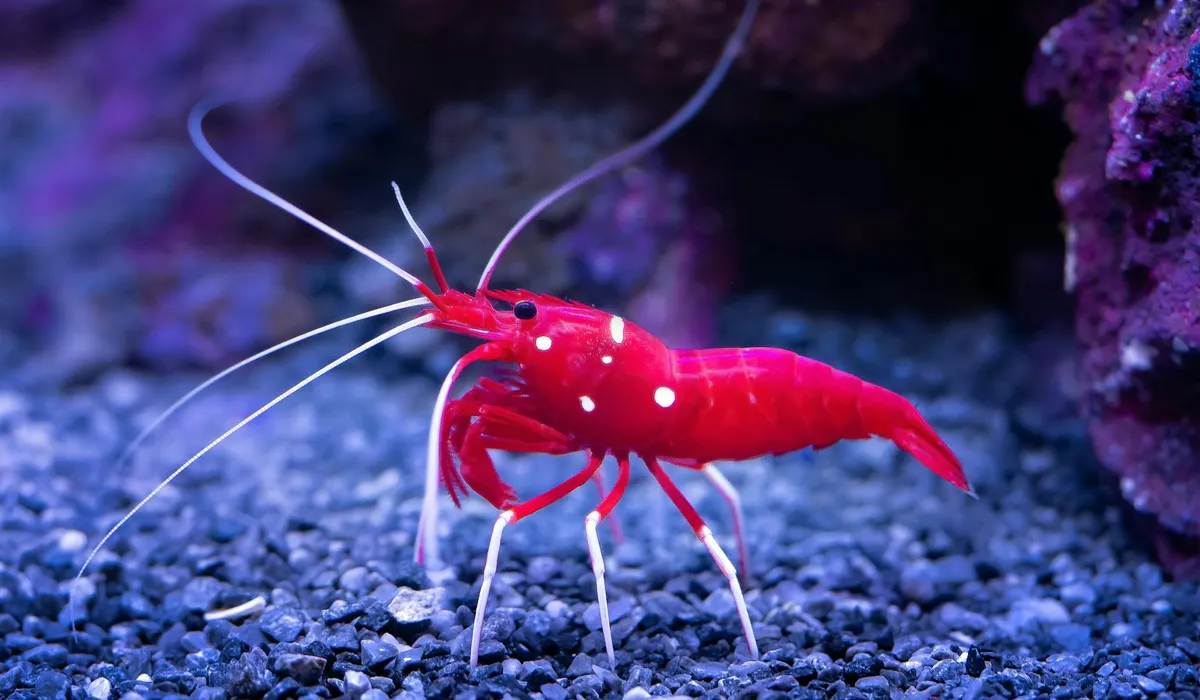
Think of your tank’s clean-up crew as specialized maintenance staff, each with a specific job that keeps the entire ecosystem sparkling. Getting the right mix of these helpers can turn a chore-filled tank into a nearly self-cleaning habitat. I’ve leaned on these critters for years to manage my own aquariums, and they make a world of difference in water clarity and fish health.
The Algae Patrol: Snails and Suckermouths
This team focuses on the green film and spots that cloud your glass and decorate your decor. Snails are the tireless window-washers of the aquarium, slowly but surely grazing surfaces clean. My personal favorites are Nerite snails; their zebra-striped shells add visual interest, and they cannot overpopulate a freshwater tank. Interested in the different types of aquarium snails? Here’s a quick visual guide to the main varieties.
For larger tanks, Mystery snails are fantastic performers. They glide along the waterline munching algae and will even eat leftover fish food. Just remember that most snails need harder water, around 7.0 to 8.0 pH, to maintain their shells. It’s also crucial to provide appropriate snail diet to keep them healthy.
Suckermouth catfish, like the tiny Otocinclus, are algae-eating powerhouses. A group of six in a 20-gallon tank can keep plants and surfaces pristine. Always research the adult size of plecostomus species, as common varieties can outgrow small tanks rapidly. I avoid large plecos in community setups; a bristlenose pleco staying under 6 inches is a much better fit for most aquarists.
- Nerite Snails: Excellent algae grazers, cannot reproduce in freshwater, need a pH above 7.0.
- Amano Shrimp: Actually belong in the detritus squad, but are legendary for eating hair algae that snails ignore.
- Otocinclus Catfish: Peaceful, small (under 2 inches), must be kept in groups. They thrive at 72-78°F.
- Bristlenose Pleco: A manageable sucker-mouth catfish, ideal for tanks 30 gallons or larger.
The Detritus Squad: Shrimp and Bottom Feeders
While the algae patrol works on the walls, this crew tackles the waste that settles on the bottom. Detritus is just a fancy word for the organic gunk-uneaten food, fish waste, decaying plant matter-that can foul your water. My Corydoras, like Shadow, are the heart of this operation, constantly sifting through the sand with their whisker-like barbels.
Freshwater shrimp, like Cherry or Amano shrimp, are the ultimate detailers. They pick over every leaf and hardscape crevice, consuming biofilm and tiny particles you can’t even see. A thriving shrimp colony is a sign of a very healthy tank. For heavier waste, consider larger bottom feeders like Kuhli loaches, which burrow and aerate the substrate. If you’re setting up a shrimp-focused invertebrate aquarium, start with a cycled tank, gentle water flow, and plenty of hiding places. A stable, biofilm-friendly environment helps shrimp thrive and makes maintenance easier.
- Cherry Shrimp: Prolific breeders, eat biofilm and detritus, prefer stable water with a pH of 6.5-7.5.
- Corydoras Catfish: Peaceful, social, and must be kept in groups of 6 or more. They need soft sand to protect their delicate barbels.
- Amano Shrimp: Larger than Cherry shrimp, superb algae and detritus eaters, but won’t breed easily in freshwater.
- Kuhli Loach: Eel-like and shy, they excel at stirring up substrate to prevent dead spots.
Choosing Your Team: Compatibility and Considerations
Picking clean-up crew members isn’t just about what they eat; it’s about creating a harmonious tank community. The wrong combination can lead to stressed animals or even become a costly snack for your fish. I learned this the hard way when a feisty betta decided my shrimp were an expensive buffet.
First, match temperament and size. Delicate Cherry shrimp will vanish in a tank with large, aggressive cichlids. Small, peaceful scavengers like Otocinclus or Corydoras are safe bets for community tanks with fish like tetras or guppies. Always check the adult size of any sucker-mouth catfish to avoid a monster that outgrows its home.
Water parameters are non-negotiable. You can’t keep Caridina shrimp, which need soft, acidic water, with African cichlids that require hard, alkaline conditions. Test your water’s pH, hardness, and temperature first, then choose a crew that thrives in that specific environment. Most common cleaners do well in a neutral pH range of 6.8 to 7.8 and temperatures between 72-78°F.
Remember, a clean-up crew is a supplement, not a substitute for your own maintenance. These animals still require targeted feeding, like algae wafers for bottom feeders, to stay healthy and do their jobs well. Overstocking them leads to competition and hunger. Start with a small team, observe how they handle your tank’s waste, and adjust from there. Your fish, and your weekly routine, will thank you.
- Assess your tank’s current inhabitants for aggression or size conflicts.
- Test your water parameters (pH, GH, KH, temperature) to ensure compatibility.
- Select species based on your primary need: algae control or detritus removal.
- Purchase in appropriate social groups (e.g., 6+ Corydoras).
- Plan to provide supplemental sinking foods to keep your crew well-fed.
Introducing Your Clean-Up Crew: A Step-by-Step Acclimation
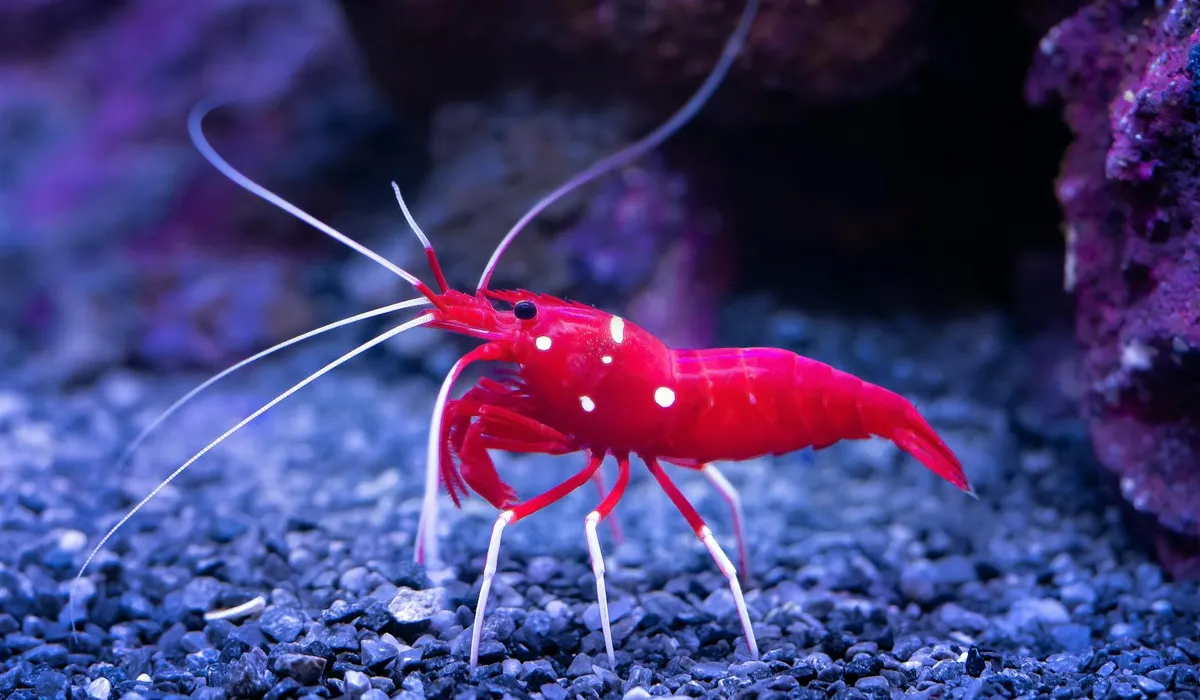
Bringing your new crew home is exciting, but rushing them into the tank is a common mistake. I’ve learned the hard way that sudden changes in water chemistry can shock even the hardiest species. The goal is to let them adjust to your tank’s specific temperature and water parameters slowly and safely.
The most reliable method is drip acclimation. It mimics a gradual environmental shift, giving their systems time to adapt. Use it when transferring to a new tank or when water parameters differ (such as salinity, temperature, or pH). It’s especially important for sensitive species or stressed animals.
- Float the unopened bag in your tank for 15 minutes to equalize temperature.
- Carefully open the bag and pour its contents into a clean bucket.
- Use airline tubing and a valve to start a siphon from your tank to the bucket, tying a loose knot to regulate flow to 2-4 drips per second.
- Once the water volume in the bucket has doubled, discard half of it.
- Gently net your creatures from the bucket and release them into the tank. Never pour the store water into your ecosystem.
For sensitive bottom dwellers like Shadow the Corydoras, this patience is non-negotiable. I’ve seen immediate, lively exploration from fish acclimated this way versus days of hiding from those that were just dumped in.
Beyond the Hype: Realistic Expectations for Your Crew
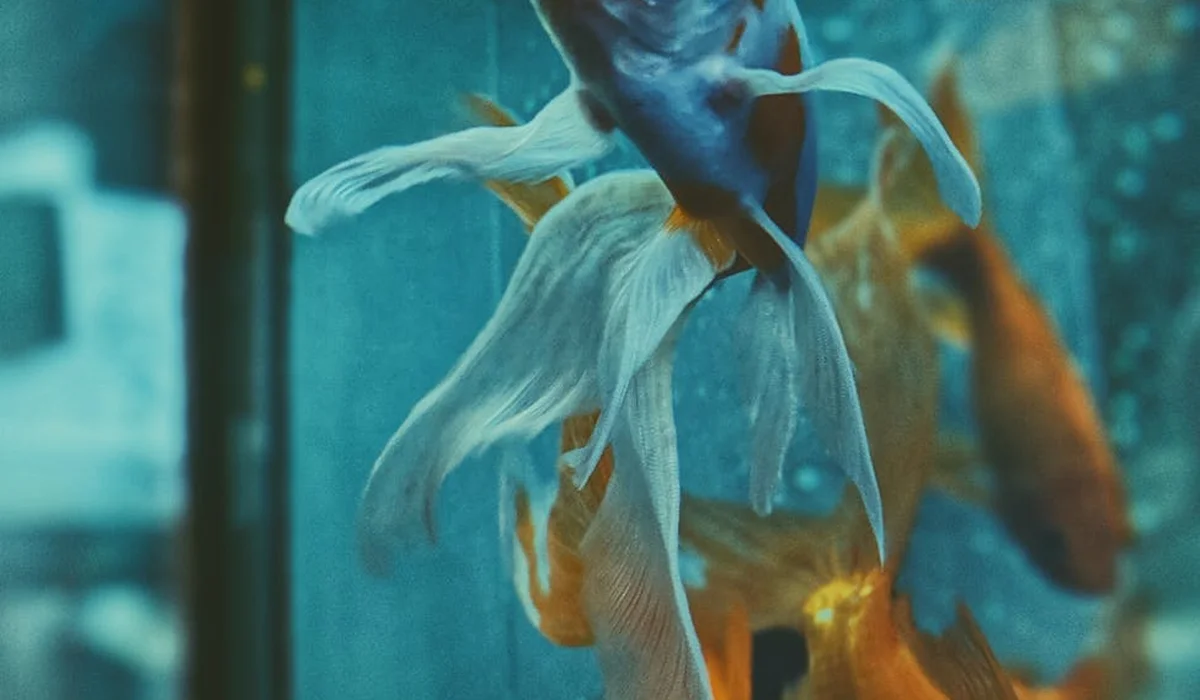
It’s easy to imagine a spotless, self-cleaning tank once your crew is in place. The reality is more nuanced, and managing expectations will save you frustration. Think of your clean-up crew as specialized assistants, not a magic eraser for skipped maintenance.
They Are Not a Replacement for Maintenance
No creature will polish the glass, deep-clean filter sponges, or remove the mulm that builds up under decor. Their work is supplemental. A snail might graze on a thin film of algae, but it won’t scrape down a thick green wall. Your weekly water changes and vacuuming remain the cornerstone of a healthy environment, no matter how many shrimp you have. The crew manages the bits between your maintenance, not the maintenance itself.
You Still Need to Feed Them
This is a critical point many beginners miss. In a brand-new or impeccably clean tank, your algae eaters and scavengers will simply starve. You must provide targeted sustenance. I offer my crew bottom-feeder wafers, blanched zucchini slices, and repashy soilent gel. Observing them gather for a dedicated feeding assures me they’re getting proper nutrition, not just surviving on scraps. A well-fed crew is a happy, effective crew.
Potential Pitfalls and Population Control
Some helpers can become headaches if not chosen carefully. Small “pest” snails, often hitchhiking on plants, can explode in population if there is excess food. Certain shrimp, like some Neocaridina, will breed readily. You must be prepared to manage populations through controlled feeding, manual removal, or introducing a natural predator like a single assassin snail. Always research the reproductive style of any creature before it joins your tank to avoid an overwhelming boom.
FAQs
Where can I buy a freshwater clean-up crew?
You can purchase freshwater clean-up crews from various sources. Online retailers and specialized aquarium websites offer a wide selection and can ship directly to you. Alternatively, your local fish store is an excellent place to see the animals in person and get immediate advice from knowledgeable staff.
What is the best freshwater clean-up crew for a beginner?
The best beginner crew depends on your tank size and existing fish. A classic, hardy combination includes Nerite snails for algae, Amano shrimp for hair algae and detritus, and a small school of Corydoras catfish for the substrate. When assembling a community tank, it’s essential to choose compatible fish by evaluating each species’ temperament and space needs. This makes it easier to pick compatible fish for your community tank and promotes a peaceful, thriving setup. Always choose species compatible with your water parameters and tank mates to ensure their success.
How useful are freshwater clean-up crew reviews?
Reviews are very useful for understanding the real-world behavior and hardiness of species from other hobbyists. Look for patterns in feedback about a creature’s algae-eating efficiency, breeding rate, or specific care needs. Cross-reference reviews with trusted care guides to form a complete picture before making a purchase.
Where can I find freshwater clean-up crews for sale near New Jersey?
Many local fish stores in and around New Jersey carry clean-up crew species. It’s beneficial to visit stores to assess the health of the animals firsthand. You can also check with regional aquarium societies or online marketplaces that allow for local pickup to find available stock near you.
Your Tank’s Ecosystem Partners
The clearest takeaway is that a “clean up crew” works *with* you, not *for* you; they are living partners in your tank’s ecosystem, not a substitute for your own regular maintenance. Choose their members based on the specific “cleaning” job you need done and, most importantly, ensure your tank’s water quality and layout meet their needs for a long, healthy life.
Committing to any aquarium creature means committing to understanding its world, which is a wonderfully rewarding journey that never really ends. Stay curious, ask questions, and enjoy the process of learning alongside your finned and scaly friends—your thriving tank will be the best reward. In our ultimate guide to aquarium territorial behavior, you’ll learn how to recognize territory signals and design a layout that supports peaceful coexistence. This knowledge helps prevent stress and aggression in your tank.
Further Reading & Sources
- How to Clean a Fish Tank the RIGHT Way in 12 Easy Steps – Fish Vet
- r/Aquariums on Reddit: Golden Rules Of Keeping Aquariums for Beginners. Everyone should know !
- How to Maintain a Freshwater Aquarium – Fresh Water Systems
- Routine Freshwater Aquarium Maintenance
- Setup and Maintain a Freshwater Aquarium
Lia is an expert in aquarium and pet fish care. Having worked in the marine industry and having cared for multiple pet fish, she has acquired first hand expertise on aquarium care, maintenance and setup. She always brings her practical expertise and science to help solve any aquarium related queries.
Aquatic Invertebrates