
Baking Soda for Your Tank: A Safe, Step-by-Step Guide to Raising pH and KH
Hello fellow fish keepers! If you’re staring at a water test kit showing low pH or KH and feeling that pang of worry for your aquatic buddies, I get it. Using plain baking soda can be a simple and effective solution to stabilize your water and bring peace back to your tank.
This guide cuts through the confusion and gives you the clear, actionable steps I use myself. Here’s exactly what we’ll cover:
- The crucial difference between pH and KH and how they interact in your aquarium’s ecosystem.
- How baking soda chemically alters your water without harmful side effects when done properly.
- A precise, gradual method for adding baking soda to prevent shocking your fish and plants.
- How to test and monitor the changes for perfect, long-lasting results.
- Smart alternatives and maintenance tips for keeping your water parameters rock-solid.
My advice comes from hands-on years of running complex planted systems and breeding fish that demand perfect water conditions.
Understanding pH and KH: Your Tank’s Chemical Anchor
Imagine your aquarium water as a living, breathing entity where pH and KH are in a constant dance. pH is the immediate measure of how acidic or basic your water is, like checking the weather outside right this second. But without KH, that reading is fragile and can change with a single rainstorm or sunny day. GH, or general hardness, is the calcium and magnesium in your water. Understanding GH alongside KH helps you predict how stable your pH will be and how your tank inhabitants will respond to changes.
What is KH and Why Does It Matter More Than pH?
KH, or carbonate hardness, is your water’s innate ability to resist pH swings. While everyone fusses over pH numbers, seasoned keepers like me watch KH because it’s the true guardian of stability. I learned this the hard way when a low KH tank made my usually feisty Captain Fin lethargic after a simple water change. Understanding both GH and KH in aquariums is crucial for maintaining a healthy environment for your fish.
Think of it this way: pH is the current speed of your car, but KH is the quality of the brakes and steering. You can have a great speed, but without control, you’re headed for a crash. For shy bottom-feeders like Shadow, a stable KH means they feel secure enough to venture out from their plant cover.
- KH is measured in degrees (dKH) and directly fights acid buildup from fish waste and decaying food.
- A KH below 3 dKH offers little buffering, inviting dangerous pH crashes that stress even hardy fish like Goldie.
- Aim for a KH between 4-8 dKH for most community tanks, creating a chemical anchor that holds pH steady.
Testing KH is simple with a drop test kit. Making this a weekly habit saves you from frantic emergencies and keeps your ecosystem in harmony.
The Simple Chemistry of Baking Soda (Sodium Bicarbonate)
Plain old baking soda from your pantry is sodium bicarbonate, a crystal-white powder that’s a fish-keeper’s secret weapon. It’s a pure, cost-effective buffer that directly targets low KH without introducing harmful additives. I’ve used it for years to gently correct soft, unstable water in my breeding tanks.
How Baking Soda Interacts with Your Aquarium Water
When baking soda hits your tank water, it undergoes a quiet transformation. The sodium bicarbonate separates into sodium ions and precious bicarbonate ions that your water eagerly absorbs. These bicarbonate ions are the building blocks that raise your KH number.
This process is beautifully straightforward. As KH rises, it consumes excess hydrogen ions, which naturally allows the pH level to climb and stabilize. You’ll notice the water clarity improve and that nervous shimmer from your fish subside as conditions settle.
Follow these steps to add it safely:
- Always dissolve one teaspoon of baking soda in a cup of tank water first. This prevents undissolved powder from settling on your fish or plants.
- Pour this solution slowly into a high-flow area, like near your filter output. The current will mix it thoroughly, preventing any localized spikes.
- Wait a full hour, then retest your KH and pH. Patience here is non-negotiable to avoid overshooting your target.
A general rule is that one teaspoon per 10 gallons raises KH by roughly 1.5 dKH. I add even less for my tanks, starting with a half dose and observing for a day before adding more. The goal is the gentle hum of a balanced filter, not a chemical revolution.
Your Safe, Step-by-Step Guide to Dosing Baking Soda

Making changes to your water chemistry should feel deliberate and calm, like a science experiment, not a frantic race. Test regularly to maintain proper water parameters for your aquarium. Regular testing helps you spot trends before problems arise. Follow these steps to ensure stability for your aquatic friends.
Step 1: Accurate Testing Before Any Action
Never guess. Your first move is to get crystal-clear numbers for both your current pH and KH (Carbonate Hardness). A liquid drop test kit is non-negotiable here; those test strips are often too vague for such a precise task. Write down your results. This tells you your starting point and, more importantly, just how much buffering capacity your water has left before it becomes unstable.
Step 2: Calculating Your Dose Precisely
Here’s the simple math that prevents big trouble. A standard rule is that 1 teaspoon (about 5.5 grams) of baking soda dissolved in 50 gallons of water will raise the KH by roughly 1 degree (17.9 ppm).
- Figure out your aquarium’s actual water volume (tank size minus substrate and decor).
- Decide how many degrees you want to raise your KH. A gentle increase of 1-2 degrees dKH is a safe weekly target.
- Do the calculation: (Desired dKH increase / 1) * (Your Tank Gallons / 50) = Teaspoons of baking soda needed.
For example, to raise a 20-gallon tank by 1 dKH: (1 / 1) * (20 / 50) = 0.4 teaspoons. Measuring with a proper 1/4 teaspoon measure is perfect for this.
Step 3: The Gentle Addition Method
You never pour powder directly into the tank. Always dissolve the measured baking soda in a cup or jug of water taken from your aquarium. Stir until it’s completely clear. Now, add this solution to a high-flow area of your tank, like near the filter output, over the course of 30-60 minutes. I use a slow-dripping turkey baster or just pour a tiny bit every few minutes. This slow integration prevents any shock to your fish.
Step 4: The Waiting Game and Retesting
Patience is your best tool. Let the tank circulate for at least 2-3 hours. Then, test your KH and pH again. You are looking for a confirmed, modest increase that matches your calculation – this confirms you did everything correctly. If you’re unsure how to test your aquarium water properly, follow a step-by-step guide for testing aquarium water. If the numbers haven’t budged enough, you can repeat the process the next day, but never try to force a large change in a single dose.
Tools for Success: Test Kits and Measurement
Your mission’s success hinges on two simple tools: a reliable liquid KH/GH test kit and proper measuring spoons or a small digital scale. View these not as expenses, but as lifelong investments in your tank’s stability. I keep a dedicated notebook by my tanks to log every test and adjustment; this history is priceless when troubleshooting.
Avoiding the Pitfall of Mis-Dosing
The single biggest mistake is eyeballing the powder or trying to raise pH/KH too quickly. A rapid pH swing is far more dangerous to fish like my shy Corydoras, Shadow, than a slightly low but stable pH ever was. Baking soda adjusts KH, which then stabilizes pH; it is not a direct pH “quick fix.” If you add a large amount all at once, you risk a sudden chemical shift that stresses fish immune systems, leading to illness. Always dose conservatively and let time work for you.
Important Safety Notes and Potential Risks
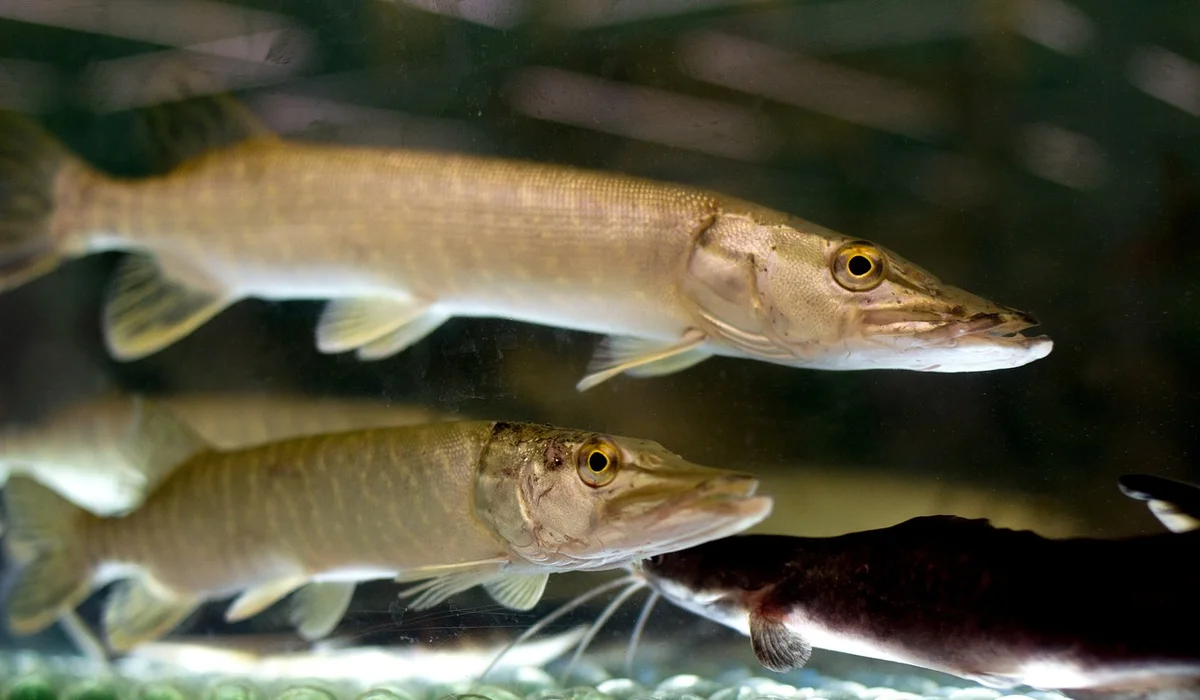
Adding any chemical to your tank water demands a gentle, measured approach. Baking soda is powerful, and the biggest danger is changing your water parameters too fast.
A sudden spike in pH can send your fish into osmotic shock, damaging their gills and scales, and that stress is often a silent killer. Imagine going from a calm meadow into a raging storm in seconds—that’s the physiological toll on your fish. This is often referred to as pH shock in fish.
Always dissolve the baking soda in a separate container of tank water before slowly dripping it into the aquarium over an hour. Never just sprinkle the powder directly into the tank.
When to Choose a Different Buffering Method
Baking soda is a fantastic tool, but it’s not the right tool for every job. Its primary effect is on the KH, with pH rising as a consequence. For some setups, this isn’t ideal.
If your tank houses sensitive species like discus, cardinal tetras, or most soft water fish that thrive in a pH below 6.5, using baking soda to adjust your water is fighting against their biology. You’ll create constant parameter battles. To safely adjust and fix pH levels in your tank, make slow, gradual changes and test frequently. Use aquarium-safe buffers or perform careful partial water changes instead of quick fixes.
It’s also not the best long-term solution for tanks with very low KH that crashes constantly. The sodium bicarbonate it adds doesn’t last forever and can lead to a “yo-yo” effect if you’re not testing and dosing constantly.
In these cases, a more stable, set-and-forget method is kinder to your ecosystem. My shy corydoras, Shadow, much prefers when I let natural minerals do the slow, steady work.
Beyond the Box: Other Ways to Boost KH and pH Naturally
If the idea of frequent chemical dosing doesn’t sit right with you, nature provides excellent, slower-acting buffers. These methods integrate into your tank’s landscape for a more hands-off stability.
Crushed coral or aragonite sand in your filter media bag is my go-to hack for gently bolstering KH and pH; it dissolves at a rate proportional to the water’s acidity, acting as a natural safety valve. It’s a beautiful self-regulating system.
Certain types of limestone or Texas holey rock for aquascaping will also slowly leach minerals that increase hardness and pH. You get a stunning hardscape and a functional benefit. In aquascaping, hardscape materials like rocks and driftwood are used to build the layout and structure. They shape water flow and create microhabitats while enhancing the overall look.
Don’t overlook your source water. Performing partial water changes with harder tap water (if it’s safe and chlorine-free) can consistently replenish minerals. It’s often the simplest, most overlooked tool we have.
Each method has its own rhythm. Baking soda is like turning up a dimmer switch quickly, while crushed coral is like allowing the dawn sun to gradually fill the room. Choose the rhythm that best suits the life in your care.
FAQs
Are there any recommended apps for calculating baking soda doses?
Yes, several aquarium-specific apps and online calculators can help estimate baking soda amounts based on tank volume and desired KH. However, always verify their recommendations with your own liquid test kit results for accuracy. Relying solely on apps without testing can lead to dosing errors in your unique setup.
Is there a standard baking soda dosing chart I can follow?
General charts suggest about 1 teaspoon per 50 gallons raises KH by ~1 dKH, but they are guidelines only. Your tank’s specific conditions, like decor and bioload, can alter the effect. Use charts as a starting point, then adjust based on gradual testing to avoid sudden parameter shifts.
What should I do if I accidentally raise the pH too high with baking soda?
Immediately stop adding baking soda and perform a 20-25% water change without shocking your fish with dechlorinated water that matches your target pH. Do this slowly to avoid shocking your fish. Ensure the replacement water is temperature-matched and poured gradually. Avoid using chemicals to lower pH quickly, as rapid swings are harmful. Monitor fish for stress and test frequently until parameters stabilize naturally.
Can baking soda be used in saltwater aquariums to adjust alkalinity and pH?
Baking soda is not ideal for saltwater tanks; it can affect salinity and lacks essential elements like calcium. Instead, use marine-specific buffers or two-part additives designed for reef systems. These maintain alkalinity and pH without disrupting the delicate balance required for corals and saltwater fish.
Wrapping Up: Safe Adjustments with Baking Soda
Using baking soda is a simple way to boost your water’s KH and pH, but success comes from making tiny adjustments over several days and never adding powder directly to the tank. Always dissolve it in dechlorinated water first, dose slowly, and let your reliable liquid test kit guide every single move you make.
Caring for an aquarium is a journey of constant observation and gentle tweaks, where patience is your most valuable tool. Committing to this mindful approach not only keeps your fish thriving but deepens your own rewarding connection to the shimmering, living world you’ve created. A month-by-month care plan helps you stay on track. A full-year planner keeps your tank thriving all year long.
Further Reading & Sources
- Sodium bicarbonate – Wikipedia
- Baking soda dosage to raise PH? | MonsterFishKeepers.com
- Sodium Bicarbonate | NaHCO3 | CID 516892 – PubChem
- Nice Baking Soda KH and pH Calculator | Aquatic Plant Forum
- Baking soda to raise PH? [Archive] – Koiphen.com
Lia is an expert in aquarium and pet fish care. Having worked in the marine industry and having cared for multiple pet fish, she has acquired first hand expertise on aquarium care, maintenance and setup. She always brings her practical expertise and science to help solve any aquarium related queries.
Water Quality