
Do You Need to Remove Fish During a Water Change? The Stress-Free Truth
Hello fellow fish keepers! If you’ve ever frozen with a siphon in hand, heart skipping as your fish scatter, you know that nagging worry: should I take them out? I get it-that concern for their well-being is what makes you a great aquarist. Today, I’m here to tell you that you can almost always skip the net and keep your fish safely in their home.
This guide cuts through the confusion and covers the key aspects you need for confident, fish-in water changes:
- The core reasons why removing fish is typically unnecessary and more stressful for them.
- A detailed, gentle step-by-step process for partial water changes that leaves fish undisturbed.
- Critical equipment choices that protect your fish from temperature shock and parameter swings.
- The specific, rare scenarios where temporary removal is actually the kinder option.
My advice comes from years of hands-on experience running complex planted tanks and breeding a variety of fish, from my responsive betta Captain Fin to my foraging goldfish Goldie.
The Short Answer: Why Netting Your Fish is Usually a Mistake
Think about the last time you felt truly startled-your heart probably raced. That’s exactly what happens to your fish when a giant net invades their home. The chase, the confinement, the drastic shift in temperature and water chemistry as they’re plopped into a temporary bucket-it’s a massive shock to their system. This stress directly weakens their immune system, making them far more susceptible to diseases like ich or fin rot that might have been lying dormant.
I learned this the hard way with my betta, Captain Fin. He was feisty and always came to the glass at feeding time. One water change, I decided to net him out to “keep him safe.” For days after, he hid, lost his vibrant color, and refused to eat. I realized I hadn’t protected him; I had terrified him. Physical injury is another real risk. Delicate fins, like those of a Crowntail Betta, can tear on the net mesh. Scales or the protective slime coat can be scraped off, opening the door for infection.
The process of catching them also churns up debris from your substrate and stresses every other creature in the tank. Your shy Corydoras, like my Shadow, will bolt for cover, and your foraging Goldie will panic. In nearly all routine water changes, the risk of harm from removal is significantly greater than the risk of leaving them calmly in their environment.
Understanding the Real Goal: Stability Over Sterility
Our goal isn’t to create a sterile, hospital-like tank. It’s to cultivate a stable, thriving ecosystem. A healthy aquarium is a living, breathing world of beneficial bacteria, stable water parameters, and accustomed fish. Think of your tank not as a glass box of water, but as a miniature lake with its own established rhythms and balance. Our job during maintenance is to support that balance, not upend it.
When you siphon out 20-30% of the water, you’re primarily removing nitrate, the end product of the nitrogen cycle, and dissolved organics. You’re not “resetting” the tank. The vast majority of the beneficial bacteria you’ve worked so hard to cultivate live on surfaces-in your filter media, on your substrate, and on plant leaves. Leaving your fish in place allows this biological engine to keep humming along undisturbed.
How Removing Fish Can Upset Your Tank’s Balance
Pulling fish out disrupts two critical, invisible systems: the nitrogen cycle and the tank’s microbiome.
- The Nitrogen Cycle Jolt: Your fish produce ammonia constantly. Your filter bacteria are calibrated to handle the bio-load from your fish in that tank. When you move fish to a small container, ammonia can spike rapidly in that cramped space. When you return them, you’re reintroducing them to water that may have slightly different pH or temperature, causing osmotic stress as their bodies struggle to readjust.
- Microbiome Disruption: Every fish has a microbiome-a layer of beneficial microorganisms on its slime coat that acts as a first line of defense. Dunking them into a new container, especially one that isn’t prepared with tank water, can compromise this layer. You’re essentially stripping away their natural armor at the very moment you’re stressing them, a dangerous combination.
The gentle siphon flowing in their tank is a predictable event they quickly acclimate to. The net is a predator. Your focus should be on the quality and stability of the water, not on the temporary relocation of its inhabitants.
Your Step-by-Step Guide to a Stress-Free Water Change
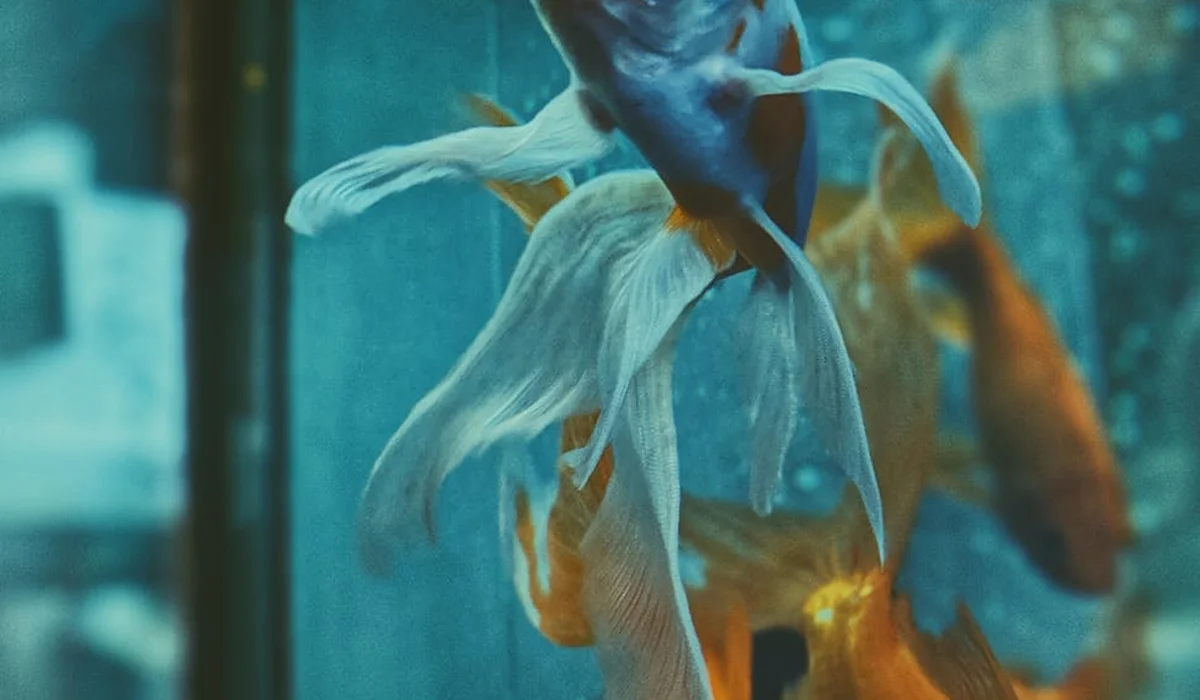
Let’s walk through the process that keeps my crew-Captain Fin, Goldie, and Shadow-happy and in their home. The key is a calm, methodical routine.
Step 1: Preparation is Everything
Gather your tools before you start. You’ll need your siphon, a dedicated clean bucket (only for aquarium use!), and your water conditioner. Your most critical task is to prepare the replacement water, getting the temperature to match your tank water within one or two degrees to prevent shocking your fish. Adding water safely to your fish tank and conditioning it are crucial steps in this process. I fill my bucket and use a spare aquarium thermometer to check, adding a bit of hot or cold water as needed. Have your conditioner measured and ready to add to the new water.
Step 2: The Gentle Siphon Technique
Start the siphon and guide the tube into your bucket. I gently stir the substrate over areas with visible waste, letting the siphon pull it away. Focus on vacuuming the substrate, not chasing fish, and keep the siphon’s intake away from plants they might hide in to avoid startling them. Using a fish tank siphon properly helps make that a perfect water change—efficient, clean, and less stressful for your fish. For my tank, I aim to remove about 25-30% of the water, which is a good standard for most community setups. Watch your fish; if they seem unusually stressed, pause.
Step 3: The Calm Refill
Pouring water directly from a height is loud and disruptive. Instead, I use a clean pitcher or a slow-drip system to gently add the new, pre-conditioned water. I pour the water onto a floating decoration or my hand, which breaks the flow and prevents sand or gravel from being thrown into chaos. Listen for the filter’s hum to return to normal as the water level rises, a sign your system is restarting smoothly. That’s it-you’re done, and your fish never left home.
Special Cases: When Fish Removal Might Be Necessary
While the standard water change is a leave-in operation, a few specific scenarios call for a temporary evacuation. These are exceptions, not the rule.
Major Tank Renovations or Rescapes
If you’re pulling out all your hardscape, replanting extensively, or changing your substrate type, the tank becomes a construction zone. In this muddy, chaotic environment, it’s safer to temporarily house your fish in a holding container filled with tank water to prevent injury from falling rocks or stirred-up debris. After repairs are complete and the tank is stable, reacclimate the fish to the repaired environment using the same careful steps you would after a store purchase. Take a moment to recheck temperature and water parameters during acclimation to minimize stress. Use this time to work efficiently, then acclimate them back to the refreshed tank just like you would from the store.
Treating a Severely Ill or Injured Fish
Sometimes a fish needs intensive, isolated medical care. If you’re using a strong medication that could harm your filter’s beneficial bacteria or other tank inhabitants, a hospital tank is mandatory. Removing the sick fish for treatment protects the health of your entire ecosystem and allows you to monitor the patient closely without stress from tankmates. Captain Fin once had a minor fin tear that required a salt bath; his brief spa day in a separate container ensured a swift recovery.
Working with Extremely Small or Delicate Fry
Newly hatched fry, like those from egg-scattering fish, are incredibly tiny and vulnerable. The suction from even a gentle siphon can be fatal. For their first few weeks of life, I use airline tubing to perform much slower, more controlled water changes, or I temporarily move the fry to a rearing tank where I have complete control over the environment. This extra step maximizes their chance of growing into strong, healthy juveniles.
Spotting and Soothing Post-Water-Change Stress
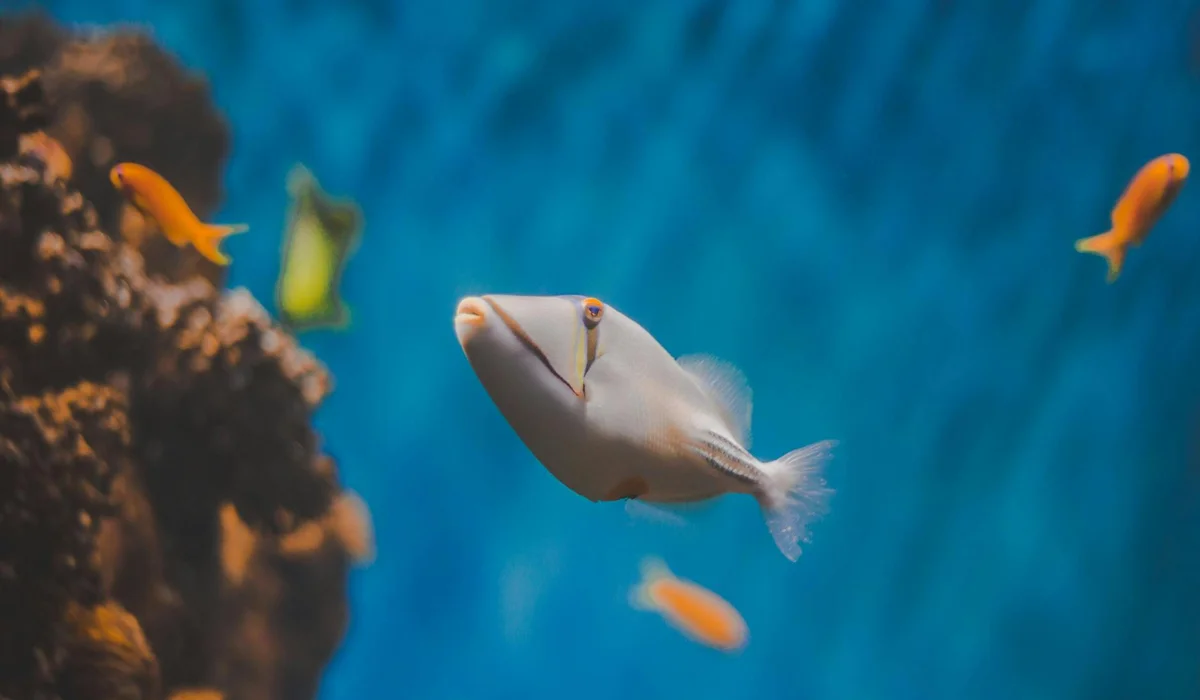
Even with the gentlest siphon, a water change can startle your fish. Watch for rapid gill movement, like Goldie puffing at the surface, or clamped fins held tight to the body. You might see Captain Fin flaring at nothing or Shadow refusing to come out from his plant cave. These are clear signs they feel unsettled. Understanding fish behavior before and after a water change helps you know what’s normal and when to be concerned.
Your first move is to dim the lights and let the tank settle for an hour; the subdued lighting mimics a natural, calming dusk and reduces sensory overload. Check that your filter’s flow isn’t creating a whirlpool and that the heater is functioning. The gentle hum should be steady, not silent.
I always add a water conditioner that includes a stress-coat additive. It helps rebuild their protective slime coat. For my crew, I’ve noticed this makes Shadow feel secure enough to venture out for food much sooner. Keep an eye on them but resist the urge to tap the glass.
A tiny pinch of a high-quality food, like brine shrimp, can sometimes coax them out and reassure them that the coast is clear, turning a stressful event into a positive association. If you see stress stripes or lethargy lasting more than a day, test your water immediately. The problem might be a hidden parameter swing.
Tailoring Your Approach: Advice for Different Tank Setups
There’s no single right way to change water. Your method should bend to fit your tank’s unique ecosystem. What works for a dense jungle of plants will shock a tiny betta bowl. Let’s break it down.
For the Planted Tank
In a planted tank, your goal is to siphon waste without robbing the roots of nutrients or clouding the water with soil. I use a narrow gravel vacuum and hover just above the substrate. This pulls detritus but leaves the root systems of delicate plants mostly undisturbed.
Change only 15-20% of the water weekly to maintain a stable concentration of fertilizers and dissolved CO2, which your plants crave for growth. Match the new water’s temperature and pH precisely to avoid melting tender leaves. I’ll often drip the new water in over an hour using airline tubing to prevent any shock to the plants or fish.
After the change, your plants might look perkier as they absorb fresh minerals. But if you see new algae spots, you might be changing too much water or not enough. It’s a balancing act.
For the Small Tank (Like a 5-Gallon Betta Home)
Small volumes mean big swings. In Captain Fin’s 5-gallon palace, I never remove more than one gallon at a time. Use a small cup or a dedicated mini-siphon to control the flow. The shimmer of his scales can dull fast if the new water is even a degree or two off.
Always temper your new water in a separate container to exactly match the tank temperature before adding it back-your betta’s labyrinth organ is super sensitive to cold drafts. When transitioning to a new aquatic environment, it’s crucial to properly acclimate your betta fish to avoid stress. Pour the water slowly against a plate or the tank wall to diffuse the current. A sudden pour can blow a betta around his small home.
Test the water every few days. In such a tiny ecosystem, waste builds up quickly. Small, frequent changes of 10-15% twice a week are far safer than one big monthly overhaul.
For the Uncycled or Fish-In Cycling Tank
This is delicate work. Your tank is still building its beneficial bacteria, so ammonia is the enemy. You must remove fish waste without stripping away the fledgling bacteria colony. Do not vacuum the substrate deeply at this stage. Even with the fish still in the tank, you can keep it clean by performing gentle, partial cleanings and small water changes. These steps minimize disruption to the developing bacteria while still removing waste.
Perform small, daily water changes of about 10% to dilute ammonia and nitrites, always using a conditioner that detoxifies these compounds for up to 48 hours. Your filter media is sacred ground-rinse it only in old tank water you’ve removed, never under the tap. I learned this the hard way early on, setting a cycle back by weeks.
Feed sparingly. Every uneaten pellet decays into ammonia. Watch fish like Goldie, who forages constantly; you might need to distract her with a mirror for a minute to ensure she doesn’t overeat during this fragile time. Patience here saves lives.
Beyond the Siphon: Building a Resilient Ecosystem
Shifting your mindset from simply changing water to cultivating a miniature world is the real secret. A robust, self-regulating tank handles the inevitable waste and fluctuations, making your siphon work a calm ritual instead of a panic-driven event.
Live Plants Are Your Silent Partners
Every leaf in your tank is a tiny water purifier. In my dense planted setups, the lush growth of stems and ferns consistently keeps nitrate levels so low that I can sometimes stretch the time between water changes without worry. They offer sanctuary, too; Shadow darts happily through the thickets of Java Moss.
- Choose fast-growing stems like Hornwort or Water Wisteria to rapidly absorb ammonia and nitrates.
- Anchor beginner-friendly plants like Anubias to driftwood; they thrive in low light and won’t disturb your substrate.
- Add floating plants like Red Root Floaters for a dual benefit-they filter water and diffuse light to curb algae.
Filter for the Future, Not Just the Present
That gentle hum should represent a powerhouse of biological filtration. I always use a filter rated for at least twice my tank’s volume, which creates a massive bacterial reserve to process waste from friends like Goldie, who is famously messy. This extra capacity prevents ammonia spikes during routine maintenance.
- Combine filter media types: a coarse sponge for debris, followed by ceramic rings or bio-balls for bacteria housing.
- Clean mechanical media in a bucket of old tank water during your water change to preserve the vital bacterial film.
- Place the filter outflow to create gentle surface agitation, boosting oxygen for fish and beneficial microbes alike.
Craft a Functional Foundation with Substrate
Your tank’s floor is a living landscape. A layered substrate, such as a cap of sand over nutrient-rich soil, fosters diverse bacterial colonies that actively manage nitrogenous waste beyond the basic cycle. This setup has been crucial for my breeding tanks, providing stability for sensitive fry.
Incorporating driftwood and stones does more than beautify. The tannins from Malaysian driftwood slowly release acids, naturally softening water and lowering pH to a stable 6.5-7.0, which is perfect for many tetras and catfish.
Stock Strategically and Feed with Care
An overcrowded tank is a fragile one. I follow a simple rule: one inch of adult fish per gallon is a maximum, not a target, and I always prioritize the fish’s behavioral needs over sheer numbers. Captain Fin’s feisty nature means he needs space to claim, not just water volume.
- Build a compatible community: Avoid pairing fin-nippers with slow, long-finned fish like bettas.
- Feed high-quality, varied diets in tiny portions; I watch my fish consume everything within two minutes to prevent decay.
- Schedule a weekly “fasting” day for adult fish to let their digestive systems rest and reduce organic load.
Master the Rhythm of Water Testing
Consistent monitoring lets you anticipate problems. I test my water every Sunday, tracking the results in a notebook to see the long-term health of the ecosystem, not just snapshots. For a balanced planted community tank, I aim for 0 ammonia, 0 nitrite, and nitrates under 20 ppm.
Temperature consistency is non-negotiable for fish health. Use a calibrated heater with a guard, and position it diagonally across from your filter intake to circulate warm water evenly, maintaining a steady range like 78-80°F for tropical species. For more details, check out our complete guide on aquarium temperature control and stable water conditions.
FAQs
How should I handle water changes in a fishless uncycled tank?
In a fishless uncycled tank, water changes are minimal to avoid disrupting the growth of beneficial bacteria. Only perform a partial water change if ammonia or nitrite levels spike dangerously high during the cycling process. Use dechlorinated water matched to the tank’s temperature to maintain stability without resetting the cycle.
Are water changer tools from Amazon safe and effective for aquarium use?
Many water changer tools on Amazon, such as siphon kits with gravel vacuums, are safe and effective when used properly. Opt for models with adjustable flow controls to prevent strong suction that could harm fish or plants. Always clean and dedicate the tool solely to aquarium maintenance to avoid introducing contaminants. To vacuum the gravel effectively, guide the nozzle along the substrate and gently stir the top layer to lift debris without disturbing plants. Regular, careful passes will keep the substrate clean and the water clear.
What is the best way to treat tap water during a water change?
Treat tap water with a reliable water conditioner before adding it to your tank to neutralize chlorine, chloramine, and heavy metals. Some conditioners also include stress-coat enhancers to support fish health during the transition. Always measure the conditioner based on the new water volume to ensure safe, fish-friendly parameters.
How long and often should I change water in a fishless uncycled tank?
During a fishless cycle, water changes are infrequent; focus on testing parameters weekly rather than routine changes. Change 25-50% of the water only if ammonia or nitrite levels exceed 5 ppm to prevent stalling bacterial growth. This approach helps establish a stable cycle without unnecessary interruptions, especially when following the [proper steps for cycling a fish tank](https://finandflux.com/how-to-cycle-a-fish-tank-properly-a-step-by-step-guide).
Your Fish-Friendly Water Change Plan
You never need to take your fish out for a routine water change; keeping them in their familiar water avoids unnecessary stress and shock. To perform water changes without shocking your fish, keep changes small and gradual. For a safe process, perform gentle, partial changes with a siphon and always condition new water to match temperature and remove chemicals.
Responsible aquarium ownership hinges on your dedication to preserving that delicate underwater balance every single day. Let your curiosity grow alongside your tank, and always seek new knowledge to provide the best life for your aquatic pets.
Further Reading & Sources
- How to Do a Water Change in a Freshwater Aquarium Safely
- r/aquarium on Reddit: For water changes: do you remove your fish?
- How to do a water change without killing fish or livestock?
- How to Change Fish Tank Water
- How to do a Water Change – Aquariums West
Lia is an expert in aquarium and pet fish care. Having worked in the marine industry and having cared for multiple pet fish, she has acquired first hand expertise on aquarium care, maintenance and setup. She always brings her practical expertise and science to help solve any aquarium related queries.
Water Changes