
Healing Fin Rot: Your Step-by-Step Guide to Restoring Fish Health
Hello fellow fish keepers! Seeing your fish’s once-vibrant fins become frayed or cloudy can be heartbreaking, but take a deep breath-this guide is here to help you turn things around quickly.
We’ll cover all the key aspects to get your aquarium back on track, including:
- Identifying the true signs of fin rot versus other ailments
- Testing and fixing your water quality-the most common culprit
- Step-by-step treatment options, from salt baths to medications
- Adjusting tank habits to prevent future outbreaks
With multiple years of experience running planted tanks and breeding fish like bettas and goldfish, I’ve navigated fin rot successfully and can guide you through it.
Understanding Fin Rot: What Is It and How to Spot It
Seeing your fish’s beautiful fins start to tatter can feel like a punch to the gut. Fin rot is a common bacterial infection that, true to its name, causes the delicate tissue of a fish’s fins and tail to slowly decay and erode away. It often starts subtly but can progress alarmingly fast if the underlying tank problems aren’t fixed.
The Silent Signal: Defining Fin Decay
Think of a fish’s fins like our skin; they are a protective barrier. Fin rot occurs when bacteria, often ever-present in the water, get a foothold on a stressed or injured fish. It’s less of a single invader and more of a symptom of an unbalanced tank ecosystem, where poor conditions have overwhelmed your fish’s natural defenses. The infection literally consumes the fin, piece by piece, and can advance right to the body if left unchecked.
Reading the Signs: Symptoms from Mild to Severe
Catching this early is your biggest advantage. Watch for these visual clues:
- Stage 1 (Mild): The edges of the fins look ragged or uneven, as if they’ve been lightly chewed. You might notice a very slight white or milky discoloration on the frayed parts.
- Stage 2 (Moderate): The fraying becomes more pronounced, with clear pieces of the fin missing. Discoloration deepens to brown, black, or red. A tell-tale red streak or inflamed area may appear at the base of the fin where the infection is attacking healthy tissue.
- Stage 3 (Severe): Large portions of the fin are gone, leaving short, rotting stumps. The infection may now be eating into the fish’s body (body rot). Your fish will likely become lethargic, lose its appetite, and hide constantly.
Any change in your fish’s fin shape or color, especially paired with clamped fins (held tight against the body), is a red flag demanding your immediate attention.
Fin Rot vs. Look-Alike Problems
Not all tattered fins are fin rot. Here’s a quick guide to tell the difference:
| Condition | Key Visual Clues | Common Cause |
|---|---|---|
| Fin Rot (Bacterial) | Progressive, uneven decay; discolored (white/brown/black) edges; red inflamed base. | Poor water quality, stress, injury. |
| Fin Nipping (Physical Damage) | Clean, sudden bites or chunks missing; no progressive decay; affects fins of multiple fish. | Aggressive tank mates. |
| Fungal Infection | Fluffy, cotton-like white growths on fins or body; may follow an injury. | Secondary infection on damaged tissue. |
| Ich (Parasitic) | Distinct white salt-like spots scattered on fins and body, not just the edges. | Parasite introduction; fish stress. |
The Root Causes: Why Fin Rot Invades Your Tank
Fin rot is almost always a secondary problem. Treating it successfully isn’t just about medicine; it’s about becoming a detective and fixing the primary issue that weakened your fish in the first place. Ignoring these root causes will lead to a recurring nightmare.
Water Quality: The Foundation of Fish Health
This is the #1 culprit. Fish live in their own waste, and toxins build up fast. Even water that looks crystal clear can be chemically toxic. Regularly testing and monitoring your tank’s water quality is how you manage these essential parameters. Stay on top of ammonia, nitrite, nitrate, pH, and temperature to keep fish healthy.
- Ammonia & Nitrite: These should always be 0 ppm (parts per million). Any detectable amount burns fish gills and fins, creating open sores for bacteria.
- Nitrate: Keep this below 20 ppm through regular water changes. Consistently high nitrate slowly poisons fish, suppressing their immune systems.
- pH & Temperature Swings: A stable environment is key. Rapid shifts in pH or temperature (more than 0.5 pH or 2°F in 24 hours) cause immense stress. Know your specific fish’s ideal range.
I test my tanks weekly without fail, because guessing about water parameters is the fastest way to lose a fish to preventable diseases like fin rot.
Stress and Its Sneaky Triggers
A stressed fish has a suppressed immune system, making it an easy target. Stressors are often invisible to us but huge to your fish. Understanding the most common signs of stress helps you catch problems early. The most common signs to look for are faded color, rapid breathing or gasping at the surface, loss of appetite, flashing or rubbing against decor, and increased hiding.
- Bullies in the Tank: Constant chasing or nipping from incompatible tank mates keeps fish on edge and causes physical injuries.
- Poor Nutrition: A diet of only one type of flake food lacks essential vitamins for a strong immune response.
- Bare Tank Syndrome: No plants, caves, or decorations means nowhere to hide and feel safe, leading to chronic anxiety.
- Improper Acclimation: Dumping a new fish straight into your tank is a massive shock to its system.
Creating a peaceful, enriched environment is not just for looks-it’s a critical part of preventative healthcare for your aquatic pets.
Overcrowding and Filtration Failures
Too many fish or too little filtration creates a toxic soup. The bio-load (waste produced) overwhelms the tank’s ability to process it.
- The Overcrowding Rule: More fish means more waste, more ammonia, and more competition for resources. Follow the inch-per-gallon rule loosely, considering the adult size and waste production of the fish.
- Filter Fatigue: Your filter should turn over the entire tank volume at least 4-5 times per hour. A weak or clogged filter can’t house enough beneficial bacteria or pull debris from the water.
- Infrequent Maintenance: Skipping water changes or filter cleanings lets nitrate climb and harmful bacteria multiply in the muck.
Are these signs pointing to a filter failing? Watch for reduced water flow, murky water that won’t clear with maintenance, or a noticeable odor—these are common early warnings that your filter is struggling and may need cleaning or replacement.
Your filter is the kidney of your aquarium; if it’s failing, the entire system is in metabolic crisis, and fin rot is often the first clear symptom.
Your Healing Action Plan: Step-by-Step Fin Rot Treatment
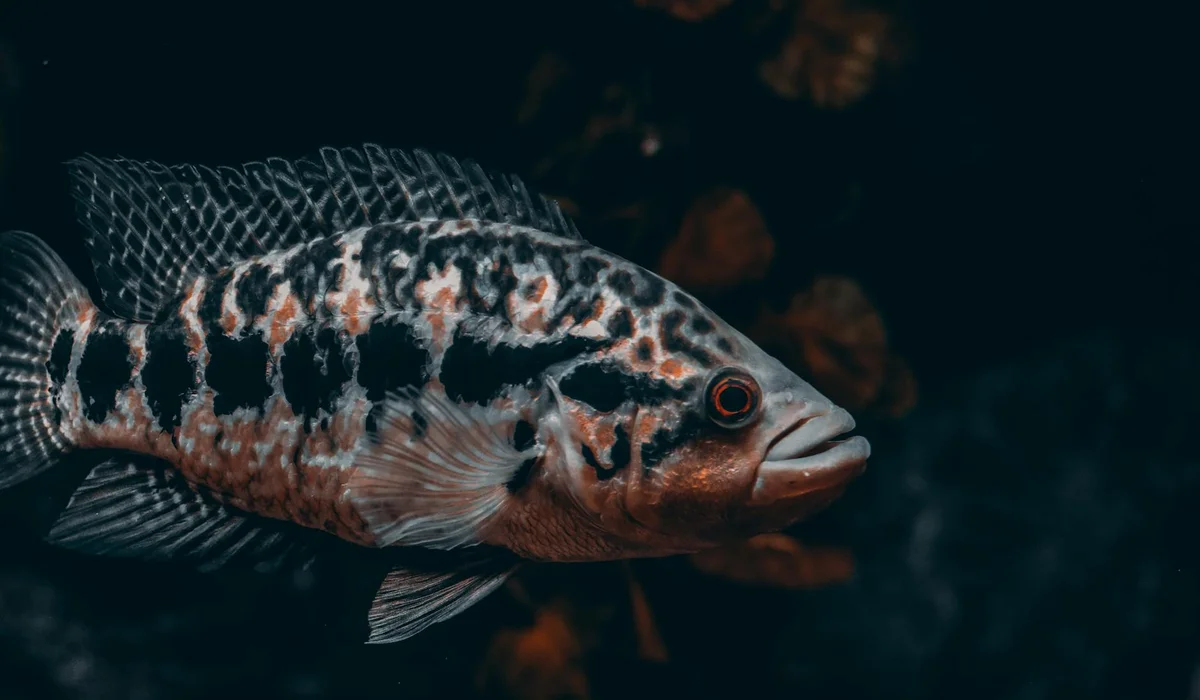
Seeing ragged fins on your fish can make your heart sink. Take a deep breath-this is a fixable problem. Your success hinges on a calm, methodical approach. Always start by fixing the water, as medication is useless in a toxic environment. Follow these steps in order to give your fish the best shot at a full recovery.
Step 1: Immediate Isolation and Assessment
The moment you suspect fin rot, your first decision is whether to move the fish. If only one fish is affected in a community tank, isolation is non-negotiable. A simple 5 or 10-gallon tank with a gentle sponge filter and heater makes a perfect hospital tank. Assess the damage by looking for clear signs: white, fuzzy edges often point to a fungal infection, while brown or black decaying edges typically signal bacteria. If the fin erosion looks bloody or is eating into the body tissue, this is severe and requires aggressive treatment.
Step 2: Test and Correct Water Parameters
This step addresses the root cause 90% of the time. Test the water in both your main tank and your new hospital tank. You are looking for these specific numbers:
- Ammonia: 0 ppm
- Nitrite: 0 ppm
- Nitrate: Below 20 ppm
- pH: Stable and appropriate for your species
- Temperature: Consistent
If you find any ammonia or nitrite, your tank’s cycle is compromised. Perform a 50% water change immediately, vacuuming the substrate to remove waste that fuels bad bacteria. In the hospital tank, you must perform a 25-30% water change every single day with pre-treated, temperature-matched water to keep conditions pristine.
Step 3: Choose and Administer Treatment
With clean water established, you can now treat the infection itself. Here’s how to choose:
- Mild Fin Rot (fraying, no body damage): Start with a clean water regimen and a mild aquarium salt bath. Dissolve 1 tablespoon of pure aquarium salt per 3 gallons of water in the hospital tank. This boosts fish slime coat and hinders bacteria.
- Moderate to Severe Fin Rot (discoloration, rapid decay): You need a targeted medication. Look for active ingredients like Erythromycin, Minocycline, or Kanamycin for bacterial rot. If fuzzy growth is present, an antifungal like Phenoxyethanol is needed.
- Open Sores/Bloody Patches: A topical antiseptic like Methylene Blue applied directly to the wound with a cotton swab can prevent secondary infections during broader treatment.
Never mix medications, and always remove chemical filtration like carbon from your filter before dosing. Follow the bottle’s instructions to the letter.
Step 4: Supportive Care and Monitoring
Healing takes time and excellent support. Your daily routine is vital. Observe your fish’s appetite and behavior each morning. Offer high-quality, easy-to-eat foods like frozen brine shrimp or a gel diet to boost their immune system. The regrowth of clear or slightly opaque tissue along the fin edges is your first sign of success-this is new, healthy fin growing in. Continue treatment for at least three days after all signs of deterioration have stopped. Patience here prevents a frustrating relapse.
Species-Specific Treatment Nuances
While the core principles are universal, different fish have unique needs and sensitivities. Treating my betta Captain Fin is a very different process from treating my goldfish Goldie. Tailoring your approach makes recovery faster and safer.
Treating Fin Rot in Betta Fish
Bettas, with their long, delicate fins, are especially prone to rot. They are also surprisingly sensitive. I use only half the recommended aquarium salt dosage for bettas-about 1 tablespoon per 5-6 gallons-as their labyrinth organ can be irritated by high salinity. Avoid strong water flow in the hospital tank, as stress slows healing. Keep the water warm and calm, and consider adding Indian Almond Leaves; the released tannins have natural antibacterial properties many bettas adore.
Treating Fin Rot in Goldfish
The main challenge with goldfish is their phenomenal waste output, which can sabotage clean water efforts. Causes of high ammonia in tanks include waste overload from overfeeding and inadequate biofiltration, and the fix is frequent water changes, better filtration, and regular ammonia testing. If treating Goldie in a hospital tank, you might need to do two smaller water changes daily to keep ammonia at absolute zero. Filtration is key—use a sponge filter rated for a tank twice the size of your hospital setup. Goldfish generally tolerate full-strength aquarium salt and medications well, but the real battle is always maintaining water quality against their messy nature.
Treating Fin Rot in Guppies and Other Community Fish
Guppies are often resilient, but fin rot in a community tank is a red flag for group stress. If several fish show symptoms, treat the entire main tank. For delicate scale-less fish like Corydoras catfish (my shy Shadow, for example), avoid salt entirely as it can harm their osmotic regulation. With mixed communities, separate sensitive species and treat the affected fish in a hospital tank with a mild, broad-spectrum antibiotic. Always ensure excellent surface agitation for these active swimmers during treatment.
Tank Management During the Recovery Phase
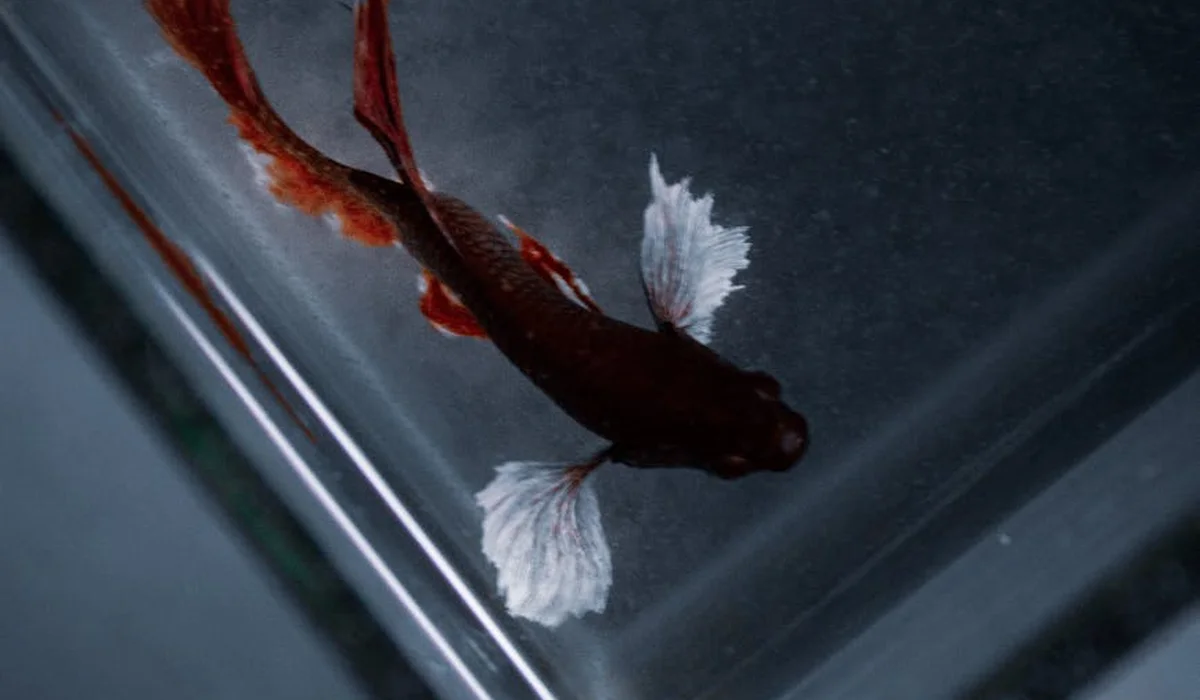
While your patient is in the hospital tank, your main aquarium isn’t on vacation. Think of it as supporting the home team—you need to ensure the environment is pristine so no other fish get sick and your recovering buddy has a healthy place to return to. Disinfecting and sanitizing the tank between residents helps stop diseases in their tracks. Keeping up with a thorough cleanup now pays off by protecting your other fish. A deep clean now prevents a full-blown outbreak later, saving you and your fish a lot of trouble.
- Start with a thorough gravel vacuuming, removing debris from every section of the substrate where waste and bacteria lurk.
- Carefully service your filter, but only by rinsing the media in a bucket of old tank water to preserve the beneficial bacteria-never tap water.
- Observe your other tank mates like a hawk for any early signs of fin clamping, loss of appetite, or unusual hiding, which could signal the infection spread.
Maintaining Impeccable Water Quality
This is non-negotiable. Proper quarantine of new fish is essential to prevent disease from entering the system. With one fish compromised, the entire system’s balance is extra vulnerable. I bump my water change schedule to 25% every two to three days, paired with a full gravel vacuum each time, until the quarantined fish is fully healed. For my community tank with Goldie and Shadow, that meant testing ammonia and nitrite daily, and nitrate every other day, aiming for zeros across the board.
Keep your test kit right by the tank. That visual reminder makes it a habit. Stability is the goal-wild swings in pH or temperature from large, infrequent changes are more harmful than consistent, smaller interventions.
Reducing Stress for All Inhabitants
Stress suppresses immune systems, making every fish a target. Simple tweaks can turn the volume down in your aquarium. I dim the lights for a week or use a timer to shorten the photoperiod, which significantly calms the entire tank. In our complete guide, you’ll learn when you should turn off the aquarium light at night and how to do it safely. Turning off lights at night can help mimic natural cycles and further reduce stress in the tank.
- Double-check that tank mates are truly compatible; a nippy fish can cause physical stress that mimics fin rot damage.
- Add temporary hides or dense plant clumps. I added an extra java fern cluster, and my usually shy Shadow became much more visible, a sure sign he felt secure.
- Reduce loud noises or vibrations near the tank, and stick to a calm, predictable feeding routine.
Building a Fortress: Long-Term Fin Rot Prevention
Treating fin rot is reactive; building a resilient tank is proactive. After nursing Captain Fin back to health, I overhauled my routine to make disease a rare guest, not a permanent resident. Prevention boils down to consistency and creating an environment where pathogens simply can’t get a foothold.
The Pillars of Prevention: Routine and Observation
Your weekly rhythm is your best defense. It’s not glamorous, but it works. I dedicate Sunday mornings to a 20-25% water change, a parameter check, and a visual health inspection of every single fish, from Goldie’s flowing fins to Shadow’s barbels.
- Water Changes: Weekly, without fail. Use a gravel vacuum to clean 1/3 of the substrate each time.
- Testing: Log results for ammonia, nitrite, nitrate, and pH weekly. Seeing trends is more valuable than a single number.
- Diet: Feed a varied, high-quality diet. I rotate between pellets, frozen brine shrimp, and blanched veggies to boost natural immunity.
- Visual Checks: Spend five minutes daily watching for normal behavior. Is everyone eating? Are fins held high and intact?
Designing a Stress-Resistant Ecosystem
This is about smart design from the ground up. An overcrowded tank with weak filtration is a sickness incubator. Always choose a filter rated for the next tank size up-the extra flow and media volume keep water crystal clear and full of oxygen.
Research is your friend before adding any new fish. For example, a betta like Captain Fin needs calm tank mates and a minimum of 5 gallons solo. Provide ample swimming space and territories. Live plants aren’t just decorative; they consume nitrates and offer hiding spots, making the ecosystem actively work for you. A stable, balanced tank is a happy tank, and happy fish don’t get fin rot. When building a community tank, choose compatible fish that share similar water parameters and temperaments to keep harmony. Research compatibility and introduce new residents gradually.
FAQs
How can I treat fin rot at home without medication?
For mild fin rot, start with frequent water changes and aquarium salt baths, using 1 tablespoon per 3-5 gallons depending on fish sensitivity. Ensure salt is fully dissolved and maintain pristine water quality to support healing. Combine this with a stress-free environment by dimming lights and providing hiding spots for best results.
Why isn’t my fin rot treatment working?
Treatment failure often stems from unaddressed root causes like persistently poor water quality or misdiagnosis between bacterial and fungal infections. Double-check that you’re using the correct medication and have removed chemical filter media during treatment. Additionally, chronic stress from overcrowding or inadequate nutrition can hinder recovery, so reassess tank conditions.
What’s special about treating fin rot in goldfish?
Goldfish have high waste output, so focus on aggressive water management with daily partial changes in a hospital tank to keep ammonia at zero. They generally tolerate full-strength aquarium salt, but prioritize robust filtration to manage their bio-load. Ensure a varied diet to bolster their immune system during recovery, especially when using aquarium salt for freshwater fish health.
Are there specific tips for treating fin rot in betta fish?
Bettas are sensitive; use half the standard aquarium salt dose (e.g., 1 tablespoon per 5-6 gallons) to avoid irritating their labyrinth organ. Maintain warm, calm water and consider adding Indian Almond Leaves for natural antibacterial properties. Monitor for stress-induced lethargy and avoid strong water flow in the treatment tank.
A Healthy Tank for Happy Fish
Begin treating fin rot by promptly improving water quality through testing and changes, and use a reputable antibacterial medication if tears or redness appear. Routine maintenance like weekly water changes and careful feeding is the most reliable way to stop fin rot from returning.
Caring for aquarium fish means embracing the role of a vigilant guardian who prioritizes their environment and well-being. Your journey as an aquarist grows richer every time you observe your tank and seek out new knowledge about its delicate balance. Learning how to improve water quality is a key part of this journey.
Further Reading & Sources
- r/bettafish on Reddit: Help! My betta has fin rot. What’s the best treatment? More info in comments
- Aquarium Water Treatment – Ick & Fin Rot Treatment | PetSmart
- What is the best way to cure finrot in a betta fish?
- What Is Fin Rot In Fish & How To Treat It | Petbarn
- Betta Fish Fin Rot: Symptoms, Causes, and Treatment
Lia is an expert in aquarium and pet fish care. Having worked in the marine industry and having cared for multiple pet fish, she has acquired first hand expertise on aquarium care, maintenance and setup. She always brings her practical expertise and science to help solve any aquarium related queries.
Health & Disease