
Aquarium Temperature Controller: Your Key to Unshakable Tank Stability
Hello fellow fish keepers! Have you ever lost sleep worrying about a heater stuck on or a sudden cold snap harming your fish? That constant hum of anxiety about water temperature is exactly why this device exists.
This guide will help you decide if it’s right for you by covering:
- What a temperature controller actually does beyond basic heating and cooling
- The specific tank types and fish that benefit most from this tool
- A cost versus risk analysis to justify the investment
- How to select a model that matches your tank’s unique needs
My advice comes from years of hands-on experience maintaining sensitive high-tech planted tanks and breeding fish where temperature precision is non-negotiable.
What Does a Temperature Controller Actually Do?
Imagine a tiny guardian constantly touching the water, feeling for the slightest chill or unwanted warmth. A temperature controller is a smart watchdog that manages your heater and chiller for you, turning them on and off to hold a perfect line.
It uses a submerged probe to read the temperature, then sends a signal to your equipment. This prevents the slow creep of cold during a winter night or the sudden boil from a stuck heater.
I rely on one to maintain the ideal 78-degree haven for Captain Fin, my betta; his iridescent colors simply pop when he’s not stressed by change. That consistent environment mimics the steady conditions of a natural habitat, letting fish focus on being healthy, not surviving.
Beyond basic regulation, many models feature loud alarms for when readings fall outside your set range. Hearing that alert gives you a fighting chance to intervene before your tank community faces real danger.
The Core Question: Does Your Tank Need One?
This decision hinges on your unique aquarium world and its inhabitants. You must weigh the cost against the peace of mind that comes from flawless climate control. Understanding the true cost of maintaining your aquarium can help you make an informed choice.
Signs Your Tank is a Prime Candidate
If your setup matches any of these descriptions, investing in a controller is a wise move for long-term stability.
- You house delicate or expensive livestock: Breeding fish, sensitive shrimp, or corals demand unflinching temperature stability to thrive and reproduce.
- Your home climate swings wildly: Older houses, sun-drenched rooms, or extreme seasons create ambient temperature rollercoasters a standard heater can’t tame.
- You are cultivating a high-tech planted tank: Many advanced aquatic plants metabolize best within a narrow, specific temperature band for lush growth.
- Your aquarium volume is 50 gallons or more: Large bodies of water hold heat differently, and a malfunction here can be catastrophic without a backup controller.
- You’ve suffered past equipment failures: Once you’ve witnessed a heater lock in the “on” position, you’ll never want to run a tank without this safety net again.
When You Might Skip It (For Now)
A controller is a powerful tool, but it’s not an absolute requirement for every hobbyist starting their journey.
- Your tank is small and in a stable room: A simple, reliable heater in a 10-gallon tank kept at steady room temperature often does the job with careful monitoring.
- Your budget is strictly allocated to essentials: Spend first on a robust filter, quality food, and test kits before considering this upgrade.
- You keep remarkably hardy fish: Species like white cloud minnows or common goldfish like my Goldie tolerate a wider range, giving you more leeway.
- You are present and consistent with checks: If you manually verify temperature with a accurate thermometer twice daily, you are acting as the controller.
- You’re still mastering aquarium fundamentals: Get completely comfortable with water changes and the nitrogen cycle before introducing another layer of technology.
The Unbeatable Benefits of Adding a Controller
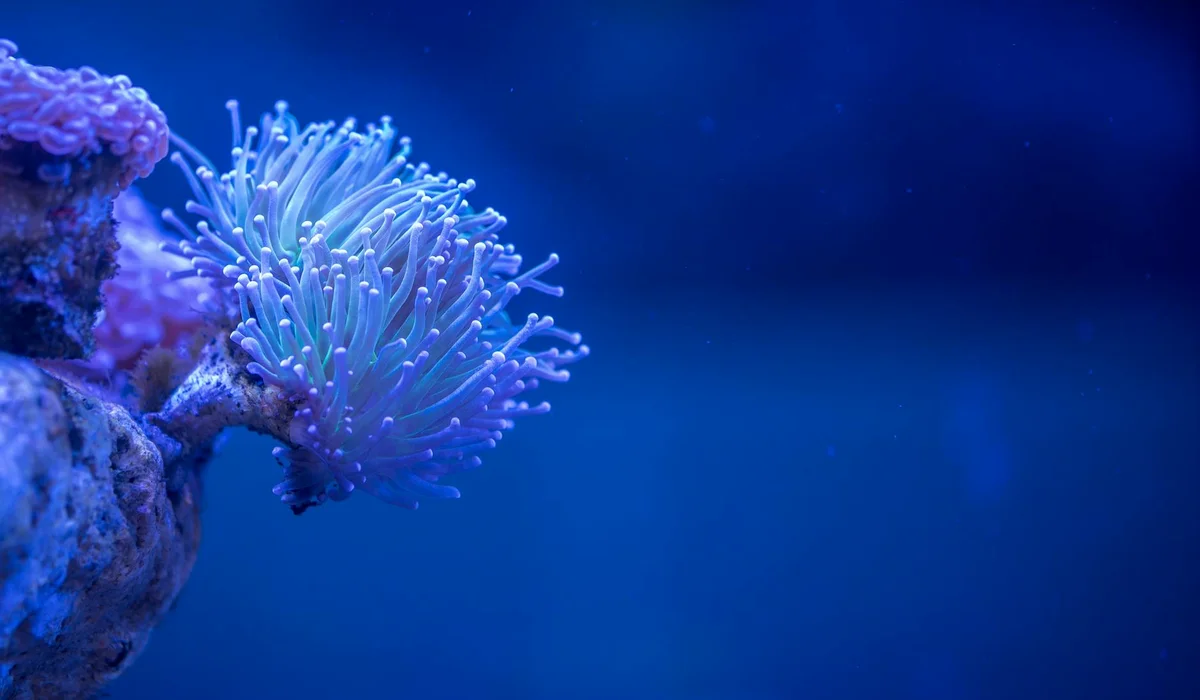
Think of a temperature controller not as another gadget, but as a dedicated guardian for your underwater world. It works silently in the background, giving you one less critical thing to worry about. I’ve learned through keeping everything from feisty bettas to foraging goldfish that consistency is the invisible pillar of a healthy tank. When a heater misbehaves, though, a quick aquarium heater not working troubleshooting guide can help you diagnose and fix the issue.
Your Safety Net: Overheating and Cooling Protection
A standard heater can fail in the “on” position, slowly cooking your tank. I once had a heater stick and watched the temperature climb to a dangerous 86°F, which is stressful for most community fish. A controller acts as a second brain, cutting power the moment things get too warm. This dual-layer protection is your best defense against the two most common heater failures: runaway heating and sudden cooling.
For cool-water lovers like Goldie the Oranda, a hot summer day can be a silent threat. A controller can activate a small fan or chiller to prevent overheating. Conversely, it ensures Captain Fin’s tropical domain never dips below his preferred 78°F. It’s like having a 24/7 insurance policy for the environment your fish rely on.
- Prevents “Cookouts”: Independently senses high temps and shuts off heaters.
- Avoids Chills: Can trigger a backup heater or alert you if temperatures plummet.
- Protects All Life: Safeguards not just fish, but beneficial bacteria and delicate plants.
The Pursuit of Perfect Thermal Stability
Fish don’t experience temperature in degrees; they experience it as constant, low-grade stress or perfect comfort. Even swings of 2-3 degrees in a day can weaken immune systems, making fish like the shy Shadow more prone to illness. True thermal stability means your fish expend energy on growth and color, not on constantly adjusting their metabolism.
This stability extends to your tank’s entire ecosystem. The nitrifying bacteria that process waste are highly temperature-sensitive; keep them in their happy zone and your cycle remains rock solid. You’ll notice clearer water, more vibrant plant growth, and fish that display their full personality without hesitation. It’s all interconnected, just like the nitrogen cycle in a healthy aquarium.
- Set your desired precise temperature (e.g., 76.5°F for a community tank).
- The controller continuously monitors, making micro-adjustments before you ever see a shift on a standard thermometer.
- This results in a stable environment where daily routines like feeding and breeding happen more naturally.
Choosing Your Tank’s Climate Commander
Not all controllers are created equal. Your choice depends on your tank’s size, inhabitants, and your own comfort with technology. For a simple betta tank, your needs will differ from a large, planted goldfish system. These considerations become even more critical for an ideal goldfish tank setup, where common mistakes can impact welfare. Avoiding them means prioritizing adequate filtration, space, and regular maintenance.
Key Features to Compare
When shopping, look beyond the basic price tag. The right features prevent headaches down the line. I prioritize reliability and accuracy above all else-a false alarm at 3 AM is no fun. Spend a little more for a unit with a proven, durable probe and clear, easy-to-read display.
| Feature | Why It Matters |
|---|---|
| Dual-Stage Control | Manages both heating and cooling devices independently. Essential for tanks in variable rooms. |
| Calibration Ability | Lets you correct probe drift over time. A must for long-term accuracy. |
| Audible/Visual Alarms | Warns you of temperature excursions immediately, so you can act fast. |
| Probe Quality | A waterproof, shielded probe lasts longer and resists corrosion from water chemistry. |
| Power Rating | Must handle the wattage of your heater or chiller. Check the controller’s max load (e.g., 1000W). |
Understanding “Off-the-Shelf” vs. DIY Builds
You can buy a reliable, pre-built controller from aquarium brands, or assemble your own using components from electronics suppliers. The pre-built route is plug-and-play; you set it and forget it. For most hobbyists, a commercial unit offers the perfect balance of set-and-forget convenience and robust protection.
The DIY path is a project for tinkerers. You’ll source a temperature probe, a controller unit like an Inkbird, and wire it into outlets yourself. I’ve built one for a quarantine tank-it’s rewarding but requires patience. While DIY can be cheaper, remember your time has value, and a mistake in wiring could risk your entire tank.
- Off-the-Shelf (Commercial):
- Pros: Warranty, customer support, safety-tested, ready to use.
- Cons: Less customizable, often higher upfront cost.
- DIY Build:
- Pros: Highly customizable, can be cheaper for complex setups.
- Cons: Requires technical skill, no warranty on the whole system, you are the tech support.
Installing and Setting Up for Success
Critical Placement: Where to Put the Temperature Probe
This small step makes a huge difference. Placing the probe incorrectly is like checking the oven temperature by holding the thermometer next to the broiler flame—you won’t get a true reading of the environment your fish live in. You want to measure the water temperature in the main tank body, away from immediate influences. A good aquarium thermometer guide explains the types, placement, and accuracy. Understanding these details helps keep your tank’s temperature stable.
Find a spot with solid, consistent water flow, but dodge areas with direct heat or chill. The sweet spot is often mid-water level, near a return flow from your filter. This ensures water is constantly moving past the sensor.
Avoid these common trap locations:
- Right next to the heater: The probe will sense localized hot water and shut the heater off prematurely, leaving the rest of the tank too cool.
- Inside the filter or sump: Water here can be a different temperature than the display tank, and equipment vibration can damage the probe.
- Buried in the substrate or crammed behind decor: Stagnant water pockets form here, giving false, isolated readings.
- In direct sunlight or in the path of an air conditioning vent: You’re measuring atmospheric effects, not your heater’s work.
I use a small suction cup with a clip to secure the probe cable to the tank’s side panel. It keeps the sensor suspended and right where I need it.
The First 48-Hour Monitoring Period
Don’t just set it and forget it. The initial two days are a shakedown cruise to verify everything works in harmony. Your goal is to confirm stability and catch any setup quirks before your fish depend on it. Before you add any fish, test the water parameters (ammonia, nitrite, nitrate, pH, temperature) to confirm a safe baseline. Only introduce livestock once these parameters are stable.
Grab a reliable, separate glass or digital thermometer and place it on the opposite side of the tank from your probe. Compare these readings every few hours. They should be within a degree of each other. If they’re not, your probe placement might need adjustment.
During this period, listen and watch. You should hear the heater click on and off periodically, not running constantly or never at all. Notice the temperature trend on the controller’s display. A good sign is seeing it hold steady at your set point, with maybe a tiny, half-degree fluctuation.
Create a simple checklist for the first two days:
- Morning Check: Compare controller temp with standalone thermometer.
- Midday Listen: Hear the heater cycle on? Note if it’s frequent.
- Evening Log: Record the high and low temps shown on the controller’s history, if it has that feature.
This vigil might feel obsessive, but it builds immense confidence. You’ll learn the rhythm of your system and can trust the controller to manage the unseen work.
Long-Term Care and Troubleshooting
Keeping Your Probe Accurate
Over months, a thin, invisible biofilm will coat the probe, slightly insulating it and causing “drift” where it reads inaccurately. I clean my temperature probes every time I do a major filter maintenance, about once every two months, to prevent slow, creeping inaccuracies.
Gently wipe the probe tip with a soft cloth dipped in white vinegar to dissolve mineral deposits and slime. Rinse it well in dechlorinated water before returning it to the tank. Never use soap or abrasive pads. For probes that seem stubborn, a 10-minute soak in the vinegar solution does the trick.
Every six months, perform a calibration check. Use your standalone thermometer in a cup of water, let both devices adjust for 15 minutes, and compare. Some advanced controllers allow you to manually calibrate the probe to match your known-good thermometer.
When Things Go Wrong: Basic Troubleshooting
Even the best gear has moments. Stay calm-most issues are simple fixes. Your first action should always be to verify the actual tank temperature with that standalone thermometer.
A controller is a tool, not a replacement for your own observation; if a fish looks stressed or the water feels wrong, trust your senses and investigate.
Here are common hiccups and how to solve them:
- Heater Stuck “On” (Controller reads high temp, tank feels hot): Unplug the heater from the controller immediately. This is why the separate outlet is critical. Plug the heater directly into the wall to see if it turns off. If it stays on, the heater’s internal thermostat is faulty-replace the heater.
- Heater Won’t Turn “On” (Controller reads low temp): First, check if the heater itself is warm. If it’s cold, the issue could be the controller outlet. Plug a different device (like a lamp) into that outlet on the controller to test for power.
- Inconsistent or Erratic Readings: This is almost always a dirty probe or a poor placement issue. Clean the probe and verify it’s in a high-flow area, not in a dead spot.
- Controller Display is Blank: Check the power adapter and all connections. Ensure the backup battery, if applicable, isn’t dead.
Having a backup heater, even a smaller one, is a brilliant safety net for emergencies. It’s the fishkeeping equivalent of a spare tire-you might not need it often, but you’ll be profoundly grateful when you do.
Is the Investment Worth It for You?
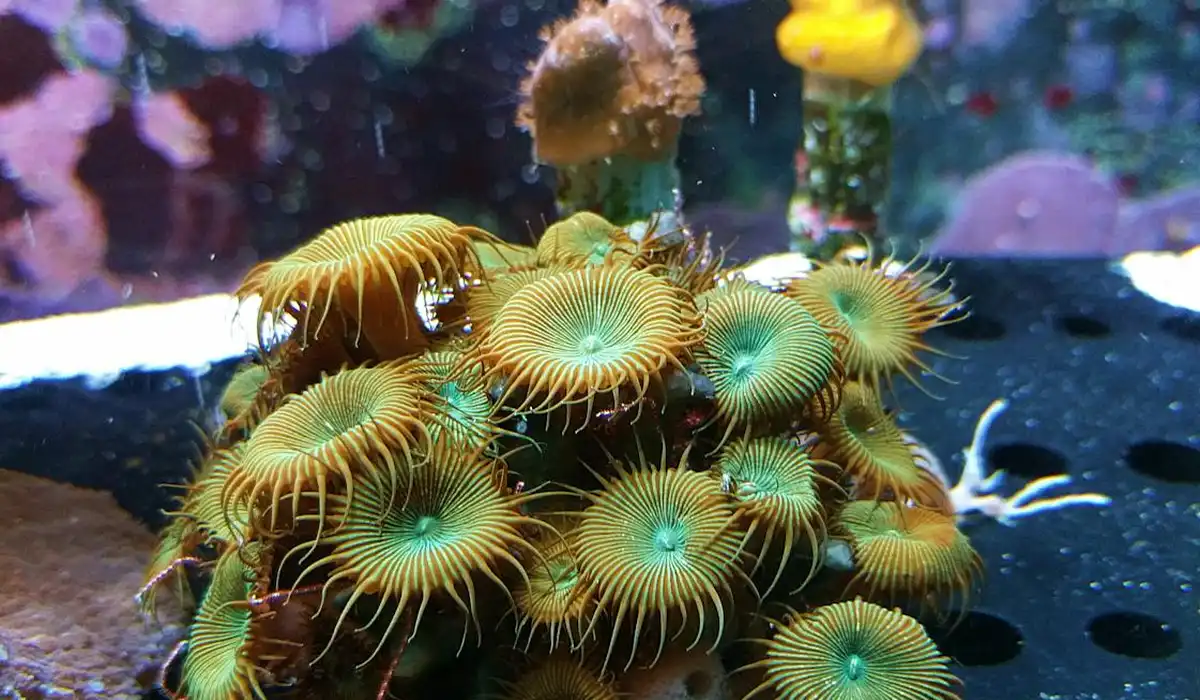
Let’s cut to the chase. A temperature controller isn’t a must-have for every single aquarium out there, but for many, it transforms fishkeeping from a constant worry into a serene hobby. The real question isn’t about the device’s price, but the value you place on stability, sleep, and the lives in your care. This is part of our aquarium temperature control complete guide, designed to help you keep water stable. Follow along for practical steps to maintain that stability.
When a Controller is Non-Negotiable
In these scenarios, I consider a controller your tank’s most vital guardian. My own reef tank would be a constant disaster without one.
- Marine & Reef Tanks: The delicate corals and invertebrates in a saltwater setup have an incredibly narrow comfort zone. A swing of just 2-3 degrees can trigger a catastrophic bleaching event or a tank-wide crash.
- Breeding Projects: Many species, like certain Apistogramma cichlids or delicate killifish, require precise, stable temperatures to trigger spawning and ensure egg viability. Guesswork simply won’t cut it.
- Housing Sensitive or Expensive Livestock: If you’re keeping wild-caught discus, rare stingrays, or other high-value specimens, the cost of the controller is a tiny insurance policy. These animals often come from very stable environments.
- Unstable Room Environments: Is your tank in a sunroom, a basement, or next to a radiator that blasts heat in winter? A controller actively fights these ambient swings, doing the manual work for you.
When You Might Get By Without One (But Should Still Consider It)
For a standard community tank with hardy fish, you can certainly rely on a quality heater’s internal thermostat. I ran tanks like this for years. But “can” and “should” are different. Where you place the heater matters for optimal performance. Position it where there is good water flow and away from direct jets, so the thermostat reads the true tank temperature.
- The “Goldie” Scenario (Tough Coldwater Fish): A single goldfish in a stable, cool room? The risk of a heater malfunction cooking the tank is arguably higher than a chill. A controller here adds a safety layer if you use a heater at all.
- The “Captain Fin” Scenario (Single Betta): A betta in a 5-gallon tank is often fine with a small, reliable heater. However, smaller water volumes actually change temperature faster, making them more vulnerable to a stuck heater. A controller is cheap peace of mind.
- Basic Community Tanks: Your tetras, platies, and “Shadow” the corydoras are adaptable. Yet, a sudden overnight spike can still weaken immune systems, inviting in ich or other parasites. Stability is the best medicine.
Think of it like this: a standard heater is a simple switch, while a controller is a smart thermostat for your home. One merely provides heat; the other guarantees the environment you’ve meticulously crafted remains a true sanctuary, not a hazard. The gentle, consistent hum of a system in perfect balance is a sound every dedicated aquarist learns to love.
Common Questions
Can a temperature controller work with a chiller or fan for cooling?
Yes, most quality controllers are dual-stage, meaning they can manage both a heating device and a cooling device. You plug your aquarium chiller or cooling fan into the designated cooling outlet on the unit. The controller will then activate the cooler if the water temperature rises above your set point, providing complete climate control especially when used with chiller systems designed for cold water species.
What are the benefits of a WiFi-enabled aquarium temperature controller?
WiFi connectivity allows you to monitor your tank’s temperature from anywhere using a smartphone app, receiving instant push notifications if temperatures go out of range. This is invaluable for frequent travelers or during extreme weather, offering peace of mind and the ability to check on your system remotely without needing separate cameras or monitors.
Why is the Inkbird controller so frequently recommended on aquarium forums?
Inkbird controllers are widely praised on communities like Reddit for offering a reliable, feature-rich safety net at a very accessible price point. Hobbyists appreciate their straightforward setup, dual-stage control for heating and cooling, and audible alarms, making them a trusted “set-and-forget” solution for both beginners and experienced keepers.
Is the instruction manual really that important for setup?
Absolutely. The manual provides crucial model-specific details for safe electrical setup, calibration procedures, and understanding alarm functions. Always reference it for the correct probe placement depth, power rating limits for your equipment, and troubleshooting steps to ensure your controller operates accurately and safely from day one.
Your Tank’s Climate, Your Peace of Mind
Ultimately, an aquarium temperature controller is a non-negotiable safety net for sensitive or expensive livestock, but for a hardy, stable community tank in a climate-controlled room, it might be an upgrade you can plan for later. If you’re wondering whether you really need a heater for your aquarium, this essential guide can help you decide. Your decision should hinge on the needs of your specific fish, your local environment, and your budget for preventative care.
Being a great fishkeeper is about observing your aquatic family and proactively protecting their world. Every piece of knowledge you gather, from water chemistry to equipment like this, builds a more resilient and beautiful ecosystem for your pets to thrive in.
Further Reading & Sources
- INKBIRD Aquarium Temperature Controller Series Digital Thermostat
- Amazon.com: Aquarium Temperature Controller
- Temperature Control
- Multi tank temperature controller? – General Chat – Aquarium Co-Op Forum
- What Heater / Heater controllers are you using – General Chat – Aquarium Co-Op Forum
Lia is an expert in aquarium and pet fish care. Having worked in the marine industry and having cared for multiple pet fish, she has acquired first hand expertise on aquarium care, maintenance and setup. She always brings her practical expertise and science to help solve any aquarium related queries.
Heating Solutions