
Brackish Water Aquariums: Your Guide to a Fascinating Middle Ground
Hello fellow aquarists! Does the choice between freshwater community tanks and complex marine setups leave you wondering about other possibilities? A brackish water aquarium is your answer, offering a captivating world of resilient and extraordinary fish that thrive in this specific environment.
This guide will walk you through everything you need, from the foundational basics to the finishing touches. We’ll cover the precise water chemistry that defines brackish conditions, selecting tank equipment that resists corrosion, choosing from a roster of unique and adaptable species, and establishing a maintenance routine for long-term stability. With years of hands-on experience running varied aquatic systems and breeding fish, I’ve navigated these waters myself and can show you how to succeed.
Brackish Water Basics: Understanding Your New Ecosystem
Think of brackish water as the aquarium world’s exciting estuary, a living blend where freshwater meets the sea. Getting the mix right is less about exact recipes and more about creating a stable, slightly salty environment that mimics natural habitats. Your goal is to achieve a specific gravity between 1.005 and 1.015, which is just a fraction of full seawater.
I’ve found that many beginners fear the chemistry, but it boils down to consistency. Brackish tanks thrive at a pH of 7.5 to 8.5 and a temperature steady between 75°F and 82°F, depending on your chosen species. The gentle hum of your filter needs to handle a bit more mineral load than a freshwater setup.
You cannot use ordinary aquarium gravel or decor that might leach chemicals. Always choose inert substrates like sand or crushed coral, which help buffer the pH and provide a natural foundation for your ecosystem. This simple choice prevents sudden water parameter crashes that stress fish. In a sand vs. gravel comparison, sand cleans more easily and is gentler on bottom-dwellers, while gravel offers more surface area for beneficial bacteria.
Measuring Salinity: Your Key Tool
Forget guessing; precision is your best friend here. I always recommend a digital refractometer over a floating hydrometer for accuracy, as even small salinity swings can shock your fish. In saltwater accuracy tests, refractometer vs hydrometer comparisons show that refractometers typically stay steadier and more precise than hydrometers, which can drift with temperature and bubbles. The shimmer of light through the prism gives you a clear, reliable number in seconds.
Here is a simple routine to follow:
- Calibrate your refractometer with distilled water before every use.
- Take a water sample from mid-tank, away from filters or heaters.
- Place a few drops on the prism, close the lid, and hold it to the light.
- Aim to keep salinity stable, checking it weekly or after every water change.
Topping off evaporated water is critical. You must add fresh, dechlorinated water only, because evaporation removes water but leaves the salt behind, which would otherwise crank salinity up dangerously high. This one habit saves countless brackish tanks from becoming too salty.
Selecting Your Unique Brackish Water Fish
This is where the fun truly begins, but you must match fish to your tank size and their temperament. Brackish species often have big personalities and specific needs, so planning your community avoids stressful clashes. When planning, focus on choosing compatible fish for your community tank to keep harmony. Look for species with similar water needs and temperaments to minimize stress and aggression. A crowded tank leads to aggression and poor water quality fast.
Consider these popular choices for different experience levels:
- Beginner-Friendly: Bumblebee Gobies (5-gallon nano tank minimum), Knight Gobies (20-gallon minimum).
- Intermediate Challenge: Figure 8 Puffers (30 gallons for one), Mono Argentus (75 gallons as they grow large).
- Advanced Display: Archerfish (55 gallons minimum), Colombian Shark Catfish (125 gallons as juveniles grow to foot-long adults).
Always research adult size. That tiny Mono at the store will need a small pond-like setup within a year, so your 75-gallon tank is a starting point, not a forever home for some species. I learned this the hard way with a rapidly growing Colombian Shark.
Species Spotlight: Behavior and Care
Let’s zoom in on two charismatic favorites. The Figure 8 Puffer is a curious, intelligent fish with a beak-like mouth that requires a diet of crunchy snails and hard-shelled invertebrates to prevent tooth overgrowth. They often recognize their owner and can be feisty, so I keep them in species-only tanks.
For a peaceful bottom-dweller, the Bumblebee Goby is a gem. These shy, striped fish thrive in groups of six or more in a 10-gallon tank with plenty of hiding spots and a sandy bottom. They can be picky eaters, so I train mine onto frozen brine shrimp by offering it with a turkey baster.
Water changes are non-negotiable. I perform a 25% water change every week in my brackish tanks, using pre-mixed saltwater matched to the correct salinity and temperature to avoid shocking these sensitive creatures. The clarity of the water after a change is a sure sign of a healthy ecosystem.
Step-by-Step Guide to Setting Up Your Tank
The Critical Cycling Phase
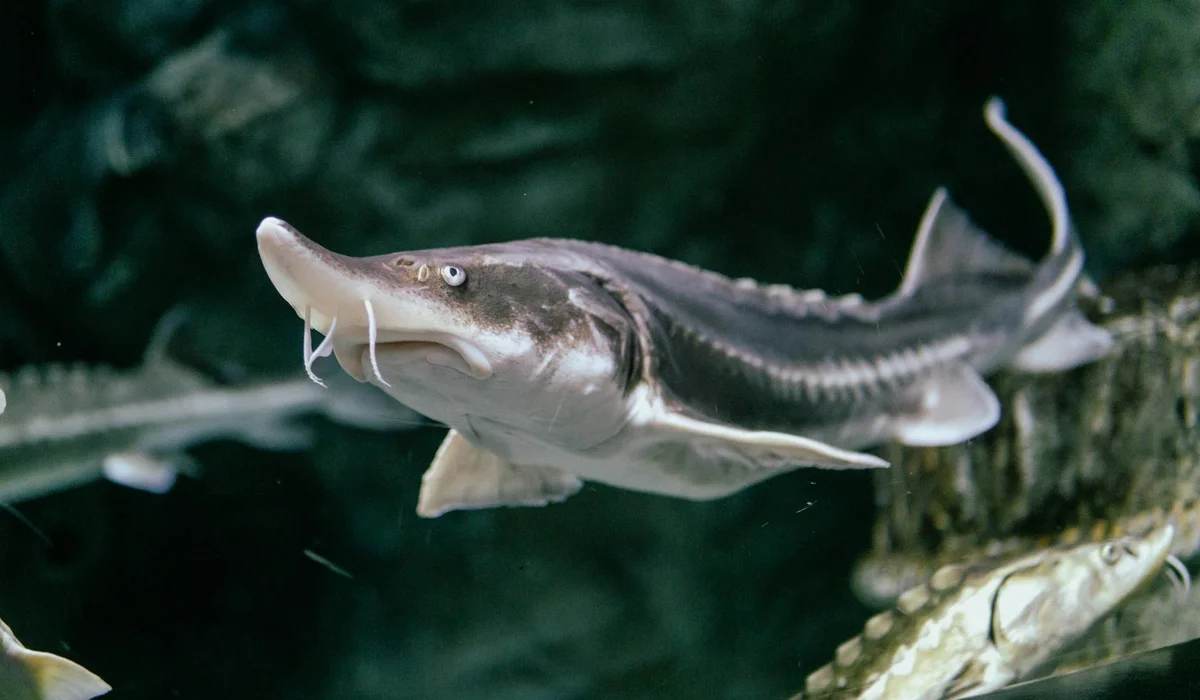
This step cannot be rushed; it’s the biological foundation of your entire aquarium. A brackish cycle is similar to a freshwater one, but the salt changes the game slightly. Beneficial bacteria must colonize your filter to process toxic ammonia from fish waste. It’s essential to understand the nitrogen cycle before starting a brackish tank.
I always start by adding my salt mix to freshwater before it goes in the tank, ensuring it’s fully dissolved to avoid burning delicate gills or scales later. This approach aligns with using aquarium salt for freshwater health when used appropriately. Be mindful that not all freshwater fish tolerate salt, so tailor the regimen to the species and water conditions. Aim for your target specific gravity, usually between 1.005 and 1.015 for beginner brackish species.
Here is my proven method:
- Set up your tank with all equipment (filter, heater) running and add your substrate and decor.
- Prepare your brackish water in a separate container, dissolve the salt completely, then fill the tank.
- Introduce an ammonia source. I use pure ammonium chloride, but a piece of raw shrimp from the grocery store works as a DIY alternative.
- Test your water daily. You will watch ammonia spike, then fall as nitrite appears. This is the longest, most tense part.
- Patience is key. When both ammonia and nitrite read zero and you have nitrate, your tank is cycled. This can take 4-8 weeks.
To drastically speed up the process, seed your filter with media from an established tank-just make sure it’s from a healthy, disease-free system, even if it’s a freshwater one. The bacteria will adapt to the brackish conditions much faster than starting from scratch.
Essential Equipment and Natural Decor Choices
Brackish water is corrosive, so equipment choice matters. You need durable gear that can handle the mineral content. A canister or hang-on-back filter with adjustable flow is ideal, as many brackish fish dislike strong currents.
Invest in a quality heater with an external guard, and always use a refractometer for measuring salinity; those plastic hydrometers are notoriously inaccurate and will lead to problems. You’ll also want a reliable test kit for ammonia, nitrite, nitrate, and pH.
For decor, think natural and inert. Many rocks and woods can alter water chemistry.
- Rocks: Lava rock, dragon stone, and Texas holey rock are excellent, stable choices.
- Driftwood: Use sparingly, as it releases tannins that lower pH. Soak it for weeks first if you use it.
- Substrate: Aragonite sand is a superstar-it slowly releases minerals that help buffer pH and maintain water hardness, which is perfect for brackish environments.
Brackish-Tolerant Plants and Substrate
Finding true brackish plants is a challenge, but a few hardy staples thrive. Don’t expect a lush freshwater jungle; think more minimalist and resilient.
Java Fern and Anubias are my top picks; attach them to rocks or driftwood with cotton thread, as planting their rhizomes in substrate will cause them to rot. They adapt to low-end brackish conditions beautifully.
Vallisneria can also work, and for a unique touch, consider marine macroalgae like Chaetomorpha in a refugium or even the display tank. It absorbs nitrates and provides fascinating texture.
Your substrate is part of your filtration. A shallow bed of aragonite sand over a darker base layer creates visual depth and functional chemistry. That aragonite sand is your secret weapon, passively stabilizing the water parameters that keep your unique species stress-free and healthy. Avoid brightly colored gravels; they look unnatural and don’t offer any biological benefit.
Maintaining Perfect Water Parameters
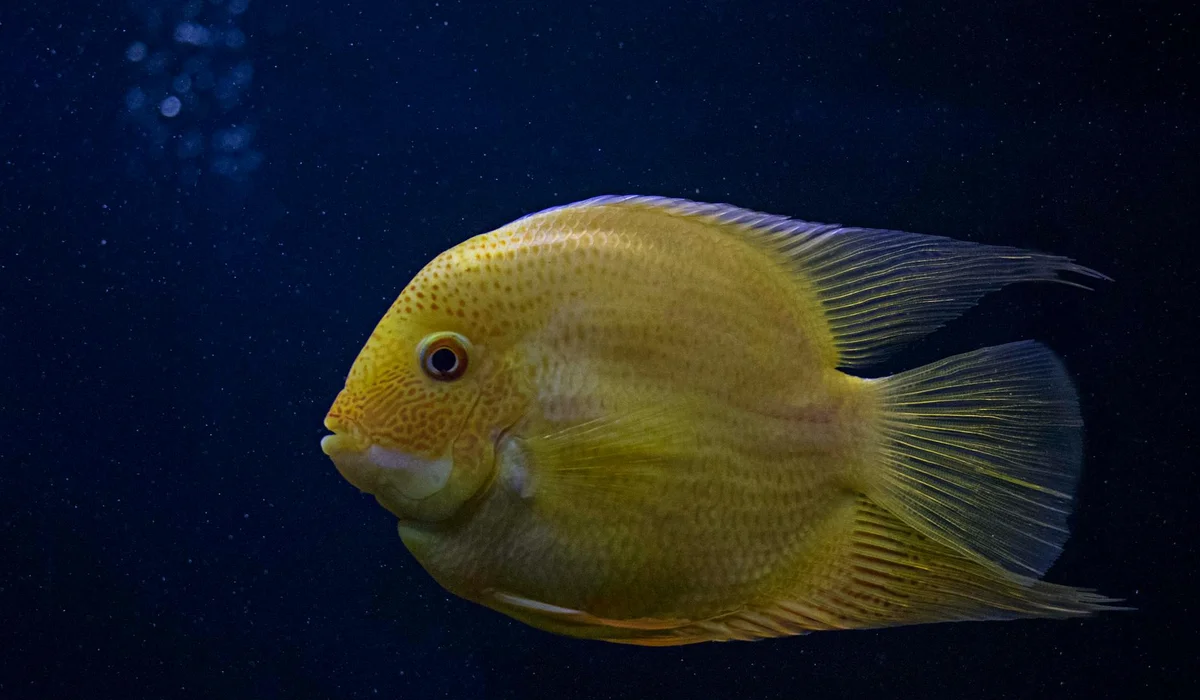
Think of your brackish tank’s water as the very air your fish breathe; getting it wrong isn’t an option. Unlike a freshwater tank where you can be a bit more relaxed, brackish systems demand a watchful eye and a steady hand. The balance is specific, but once you lock it in, your unique species will absolutely thrive.
Acclimating New Fish Safely
Dropping a new fish directly into brackish water is a surefire way to cause severe osmotic shock. Their bodies can’t handle a sudden change in salinity. The goal is to transition them so slowly they barely notice. I always use the drip acclimation method for this. This gentle process is the single most important thing you can do to ensure a new arrival’s survival, giving their kidneys and internal systems time to adjust without panic. You can find tips on how to acclimate fish properly after a water change.
- Float the sealed bag in your tank for 15 minutes to equalize temperature.
- Open the bag and roll down its top to create a floating collar so it doesn’t sink.
- Use airline tubing and a control valve to start a siphon from your main tank into the bag. Tie a loose knot in the tubing or use a valve to adjust the flow to about 2-4 drips per second.
- Let this drip continue until the water volume in the bag has at least doubled. This can take an hour or more. Patience is key here.
- Carefully net the fish from the bag and release it into your tank. Discard all the original bag water, as it may contain contaminants or excess waste.
For fish coming from a pet store’s freshwater tank, you may need to perform this drip acclimation into a separate container, then gradually add small amounts of your brackish tank water over several hours. It’s a longer process, but it saves lives.
Troubleshooting Common Brackish Tank Challenges
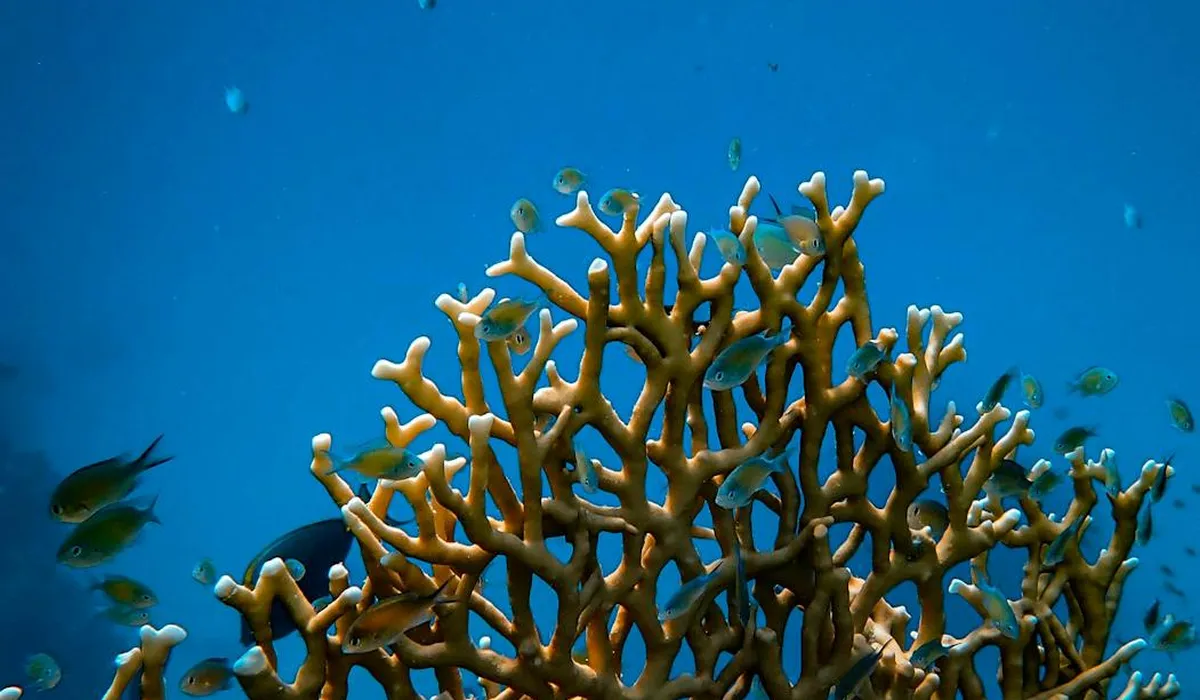
Even with perfect setup, brackish tanks present unique puzzles. Don’t get discouraged-each problem has a logical fix. The hum of the filter should be a sound of stability, not stress.
Unexpected Algae Blooms
If you see green water or surfaces suddenly coated in algae, don’t just blame the lights. In a brackish tank, this often signals a fluctuation in specific gravity. A falling salinity level, often from topping off with pure freshwater instead of properly mixed saltwater, can trigger a massive bloom as freshwater algae spores seize the opportunity. Check your specific gravity first, correct it slowly, and ensure you’re topping off evaporated water with fresh water, but doing water changes with pre-mixed brackish saltwater.
White, Slick Bacterial Film on Decor
That slippery white coating on new driftwood or even the substrate is usually a harmless bacterial bloom, common in new setups with organic material. While unsightly, it’s typically not dangerous. You can siphon it off during water changes, and it will fade as your tank’s biome matures and consumes the excess nutrients fueling its growth. Increasing water flow over the affected area can also help speed its disappearance.
Fish Gasping at the Surface
This is a major red flag. In brackish water, it’s rarely about oxygen alone. First, immediately test your water for ammonia and nitrite-any trace is critical. Then, check your specific gravity. A salinity level that has crept too high forces fish to work desperately to expel salt, exhausting them and leading to surface gasping as their metabolic systems overload. Perform a partial water change with correctly mixed, aerated water to dilute the problem parameters.
Cloudy Water Issues
- White/Gray Cloudiness: This is usually a bacterial bloom. It often follows a new tank setup, overfeeding, or a filter cleaning that disrupted beneficial bacteria. Reduce feeding, ensure good flow, and let your filter do its work. It should clear in a few days.
- Green Cloudiness: As mentioned, this is a free-floating algae bloom. Tackle it by blacking out the tank for 48-72 hours (cover it completely), addressing the salinity or nutrient imbalance, and using fine filter floss to catch the particles.
What People Ask
What is the correct salt measurement for a brackish water aquarium?
Correct salt measurement is defined by specific gravity, not by volume. You must use a marine salt mix and a tool like a digital refractometer to measure, aiming for a stable specific gravity typically between 1.005 and 1.015. The exact level depends on the specific needs of your fish, so always research your chosen species first.
What are brackish water aquarium plants?
True brackish water plants are rare, but several hardy species can tolerate low-end brackish conditions. Excellent choices include Java Fern and Anubias, which should be attached to decor rather than planted in substrate. Some hobbyists also successfully use Vallisneria or even marine macroalgae like Chaetomorpha for a unique look.
What is the best filter for a brackish water aquarium?
The best filter is one with robust, corrosion-resistant components that can handle mineral buildup. A quality canister filter or a powerful hang-on-back filter is ideal, offering strong mechanical and biological filtration. Ensure the flow is adjustable, as many brackish species like gobies and puffers prefer calmer waters. Different filter types have different strengths, so the best choice depends on tank size, bioload, and maintenance. Understanding these differences can help you pick the best filter for your setup.
What decorations are suitable for a brackish water aquarium?
Suitable decorations are inert and will not alter water chemistry. Opt for rocks like lava rock or dragon stone, and use driftwood sparingly after extensive soaking. For substrate, aragonite sand is highly recommended as it helps buffer pH, creating a stable and natural-looking environment for your fish.
Your Brackish Journey Starts Now
Getting your brackish tank right hinges on two things: nailing that specific gravity sweet spot, usually between 1.005 and 1.015, and cycling your tank fully before adding any unique livestock. When you set up a brackish water aquarium tank, start with a solid setup plan. Get filtration, substrate, and a reliable salinity monitor in place before adding any livestock. Patience during setup and diligent weekly testing for salinity and pH will save you countless headaches down the line. Choose tank mates wisely, opting for species that share similar needs, and invest in a quality hydrometer from day one.
Remember, keeping these captivating fish is a promise to provide consistent, informed care for their entire lives. The most rewarding tanks are built by keepers who never stop learning, whether through trusted forums, local fish clubs, or simply watching the daily rhythm of their aquatic world. Understanding which maintenance tasks are essential and how often to perform them helps you stay on schedule. Getting the frequency right matters for water quality and fish health. Your dedication to understanding this special ecosystem is what transforms a tank of water into a thriving, shimmering habitat.
Further Reading & Sources
- How to Set Up (and Maintain) a Brackish Tank | Step-by-Step Guide – Aquarium Co-Op
- Brackish Aquarium Setup
- r/Aquariums on Reddit: Anyone here ever done brackish tanks?
- Brackish Fish Care Guide
- Approaching brackish with a different mindset… – Tannin Aquatics
Lia is an expert in aquarium and pet fish care. Having worked in the marine industry and having cared for multiple pet fish, she has acquired first hand expertise on aquarium care, maintenance and setup. She always brings her practical expertise and science to help solve any aquarium related queries.
Water Quality