
The Perfect Tank Size: Your Fish’s Health Starts Here
Hello fellow fish keepers! Are you staring at empty tanks in the pet store, completely overwhelmed by the choices? That initial decision on aquarium size is one of the biggest-and most important-you’ll make.
This guide will walk you through the entire process, moving beyond guesswork to give your fish a thriving home. We will cover:
- Why the old “one-inch-per-gallon” rule is a myth that can harm your fish.
- How to match tank dimensions to your species’ adult size and natural swimming behavior.
- The critical link between water volume, stable chemistry, and your filter’s power.
- A simple method for calculating your tank’s true bioload, not just its fish count.
- Smart planning for future fish friends and aquascaping dreams.
I’ve learned these lessons through years of maintaining everything from nano shrimp jars to a 125-gallon community tank teeming with life.
Start With the Basics: Why Aquarium Size Matters
Water Quality and Fish Health
The clear, clean water you love depends entirely on volume. A larger volume of water dilutes waste products like ammonia and nitrites much more effectively than a small one. Think of a small tank like a stuffy room-toxins build up fast and stress your fish, making them prone to illness. That constant hum from your filter is working to process fish waste, and giving it more water to work with makes its job infinitely easier.
Stable water parameters are the foundation of a healthy aquarium. A small tank can see wild temperature swings and pH crashes from a single small change. A larger aquarium acts like a thermal and chemical buffer, creating a much more stable, safer world for your aquatic pets. Your fish will shimmer with health when their environment isn’t constantly working against them, especially when you test and maintain proper water parameters.
Space for Natural Behaviors
Fish are not decorations; they are living animals with instincts. A cramped tank forces fish to exist, not live. They need room to explore, claim territories, and retreat from tankmates. Providing adequate horizontal swimming space, especially for active fish, is non-negotiable for their mental and physical well-being. Watching a school of fish dart and weave through a properly sized tank is a true joy. This is the focus of the ultimate guide to aquarium territorial behavior. It explains how territories form and how tank layout can reduce conflicts.
Consider my Corydoras, Shadow. In a small tank, he’d just huddle in a corner. In his larger home, he actively forages across the entire bottom, sifting through sand with his barbels. Seeing your fish express their full range of natural behaviors is one of the most rewarding parts of the hobby. It’s the difference between surviving and truly thriving.
Factor In Your Fish’s Adult Size and Growth
Never Judge by Juvenile Size
This is the single most common mistake I see. That tiny, one-inch fish at the store is often a baby. Plan for the adult it will become, not the juvenile you buy. Purchasing a tank based on a fish’s current size is like buying shoes for a toddler that they must wear for the rest of their life. It simply won’t work and leads to stunted growth and health problems.
Stunting is a cruel, slow process where the fish’s body stops growing, but its internal organs do not. Stunted growth is a direct result of poor water quality and confinement, and it significantly shortens a fish’s lifespan. Always, always research the maximum potential size of any species before you bring it home.
Common Species and Their Tank Volume Needs
Here is a straightforward guide to get you started. Remember, these are minimums for a single species setup, and bigger is almost always better.
- Betta Fish: A common misconception is that they thrive in tiny bowls. I keep Captain Fin in a filtered and heated 5-gallon tank, which is the true minimum. They appreciate horizontal swimming space and places to rest near the surface.
- Goldfish (like my Goldie): These are massive waste producers. For a single Fancy Goldfish (Oranda, Ryukin), start with a 30-gallon tank. For each additional Fancy, add 15-20 gallons. Slim-bodied Commons need 55 gallons for the first and much more for others.
- Dwarf Corydoras (like Shadow): These are social shoalers. A 10-gallon tank is the absolute minimum for a group of 6, but a 20-gallon long tank gives them the expansive bottom area they truly love to patrol as a group.
- Neon Tetras: Another schooling fish. A 10-gallon tank can work for a small school of 6, but a 20-gallon tank allows you to keep a more natural, stunning school of 12-15 individuals.
- African Cichlids (Mbuna): These are active and territorial. A 55-gallon tank is often considered the starting point for a small group to help disperse aggression and establish territories.
My rule of thumb is to find the recommended minimum tank size for a species, and then see if you can comfortably provide the next size up. You will rarely, if ever, regret getting a larger aquarium—especially when it means having more options among commonly used aquarium sizes. Larger tanks offer more stability and are often home to more vibrant communities of aquatic life.
Understand Fish Behavior and Social Needs
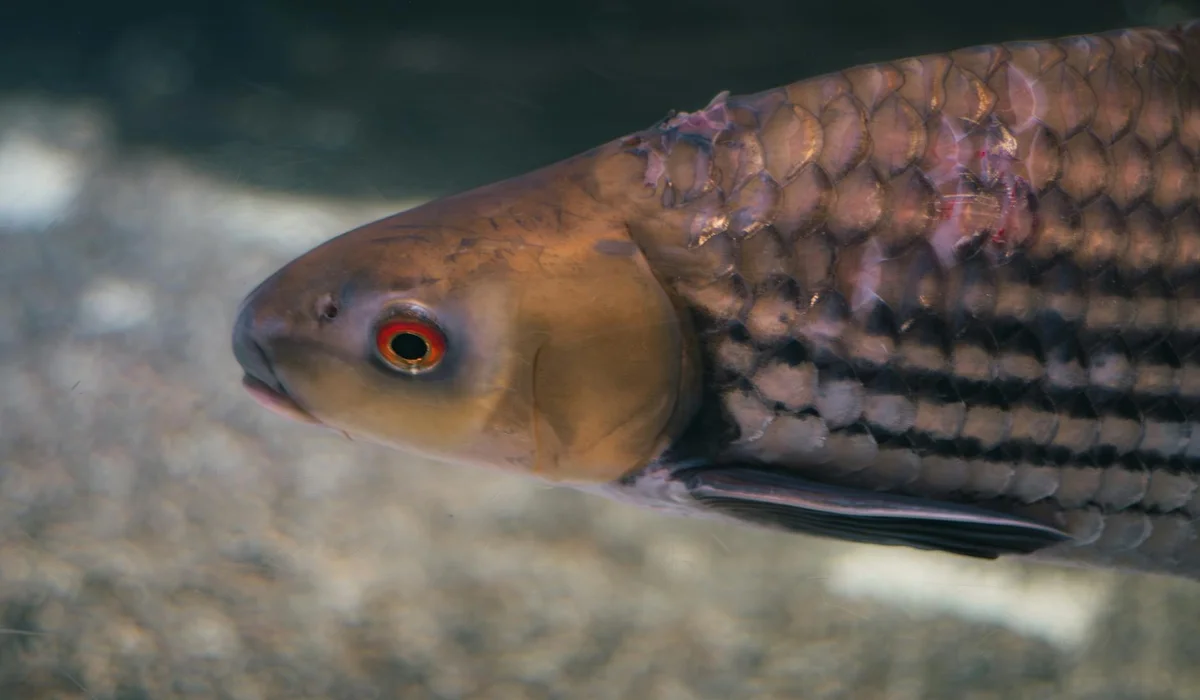
Fish aren’t just decorations; they’re living creatures with complex social lives. Getting the group dynamics wrong is a fast track to stressed, sick fish, no matter how big the tank is. I’ve learned this the hard way by watching a formerly peaceful community turn into a nightmare after adding the wrong mix. This is exactly why you should choose compatible fish for your community tank. Plan ahead to match temperaments, sizes, and care needs so the group thrives.
Schooling Fish Requirements
Fish like Neon Tetras or Zebra Danios feel secure only in a crowd. A tiny group in a vast tank will still huddle together in fear. For true schooling behavior and low stress, you need a minimum of six individuals, though I always recommend starting with eight to ten. This allows for natural hierarchy and stunning visual movement.
- Small Schoolers (Neon Tetras, Ember Tetras): A 20-gallon long tank is the sweet spot. The long footprint gives them the horizontal swimming room they crave.
- Mid-Size Schoolers (Rummy Nose Tetras, Harlequin Rasboras): Step up to a 30-gallon or larger. Their active, fast-moving nature demands more open space.
- Large Schoolers (Bala Sharks, Tinfoil Barbs): These are often sold small but grow rapidly. They require a 125-gallon tank or more as adults. Keeping them in small groups is non-negotiable for their well-being.
Territorial Species and Tank Footprint
Territorial fish, like my Crowntail Betta Captain Fin, claim a specific area as their own. The tank’s footprint-its length and width-is far more critical than its height for these fish. A tall, narrow tank is a prison for a territorial species; a long, shallow tank is a kingdom. They patrol horizontally, not vertically.
- African Cichlids: Use rock piles to create visual barriers and break up sightlines. A 55-gallon tank is a good starting point for a small group, as it offers ample horizontal territory.
- Betta Fish: While often kept alone in small tanks, a single Betta truly thrives in a 5-gallon or 10-gallon “studio apartment” with lots of plants and resting spots near the surface.
- Angelfish: Despite their height, they need a tall tank that is also long. A 55-gallon is ideal for a pair, giving them the vertical swimming space and the horizontal territory they require.
Calculate Stocking Density and Manage Bioload
It’s tempting to fill every inch of your tank with colorful fish. Resist that urge. Overstocking is the most common mistake I see, and it leads to constant water quality battles. A crystal-clear tank can still be a toxic soup if the bioload is too high for the system to process.
What Is Bioload and Why It Counts
Bioload is the total amount of organic waste produced by everything in your tank-fish, snails, uneaten food, and decaying plants. Think of your aquarium filter as the stomach of the entire ecosystem; overfeed it, and the whole system gets sick. A single large Goldfish like my Goldie produces more waste than a dozen small Tetras.
- Heavy Bioload Fish: Goldfish, Oscars, Plecos. These require massive filtration and very large tanks (think 75 gallons for a single Oscar) or frequent, large water changes.
- Light Bioload Fish: Small Tetras, Rasboras, Shrimp. You can keep a larger group of these in a well-filtered tank, making them ideal for community setups.
- The “One Inch Per Gallon” Rule is a Myth: This old guideline is dangerously misleading. It doesn’t account for fish mass, waste production, or behavior. A one-inch Neon Tetra and a one-inch Platy have completely different bioloads.
Filtration Capacity and Water Turnover
Your filter is the heart and lungs of your aquarium. Its job is to house beneficial bacteria and mechanically remove debris. You should aim for a filter that can process all the water in your tank at least four to five times every hour. For a 40-gallon tank, that means a filter rated for 160-200 gallons per hour (GPH).
- For a lightly stocked tank, the built-in filter might be enough, but I always recommend adding a small sponge filter for extra biological filtration. It’s a cheap insurance policy.
- For a heavily stocked tank or one with messy fish, you need to oversize your filtration. Use a canister filter or two powerful hang-on-back filters. You can never have too much filtration, only too much current.
- Test your limits slowly. After your tank is cycled, add fish gradually, testing your water parameters for ammonia and nitrite every few days. This prevents overloading your bacterial colony.
Match Equipment to Your Aquarium Size
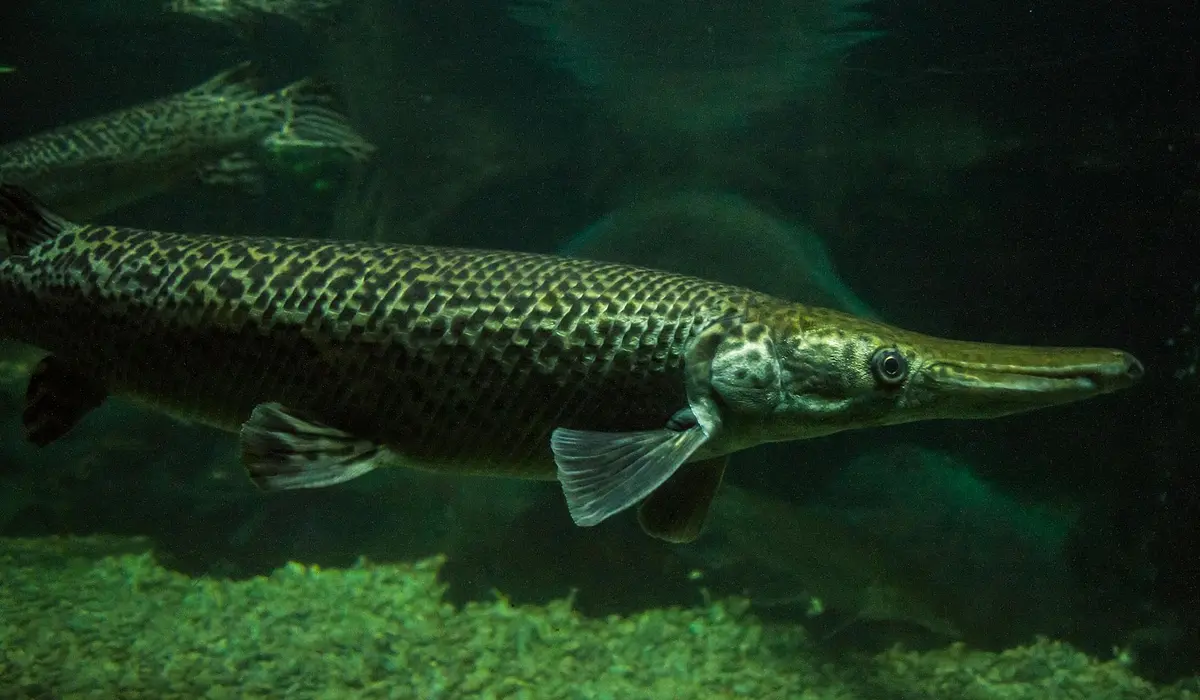
Getting the tank itself is only the first step. The right equipment is what transforms a glass box into a thriving, stable ecosystem for your fish. An undersized filter in a large tank is a recipe for disaster, while an overpowered heater in a small one can cook your pets.
Choosing the Right Heater
Heaters are not one-size-fits-all. The goal is consistent, safe warmth without wild temperature swings. I always follow the simple rule of 5 watts per gallon as a starting point.
- Small Tanks (5-20 gallons): A single 50-watt to 100-watt heater is usually perfect. Look for compact, fully submersible models.
- Medium Tanks (30-55 gallons): You’ll need 150 to 200 watts. I often use two smaller heaters, like two 100-watt units placed at opposite ends of the tank.
- Large Tanks (75+ gallons): Go for 250 to 500 watts, often achieved with multiple heaters. This provides redundancy; if one fails, the other prevents a total temperature crash.
Using two smaller heaters instead of one large one is my go-to hack for larger aquariums, as it spreads the heat evenly and acts as a safety net. Always use a separate, reliable aquarium thermometer to double-check the heater’s built-in thermostat.
Ensuring Proper Filtration
Your filter is the lungs and kidneys of your aquarium. The key measurement here is flow rate, listed as Gallons Per Hour (GPH). You want a filter that can process all the water in your tank multiple times per hour.
- For most community tanks, aim for a filter with a GPH rating of 4 to 6 times your tank’s volume. A 30-gallon tank needs a filter rated for 120-180 GPH.
- For heavy bioloads, like goldfish or cichlids, aim for 6 to 8 times the tank volume. My Goldie’s tank has a filter rated for nearly 10 times its volume to handle her mess.
- For gentle flow tanks, like a Betta aquarium, you can go lower (2-4 times), but ensure the output is adjustable so Captain Fin isn’t blown around.
I strongly prefer canister filters for tanks over 40 gallons because they offer superior mechanical, chemical, and biological filtration without cluttering the tank’s interior. For smaller setups, a high-quality hang-on-back filter is a fantastic and simple choice.
Putting It All Together: A Simple Selection Process
Feeling overwhelmed? Let’s break it down into a foolproof plan. Following these steps in order prevents the heartbreak of buying fish that you can’t properly house.
Step-by-Step Tank Choice Guide
- Research Your Fish First. Fall in love with a species, then build its home. Note its adult size, social needs (schooling or solitary?), and temperament.
- Calculate the True Tank Size. Use the “one inch per gallon” rule only as a vague starting point for very small fish. For most, use the actual footprint and volume requirements for that specific species.
- Select the Tank Shape. Choose a long, low tank over a tall, narrow one for most fish. Surface area for oxygen exchange and swimming room are more important than height.
- Match the Equipment. Now that you know your tank size, purchase the correctly rated heater, filter, and lighting based on the gallons and your fish’s needs.
- Cycle Before You Buy. Set up the tank with equipment running for 4-8 weeks before adding any fish. This establishes the beneficial bacteria that will keep them safe.
Avoiding Common Pitfalls
I’ve made these mistakes so you don’t have to. Impulse buys are the number one cause of failed aquariums and unhappy fish.
- Avoid the “Tank Kit” Trap. Many all-in-one kits come with underpowered filters and cheap heaters. It’s often better to buy the empty tank and select quality components separately.
- Don’t Trust the “Minimum” Size. A label that says a fish can live in a 10-gallon tank often means it can *survive* in one, not thrive. Always provide more space than the bare minimum.
- Never Stock Too Quickly. Even in a cycled tank, adding six new fish at once can crash your water parameters. Add fish slowly, one small group at a time.
- Ignore the “Small Tank” Sales Pitch. If a store clerk tries to sell you a fish for a tank you know is too small, walk away. Your research is your best tool.
Planning your aquarium around the full-grown size and natural behavior of the fish is the single most impactful decision you will make for their long-term health. It’s the difference between a fish that merely survives and one that shimmers with vitality. For koi, this means planning for a large, well-filtered tank and ongoing care. Proper tank size and water quality are essential for koi to truly thrive.
Common Questions
Is there an aquarium size calculator I can use?
While online calculators can provide a rough estimate, they often oversimplify factors like fish behavior and bioload. It’s more reliable to research your specific fish species’ adult size and social needs, then use the bioload calculation method described in the article on calculating aquarium volume and determining fish capacity. Always choose a tank larger than the minimum to ensure stable water conditions and happy fish.
What’s a simple aquarium size guide for beginners?
Start with a 20-gallon or larger tank, as bigger volumes are easier to maintain and forgive common mistakes. Focus on hardy, small fish like neon tetras or platies that thrive in groups, and avoid species known for rapid growth or high waste production. This approach reduces stress and helps you learn the basics without overwhelming bioload issues.
How do I choose the right heater size for my aquarium?
A good starting point is 5 watts per gallon of water, so a 30-gallon tank would need a 150-watt heater. For larger tanks, use multiple smaller heaters to distribute heat evenly and provide redundancy in case one fails. Always pair your heater with a separate thermometer to accurately monitor water temperature and prevent overheating.
What heater size is recommended for a 150-liter tank?
For a 150-liter tank (about 40 gallons), a single 200-watt heater or two 100-watt heaters are ideal based on the 5-watt-per-gallon rule. Ensure the heater is fully submersible and placed near water flow for consistent warmth. In cooler environments or for tanks with high heat loss, consider slightly higher wattage to maintain stable temperatures.
Your Perfect Tank Size Awaits
Always research your fish’s adult size and social needs before you even buy the tank. Choosing a larger aquarium from the start prevents overcrowding and makes water quality management far simpler. Also, consider how maintenance will change if you later upgrade the tank—larger volumes require longer water changes and tougher filtration. Planning for this now helps keep upkeep practical.
Providing a proper home is the first step in being a responsible fish keeper. Stay curious, join online forums, and never stop learning—your fish will thank you with their vibrant health and behavior. Beginner-friendly tips on disease prevention and tank maintenance help you keep water clean and stable. Simple routines like regular water changes, parameter checks, and careful quarantine practices prevent problems before they start.
Further Reading & Sources
- Fish Tank Sizes & Types: How to Choose the Right Aquarium | Wayfair
- Aquarium Sizes – A Complete Guide (With Charts) – AquariumStoreDepot
- API® Blog | Choosing the right aquarium size
- Overwhelmed by Options? Your Friendly US Guide to Decoding Fish Tank S – BUBBLE-MAGUS
- The best dimensions for your aquarium – | Aquasabi | Aquasabi – Aquascaping Shop
Lia is an expert in aquarium and pet fish care. Having worked in the marine industry and having cared for multiple pet fish, she has acquired first hand expertise on aquarium care, maintenance and setup. She always brings her practical expertise and science to help solve any aquarium related queries.
Fish Species