
What’s Turning Your Tank Murky? A Fish Keeper’s Guide to Crystal Clear Water
Hello fellow aquarists. If you’ve ever peered into your aquarium and wondered where that beautiful clarity went, you’re in the right place. That hazy view is more than just an eyesore; it’s a message from your tank’s ecosystem.
This guide will walk you through the common culprits, including:
- New Tank Syndrome and bacterial blooms
- Suspended algae creating a green fog
- Tannins from driftwood turning water tea-colored
- Fine debris from your substrate or decorations
I’ve spent over a decade troubleshooting these exact issues in my own high-tech planted tanks and breeding setups.
What Cloudy Water Tells You About Your Tank
Think of your aquarium like a miniature ocean, with its own tides and currents of life. Cloudy water is simply your tank’s way of telling you that one of these natural rhythms is out of sync. It’s not a catastrophe; it’s a conversation. Are you wondering how to tell when it’s time for a water change? Look for signs that your aquarium needs one: persistent cloudiness, a strange odor, or test readings showing elevated ammonia or nitrates. Your aquarium is communicating its needs, and learning to listen is a huge part of becoming a great fish keeper.
You can learn a lot just by observing the water’s characteristics. The color, smell, and how your fish are acting are all vital clues.
- Color: A milky white or gray haze often points to a bacterial bloom. A green tint means you’re likely dealing with a floating algae bloom. A yellow or brown color usually indicates tannins from driftwood or leaves.
- Smell: Healthy tank water should have a clean, almost earthy scent. A strong, foul odor can signal decaying organic matter or a spike in harmful waste.
- Fish Behavior: Are your fish gasping at the surface? Are they less active than usual? Changes in behavior can confirm that the water quality issue is starting to stress them.
Common Culprits Behind Cloudy Aquarium Water
Pinpointing the exact cause is the first step to a clear solution. Each type of cloudiness has a different origin story.
Bacterial Blooms and New Tank Syndrome
That sudden milky haze in a new tank is almost a rite of passage. This is a bacterial bloom, a massive population explosion of beneficial bacteria as they work to establish your tank’s biological filter. While it looks alarming, this cloudiness is a sign that your tank’s ecosystem is trying to find its footing. The danger comes from the ammonia and nitrite spikes that often accompany this process. In fish tanks, a bacterial bloom is a common part of cycling, and it will usually clear up as beneficial bacteria establish balance. It’s temporary, so patience and proper maintenance help it clear more quickly.
Here is how I handle a bacterial bloom in my own tanks:
- Test your water parameters immediately to check ammonia and nitrite levels.
- Resist the urge to do a massive water change or deep clean, as this can remove the bacteria you’re trying to cultivate.
- Be patient and let the nitrogen cycle run its course. The cloudiness will clear on its own once the bacterial colony stabilizes.
Algae Blooms and Excess Nutrients
When your tank water turns the color of pea soup, you’re hosting a full-scale algae party. These microscopic plants thrive on two things: light and food. An algae bloom is a clear signal that your tank has an excess of nutrients, specifically phosphates and nitrates, and too much light to fuel the growth.
The main causes of green water are almost always within your control:
- Leaving the tank light on for more than 8-10 hours a day.
- Overfeeding your fish, which creates leftover waste.
- Infrequent water changes, allowing nutrient levels to build up.
- Decaying plant matter that isn’t removed during maintenance.
Tannins and Brown Discoloration
If your water looks like a weak iced tea, don’t panic. This brown discoloration is typically caused by tannins leaching from driftwood, Indian Almond Leaves, or certain types of substrate. For many fish, especially species from blackwater environments, tannins are a welcome comfort that can mimic their natural habitat. The water is usually perfectly safe, just stained.
Common sources of tannins include:
- New or improperly prepared driftwood.
- Botanical additions like Catappa leaves or alder cones.
- Some types of aquarium soil.
If you prefer crystal-clear water, using chemical filtration like activated carbon in your filter will efficiently remove the tannins.
Debris and Particulate Matter
Sometimes the cloudiness isn’t biological at all, but physical. This is a suspension of tiny, visible particles of substrate, fish waste, or uneaten food being stirred up and circulating in the water column. This type of cloudiness is often a direct result of recent tank maintenance or an underpowered filtration system.
To clear up a debris cloud, follow these steps:
- Vacuum your gravel thoroughly during your next water change to remove settled waste.
- Rinse your filter media in a bucket of old tank water to unclog it without killing beneficial bacteria.
- Evaluate your fish load; an overstocked tank will naturally produce more waste than your filter can handle.
How to Spot the Difference Between Harmless and Harmful Cloudiness
Your water’s color and texture are the biggest clues. That initial milky haze in a new tank feels very different from a sudden green soup in an established one. Learning to read the water is your first and most powerful diagnostic tool.
| Water Color | What It Likely Is | Key Test Parameters |
|---|---|---|
| White, Gray, or Milky | A bacterial bloom. This is a hazy cloud of beneficial bacteria multiplying in the water column itself, not on your filter media. | Ammonia, Nitrite |
| Green (Pea Soup) | An algae bloom. Millions of free-floating microalgae are soaking up excess light and nutrients. | Nitrate, Phosphate |
| Yellow or Brown (Tea-Stained) | Tannins. These are natural organic compounds leaching from driftwood, leaves, or certain substrates, creating a tinted, almost blackwater effect. | pH (it may lower slightly) |
Dangerous Signs: High Ammonia and Nitrite
When your water is cloudy and your test kit shows any level of ammonia or nitrite above zero, it’s a five-alarm fire for your fish. These chemicals are highly toxic, burning their gills and suffocating them. Ammonia and nitrite in a cloudy tank mean your biological filtration has crashed or is overwhelmed. This could indicate issues with your nitrogen cycle.
Watch your fish for these symptoms:
- Gasping at the water’s surface
- Lethargy or lying on the bottom
- Reddened or inflamed gills
- Loss of appetite
Your immediate action plan is non-negotiable:
- Perform an immediate 50% water change.
- Stop feeding your fish for 24-48 hours to reduce waste.
- Test your tap water to ensure it’s not the source.
- Consider using a water conditioner that detoxifies ammonia.
Usually Safe Cloudiness: Bacterial and Algae Blooms
In an established tank, a bacterial bloom often corrects itself within a few days as the bacteria colony finds its balance. Patience is your best friend here, as the cloudiness is a sign of the tank fixing itself. The hum of your filter is the sound of help arriving, pulling those floating bacteria into contact with your filter media where they belong. These bacterial blooms are not to be confused with the signs that indicate your aquarium is fully cycled.
Green water from algae is generally not directly harmful to fish, but it blocks your view and can indicate an imbalance. That green tint usually means algae are blooming from excess light and nutrients. You only need to intervene aggressively if you can’t see your fish or your plants are suffering from lack of light. A simple blackout for three days, where you cover the tank completely and do not turn on the lights, often works wonders. For more information, check out this article on green water from algae.
Step-by-Step Fixes for Cloudy Water
Tackling cloudy water is a two-part process: quick emergency relief and addressing the root cause for a long-term cure.
Immediate Actions for Emergency Cloudiness
When you see a sudden change, don’t panic. Follow these steps to stabilize the environment for your fish.
- Perform a 25-50% water change. Use a gravel vacuum to remove waste from the substrate as you siphon.
- Test your water immediately for Ammonia, Nitrite, and pH. This tells you if you’re dealing with a toxin spike.
- Check and clean your filter if it’s clogged. Rinse the media in old tank water you just removed to preserve beneficial bacteria.
- Use a water clarifier as a last resort. These products clump tiny particles together so your filter can remove them.
Long-Term Solutions for Persistent Problems
If cloudiness keeps coming back, you need to dig deeper. The goal is to create an ecosystem that is resilient and self-cleaning.
- Adjust Your Feeding: Feed only what your fish can consume in two minutes, once a day. I often skip a day each week to let the tank’s biology catch up.
- Improve Filtration: Ensure your filter is rated for your tank’s size. Adding a pre-filter sponge on the intake can trap debris before it clouds the water.
- Manage Your Light: Reduce your photoperiod to 6-8 hours daily. Use a simple timer for consistency, as algae thrives on fluctuating light.
- Balance Biofilm: For bacterial clouds, avoid changing filter media. The cloudiness is a sign of a maturing bacterial colony; just give it time.
- Reduce Phosphates: Test for phosphates, a major algae food. Using phosphate-removing media in your filter or switching to reverse osmosis (RO) water can be a game-changer for green water.
Keeping Your Water Crystal Clear: Prevention Tips
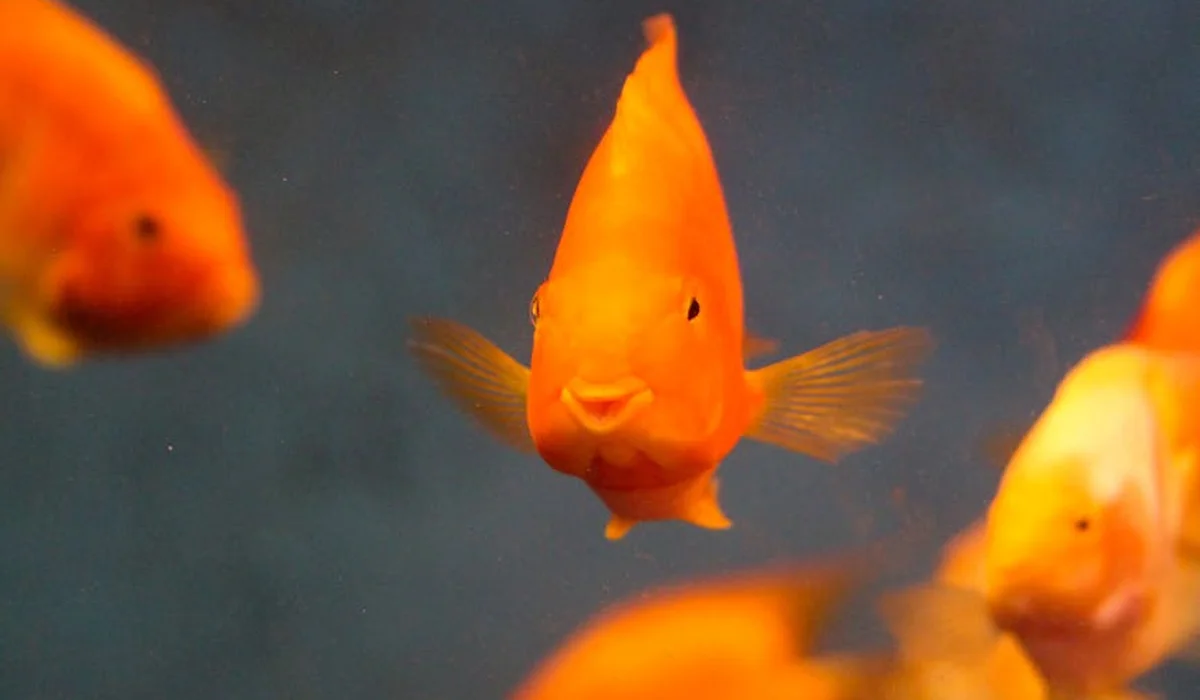
A sparkling tank isn’t just about looks; it’s a sign of a healthy, balanced ecosystem. The single best way to prevent cloudy water is to build simple, consistent habits that keep waste and nutrients in check.
Routine Maintenance Schedule
Think of your maintenance schedule as non-negotiable appointments for your fish’s health. Skipping them is an open invitation for murky water.
- Weekly: Perform a 25-30% water change. Use a gravel vacuum to suck waste out of the substrate without disturbing it too much.
- Weekly: Wipe down the inside glass with an algae pad to remove biofilm before it can decay.
- Monthly: Gently rinse filter media in a bucket of old tank water you’ve removed. This preserves the vital beneficial bacteria while washing away gunk.
- Monthly: Prune dead or dying plant leaves. Decaying plant matter is a major fuel source for bacteria blooms.
Consistency is far more valuable than heroic, infrequent cleanings that can shock your tank’s balance.
Smart Feeding and Stocking Practices
Overfeeding is, without a doubt, the most common mistake I see. My betta, Captain Fin, is always ready to eat, but I stick to a tiny pinch of food once a day.
- Feed only what your fish can completely consume in two minutes.
- Consider having one “fasting” day per week to let their digestive systems clear.
- If you see food settling on the bottom, you’ve fed too much. Scoop it out immediately.
- Avoid overstocking your tank. More fish means more waste, overwhelming your filter and leading to persistent cloudiness.
An understocked tank is always easier to maintain than one that’s pushed to its biological limit.
When Cloudy Water Signals Bigger Problems
Sometimes, cloudiness is more than just a simple bacterial bloom. It can be a red flag waving at you, signaling that something in the tank’s environment is seriously off.
- Watch for sudden temperature fluctuations, often caused by a faulty heater.
- Be wary of contaminated water from a new decoration or from spraying chemicals near the tank.
- A rapid pH swing can also cause a temporary haze as the water chemistry finds a new equilibrium.
If your water remains cloudy for more than a week despite good maintenance, it’s time to investigate these deeper issues.
Identifying and Handling Cyanobacteria
Cyanobacteria, often called blue-green algae, is a slimy, smelly menace that can spread like a carpet over your plants and decor. It’s not a true algae but a bacteria, and it loves low water flow and high nutrients. For aquarium owners, identifying cyanobacteria vs. true algae helps guide removal strategies.
- Manually remove as much as you can by siphoning it out and wiping surfaces.
- Increase water flow in the affected areas with a small powerhead or by adjusting your filter output.
- Perform a three-day blackout by completely covering the tank to block all light.
- After the blackout, do a large 50% water change to remove the dead cyano.
Be patient and persistent; cyanobacteria can be stubborn, but disrupting its ideal conditions is the key to beating it. When you treat cyanobacteria, also known as blue-green algae, focus on reducing nutrients and limiting sunlight that fuel blooms. With steady effort, you can minimize blooms and protect water quality.
Dealing with Mineral Precipitation and Hard Water
If you see a persistent white haze that looks like fine dust, you’re likely dealing with mineral precipitation. This happens when dissolved calcium and carbonate minerals in hard water become insoluble and float in the water column.
You can confirm this with a simple GH (General Hardness) and KH (Carbonate Hardness) test kit. High readings point to this issue.
- The most effective long-term solution is to dilute your tap water with reverse osmosis (RO) or distilled water during water changes.
- Avoid using chemical pH-adjusting products, as they can often trigger this precipitation.
- Ensure your heater is working correctly, as a malfunctioning heater can sometimes cause rapid temperature changes that kick minerals out of solution.
Using RO water gives you a blank canvas, allowing you to remineralize the water to the exact parameters your fish need for perfect health.
## Common Questions
Why does my cloudy water keep coming back even after water changes?
Recurring cloudiness means you are not addressing the root cause. Water changes provide temporary relief, but overfeeding, inadequate filtration, or excessive light will continue to fuel the problem. You must identify the underlying imbalance, such as high nutrient levels or a compromised filter, for a permanent solution.
Will a UV sterilizer clear up my green water algae bloom?
Yes, a UV sterilizer is highly effective against free-floating algae that cause green water. The UV light kills the algae cells as water passes through the unit, clearing the water within a few days. However, it is a treatment, not a cure, and you must still correct the excess light and nutrients that caused the bloom. Proper use of UV sterilizers is crucial for effective algae control.
Is it normal for a new tank to be cloudy during the cycling process?
Yes, a milky white cloudiness is very common and expected in a new tank. This bacterial bloom is a sign that beneficial bacteria are multiplying to establish the biological filter. This cloudiness is typically harmless and will clear on its own once the nitrogen cycle is complete and the bacteria colony stabilizes.
My water turned cloudy right after I cleaned the tank. What happened?
This is usually caused by disturbing the substrate or decor, which suspends fine debris and waste into the water column. It can also happen if you cleaned or replaced the filter media, disrupting the colony of beneficial bacteria. The cloudiness should settle within a day or be removed by your filter as it processes the particles.
Your Path to Pristine Water
To tackle cloudy water, first pinpoint the cause—be it a bacterial bloom from a new tank or green vs white cloudy water from excess nutrients. Green water is usually algae-driven, while white cloudy water often indicates a bacterial bloom; treat each accordingly. Consistent, partial water changes and not overfeeding your fish are the most effective ways to restore and maintain that beautiful clarity.
Remember, a healthy aquarium is a direct reflection of your dedicated care and willingness to learn. Embrace the process, ask questions, and your knowledge will grow right along with your underwater ecosystem. For beginners, mastering aquarium water parameters is an essential first step. This complete beginners guide walks you through testing, balancing, and maintaining safe levels for a thriving tank.
Further Reading & Sources
- How to Clear Up Cloudy Fish Tank Water with 5 Easy Methods – Aquarium Co-Op
- r/Aquariums on Reddit: How do you guys get such crystal clear water?
- Seachem – Clarity
- How to get crystal clear aquarium water? | Aquaforest
- Secret Guide – How To Get Crystal Clear Aquarium Water – AQUAPROS
Lia is an expert in aquarium and pet fish care. Having worked in the marine industry and having cared for multiple pet fish, she has acquired first hand expertise on aquarium care, maintenance and setup. She always brings her practical expertise and science to help solve any aquarium related queries.
Water Quality