
Artificial vs. Natural Hardscape: Your Guide to a Stunning, Healthy Aquarium
Hello fellow fish keepers! That moment you stand in the fish store, staring at sleek artificial decor and rugged natural stone, can be totally overwhelming. Your choice here shapes your tank’s beauty, your maintenance routine, and even the well-being of your fish.
This guide breaks it all down for you, covering:
- Upfront costs and long-term value
- How each type affects your water parameters
- Cleaning ease and algae control
- Creative freedom and visual impact
- Safety for sensitive fish and plants
I’ve made both choices in my own high-tech planted tanks over the years, breeding everything from feisty bettas to shy corydoras.
What Is Aquarium Hardscape and Why Does It Matter?
Aquarium hardscape is the foundation of your underwater world. It refers to all the non-living, structural materials you place in your tank before adding plants or substrate. Think of it as the bones and skeleton of your aquascape. Your choice of hardscape dictates the entire visual flow and functional habitat of your aquarium.
It matters for three key reasons. First, it creates the aesthetic appeal, establishing lines, focal points, and a sense of scale. Second, it provides vital territory for your fish. Captain Fin, my feisty Betta, needs overhangs to claim as his own, while shy Shadow, the Corydoras, requires tight crevices to feel secure. Finally, porous materials like lava rock host beneficial bacteria, boosting your tank’s biological filtration. This silent biological army is your first line of defense against toxic ammonia and nitrite.
Pros of Artificial Hardscape Materials
Artificial hardscapes, made from resin, ceramics, or safe plastics, offer a suite of advantages that make them incredibly appealing, especially for beginners or those seeking a specific, consistent look.
Durability and Long-Term Stability
Artificial decorations are virtually indestructible. They won’t break down, alter your water chemistry, or leach minerals. You can rely on an artificial piece to look exactly the same years from now, with no risk of it softening or crumbling into the substrate. This gives you complete control over your water parameters, which is a huge relief when keeping sensitive species.
Guaranteed Fish Safety
Reputable artificial decorations are designed with fish safety in mind. They are typically smooth, with no sharp edges that could tear delicate fins like Captain Fin’s long, flowing tail. This pre-smoothed, fish-friendly design eliminates the hours of scrubbing and filing often needed to make natural rocks and wood safe for your aquarium. Natural materials can sometimes be risky for fish.
Ease of Use and Maintenance
- No Curing or Prep Work: You simply rinse them with dechlorinated water and place them in your tank. There’s no week-long soaking or boiling required.
- Lightweight: Their lighter weight makes rearranging your aquascape a simple, one-person job.
- Algae Resistance: Many are made from materials that algae find difficult to grip, making your cleaning routine much faster.
This plug-and-play convenience saves you significant time and effort during setup and maintenance.
Creative Freedom and Thematic Designs
Want a sunken pirate ship, a neon-colored castle, or a precise replica of a fantasy landscape? Artificial materials make this possible. They offer unparalleled creative freedom for achieving a specific, often whimsical, theme that would be impossible to create with only natural elements. This is perfect for engaging young aquarists or creating a truly unique centerpiece.
Cons of Artificial Hardscape Materials
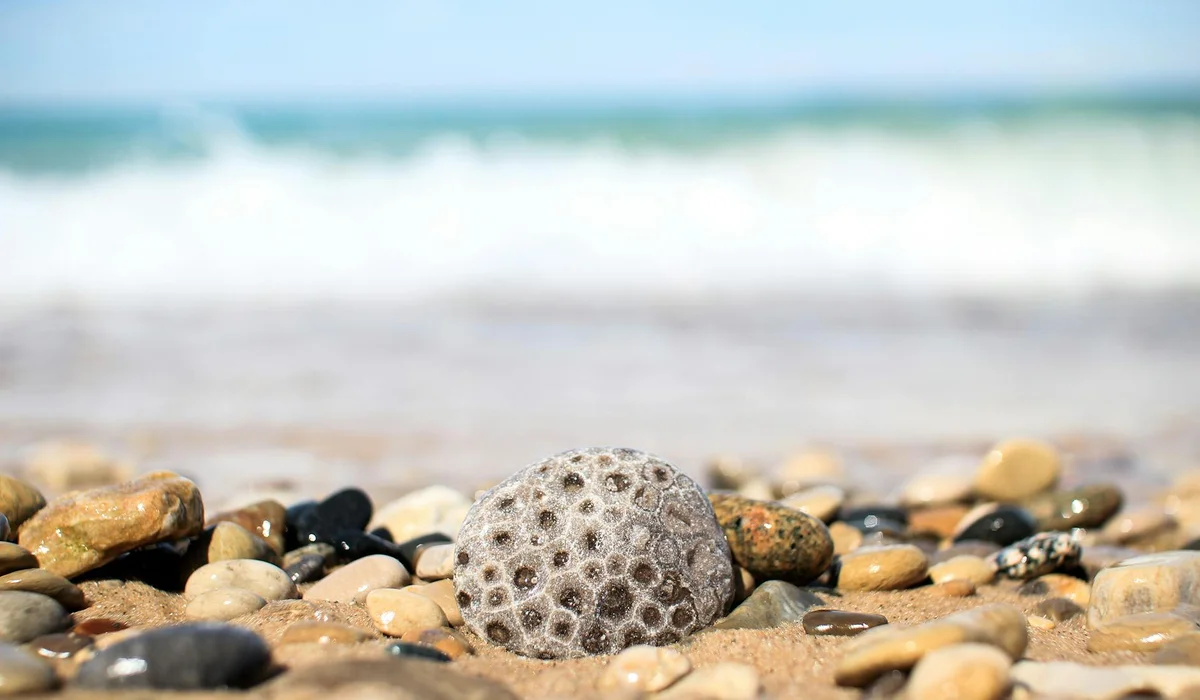
The most immediate drawback is their unnatural appearance. Many resin or plastic decorations have a glossy, uniform texture that never truly mimics the subtle, complex beauty of real stone or wood. This artificial look can break the visual immersion of a naturalistic aquascape, making your tank feel more like a cartoon than a slice of a riverbed. In fact, understanding the core principles of aquascaping design—balance, texture, and natural material compatibility—helps you choose decorations that enhance realism. By prioritizing these principles, you can create cohesive scenes that feel authentic to viewers and aquatic life alike.
Some lower-quality artificial decor can even pose a risk to your aquatic friends. Rough, sharp edges on castles or ornaments may tear the delicate fins of fish like my betta, Captain Fin. You must meticulously inspect every piece for any hidden hazards that could injure a curious or skittish fish. To decorate safely, consider adding live aquatic plants and other aquarium-safe greenery. They provide natural hiding spots and can improve water quality while you decorate.
Unlike natural materials, plastic and resin are biologically inert. They just sit there. They provide zero benefit to your tank’s water chemistry and do not support the development of a healthy biofilm, which is a vital food source for many shrimp and bottom dwellers like my corydoras, Shadow.
Over a long period, especially under intense aquarium lighting, plastic can become brittle and the paint can fade or even leach into the water. While generally safe when new, the long-term stability of colored plastics in a constantly wet, lit environment is less certain than that of inert stone.
Pros of Natural Hardscape Materials
Nothing compares to the authentic beauty of real driftwood and stone. Each piece is unique, with its own texture, grain, and shape. Using natural materials allows you to create a truly one-of-a-kind aquascape that feels alive and grounded in the real world. The warm, earthy tones of spiderwood or the dramatic striations of Seiryu stone add a depth that plastic simply cannot replicate.
Many natural materials actively benefit your aquarium’s ecosystem. Driftwood, for instance, slowly releases tannins that gently lower pH and create a “blackwater” environment perfect for many soft-water fish like tetras and bettas. These tannins are a family of humic substances that tint the water and help mimic natural blackwater habitats. They also support beneficial microbes and more natural chemistry in the tank. I’ve found that a piece of Mopani wood not only looks stunning but also helps naturally soften my water, reducing my need for chemical adjustments.
The surfaces of natural wood and porous stone are perfect for cultivating beneficial bacteria and microorganisms. These microscopic nooks and crannies become tiny ecosystems, providing a continuous, natural snack for your cleanup crew of shrimp, snails, and catfish. My otocinclus love grazing on the biofilm that forms on my dragon stone.
When chosen correctly, materials like lava rock, slate, and certain types of driftwood are incredibly durable and will last for the entire life of your aquarium. They won’t fade, degrade, or leach questionable chemicals, making them a supremely stable and reliable long-term investment for your tank’s health and aesthetics. For driftwood in an aquascape, the best types are dense, sinking varieties such as Mopani or Spider Wood. You can learn more about these options here. Before adding them, prepare by soaking (and boiling if possible) to remove tannins and help them settle securely in the substrate.
Cons of Natural Hardscape Materials
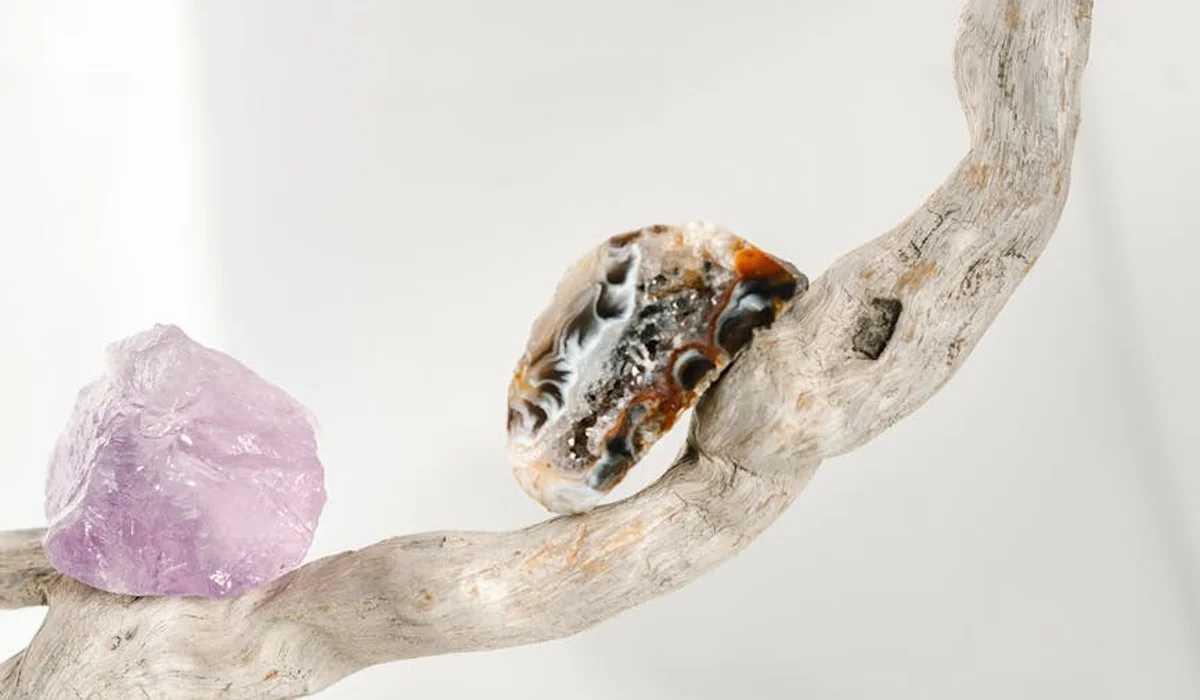
While I love the look of natural stone and driftwood, they come with a unique set of challenges you need to be ready for. Their organic nature means they are active participants in your tank’s chemistry, not just passive decorations.
Potential to Alter Water Chemistry
This is the biggest consideration. Many natural rocks and woods will slowly leach minerals or tannins into your water.
- Rocks like limestone and lace rock can steadily increase your water’s pH and General Hardness (GH), which is problematic for soft water fish like tetras or discus.
- Driftwood, especially new pieces, releases tannins that stain the water a tea-like color and can slightly lower the pH.
In our complete guide to water hardness, alkalinity, and aquariums, you’ll learn how to test and stabilize GH, KH, and pH. Knowing how minerals and tannins affect hardness and alkalinity helps you choose decor and plan water changes. You must research your specific rock or wood type before buying to avoid shocking your fish.
Preparation is Mandatory and Time-Consuming
You can’t just rinse natural hardscape and drop it in. I’ve learned this the hard way.
- Scrubbing: You need to scrub every surface with a stiff brush to remove loose dirt, algae, or hidden pests.
- Soaking: Driftwood often requires weeks of soaking in a separate container to become waterlogged and release the bulk of its tannins.
- Boiling/Sterilizing: Boiling wood and porous rock helps to kill any unwanted bacteria, parasites, or fungal spores.
All of this is part of preparing clean driftwood for your aquarium. When done correctly, it sets up a safer, clearer start for your tank. This process demands significant patience before your tank is even set up.
Instability and Decomposition
Natural materials are not permanent. Driftwood will eventually soften and decompose over years, sometimes creating unstable structures. A piece of wood that seemed solid can develop a soft spot and collapse, potentially toppling your carefully built rockwork. You also need to ensure your rock piles are structurally sound without using unsafe adhesives, as a rock slide can be disastrous for livestock and the tank itself.
Durability and Lifespan Comparison
When you’re building an aquascape you hope will last for years, thinking about longevity is smart. Artificial materials are designed to be inert and unchanging, while natural materials live and evolve with your tank.
Let’s break down the lifespan of common materials:
| Material Type | Expected Lifespan | How It Ages |
|---|---|---|
| Resin/Plastic Decor | Indefinite | Color may fade under intense lighting over many years. The structure remains intact and stable. |
| Ceramic Decor | Indefinite | Extremely durable. Can be chipped if struck hard but is otherwise permanent. |
| Inert Stone (Granite, Slate) | Indefinite | Will essentially last forever in an aquarium environment without changing shape or composition. |
| Calcareous Stone (Limestone, Texas Holey Rock) | Indefinite (but changes) | Will last forever but will slowly dissolve over time, continually altering water hardness and pH. |
| Driftwood (Mopani, Spiderwood) | 5-10+ years | Will slowly soften and decompose. May develop a fuzzy biofilm when new, which is harmless and often eaten by fish. |
From my experience, artificial decor wins on pure, unchanging durability. A resin castle will look the same in a decade, while a piece of driftwood will have a unique life cycle, providing food for microorganisms and shrimp as it breaks down. This isn’t necessarily a bad thing-it adds to the ecosystem-but it’s not permanent. If you want a setup that remains visually identical for years, natural wood might frustrate you.
Your choice here depends on your goals. Do you want a static display or a living, breathing biotope that changes subtly over time?
Maintenance and Care Guidelines
Caring for your hardscape is a long-term commitment, and the material you choose dictates your cleaning routine. The clear, shimmering water you love starts with a hardscape that doesn’t create problems.
Artificial Hardscape Maintenance
Plastic and resin decorations are champions of low effort. A quick scrub during a water change is often all they need.
- Algae tends to slide right off their non-porous surfaces with a gentle brush or an algae pad.
- You can even take them out for a more thorough clean with a vinegar and water solution to dissolve mineral deposits.
- They hold their color and shape indefinitely, so your aquascape looks the same years from now.
The biggest perk is their stability; they won’t alter your water chemistry no matter how long they sit in the tank. This predictability is a huge relief for beginners.
Natural Hardscape Maintenance
Rocks and wood are living components of your ecosystem, and they require a different kind of attention. You’re not just cleaning them, you’re managing their influence.
- Boiling wood before it goes in the tank kills any unwanted organisms and helps it sink.
- Porous stone can trap fish waste and debris, needing a good rinse and a stiff brush during tank cleanings.
- Some woods, like Mopani, will leach tannins for months, tinting your water a tea-like color.
I personally don’t mind the tannins-they have antibacterial properties and make fish like my betta, Captain Fin, feel more secure. But if you crave crystal clarity, you’ll need chemical filtration media to remove them.
Cost, Sustainability, and Safety Factors
Your budget and your values play a big role in this decision. The initial price tag is only one part of the story.
Breaking Down the Cost
Artificial decorations can range from cheap, mass-produced items to expensive, highly detailed resin pieces. You often get what you pay for, with cheaper plastics sometimes having sharp edges or flaking paint.
Natural materials have a wider cost range. Common lava rock is incredibly affordable, while a large, intricately shaped piece of Spider Wood can be an investment. Think of natural hardscape as a one-time purchase that forms the permanent foundation of your aquascape.
Environmental Impact
This is where the two options truly diverge. Most artificial decor is petroleum-based plastic. While durable, it’s not biodegradable.
Natural hardscape, when sourced responsibly, is the more sustainable choice. Look for vendors who collect wood and stone through legal, eco-conscious means rather than destructive harvesting. Using a beautiful piece of local slate or oak wood you’ve properly prepared yourself is the ultimate win for your tank and the planet.
Safety First for Your Fish
Safety is non-negotiable. Every single piece of hardscape, regardless of type, must be inspected.
- Run a piece of pantyhose over all surfaces. If it snags, the edge is too sharp for your fish’s delicate fins and scales.
- For any rock, perform the vinegar test. Place a few drops of vinegar on it; if it fizzes, the rock will dramatically raise your pH and GH, making it unsafe for most community tanks.
- Ensure artificial pieces are labeled as aquarium-safe. Decorative items from a craft store can leach toxic chemicals into the water.
Taking these few minutes to test your materials can prevent a tank crisis and save your fish from harm. My corydoras, Shadow, spends his days sifting through the substrate, and I make absolutely sure nothing down there can hurt him.
Common Questions
What are eco-friendly or sustainable hardscape options?
For a sustainable aquarium, opt for responsibly sourced natural materials. You can use rocks collected from your own property (after proper cleaning and safety testing) or seek out driftwood and stone from vendors who practice ethical, legal harvesting. Choosing durable, inert natural stones like slate or granite ensures your hardscape lasts a lifetime without needing replacement, reducing waste.
How does a hardscape impact drainage and runoff?
In an aquarium context, this refers to water flow and waste accumulation. A poorly designed hardscape layout can create dead spots with little to no water circulation, allowing detritus and fish waste to accumulate. Strategically placing rocks and wood to create open channels helps guide flow from your filter, ensuring waste is suspended and removed, which maintains cleaner water and a healthier substrate.
What are safety considerations for hardscape surfaces?
All hardscape must be inspected for sharp edges that can tear delicate fins, which is a risk with both artificial decor and some natural stones like lava rock. For any rock, performing the “vinegar test” is crucial to ensure it won’t drastically alter your water chemistry. Always confirm that artificial pieces are specifically labeled as aquarium-safe to prevent them from leaching toxic chemicals into the water column.
What are design considerations when integrating hardscape with softscape?
The goal is to create a cohesive and natural-looking environment. Use your hardscape to establish the permanent structure and focal points of your aquascape, then plant your softscape (live plants) around it to soften the edges and blend the elements together. Consider the scale and color; for instance, placing smaller-leaved plants like Anubias nana petite on a large piece of driftwood can enhance the sense of scale and make the layout appear more established.
The Final Verdict on Aquarium Hardscapes
Ultimately, your choice between natural and artificial hardscape boils down to your goals: Choose natural stone and driftwood to build a stable, bioactive ecosystem, and opt for artificial pieces when you need absolute control over water parameters and long-term durability. Both paths are valid, but they lead to very different looking-and functioning-underwater worlds. Understanding the nuances can help you decide if a more natural or inspired aquascaping style suits your preferences.
Your decision directly impacts the health and happiness of your fish, making it a core part of responsible pet ownership. The most successful aquarists are those who never stop observing their tank and learning how every single element, from the largest rock to the smallest decoration, contributes to the whole, especially when it comes to understanding fish territorial behavior.
Further Reading & Sources
- Aquarium Hardscape for Aquascaping – Buce Plant
- Hardscape – Ultum Nature Systems
- 5 Guidelines for Aquarium Hardscaping – Buce Plant
- Aquarium Hardscape
- Types of Hardscape – | Aquasabi | Aquasabi – Aquascaping Shop
Lia is an expert in aquarium and pet fish care. Having worked in the marine industry and having cared for multiple pet fish, she has acquired first hand expertise on aquarium care, maintenance and setup. She always brings her practical expertise and science to help solve any aquarium related queries.
Aquascaping