
Your Guide to Sparkling Clean Aquarium Plants: A Safe Method for Live & Plastic
Hello fellow aquarists. You’ve noticed that fuzzy green film on your favorite Anubias or the slimy coat on your plastic decor, and you’re wondering how to tackle it without harming your underwater world.
This guide will walk you through the entire safe-cleaning process, covering:
Why cleaning your plants is non-negotiable for a healthy tank
The critical differences between cleaning live plants versus plastic ones
Identifying common algae types to choose the right cleaning strategy
Step-by-step methods using safe, household-friendly solutions
How to avoid the top mistakes that can crash your aquarium’s balance
I’ve perfected these routines over years of maintaining high-tech planted tanks and breeding sensitive fish.
Why Cleaning Your Aquarium Plants Matters
That beautiful green growth in your tank does more than just look pretty. Clean plants are the silent workhorses of a healthy aquarium, actively contributing to the stability of your entire ecosystem. They absorb nitrates, provide crucial hiding spots for shy fish like my Corydoras, Shadow, and help oxygenate the water for everyone.
When you let algae and debris build up on the leaves, you rob your plants of their ability to perform these vital functions. A slime-coated leaf can’t absorb nutrients or light effectively. Think of a dirty plant like a clogged air filter; it simply can’t do its job, and the whole system suffers for it. The water quality can slowly decline, leading to stressed, sluggish fish.
Beyond water chemistry, there’s a direct health benefit for your fish. Gunk-covered plants are a breeding ground for harmful bacteria and parasites. I learned this the hard way early on. Keeping foliage clean drastically reduces the risk of diseases like fin rot from taking hold in your tank. It also makes it easier to spot any early signs of trouble, like a sick fish or pest snails, before they become a bigger issue.
What You Need for Safe Aquarium Plant Cleaning
Before you start scrubbing, gather your tools. Using the wrong product or a dirty bucket can accidentally harm your entire tank. You must have a dedicated set of supplies that never touch soap, cleaners, or other household chemicals. A single residue can be catastrophic.
For All Plant Types (Live & Plastic)
- A brand new, clean bucket used only for aquarium tasks.
- Aquarium water siphoned from your tank during a water change. Never use tap water for rinsing, as the chlorine and temperature shock can harm plants and kill beneficial bacteria.
- A brand new, soft-bristled toothbrush or algae scrubber pad.
- Clean hands or disposable gloves.
For Delicate Live Plants
Live plants are more sensitive, so your cleaning options are gentler. The goal is to remove pests and algae without damaging the plant itself.
- Potassium Permanganate Dip: This is my go-to for disinfecting new plants. Mix a very light pink solution (about 4-5 mg per liter of water) and dip plants for no more than 10-15 minutes, followed by a thorough rinse in tank water.
- Alum Dip: Excellent for killing snail eggs and pests. Use one tablespoon of alum per gallon of water and soak plants for up to 3 hours. Rinse very well.
- Bleach Dip (Use with Extreme Caution): A last resort for resilient plants like Anubias. A 5-minute soak in a 1:20 bleach-to-water solution, followed by a rinse and a dechlorinator soak, can annihilate algae. I rarely use this, as it’s easy to damage plants.
For Sturdy Plastic & Silk Plants
You can be more aggressive with artificial plants since you don’t have to worry about killing them.
- Bleach Solution: A 1:10 bleach-to-water soak for 15 minutes will dissolve all organic gunk. After the bleach soak, you must neutralize the plants in a dechlorinator bath for at least 15 minutes before a final, vigorous rinse.
- Vinegar Soak: For a less harsh chemical approach, use white vinegar. Soak plants in a 1:1 vinegar-to-water solution for 15 minutes, then scrub and rinse thoroughly.
- Coarse-bristled brushes can be used on tough plastic plants without worry.
How to Clean Live Aquarium Plants Step-by-Step
Basic Steps for Cleaning Live Plants
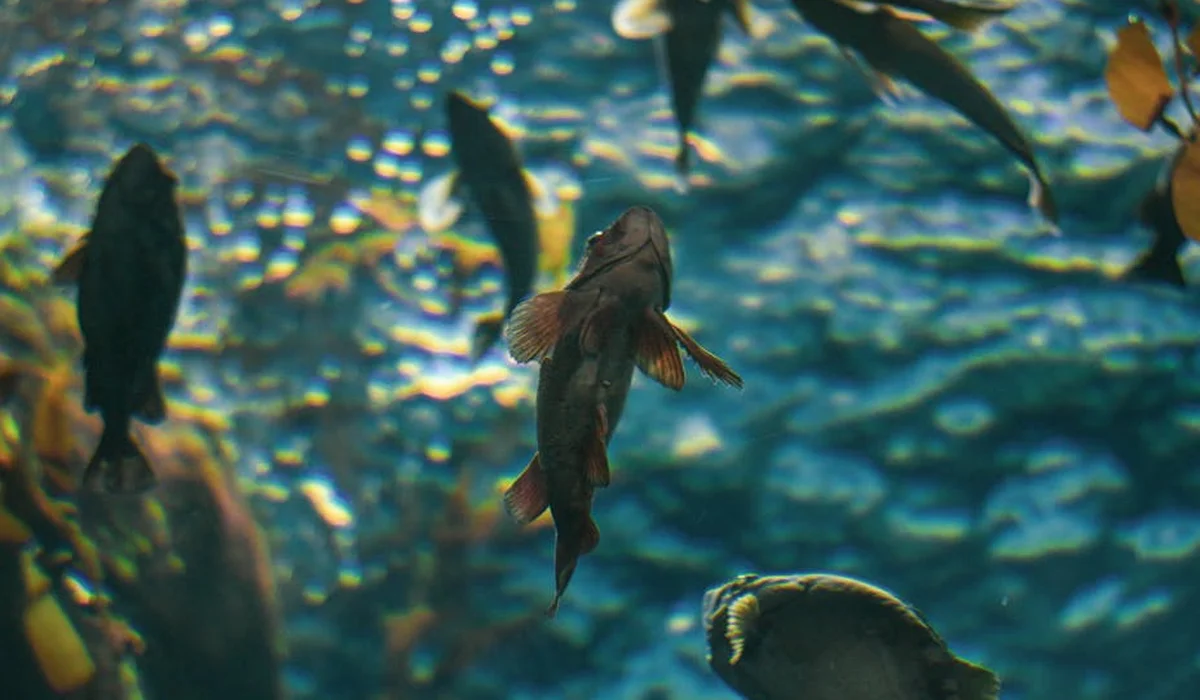
Cleaning live plants inside your established tank is a gentle art. You want to remove algae and debris without harming the delicate leaves or roots. I do this during my regular weekly water changes to minimize stress for the fish. This is a core part of aquarium cleaning maintenance. Regular upkeep helps maintain water quality and plant health.
Start by gently wiping the leaves with your fingers or a brand-new, soft-bristled toothbrush reserved only for aquarium use. A light touch is key here, as you can easily tear tender plant stems like those on Anacharis.
For more stubborn algae spots, many aquarists use a quick dip. I prepare a separate bucket with one part tank water to three parts dechlorinated tap water. Gently swish the plant in this solution, using your fingers to rub off the gunk.
Always rinse the plant in a separate container of your tank’s original water before putting it back. This final rinse washes away any dislodged algae and prevents it from floating around your aquarium, which can be especially beneficial when you’re balancing nutrients to prevent algae growth in planted tanks.
Special Care for New Liveplants Before Adding
New plants can introduce pests like snails, snail eggs, and harmful bacteria into your tank. I never skip this quarantine process, as it has saved my main display tank from multiple infestations.
First, I perform a visual inspection. Look for tiny gelatinous snail egg clusters on the undersides of leaves and along stems. Remove any you find by hand.
A mild bleach dip is my go-to method for sterilizing new plants, but precision is non-negotiable for the plant’s survival. I mix one part plain, non-scented household bleach with nineteen parts water. That’s a 5% solution. Submerge the plant for no more than 90 seconds, agitating it gently.
Immediately after the bleach dip, you must neutralize it. I dunk the plant into a separate bucket of water treated with a double dose of dechlorinator. Let it soak for 5-10 minutes. Rinse the plant thoroughly one last time with dechlorinated water before it ever touches your tank. This process eradicates most hitchhikers while keeping the plant safe.
How to Clean Plastic Aquarium Plants Effectively
Plastic plants are much more forgiving than live ones, allowing for more vigorous cleaning methods. The key is to avoid any chemical residue that could poison your fish.
I take the plastic plants out of the tank during a water change. The simplest method is to use very hot water and a stiff-bristled brush. The heat helps to soften and loosen algae, making it easy to scrub away without any cleaners. If you’re performing a deep clean of your aquarium step by step, this is a good starting point. This approach helps ensure you clean thoroughly before refilling and reintroducing animals.
For a deeper clean, I use a vinegar solution to dissolve hard water stains and calcium deposits. Soak the decorations in a mix of one part white vinegar to four parts water for about 15 minutes. After soaking, scrub them down and rinse, rinse, rinse under running water.
Never, ever use soap or household detergents. Soap leaves a microscopic film that is incredibly difficult to rinse off and is highly toxic to fish, damaging their gills and slime coat. If you need more cleaning power, a quick dip in the same 5% bleach solution used for live plants is safe, followed by the same thorough rinsing and dechlorinator soak.
Dealing with Stubborn Algae and Pests
Handling Heavy Algae Growth
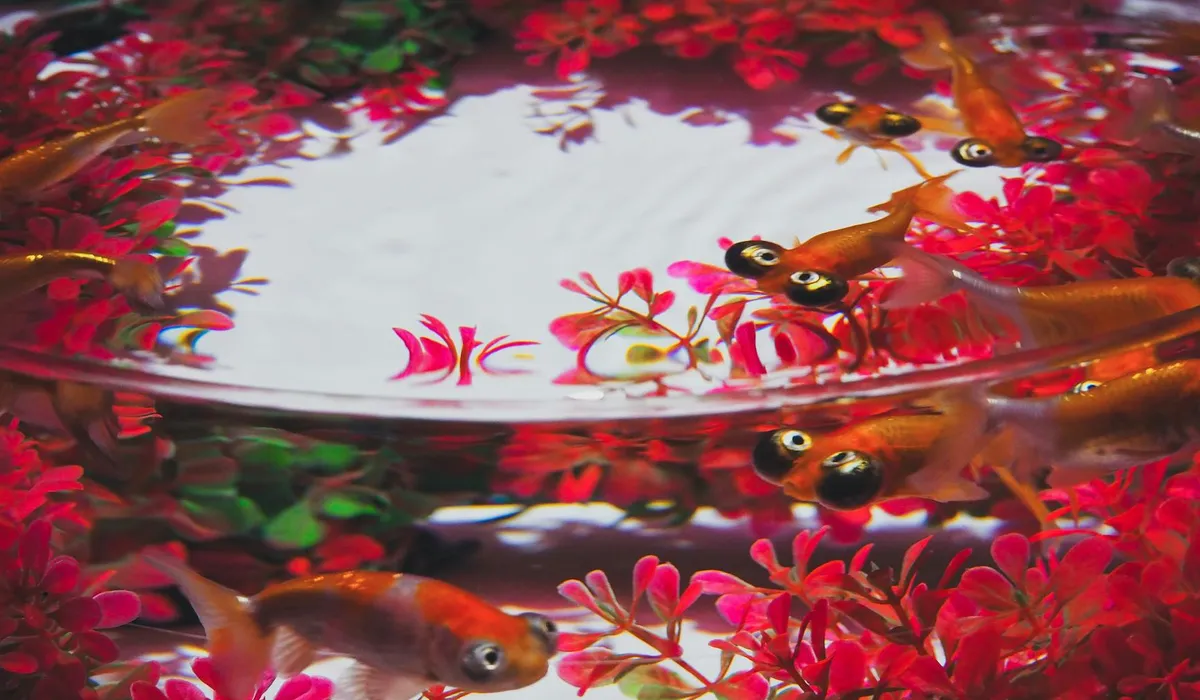
When algae takes a strong hold, a simple rinse just won’t cut it. For live plants, I gently rub the leaves between my thumb and forefinger under a stream of dechlorinated water. This physical removal dislodges the algae without harming the plant’s delicate surface layer.
For plastic or silk plants, you have more aggressive options. A quick dip in a diluted bleach solution works wonders. Mix one part plain bleach with twenty parts water, swish the plant for no more than two minutes, then rinse thoroughly. Always soak the plant in water treated with a dechlorinator afterward to neutralize any remaining bleach-this step is non-negotiable for fish safety.
Another great tool is a brand-new, soft-bristled toothbrush dedicated solely to your aquarium. Its bristles are perfect for scrubbing intricate fake plant leaves and stubborn algae spots on hardy live plants like Anubias.
Removing Common Pests from Live Plants
New plants can introduce unwanted hitchhikers. The most common culprits are snail eggs and small worms like planaria.
My go-to method is a quarantine dip. Here are your main options:
- Potassium Permanganate Dip: Create a light pink solution and soak plants for 10-15 minutes. This kills most pests and their eggs.
- Alum Dip: Use one tablespoon of alum per gallon of water and soak plants for up to three hours. This is very effective against snails.
- Bleach Dip: The same mild solution used for algae (1:20) for just 90 seconds can eradicate pests, but it’s riskier for delicate plants.
After any dip, I always give the plant a final rinse in conditioned water before placing it in the tank. Do snail eggs look like they belong in your aquarium? They usually appear as small, clear gelatinous blobs attached to leaves or stems. Inspecting every leaf, especially the undersides, under a bright light is the best way to spot and remove gelatinous snail egg clutches before they become a problem.
Avoiding Common Plant Cleaning Mistakes
I’ve seen too many aquarists accidentally harm their aquatic garden by making a few simple errors. The biggest one is using soap or chemical cleaners. Even a tiny residue of dish soap can create a toxic film on the water’s surface and kill your fish within hours.
Another mistake is using water that is too hot. Very hot water can melt silk plants and cook the leaves of live plants, causing them to rot. Stick to lukewarm water, as it’s effective for cleaning without causing thermal shock.
Don’t be overzealous with cleaning. A little bit of algae is normal and even beneficial for the tank’s ecosystem. Scrubbing your plants to a sterile, spotless shine every week removes the beneficial biofilm that shrimp and fry rely on for food. In many tanks, algae-eating fish and shrimp are among the best cleaners for algae. They help keep growth under control without destroying essential biofilms.
Finally, always handle live plants with care. Avoid crushing stems or tearing roots. Gentle handling ensures your plants can recover quickly from the cleaning process and continue growing beautifully.
Easy Routines for Ongoing Plant Maintenance
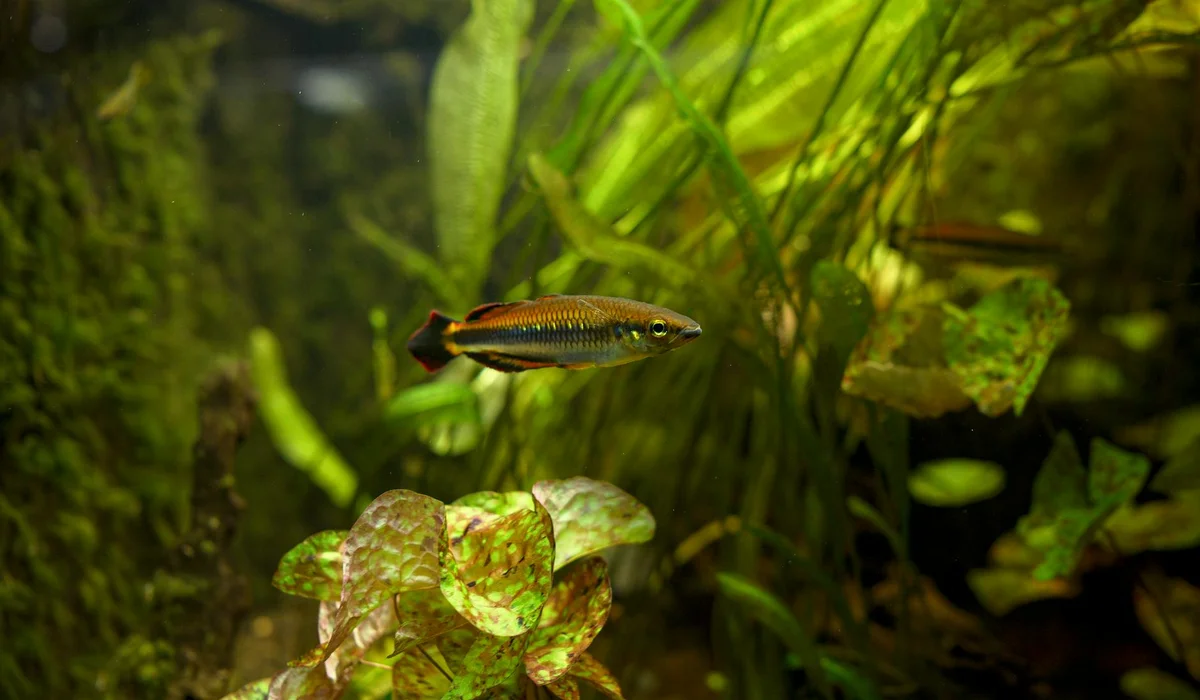
Keeping your plants clean doesn’t have to be a massive, tank-disrupting chore. A consistent, gentle routine prevents algae from ever gaining a foothold, saving you from drastic cleanings later. Think of it like brushing your teeth-a little daily care prevents major problems.
Your Weekly Water Change Tidy-Up
Every time you siphon out old tank water, you have a perfect opportunity for a quick plant check. I use this time to give my plants a once-over. Gently run your fingers over the leaves of tougher plants like Anubias or Java Fern to wipe away any loose film. In a planted aquarium, leaf care is a frontline defense against algae. This simple physical action during water changes is one of the most effective ways to control early algae growth. Regular checks like this help keep nutrients in balance and algae at bay. For plastic plants, a quick swish and shake in the bucket of removed tank water often does the trick.
Steps for a Swift Weekly Clean:
- Prepare your siphon and a bucket for the old water.
- As you drain water, gently run your fingers over broad plant leaves.
- For silk or plastic plants, remove them and swish vigorously in the bucket of old tank water.
- Replant or reposition any decorations you moved.
- Refill your tank with fresh, dechlorinated water.
The Monthly Deep-Clean Session
Once a month, I dedicate about twenty minutes to a more thorough plant cleaning. This is for tackling the slightly more stubborn grime that the weekly wipe-down misses. You do not need to remove all your plants for this. Focus on the ones showing the most algae. Always clean decorations and plants in removed tank water or dechlorinated water to protect your beneficial bacteria. While you’re at it, gently scrub algae off decorations and rocks with a soft brush using the saved water. This helps keep the whole display clean and reduces future algae buildup on hardscape. The hum of the filter continues in the background, keeping the ecosystem stable while you work.
Your Go-To Monthly Cleaning Kit:
- A dedicated, brand-new soft-bristled toothbrush
- A bucket filled with water from your tank change
- A clean, microfiber cloth (lint-free)
- A pair of aquascaping tweezers or scissors for trimming
Tailoring Your Approach to Plant Type
Not all plants can handle the same cleaning method. Being rough with delicate live plants can damage them and create openings for disease.
For Delicate Live Plants:
Plants like Cabomba or Water Wisteria have fine, fragile leaves. For these, I avoid any rubbing. Instead, I gently swish them in the bucket of tank water. Swishing delicate plants is like treading softly; it preserves their delicate leaves and root systems from unnecessary harm. If algae persists, it’s often a sign to adjust your light duration or nutrient levels.
For Hardy Live Plants & Plastic/Silk:
Java Fern, Anubias, and plastic plants can handle more direct contact. Use your thumb and forefinger to gently pinch the leaf and slide from the base to the tip. For plastic plants, the soft-bristled toothbrush is perfect for scrubbing intricate grooves without scratching. Scrubbing plastic plants with a soft brush restores their vibrant color and removes the slippery biofilm that fish find unappealing.
FAQs
How can I clean aquarium plants with hydrogen peroxide?
Hydrogen peroxide is a safe disinfectant for removing algae and pests from hardy live plants. Use a diluted solution of 3% hydrogen peroxide mixed with water in a 1:3 ratio, and dip plants for no more than 5 minutes. Always rinse thoroughly in dechlorinated water afterward to prevent any residue from harming your fish or beneficial bacteria, especially when using it to kill algae.
Is it safe to clean aquarium plants with bleach?
Bleach can be used safely if handled with extreme caution, especially on resilient plants or plastic decor. Dilute plain, non-scented household bleach with water in a 1:19 ratio and limit dips to under 2 minutes for live plants. Afterward, neutralize the bleach by soaking in a dechlorinator solution and rinse well to avoid toxic residues in your tank.
Do aquarium plants actually clean the water?
Yes, aquarium plants naturally improve water quality by absorbing nitrates, phosphates, and other waste products through their roots and leaves. They also oxygenate the water during photosynthesis and provide surfaces for beneficial bacteria, which helps reduce algae growth and maintain a balanced ecosystem for your fish. These are among the key benefits of live plants in your aquarium. Considering these advantages, live plants can be a central part of your tank setup.
What are some easy aquarium plants that help clean water for beginners?
Beginner-friendly plants like Java Fern, Anubias, and Hornwort are great for water cleaning because they are low-maintenance and efficient at absorbing excess nutrients. These plants help reduce nitrates and provide hiding spots for fish, making them ideal for newcomers to aquarium keeping without requiring high light or CO2 systems.
Healthy Plants, Healthy Tank
To keep your plants pristine, always handle live plants gently and use separate tools to avoid cross-contamination. For plastic plants, a thorough scrub under hot water works wonders, but never, ever use soap.
Your fish rely on you to maintain their entire environment, and clean plants are a huge part of that ecosystem. Regular, essential maintenance tasks—like water changes, filter cleaning, and substrate vacuuming—need to be performed at a consistent frequency to keep conditions stable. Knowing when to do them helps you keep the tank healthy and your plants thriving. Stay curious, keep asking questions, and your aquarium will reward you with a beautiful, thriving underwater world.
Further Reading & Sources
- How do I wash plants to make sure they don’t have anything on them before I add them to my tank? : r/PlantedTank
- How to Quarantine New Aquarium Plants – Buce Plant
- How to Clean Algae From Aquarium Plants
- Help! Live plants are super dirty! Not sure how to clean them! | Aquarium Plants Forum
- The Importance of Putting Aquatic Plants in Quarantine
Lia is an expert in aquarium and pet fish care. Having worked in the marine industry and having cared for multiple pet fish, she has acquired first hand expertise on aquarium care, maintenance and setup. She always brings her practical expertise and science to help solve any aquarium related queries.
Plant Care