
The Goldfish Tank Setup Secret: More Than Just a Bowl
Hello fellow fish keepers. If you’re wondering why your goldfish isn’t thriving, you’ve likely discovered that the classic fishbowl is a myth that sets both you and your fish up for failure.
This guide cuts through the confusion to show you exactly how to build a vibrant, healthy home for your finned friends. We will cover:
The truth about tank size and shape, non-negotiable filtration needs, the best substrate for foraging, safe aquascaping with hardy plants, and maintaining pristine water chemistry.
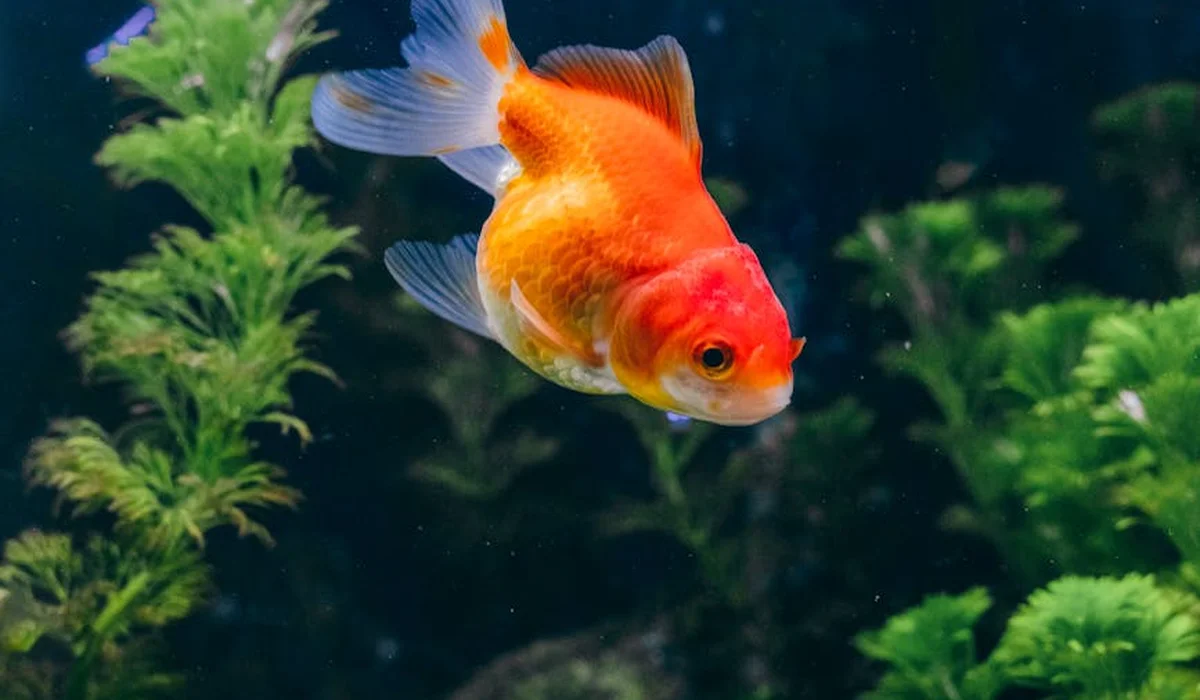
My advice comes from years of hands-on experience, including caring for my own social Oranda, Goldie.
Selecting the Perfect Tank Size and Goldfish Type
Your first and most critical decision is matching the goldfish type to its forever home. Getting this wrong is the root of most goldfish health problems.
Single-Tail vs. Fancy Goldfish
Think of this as the difference between an Olympic swimmer and a ballet dancer. Single-tail varieties, like Commons and Comets, are built for speed and endurance. They are prolific waste producers and need immense space to thrive, often reaching a foot in length. Fancy goldfish, like my Oranda Goldie, have round, egg-shaped bodies and flowing fins. They are much slower and more delicate.
Tank Size Recommendations
Forget the old “one-gallon-per-inch” rule; it’s dangerously outdated for goldfish.
- Single-Tail Goldfish (Common, Comet, Shubunkin): Start with a 75-gallon tank for one fish. Add 50+ gallons for each additional single-tail. A pond is often their ideal home.
- Fancy Goldfish (Oranda, Ryukin, Ranchu): A 30-gallon tank is the absolute minimum for your first fancy. Add 15-20 gallons for each additional fancy goldfish.
I learned this the hard way with my first goldfish. A small tank stunts their growth externally, but their internal organs continue to grow, leading to a painful, shortened life. Providing a spacious tank is the single greatest act of care you can give your goldfish.
Setting Up Powerful Filtration and Aeration
Goldfish are not just messy eaters; they are messy living. Their constant grazing produces a staggering amount of waste, which quickly pollutes the water.
Choosing Your Filter
You need a filter rated for a tank at least twice the size of your aquarium. For a 40-gallon fancy goldfish tank, look for a filter rated for 80+ gallons.
- Canister Filters: My top choice. They offer superior mechanical, chemical, and biological filtration and are quiet.
- Hang-on-Back (HOB) Filters: A great, budget-friendly option. Use two on larger tanks for redundancy and increased flow.
- Sponge Filters: Excellent for biological filtration and gentle on delicate fancy fins. I always use one as a backup in my tanks.
The gentle hum of a powerful filter isn’t just noise; it’s the sound of a healthy, stable ecosystem. Your filter is the life support system, home to the beneficial bacteria that keep your fish safe from their own waste.
The Critical Role of Aeration and Flow
Goldfish are oxygen hogs. They deplete oxygen levels quickly, especially in warmer water.
- Position your filter output to create surface agitation. This breaks the water’s surface tension and allows for vital gas exchange.
- Add an air pump and air stone. The stream of rising bubbles not only looks beautiful but actively oxygenates the water.
- Ensure flow is manageable for fancy goldfish. They are poor swimmers, so direct the current toward the tank’s glass to create a calmer center.
Seeing your goldfish play in the bubbles is a joy, but the real benefit is invisible. High oxygen levels support your filter’s bacteria and help prevent your goldfish from suffocating in their own home.
Cycling Your Tank and Managing Water Quality
Think of your tank’s nitrogen cycle as the invisible engine that keeps your fish healthy—it’s the process where beneficial bacteria break down harmful waste. Without a fully cycled tank, ammonia and nitrite spikes can stress or even harm your goldfish, leading to avoidable health issues. That’s why the nitrogen cycle is crucial for any aquarium: it keeps toxic ammonia and nitrite in check by hosting beneficial bacteria. A stable cycle means fewer stress events for your fish and more predictable water parameters. I learned this the hard way with my first goldfish, Goldie; I rushed the setup and saw her become lethargic until I fixed the water parameters.
To cycle your tank properly, start with a fishless cycle using a pure ammonia source. In the ammonia aquarium cycling fishless method, you deliberately add measured pure ammonia to feed beneficial bacteria. This approach lets you build a stable biofilter before any fish. You’ll need a liquid test kit to monitor ammonia, nitrite, and nitrate levels daily, aiming for ammonia and nitrite to hit zero before adding fish. This method is safer than a fish-in cycle, which can expose your goldfish to toxic compounds.
- Add ammonia to reach 2-4 ppm and let bacteria colonize on filter media and substrate.
- Test water every other day; ammonia should drop as nitrite rises, then nitrate appears.
- Once ammonia and nitrite are undetectable and nitrate is present, do a large water change to lower nitrate below 20 ppm.
Goldfish produce a lot of waste, so managing water quality means weekly 25-30% water changes and using a filter rated for a larger tank. I always use a hang-on-back or canister filter with mechanical and biological media to handle the bioload of my goldfish, and I clean the filter in tank water to preserve bacteria. The gentle hum of a well-maintained filter means your water stays crystal clear and safe. These are essential maintenance tasks, and their frequency should be guided by the tank’s bioload and water test results rather than a rigid timetable. Regular monitoring of ammonia, nitrite, and nitrate helps determine if more frequent adjustments are needed.
- Test pH weekly; goldfish thrive in 7.0-7.8, but stability matters more than perfect numbers.
- Keep temperature between 68-74°F (20-23°C) for common goldfish like Orandas.
- Use a gravel vacuum during water changes to remove debris from the substrate without disrupting the cycle.
If you notice cloudy water or algae, it’s often a sign of excess nutrients. Reducing feeding and increasing water changes usually clears it up, but don’t overclean-those bacteria colonies are your best allies. In my tanks, I’ve found that adding live plants like Java Fern helps absorb nitrates and adds natural beauty.
Choosing Safe Substrate and Decorations
Goldfish are curious foragers who love to sift through substrate, but small gravel can be a choking hazard. I always choose sand or large, smooth gravel over 5 mm in size to prevent my goldfish from swallowing pieces and getting impacted. With Shadow, my Corydoras, I use fine sand because it’s gentle on barbels and mimics their natural riverbed home.
- Sand substrates are soft and allow goldfish to root without injury.
- Large, rounded gravel lets waste settle for easy vacuuming.
- Avoid sharp or dyed substrates that can leach chemicals or cut fins.
Decorations should provide hiding spots without trapping your goldfish or damaging their flowing fins. Opt for smooth rocks, driftwood, or PVC pipes with sanded edges to create a stimulating environment that reduces stress. I once used a resin ornament with rough seams, and Captain Fin’s betta fins got nicked-now I inspect every piece by hand before it goes in.
- Rinse all substrate and decorations in dechlorinated water to remove dust and residues.
- Arrange items to leave open swimming areas; goldfish need space to move freely.
- Secure heavy decorations to the tank bottom to prevent tipping from digging behavior.
Live or silk plants are better than plastic, which can tear delicate fins. Anubias or Java Moss attached to driftwood adds oxygen and helps with water quality, plus the shimmer of green against gold scales is stunning. For a DIY hack, I’ve used terracotta pots as caves-just ensure the drainage hole is large enough for fish to pass through safely.
Always consider the full grown size of your goldfish when selecting decor. A crowded tank can increase aggression and waste buildup, so aim for a layout that’s easy to clean and doesn’t obstruct filter flow. In my 40-gallon setup for Goldie, I keep decorations minimal to emphasize swimming room and make maintenance a breeze.
Maintaining Ideal Temperature and Environment
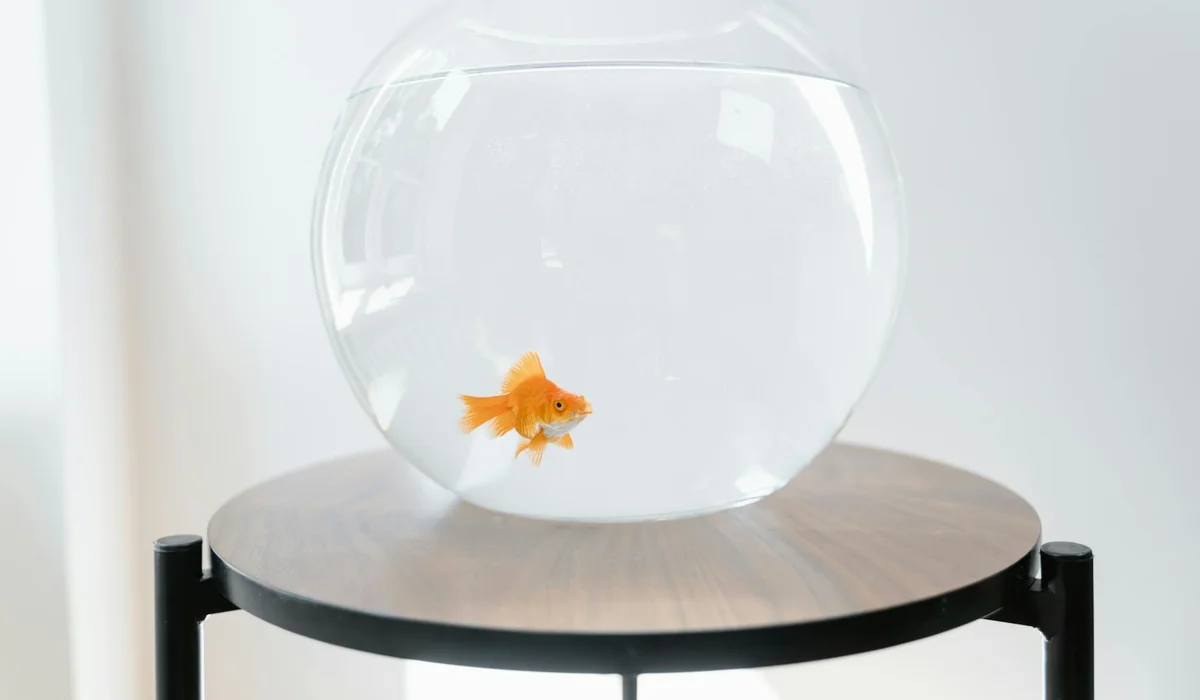
Goldfish like my Goldie are not tropical fish, and this is the single most common misunderstanding I see. Keeping them in a heated, tropical tank is a slow, stressful sentence for them, weakening their immune systems over time. Their metabolism is designed for cooler water, and providing that is one of the best things you can do for their long-term health. When deciding between cold-water vs tropical setups, the right choice depends on the species you keep. For goldfish, that usually means a cooler, non-heated tank rather than a tropical one.
You should aim for a stable temperature between 65°F and 72°F (18°C – 22°C). In most homes, a heater isn’t necessary, but a reliable aquarium thermometer is non-negotiable. I place mine on the side glass, away from the filter output, for the most accurate reading. When choosing a thermometer, consider the types (digital, dial, stick-on) and follow placement tips to improve accuracy.
Creating a Goldfish-Friendly Habitat
Think about what a goldfish does all day: they forage, sift through substrate, and explore. Your tank setup should encourage these natural behaviors.
- Smooth Substrate: Fine, rounded sand is my top choice. It allows Goldie to root around without the risk of scratching her mouth or swallowing a sharp piece of gravel that could cause an internal blockage.
- Sturdy, Cold-Tolerant Plants: Goldfish are notorious plant nibblers and diggers. Anubias and Java Fern are fantastic because you can attach them to driftwood or rocks, leaving the roots inaccessible. They also thrive in cooler water and lower light.
- Open Swimming Space: Fancy goldfish, like Orandas, are not the most graceful swimmers. They need plenty of unobstructed room to move freely without bumping into delicate decor.
- Gentle Water Flow: A powerful current from your filter can exhaust a fancy goldfish. I always baffle my filter output with a spray bar or by aiming it at the tank wall to create a calmer environment.
Establishing a Routine Maintenance Schedule
Consistency is the magic ingredient for a healthy goldfish tank. A predictable routine is less stressful for you and your fish, preventing small issues from becoming big problems.
Your Weekly Goldfish Chores
Set aside the same time each week for these tasks. I do mine every Sunday morning while I have my coffee.
- The Partial Water Change: This is non-negotiable. Siphon out 25-30% of the tank water. Use a gravel vacuum to clean the substrate, hovering over the sand to lift waste without removing it. This weekly refresh is your primary defense against nitrate buildup and cloudy water.
- Filter Check: Quickly rinse the filter media in the old tank water you just removed. Never use tap water, as the chlorine will kill the beneficial bacteria living inside.
- Glass Cleaning: Use an algae pad or magnet cleaner to wipe down the inside glass. A little algae on the back wall is fine and can even be a supplemental snack for your fish.
Monthly and Seasonal Tasks
- Deep Clean Decor: Any algae-covered decorations or rockwork can be scrubbed clean during a water change.
- Filter Media Replacement: Only replace filter cartridges or media if they are literally falling apart. When you must, do it gradually, swapping out only one piece at a time to preserve your bacterial colony.
- Equipment Check: Test your heater (if you use one for winter stability) and filter impeller for any signs of wear or buildup.
A simple hack I use is to keep a dedicated 5-gallon bucket that is only ever used for my aquarium. This prevents any soap or chemical residue from contaminating your tank and keeps your process organized and safe. I also use the nutrient-rich siphoned water to water my houseplants-they love it!
Common Questions
How many goldfish can safely live in a given tank size?
Stocking depends heavily on the type of goldfish and their adult size. For fancy goldfish, a 30-gallon tank is the minimum for the first fish, with an additional 15-20 gallons for each new fancy. Single-tail varieties require a 75-gallon tank for one fish, with 50+ gallons added for each additional one. Overcrowding is a primary cause of poor water quality and stunted growth.
Should goldfish be kept with other fish or alone?
Goldfish are social and do best with their own kind, but mixing types requires caution. Fancy goldfish are slow and can be outcompeted for food by more active single-tails. They are cold-water fish, making most tropical species incompatible tank mates. It is safest to keep them in a species-only tank to avoid stress, aggression, and disease transmission. Choosing the right tank mates can help reduce stress and aggression. Pick companions with similar temperature needs and temperaments to keep the tank peaceful.
What lighting schedule is ideal for goldfish?
A consistent lighting schedule of 8-10 hours per day is ideal. This mimics a natural day/night cycle, reducing stress for your fish and helping to control algae growth. Using a simple timer for your aquarium light is the easiest way to maintain this consistency and prevent accidental over-lighting. If you have live plants, they may benefit from a slightly longer photoperiod, up to 10-12 hours, depending on their light needs. For most fish and plant setups, 8-10 hours remains a solid baseline.
How should you acclimate new goldfish to an established setup?
Always use the drip acclimation method to slowly introduce your new goldfish to the water parameters of your tank. This careful, step-by-step approach is how you properly acclimate fish to water parameters. By gradually letting the fish adjust to pH, temperature, and hardness, you minimize stress and prevent shock. After acclimating, it is also wise to quarantine new fish in a separate tank for a few weeks to monitor their health before introducing them to your main aquarium.
Your Goldfish Thriving Ahead
Focus on a spacious tank-think 20 gallons for a single goldfish-paired with robust filtration to manage their high waste output. Regular water testing and partial changes are non-negotiable for preventing toxin spikes. Regularly test for pH, ammonia, nitrite, and nitrate to test and maintain water parameters in your aquarium. Keep a simple testing log to spot trends early.
Owning goldfish is a commitment to creating a stable, healthy habitat that mirrors their natural needs. Stay curious and tap into aquarium communities or trusted blogs to grow your skills and ensure your fish flourish for years.
Further Reading & Sources
- The Complete Beginner’s Guide to Goldfish – Aquarium Tidings
- How to Set Up a Proper Goldfish Aquarium
- r/Goldfish on Reddit: Resources for setting up a new tank?
- Complete Fancy Goldfish Care Guide – Luke’s Goldies
- Water garden /fish bowl ideas
Lia is an expert in aquarium and pet fish care. Having worked in the marine industry and having cared for multiple pet fish, she has acquired first hand expertise on aquarium care, maintenance and setup. She always brings her practical expertise and science to help solve any aquarium related queries.
Filtration Systems